When winter blankets mountains and forests under a pristine layer of snow, athletes and enthusiasts from around the world venture outdoors to embrace the crisp air and the exhilaration of seasonal pursuits. From carving fresh tracks on steep slopes to gliding across frozen lakes, cold-weather activities offer a unique fusion of thrill, skill, and communion with nature. This exploration delves into the diverse world of winter sports, uncovering the techniques, equipment, health advantages, and safety measures that define icy ventures.
The Thrill of Alpine Sports
Nothing matches the rush of descending a steep slope at high speed. Whether you’re a beginner navigating gentle hills or an expert tackling double black diamond runs, alpine sports deliver unmatched excitement and challenge. Enthusiasts often flock to renowned resorts to experience well-groomed trails, world-class instruction, and vibrant après-ski culture.
Equipment Essentials
- skiing boots and bindings: Proper fit reduces fatigue and enhances control.
- snowboarding boards and leashes: Tailored for style, terrain, and riding stance.
- Helmets, goggles, and protective padding: Critical for safeguarding against falls and collisions.
- Poles, wax, and edge-tuning kits: Fine-tuning your gear optimizes performance in varied snow conditions.
Technique and Style
Mastering body position is key. Beginners often begin with wedge turns before progressing to parallel carving. As confidence grows, riders experiment with dynamic movements, using knee flexion and upper-body counterbalance to maintain stability. In snowboarding, weight distribution between the front and back foot affects turning radius and speed control. Proficiency in these techniques transforms a routine descent into a fluid, responsive ride.
Graceful Moves on Ice
Ice sports blend artistry and athleticism. Whether executing intricate spins or racing around an oval track, participants develop strength, balance, and coordination. Ice venues vary from frozen lakes set amid towering trees to gleaming indoor rinks brimming with spectators.
Ice Skating Techniques
- ice skating fundamentals: Mastering the glide, push, and recovery phases.
- Edge work: Inside and outside edges refine control and carving abilities.
- Spin entry and exit: Precision in arm placement and core engagement.
- Crossovers and transitions: Linking movements seamlessly to maintain momentum.
Health Benefits
Gliding across ice provides a low-impact cardiovascular workout that engages multiple muscle groups. Skaters enhance joint flexibility and build core strength while improving posture and overall balance. The rhythmic nature of skating also offers mental benefits, such as stress reduction and heightened focus.
The Classic Appeal of Nordic Sports
Originating in the snowbound landscapes of Scandinavia, Nordic sports emphasize endurance and connection to nature. Participants traverse forests and open fields, often under the soft glow of winter light.
Cross-Country Skiing and Biathlon
- cross-country skiing: A full-body workout demanding stamina, coordination, and efficient technique.
- biathlon: Combining ski endurance with marksmanship, this sport tests an athlete’s cardiovascular capacity and calm under pressure.
- Classic vs. skate technique: The diagonal stride versus the V-step skating motion.
- Wax selection: Choosing glide and grip wax based on snow temperature and humidity.
Trails range from groomed loops in parks to backcountry routes that snake through silent woodlands. Skiers often learn to read snow quality and choose tracks accordingly. For those seeking solitude, venturing beyond marked trails invites encounters with wildlife and untouched vistas.
Safety and Preparation
Adventuring in cold climates carries inherent risks. Proper planning and awareness mitigate hazards, ensuring memorable experiences without unnecessary danger.
Avalanche Awareness
- avalanches form when layers of snow lose cohesion and collapse downhill.
- Snowpack assessment: Evaluating stability through compression tests and layer identification.
- Equipment: Carrying a beacon, shovel, and probe is essential for rescue preparedness.
- Education and training: Enrolling in courses to learn terrain evaluation and emergency response.
Avalanche-prone regions often feature varying exposure, with wind-loaded slopes presenting higher danger. Consulting daily avalanche forecasts guides route selection, while traveling with experienced companions provides additional support.
Apparel and Thermoregulation
Maintaining comfort and safety in cold temperatures hinges on appropriate clothing choices. Layering creates adjustable insulation, allowing adventurers to adapt to changing conditions.
Layering System
- Base layer: Moisture-wicking materials draw sweat away from the skin.
- Insulation layer: Fleece or synthetic fills trap warmth without bulk.
- Shell layer: Waterproof and breathable fabrics shield against wind and snow.
- thermal wear: Specialized garments for extremities, such as gloves, socks, and headgear.
Footwear with proper traction prevents slips on icy terrain, while goggles and sunglasses protect the eyes from glare and wind. Carrying extra socks and hand warmers can make a significant difference when temperatures plummet unexpectedly.
Building Strength and Endurance
Off-season training enhances on-snow performance. Targeted exercises improve muscle groups crucial for stability, power, and stamina.
Conditioning Regimen
- endurance training: Long-distance running or cycling to boost cardiovascular capacity.
- Strength workouts: Squats, lunges, and core exercises build lower-body and postural muscles.
- Balance drills: Stability-ball routines and single-leg movements sharpen proprioception.
- Flexibility sessions: Yoga and dynamic stretching preserve range of motion.
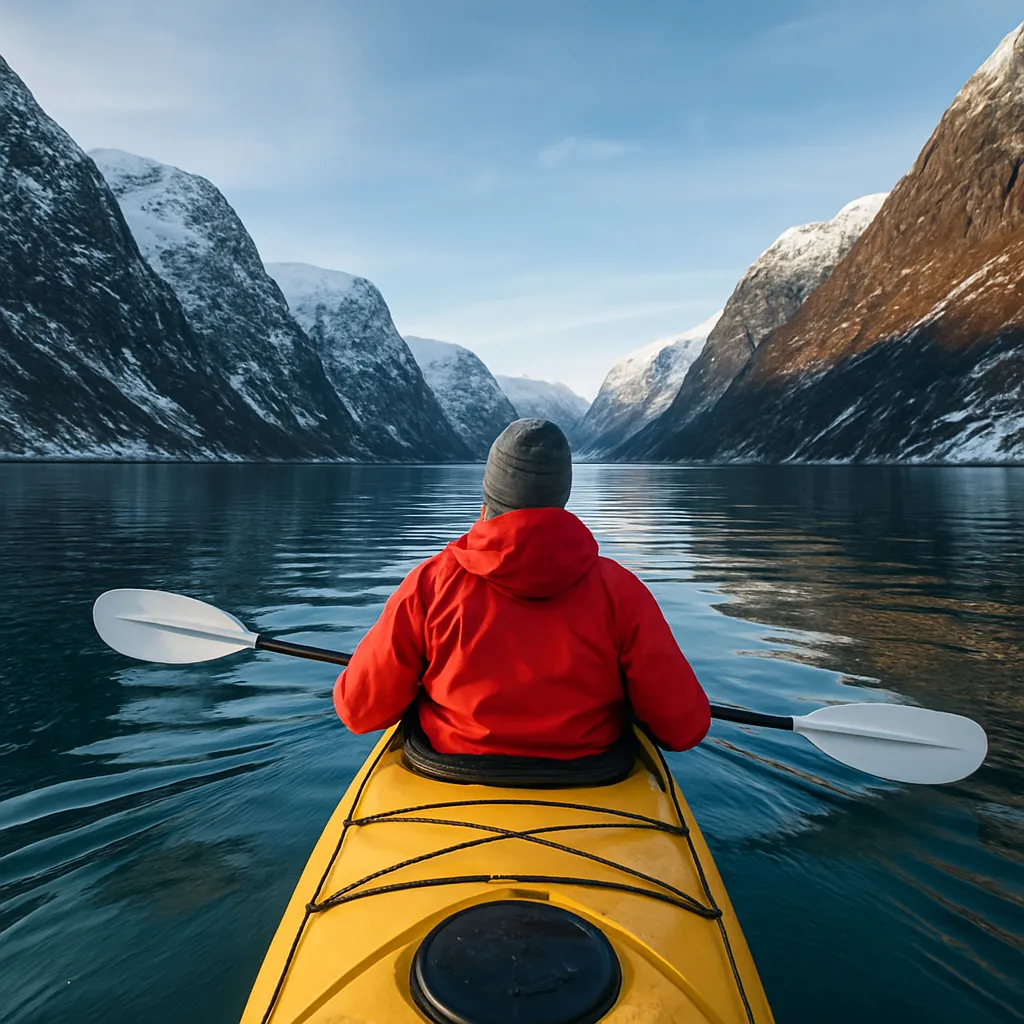
Incorporating high-intensity interval training (HIIT) simulates the bursts of effort required during downhill turns or sprint finishes. Cross-training with complementary sports, such as mountain biking or paddle sports, maintains fitness and prevents monotony.
Connecting with Winter Landscapes
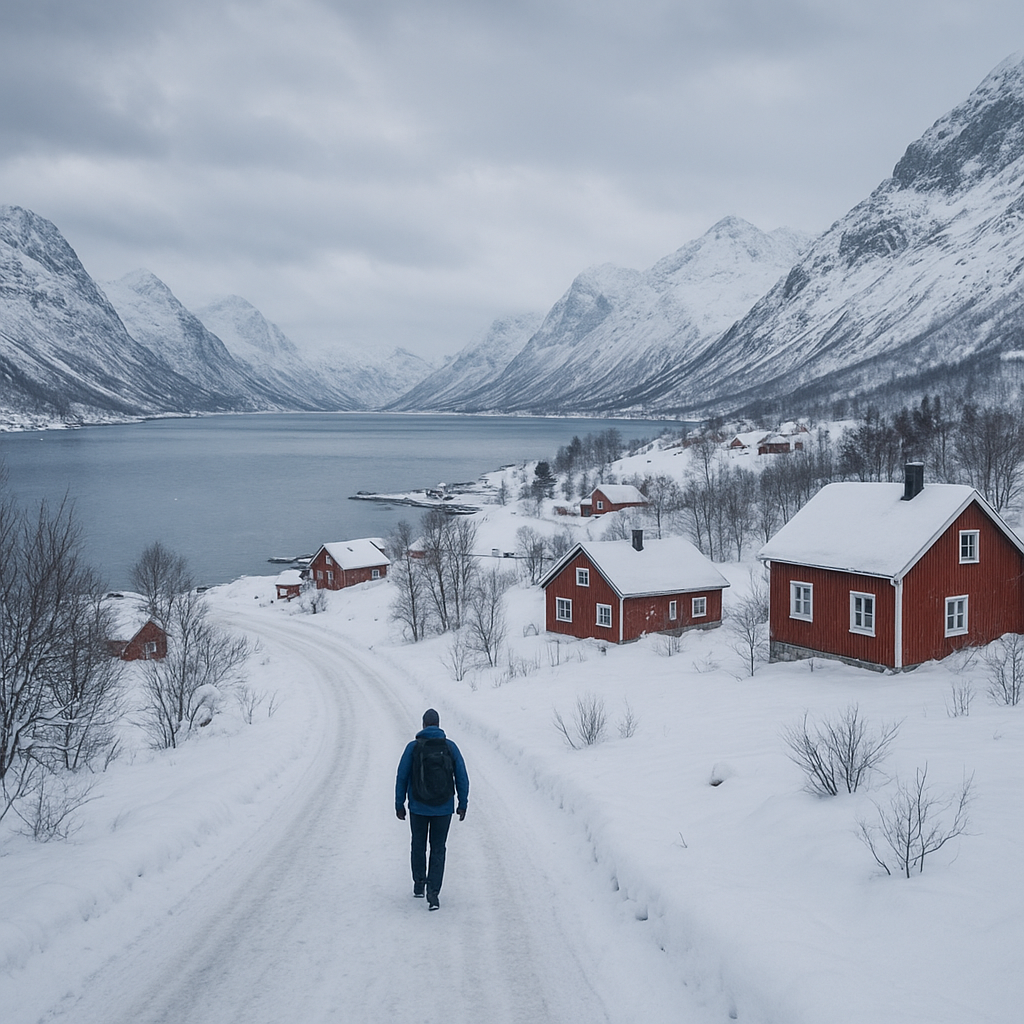
Beyond competition and technique, winter sports foster deep appreciation for frosty environments. The interplay of sunlight on snow and the hush of a snowy forest create an almost meditative atmosphere.
- Nordic forests: Tall pines and silent trails beckon skiers to explore remote enclaves.
- Mountain summits: Panoramic views reward climbers willing to endure steep ascents.
- Ice caves and frozen waterfalls: Natural sculptures that invite awe and wonder.
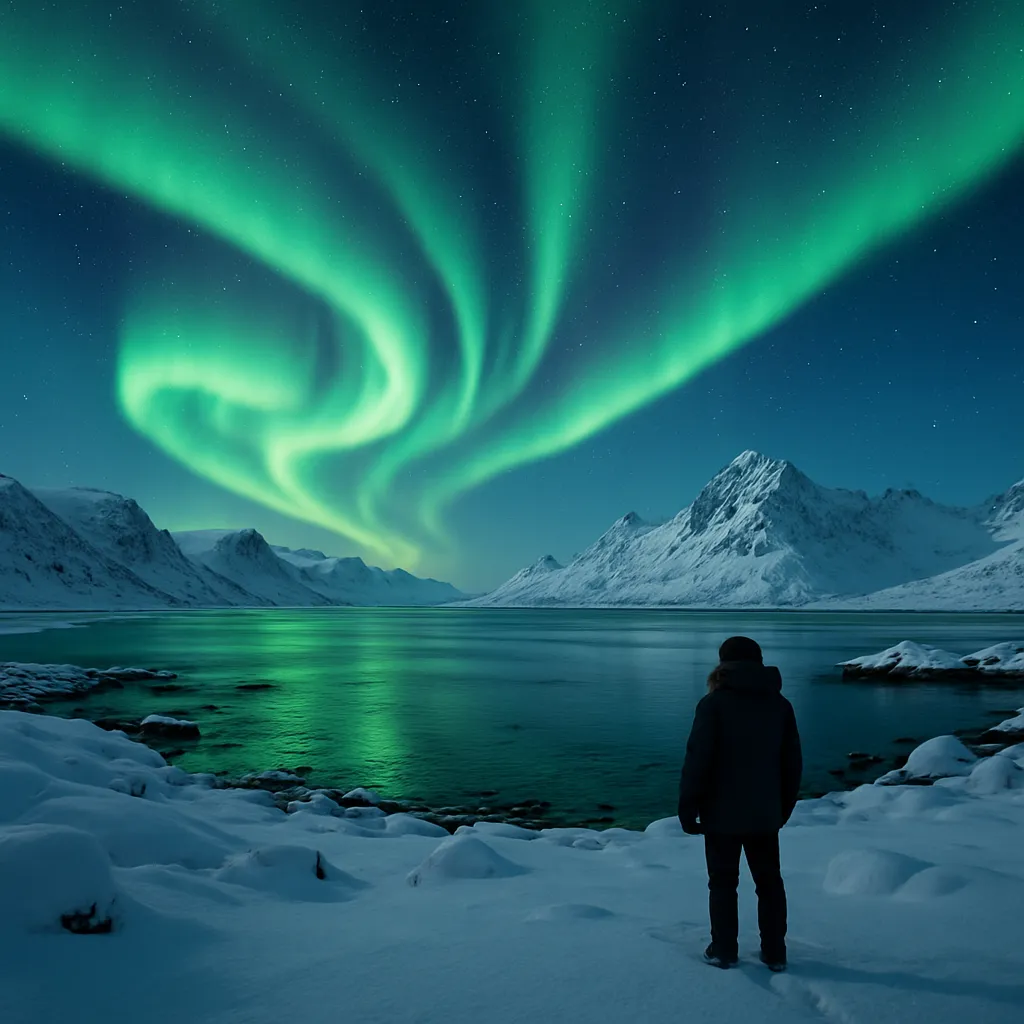
- Night skiing under starlight or northern lights: A magical fusion of sport and spectacle.
Whether you seek the rush of rapid descents or the serene glide through untouched snow, winter sports open doors to discovery. Embracing these activities connects mind and body to the season’s raw beauty, forging memories that warm even the coldest days.