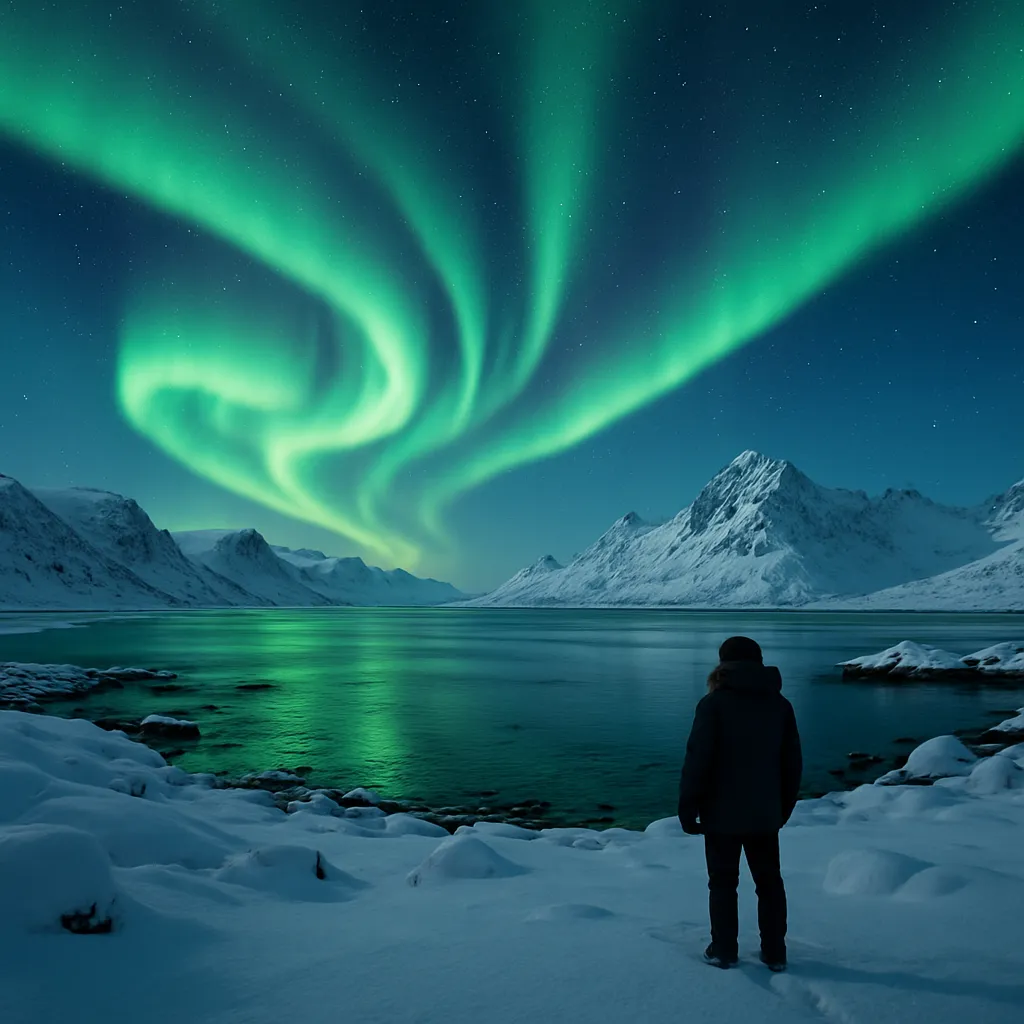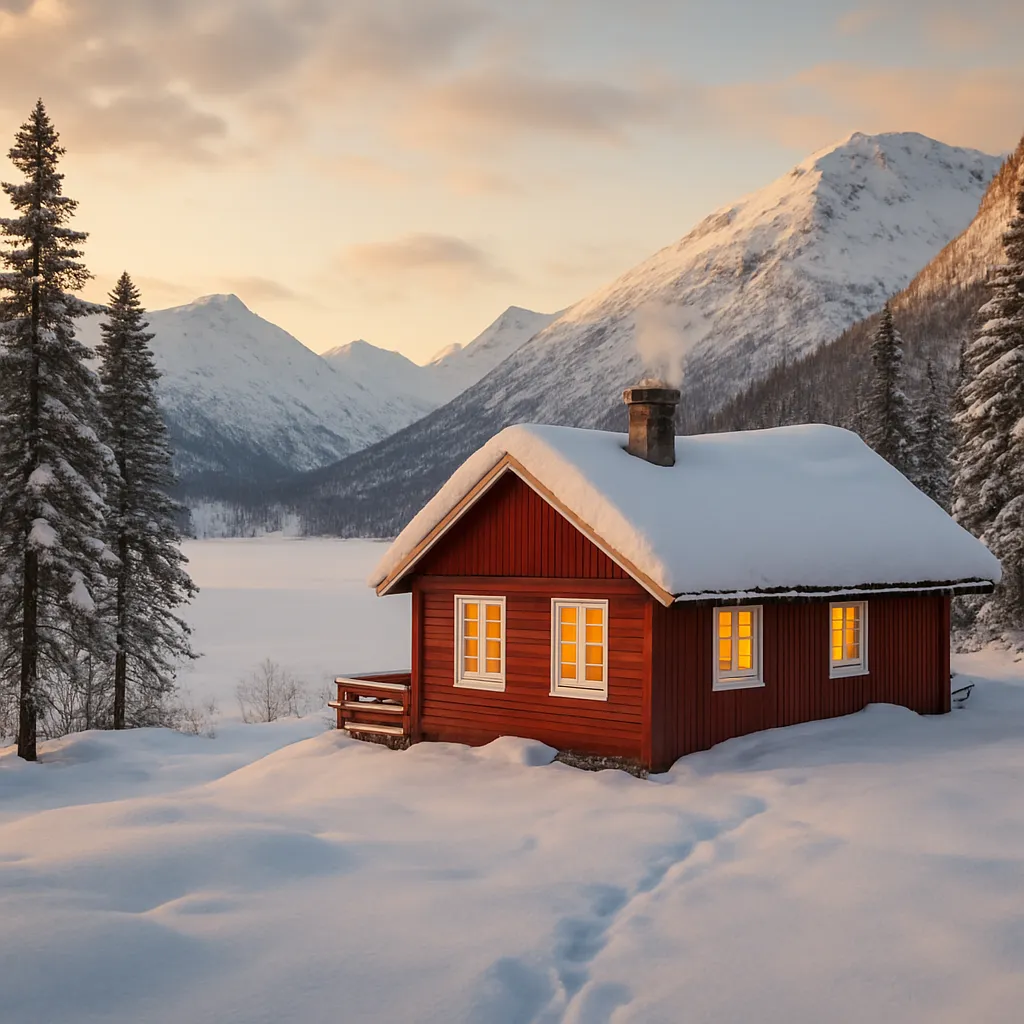
Winter transforms landscapes into **pristine** canvases of ice and snow, inviting enthusiasts to embrace **adventure** in ways few seasons permit. From gliding down powdery slopes to navigating icy waterways in a kayak, the world of winter sports offers a spectrum of experiences that challenge the body, sharpen the mind, and foster deep connections with nature. Embarking on a winter expedition demands **endurance**, careful planning, and a spirit of daring—but the rewards are unparalleled, from the rush of adrenaline to the awe-inspiring beauty of frozen fjords and snow-draped forests.
Winter Sports: A Gateway to Frozen Landscapes
Across the globe, winter sports have evolved from simple pastimes to highly specialized pursuits. Whether you’re a beginner seeking a taste of **freedom** or an expert chasing new terrain, the frozen months hold something for every level of skill and interest. Popular activities include:
- Alpine Skiing – Carve through fresh powder on groomed runs or off-piste slopes, mastering speed control and balance.
- Snowboarding – Develop your agility and express your style as you ride either through terrain parks or down steep mountain faces.
- Ice Climbing – Scale frozen waterfalls and ice walls using specialized tools and **resilience** to conquer vertical challenges.
- Cross-Country Skiing – Embrace a full-body workout that glides you through peaceful woodlands and across open tundra.
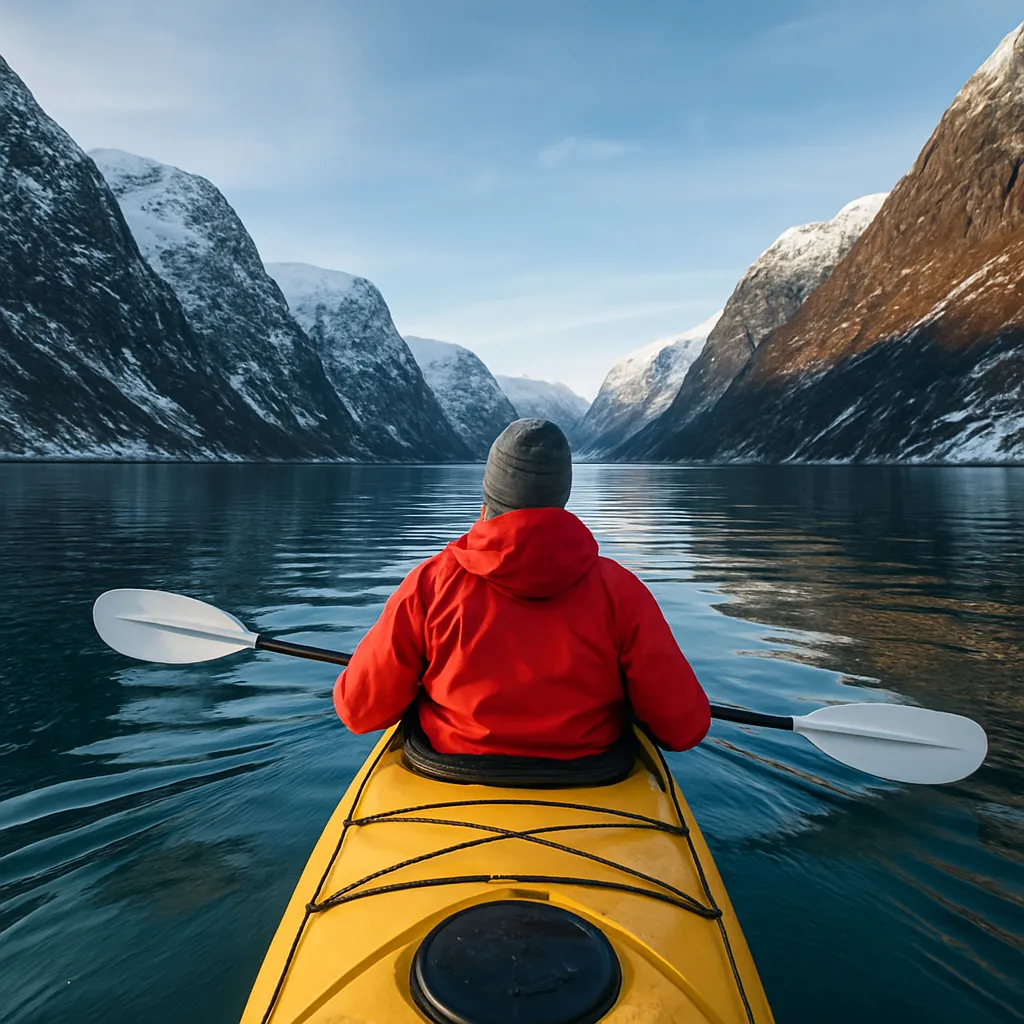
- Winter Kayaking – Paddle through calm, icy fjords and coastal inlets surrounded by breathtaking cliffs and crystalline waters.
Why Choose Fjords for Winter Kayaking
Fjords—narrow inlets carved by ancient glaciers—offer a dramatic backdrop for winter kayaking. When most watersports enthusiasts stay ashore, intrepid paddlers uncover a serene world of sculpted ice formations, snow-capped ridges, and the chance to witness local wildlife in a **pristine** state. Key reasons to explore fjord kayaking include:
- Spectacular Scenery: Towering cliffs and icy walls create a **majestic** corridor that amplifies every sound and shadow.
- Solitude and Camaraderie: Small groups share an intimate journey, forging strong bonds through shared challenges.
- Mindful Exploration: The slow pace of paddling encourages a deeper awareness of wind patterns, water flow, and wildlife behavior.
- Unique Wildlife Encounters: Seals, sea eagles, and occasionally orcas appear, treating paddlers to unforgettable **sightings**.
Essential Gear and Techniques for Cold-Water Paddling
Specialized Equipment
Cold-water environments demand gear that balances protection, functionality, and mobility. Key items include:
- Drysuit or Wet Suit – A well-fitted drysuit coupled with thermal layers keeps you warm and dry in near-freezing conditions.
- Neoprene Accessories – Gloves, booties, and neck gaskets ensure minimal heat loss at critical contact points.
- Thermal Base Layers – Moisture-wicking undergarments prevent chills by regulating body temperature.
- Spray Skirt – A neoprene or nylon skirt fastened to the cockpit keeps water out of the kayak.
- Floatation Devices – A high-buoyancy personal flotation device (PFD) with pockets for essentials like a whistle, compass, and emergency **flare**.
- Dry Bags – Waterproof containers for food, electronics, and spare clothing.
Mastering Techniques
Even the sturdiest gear needs to be matched by proficient technique:
- Bracing and Rolling – Practice high and low braces to prevent capsizing; a reliable wet exit and roll can be lifesaving.
- Paddling Efficiency – Short, controlled strokes preserve energy and maintain stability in choppy, cold waters.
- Cold-Water Rescue – Drill re-entry, towing, and assisted rescue techniques with a partner before venturing into remote fjords.
- Route Planning – Study nautical charts, tidal currents, and wind forecasts to avoid unexpected **surges** or stranding.
Safety, Preparation, and Group Dynamics
Winter kayaking is inherently riskier than its warm-weather counterpart, but meticulous preparation can mitigate hazards. Always adhere to the following principles:
- Buddy System: Never paddle alone. Groups of two or more provide mutual support, faster rescues, and shared decision-making.
- Check Weather Windows: Watch for sudden temperature drops, wind shifts, and incoming storms that can raise wave heights and chill factors.
- Emergency Supplies: Carry a first-aid kit, hand warmers, a waterproof **communication** device, and a reflective blanket in case of prolonged exposure.
- Hydration and Nutrition: Cold air may mask dehydration; bring high-calorie snacks and warm beverages in an insulated flask.
- Communication Plan: File an itinerary with a reliable contact and establish check-in protocols at predetermined intervals.
Other Winter Sports Complementing Kayaking
To broaden your winter-sport portfolio, consider activities that pair naturally with fjord kayaking:
- Snowshoeing – Trek inland along frozen coastlines or ascend nearby ridges for panoramic views before your paddle back down.
- Backcountry Ski Touring – Earn your turns through untracked slopes and descend through glades back to the water’s edge.
- Cross-Country Skiing – Cover extensive distances on groomed trails or skip the tracks for a wilderness route directly to your launch point.
Environmental Stewardship and Ethical Travel
Respect for the fragile winter ecosystem is paramount. The following guidelines help preserve the **integrity** of fjords and snowbound landscapes:
- Leave No Trace: Pack out all litter, avoid disturbing wildlife, and camp only in durable, previously used sites.
- Sustainable Gear Choices: Opt for repairable, high-quality equipment over disposable alternatives.
- Local Collaboration: Hire experienced guides from local communities to ensure economic benefits remain in the region.
- Wildlife Respect: Observe animals from a distance; do not chase or feed seals, birds, or marine life.
- Cultural Sensitivity: Familiarize yourself with regional traditions and regulations, especially indigenous land rights and protected areas.