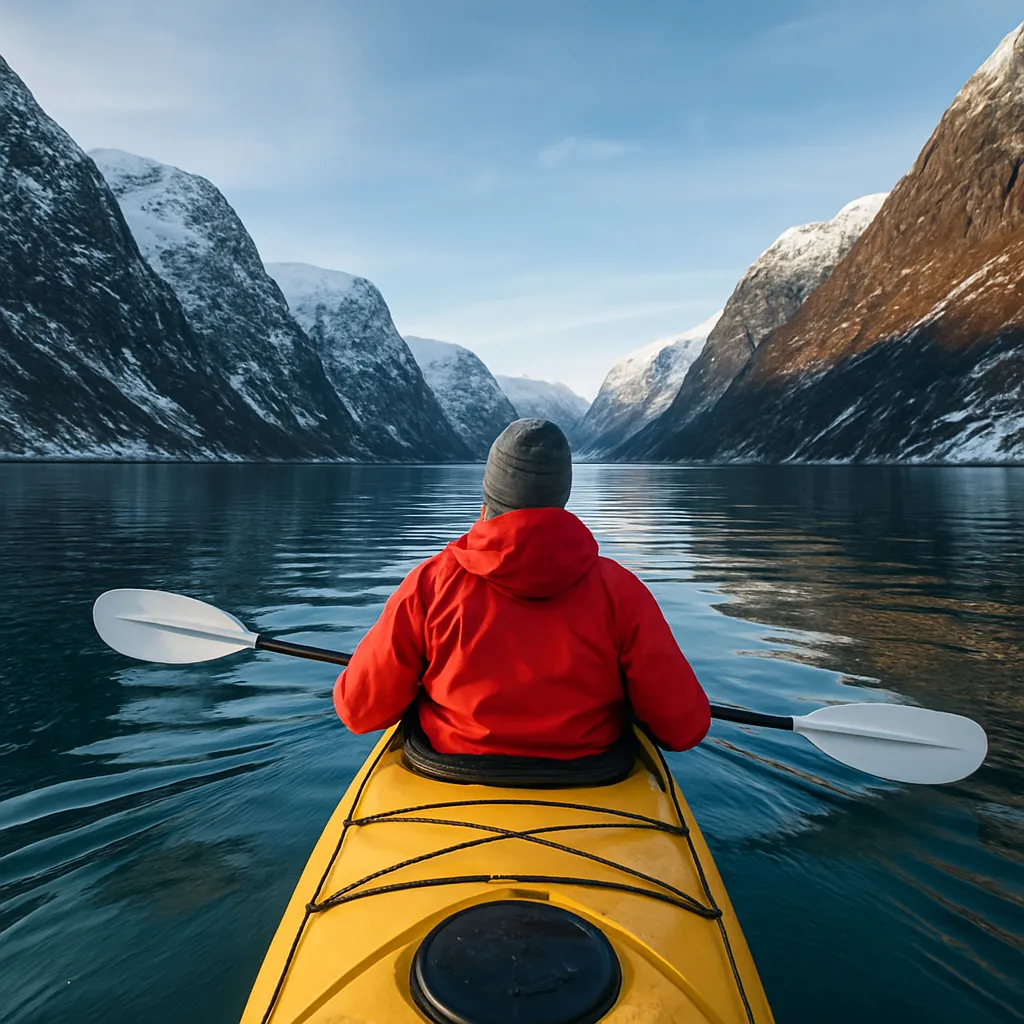
Amid the frost-laden hills and shimmering fjords of Scandinavia, winter sports transform frozen landscapes into arenas of excitement and communal celebration. While the season’s brevity amplifies the joy of each snowflake, Norwegians have mastered the art of turning **darkness** and **cold** into opportunities for exhilaration and personal growth. From cross-country skiing tracks that carve through dense forests to high-speed luge runs skirting icy peaks, the spirit of winter sports beckons both seasoned athletes and curious newcomers to embrace nature’s most challenging playgrounds.
The Allure of Winter Sports in Nordic Terrain
Norway’s topography is uniquely suited to a variety of **winter** disciplines. Rolling plateaus provide perfect cross-country routes, while jagged mountains host thrilling downhill courses. Long before artificial snow machines, communities relied on frozen waterways and snow-packed roads for transport—and it was only natural for villagers to transform necessity into recreation. Today, that heritage remains visible in both elite competitions and neighborhood gatherings.
- Cross-country skiing: Often called the backbone of Nordic winter sports, this activity combines endurance, technique, and a deep connection to the environment.
- Alpine skiing: High-speed descents test not only courage but also the mastery of **equipment** and body control on steep gradients.
- Biathlon: A fusion of cross-country skiing and marksmanship, this sport demands rigorous **concentration** even when heart rates soar.
- Ice skating and ice hockey: Reflecting a deep communal spirit, neighborhood ponds become bustling rinks under frosty skies.
- Snowboarding: Though a relatively recent addition, it captures the **innovation** and youthful energy flowing through Norway’s winter culture.
These disciplines are further enriched by **tradition**—skis over 2,000 years old have been discovered in Scandinavian peat bogs, proving that humans have long viewed snow as both a barrier and a playground. Modern athletes still feel part of that lineage each time they step onto gleaming tracks at national venues.
Embracing the Elements: Culture, Community, and Well-Being
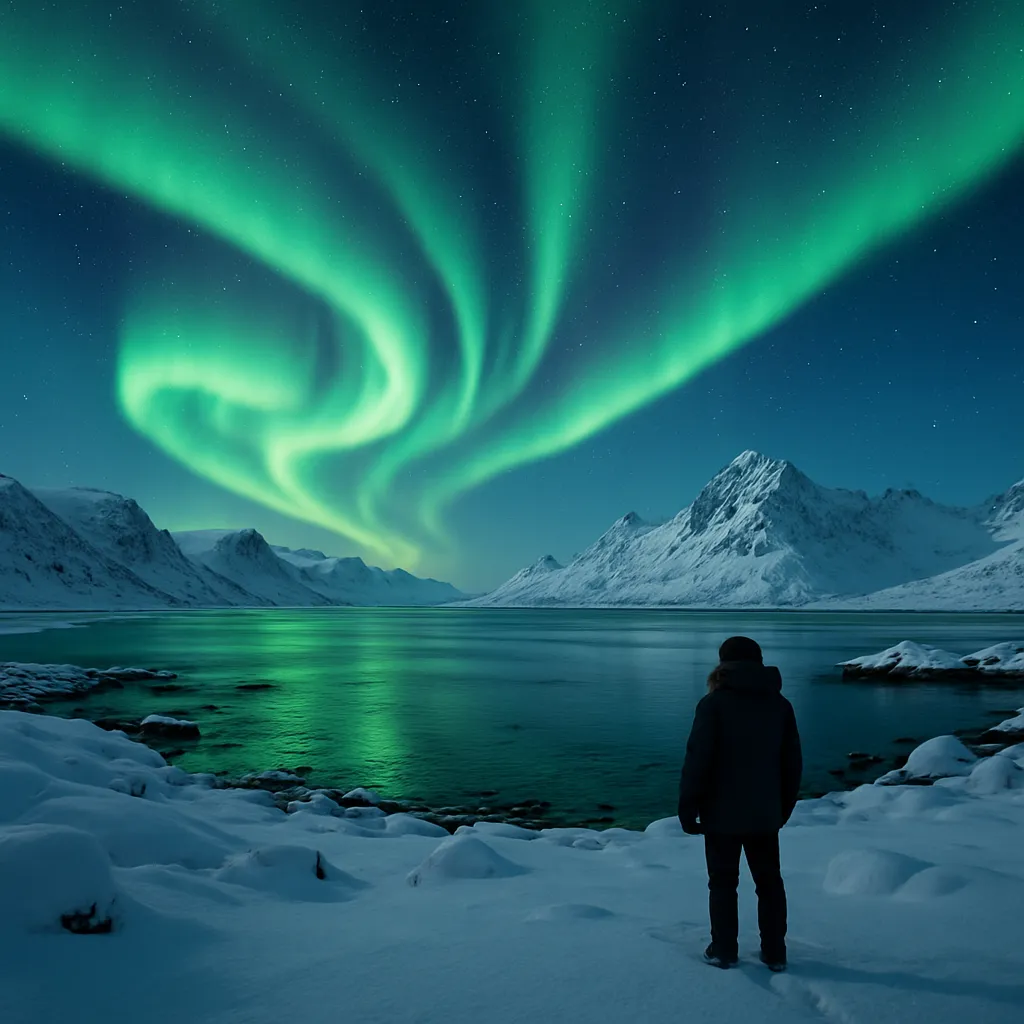
For Norwegians, winter sports are not confined to elite performance; they permeate everyday life, nurturing both **physical** and mental health. Families congregate at local ski trails, where grandparents share techniques with grandchildren, and friends snowshoe beneath the shimmering **aurora**. The bonding effect is profound—sliding side by side under tall spruce trees often eclipses the individual race for medals.
Beyond camaraderie, the season’s harshness fosters resilience. Extended hours of daylight in summer contrast sharply with winter’s muted light, teaching practitioners to appreciate each moment outdoors. Psychological studies have shown that even brief exposure to cold air and natural landscapes can reduce stress hormones, improve **mood**, and heighten focus. This holistic approach to well-being underpins Norway’s reputation for high life satisfaction, even during the longest nights.
- Community events like “ski marathons” draw thousands, from elite athletes to weekend skiers, forging a collective sense of purpose.
- Local volunteer networks maintain trails and ice rinks, ensuring that **accessibility** remains a priority across urban and rural regions alike.
- School programs introduce children to winter sports early, blending physical education with environmental awareness.
By embedding sports into daily life, Norwegians transform potential drawbacks—such as icy roads and polar darkness—into catalysts for **innovation**, cooperation, and sustained fitness. The result is a culture where individuals greet subzero temperatures not with dread, but with enthusiasm and mutual support.
Training, Technology, and Performance
Elite winter sports demand more than raw talent. Norwegian teams invest heavily in research on **hydrodynamics** for skis, aerodynamic suits, and advanced track design. Cutting-edge motion-capture labs analyze every flex of a ski boot or angle of a snowboard turn, refining technique to the millimeter. Such advances not only produce Olympic champions but also trickle down to consumer gear, so enthusiasts benefit from the latest in comfort and **durability**.
High-altitude training centers combine simulated cold chambers with specialized treadmills to mimic challenging conditions year-round. Athletes learn to regulate body temperature, optimize **oxygen** intake, and sustain speed over long distances. Meanwhile, sports psychologists work hand in hand with coaches to cultivate mental toughness—a critical asset when competition days arrive.
Innovative Gear and Equipment
- Selection of ski waxes tailored to microclimates, ensuring optimum grip in everything from soft, fresh powder to hard-packed ice.
- Lightweight carbon-fiber frames and reinforced polymers reduce fatigue and increase **responsiveness** on uneven terrain.
- Wearable tech—such as biometric sensors—monitors heart rate, muscle strain, and even wind resistance, feeding data back to coaches in real time.
Such meticulous attention to detail turns winter sports into a **science**, where fractions of a second can decide a race. Yet the Norwegian approach remains grounded: athletes are encouraged to explore nature’s unpredictability, balancing high-tech preparation with the simple joy of gliding through silent forests.
The Future of Winter Thrills and Sustainability
As climates shift and snowfall patterns evolve, the Nordic winter sports community confronts new challenges. Ski resorts implement eco-friendly snowmaking systems that recycle water and use renewable energy. Athletes advocate for **responsible** travel, promoting carpooling and public transit to remote mountains. Research is underway to develop biodegradable waxes and reduce the carbon footprint of international competitions.
Meanwhile, virtual reality simulators offer urban dwellers a taste of alpine descents, potentially expanding global interest in winter disciplines. Yet most agree that nothing compares to the crisp bite of arctic air and the feel of real snow beneath a ski edge. Balancing digital experiences with environmental stewardship will be key to preserving the authentic allure of winter sports for generations to come.
- Partnerships between sporting bodies and environmental NGOs to restore forests and protect watersheds.
- Innovative training platforms that blend real-world glaciers with interactive mapping and performance analytics.
- Community-led initiatives to build low-impact lodges using timber from sustainable sources, marrying tradition with modern eco-standards.
In Norway’s snowy realms, the future of winter sports hinges on the same values that have sustained them for centuries: respect for **nature**, a spirit of collaboration, and an unyielding passion for adventure. As each new season dawns under glassy skies and swirling snowflakes, athletes and spectators alike continue to greet the cold with a smile, proving that hardship can be transformed into pure, unbridled joy.