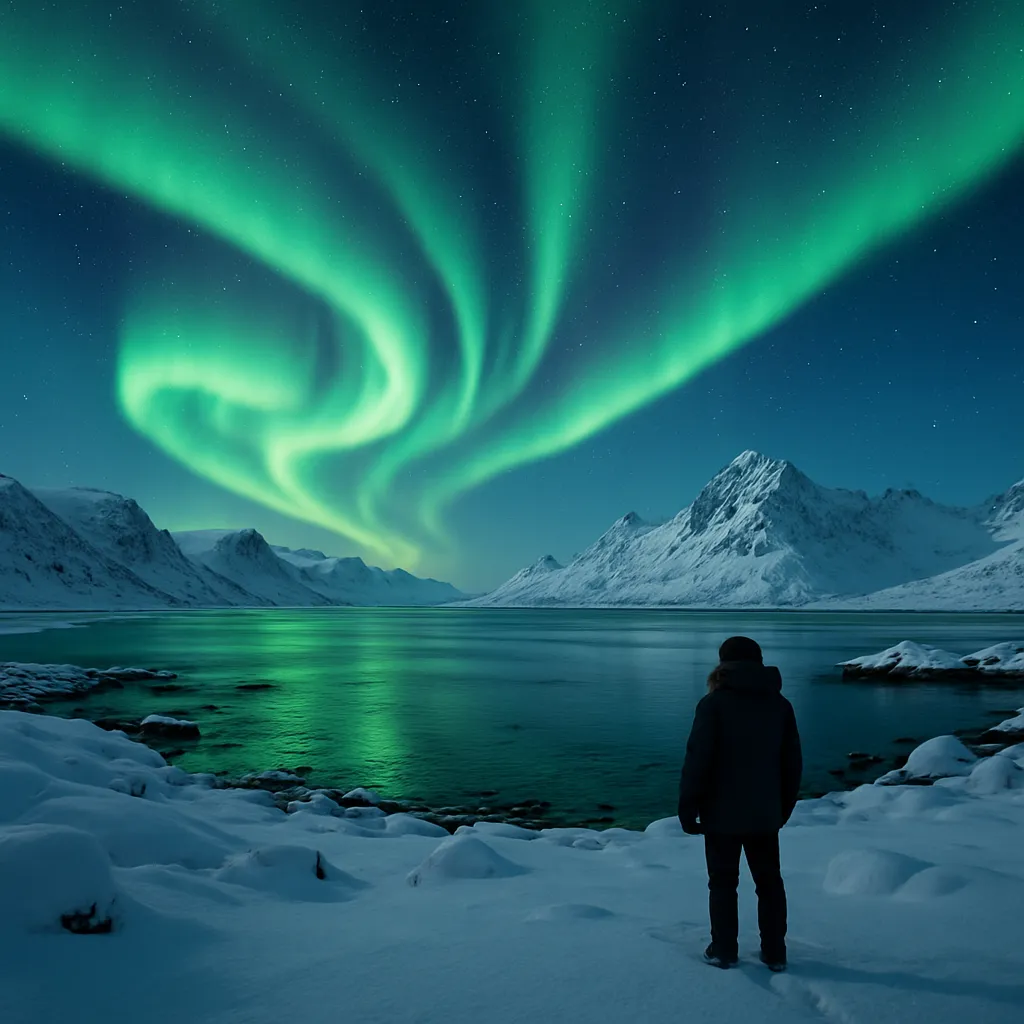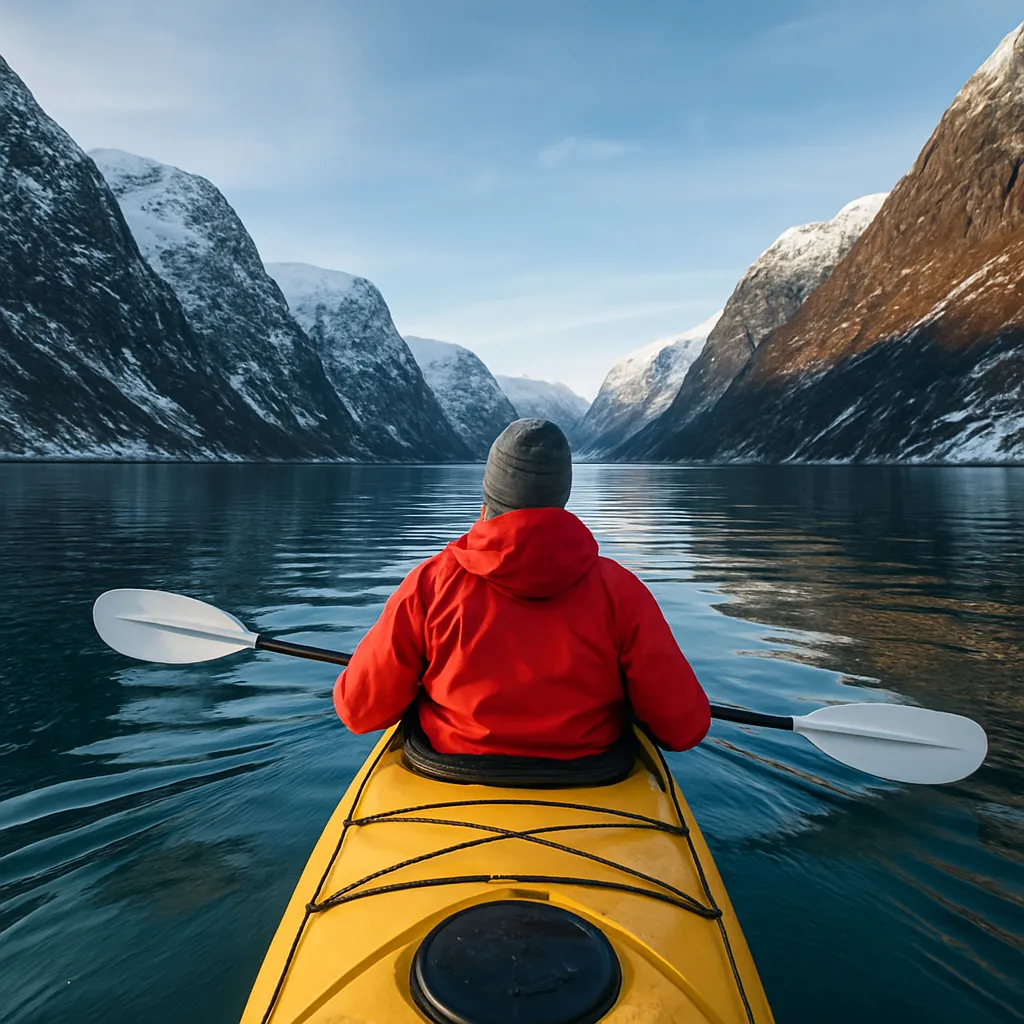
Snow-blanketed mountains offer more than just breathtaking vistas; they invite adventurers to experience the raw thrill of winter sports, testing both skill and spirit on pristine slopes. From the rush of carving down a powdery incline to the serene glide across a frozen lake, these activities blend excitement with moments of peaceful reflection. Embracing the chill, enthusiasts gear up for exhilarating days under clear blue skies, then seek cozy retreats to refuel and share stories around crackling fires.
Essential Gear for Winter Adventures
Embarking on a cold-weather excursion demands careful selection of equipment that balances warmth, mobility, and protection. A thoughtful layering system allows athletes to regulate temperature during periods of intense exertion and brief rest stops. Modern outerwear integrates technical fabrics that wick moisture away from the skin, ensuring comfort when the body’s heat spikes on steep climbs or fast descents.
- Insulated Jacket: Opt for a shell with sealed seams and breathable panels to stay dry in snowfall or high-intensity activity.
- Base Layers: Choose merino wool or synthetic blends that offer moisture management without bulk.
- Mid Layers: Fleece or lightweight down pieces provide adjustable loft for varying conditions.
- Accessories: Don a helmet, UV-protected goggles, and waterproof gloves to guard against wind chill and glare.
Footwear is equally vital—snow boots and ski or snowboard bindings must fit snugly yet allow for natural movement. Equipping your pack with essentials such as a repair kit, energy bars, and a reliable navigation device will safeguard against unexpected weather shifts or minor mishaps. Incorporating thermal gear like hand warmers and insulated socks can transform a freezing day into a comfortable outing.
Popular Winter Sports Activities
Alpine Skiing and Snowboarding
The world of downhill sports revolves around speed and precision. Carving turns through deep powder unleashes an unparalleled surge of adrenaline, while mastering edge control demands focus and refined technique. Resorts often categorize runs by difficulty—green for beginners, blue for intermediates, and black for experts—allowing visitors to progress safely along groomed trails.
Lessons with certified instructors accelerate skill development, teaching posture, weight distribution, and efficient use of poles or boards. Terrain parks add an extra dimension, featuring jumps, rails, and half-pipes for riders keen on aerial maneuvers and stylish grabs.
Cross-Country Skiing and Snowshoeing
For those seeking a full-body workout amid tranquil settings, cross-country skiing and snowshoeing reward participants with stunning panoramas and a test of stamina. These activities emphasize steady pacing and fluid movements, engaging muscles across the legs, core, and arms. Enthusiasts can traverse frozen lakes, forested corridors, and groomed tracks, embracing a workout that combines cardiovascular benefits with scenic exploration.
Groups often set out at dawn, when frost-draped branches and untouched snow amplify the sense of discovery. The challenge of maintaining balance on narrow skis or snowshoes introduces beginners to the joys of winter hiking while seasoned athletes push their endurance in timed treks or uphill intervals.
Ice Skating and Snowmobiling
While ice skating glides elegantly across frozen surfaces, snowmobiling roars with mechanical power across open fields and winding backcountry lanes. Skating offers a blend of artistry and athleticism, with options ranging from casual laps at community rinks to competitive figure and speed skating events. Participants refine balance, timing, and rhythm as they trace loops in smooth ice.
Snowmobile tours cater to thrill-seekers eager for rapid acceleration and drifting around bends. Certified guides lead riders through designated corridors, teaching throttle control and safe braking techniques. Whether carving fresh powder or exploring remote valleys, these motorized machines highlight the diversity of winter sports experiences.
Embracing the Local Culture
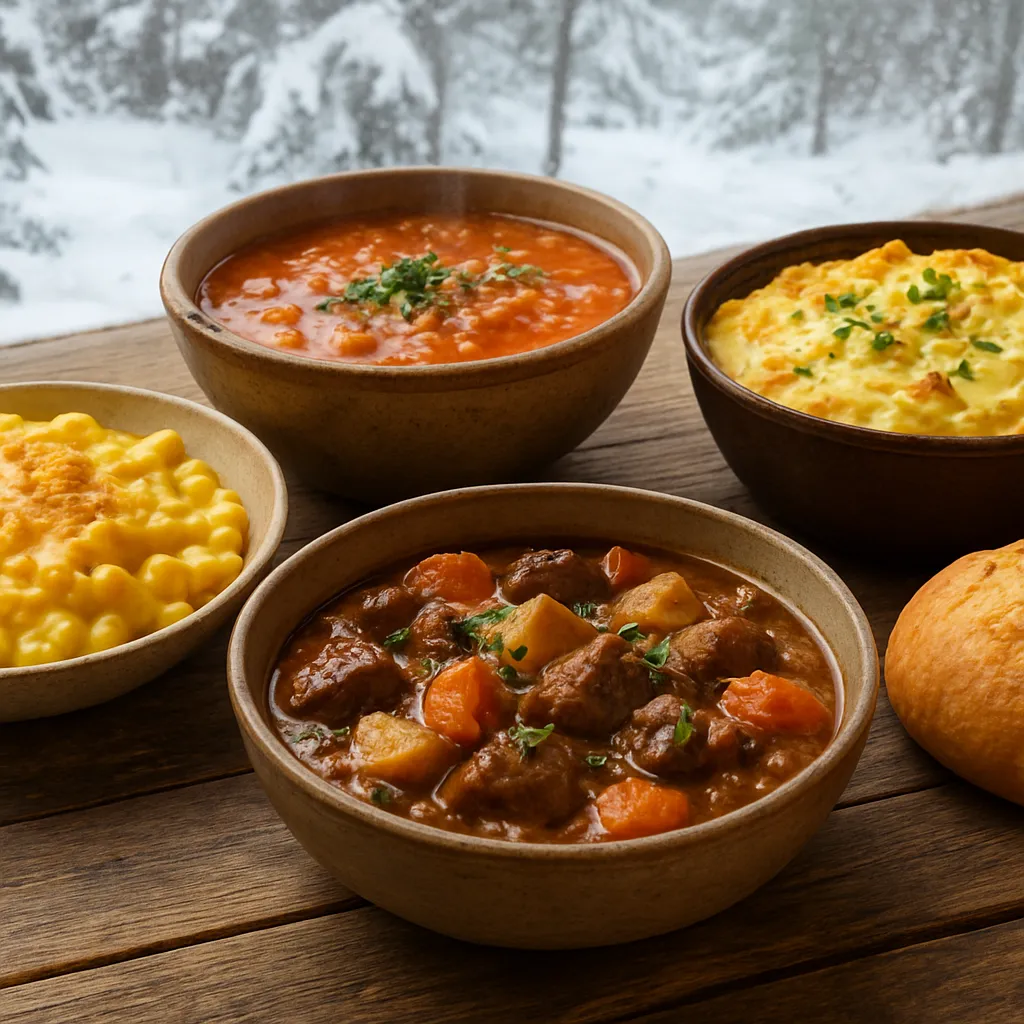
After conquering frosty peaks, athletes often gather in charming lodges or town squares to savor regional flavors and the vibrant après-ski scene. Local eateries showcase hearty fare designed to replenish energy and spark conversation. From steaming bowls of soup to rustic casseroles, each dish tells a story of tradition and resourcefulness in cold climates.
- Cheesy Savory Fondue: Melted cheese blends with garlic and white wine, perfect for dipping cubes of artisan bread.
- Spiced Meat Stews: Slow-cooked game or beef with root vegetables provides comfort and protein.
- Sweet Porridge and Mulled Beverages: Warm grains drizzled with honey and cinnamon pair beautifully with fruit-infused glühwein or hot cider.
Sampling local delicacies deepens one’s connection to the region, revealing how communities adapt to long winters. Rustic bakeries serve freshly baked bread and pastries, while craft breweries experiment with seasonal spices and malts. Encouraging conversation among visitors and residents alike, these gatherings cement friendships forged on the slopes and trails.
Many towns host festive markets under twinkling lights, where handcrafted woolen goods and wooden toys line vendor stalls. Visitors can purchase custom-fitted mittens or carved ornaments, bringing home a piece of mountain hospitality and local culture that warms memories long after the snow melts.
Safety Tips and Best Practices
Prioritizing safety is essential in any winter environment, where conditions can change rapidly. Before setting out, review weather forecasts and avalanche bulletins to identify potential hazards. Register proposed routes with resort offices or park rangers, ensuring that rescue teams know your itinerary.
- Avalanche Awareness: Carry a beacon, probe, and shovel if venturing off-piste; practice search drills regularly.
- Buddy System: Never explore remote areas alone—maintain visual or vocal contact with companions.
- First Aid Preparedness: Include a compact kit stocked with bandages, pain relievers, and blister care items.
- Hydration and Nutrition: Cold temperatures mask dehydration; sip water frequently and snack on high-calorie foods.
Respect trail closures and signage to protect fragile ecosystems and prevent accidents. Wildlife encounters—whether spotting a deer silhouetted against white ridges or distant birdcalls—enrich the adventure but require a respectful distance. By combining proper gear, local knowledge, and mindful practices, winter sports enthusiasts can enjoy exhilarating challenges while safeguarding personal well-being and the pristine environments they cherish.