Winter sports offer an exhilarating blend of adrenaline, skill, and natural beauty. From gliding across frozen lakes to carving down snow-covered mountains, each activity presents unique challenges and rewards. This comprehensive article explores a variety of disciplines, the equipment and safety considerations that come with them, and the broader cultural and environmental aspects of enjoying the cold season.
Alpine Skiing: The Thrill of the Slopes
Alpine skiing remains one of the most popular winter sports worldwide. Participants descend groomed runs or venture into untouched backcountry terrain, relying on sharp turns and calculated control to navigate steep hills.
Key Techniques and Styles
- Carving turns: Using the ski edges to slice fresh arcs into the snow.
- Short-radius turns: Quick, tight movements for steep or narrow trails.
- Moguls: Absorbing bumps with agile knees and precise timing.
To master these techniques, skiers focus on balance, edge pressure, and body positioning. Coaches often emphasize the “ready stance,” a slightly crouched posture that enhances stability and control.
Essential Equipment
- Skis: Shaped differently for groomed runs versus powder.
- Bindings: Adjustable to prevent injury during falls.
- Boots: Rigid support boots for precise transfer of movement.
- Poles: Aid rhythm, timing, and momentum on varied terrain.
Quality gear can make a dramatic difference. Advanced skiers look for lightweight carbon materials, while beginners benefit from forgiving, softer designs.
Popular Ski Destinations
- Alps (France, Switzerland, Austria) – Iconic resorts and high elevations.
- Rocky Mountains (USA, Canada) – Varied terrain and deep powder.
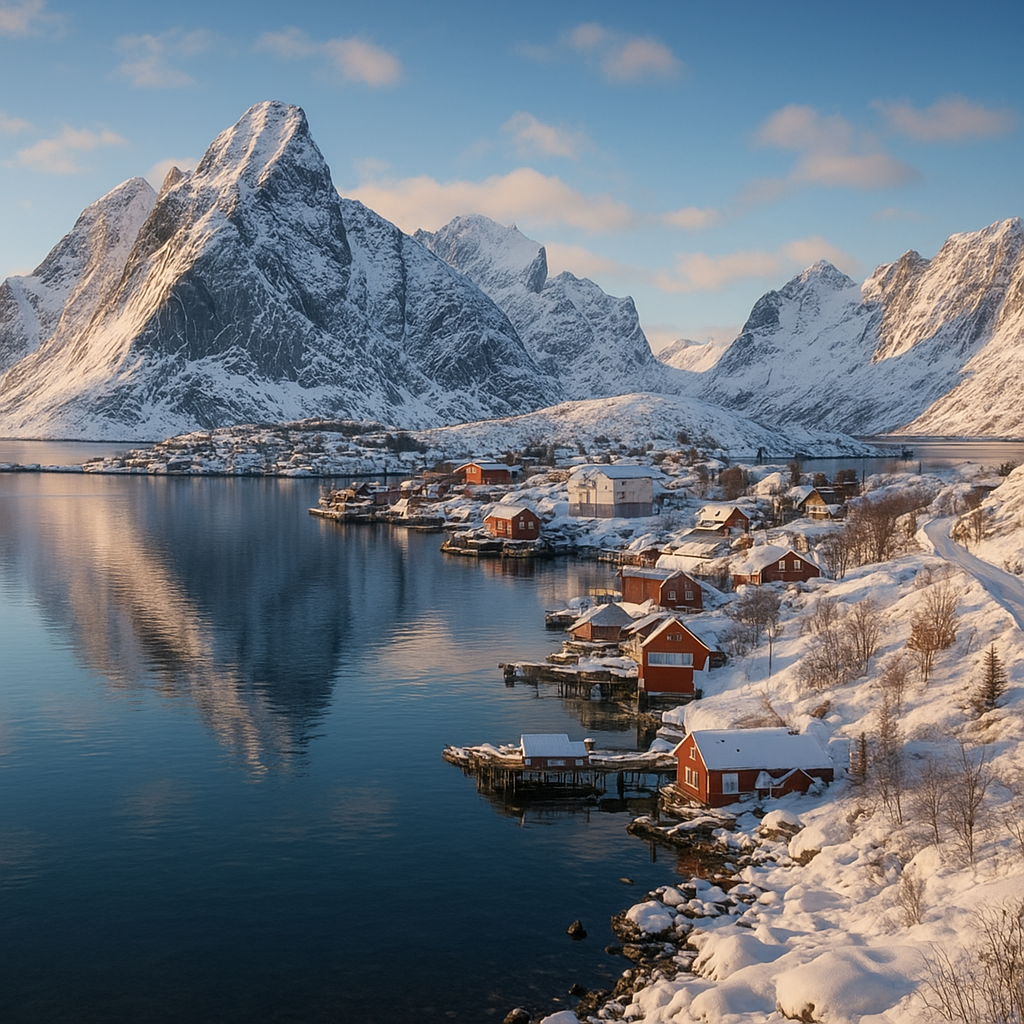
- Scandinavia – Northern lights, cold climate, and fewer crowds.
Whether seeking high-altitude challenges or serene forested slopes, these regions cater to every skill level and aesthetic preference.
Cross-Country Skiing: Endurance and Scenery
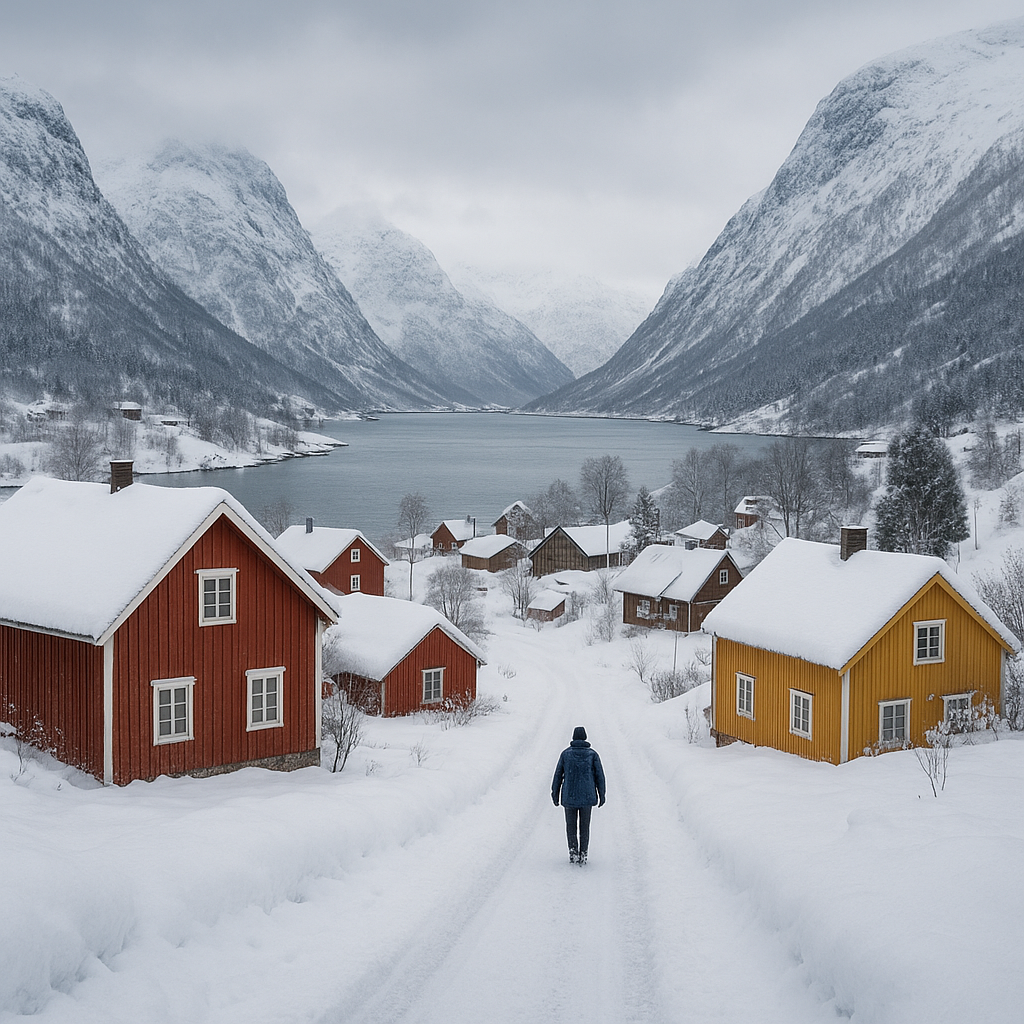
Often called Nordic skiing, cross-country demands endurance and rhythm rather than steep descents. Trails wind through open fields, dense forests, and frozen lakes, offering an intimate connection with winter landscapes.
Classic vs. Skate Technique
- Classic: Skis track parallel in prepared grooves, mimicking a walking or gliding motion.
- Skate: Skis push off laterally, resembling ice skating for faster speeds.
Beginners usually begin with the classic style, developing efficient poling and leg push. Skate skiing requires strong ankles and perfect timing between arms and legs.
Health Benefits
- Cardiovascular fitness: Sustained effort elevates heart rate for extended periods.
- Full-body workout: Engages arms, core, and lower body in coordinated motion.
- Low impact: Softer on joints compared to running or high-impact sports.
This discipline promotes resilience and mental well-being, as participants navigate tranquil snow-covered terrains and breathe crisp winter air.
Trail Etiquette and Preservation
Cross-country trails often traverse sensitive ecosystems. Skiers should:
- Stay on marked tracks to protect vegetation beneath the snow.
- Avoid loud noises to maintain wildlife peace.
- Pack out all waste and avoid contaminating water sources.
Respect for nature ensures pristine conditions for future adventurers and preserves habitats for winter fauna.
Snowboarding: Gravity and Style
Since its rise in the 1980s, snowboarding has evolved into a cultural phenomenon, combining creativity with speed. Riders perform jumps, slides, and spins in terrain parks or carve powder bowls in the backcountry.
Freestyle vs. Freeride vs. Alpine
- Freestyle: Tricks on rails, jumps, and halfpipes requiring precision and flair.
- Freeride: Natural terrain, steep chutes, and tree runs emphasizing adaptability.
- Alpine (Carving): Focus on high-speed, banked turns on groomed pistes.
Choosing a style shapes board design: twin tips for tricks, directional boards for powder, and stiff narrow shapes for carving.
Safety and Progression
- Protective gear: Helmets, padded jackets, and impact shorts to prevent injuries.
- Progression parks: Beginner-friendly jumps and features for skill building.
- Lesson programs: Professional coaching accelerates mastery of fundamentals.
Confidence comes from gradual challenges. Riders learn to gauge speed, angle entries, and land smoothly, nurturing a lifelong passion for this expressive sport.
Ice Skating and Hockey: Grace and Competition
Skating on ice demands balance and agility, whether gliding gracefully on a rink or chasing a puck in fast-paced hockey matches.
Figure Skating: Art on Ice
- Jumps: Axel, Lutz, and Salchow require precise timing and strong leg drive.
- Spins: Centripetal force balances speed and body position.
- Footwork: Complex steps woven into choreography set to music.
Figure skaters blend athleticism with artistic expression, often training for years to perfect a single jump combination or transition.
Ice Hockey: Team Strategy
- Positions: Forwards drive offense, defensemen protect the zone, goalies guard the net.
- Skills: Stickhandling, shooting, passing, and body checking create a dynamic contest.
- Game flow: Rapid shifts on ice demand constant situational awareness.
Hockey players develop agility and split-second decision-making as they coordinate plays and adapt to opponents’ moves.
Safety, Gear, and Environmental Responsibility
Regardless of chosen activity, proper equipment and awareness of potential hazards are paramount. Here are universal guidelines to maximize safety and minimize environmental impact:
Layering and Insulation
- Base layer: Moisture-wicking fabrics to keep skin dry.
- Insulating layer: Fleece or lightweight down for warmth.
- Shell: Waterproof, breathable outerwear to block wind and snow.
Protective Accessories
- Helmets: Essential for skiing, snowboarding, and hockey to prevent head injuries.
- Goggles: Shield eyes from glare, wind, and debris.
- Gloves: Insulated and waterproof to maintain dexterity.
Avalanche Awareness and Backcountry Protocols
- Training courses: Learn to identify unstable snow layers and terrain traps.
- Equipment kits: Transceiver, probe, and shovel for rescues.
- Group communication: Establish clear signals and stay within sight.
Preparation and knowledge can save lives when exploring unpatrolled mountain areas.
Minimizing Environmental Footprint
- Eco-friendly wax and lubricants: Avoid toxic chemicals that leach into waterways.
- Responsible travel: Carpool or use public transport to reduce carbon emissions.
- Leave no trace: Pack out litter and respect wildlife habitats.
Embracing sustainable practices ensures that winter landscapes remain unspoiled for generations to come, allowing everyone to experience the pure joy of snow and ice.