Embarking on a **thrilling** journey under the Arctic sky, night skiing in Norway offers a truly **unique** blend of **adventure**, culture, and natural beauty. As sunlight fades and the slopes transform into a **starlit** playground, skiers and snowboarders can chase the dancing **auroras**, carve pristine turns, and feel the rush of **adrenaline** against the crisp winter air. This guide explores everything from the ideal destinations to essential **gear**, safety considerations, and insider tips to make your nocturnal excursion an **unforgettable** experience.
The Night Skiing Experience Across Norwegian Highlands
Norway’s rugged landscapes and extended winter nights create ideal conditions for night skiing. Beyond the sheer landscapes of towering peaks and deep fjords, you’ll find a cultural embrace of winter sports that dates back centuries. Locals and visitors alike gather in cozy lodges, share stories over hot chocolate, and head out after dark to enjoy the slopes when they’re virtually empty.
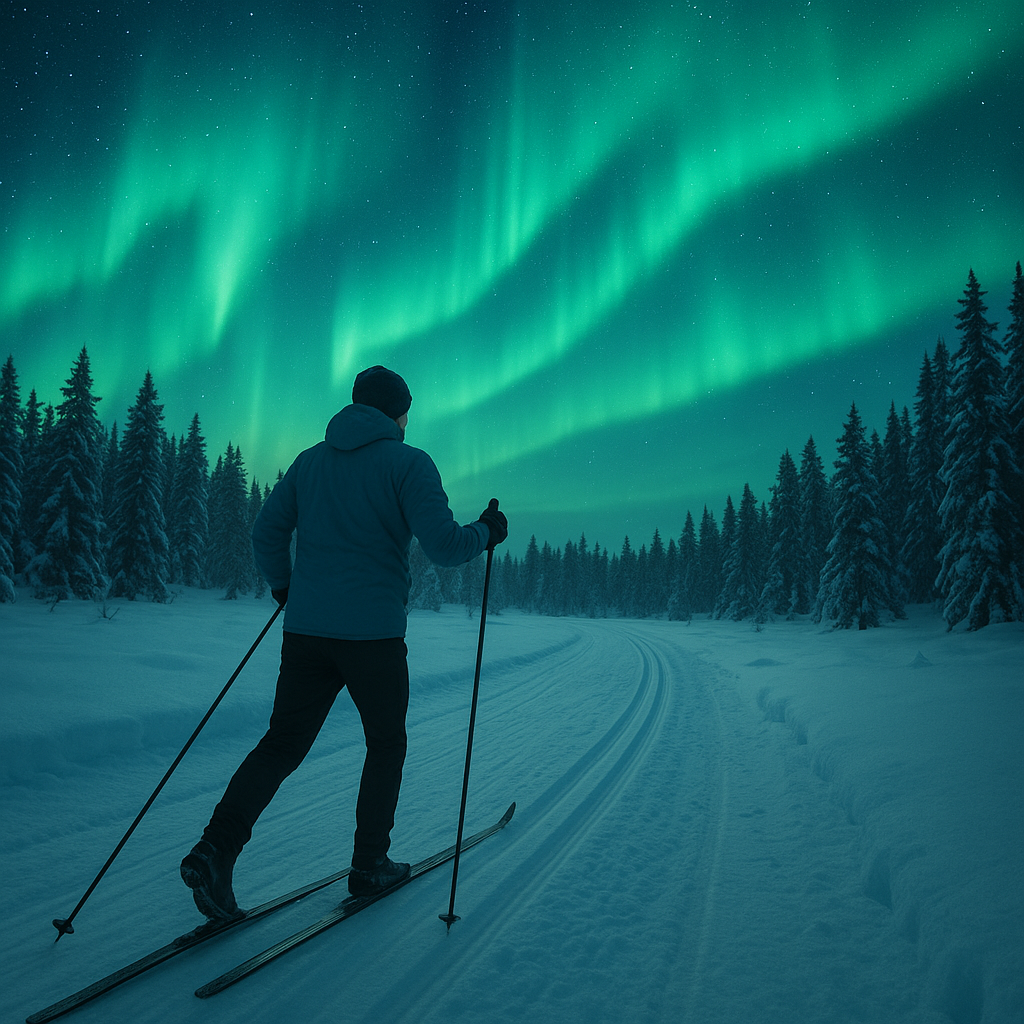
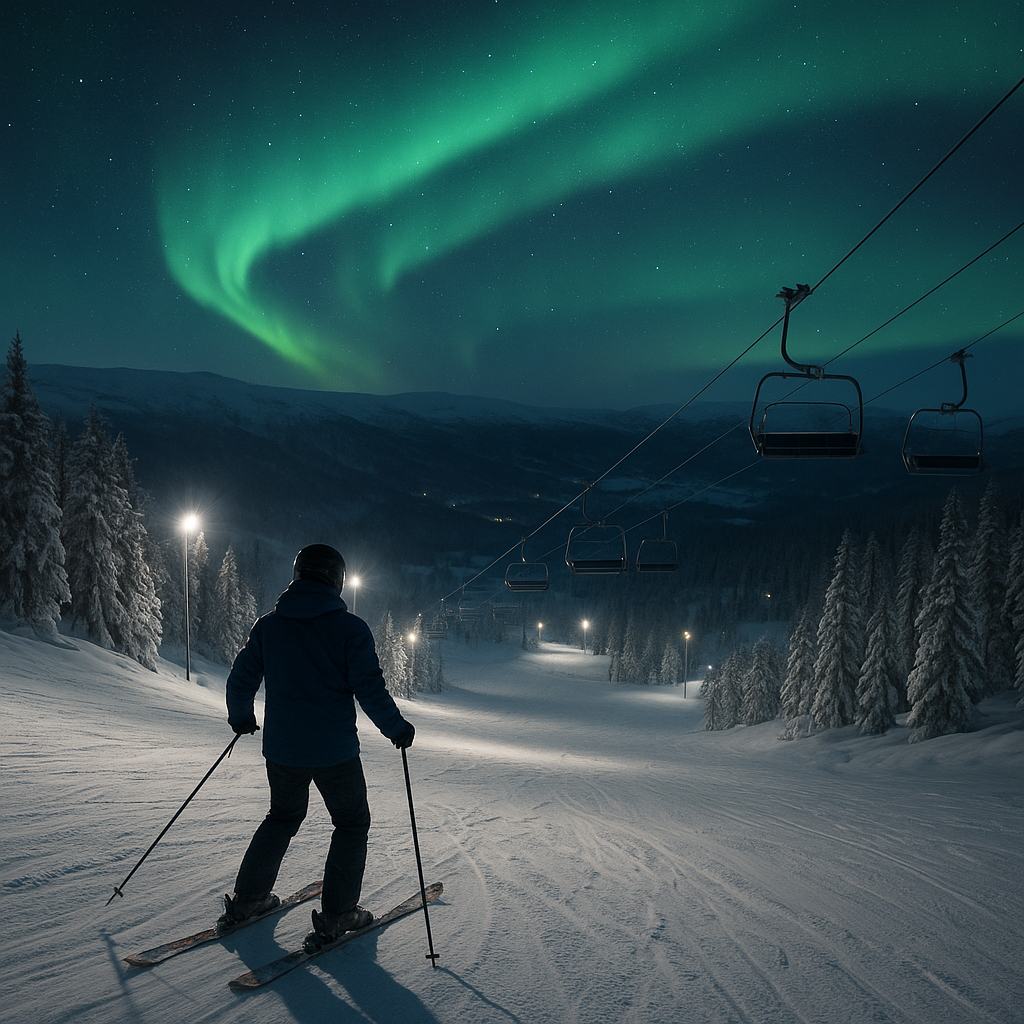
The thrill of gliding through softly illuminated trails is heightened by the possibility of catching the Northern Lights overhead. This interplay of skiing and nature forms a **magical** tapestry—a sensory experience where crisp snow crunches beneath your skis and an otherworldly glow dances across the sky. Regions such as Tromsø, Røros, and Hemsedal boast extended hours of operations through high-powered floodlights, ensuring exceptional **visibility** even in the deepest of Norwegian winters.
Essential Equipment and Safety Measures
Choosing the Right Gear
- Headlamps and Helmet Lights: A reliable beam is crucial for reading the contours of the snow and avoiding hidden obstacles.
- High-Contrast Goggles: Opt for lenses that enhance depth perception in low light, improving your ability to spot lumps or icy patches.
- Layered Clothing: Moisture-wicking base layers, insulating mid-layers, and waterproof shells help regulate body temperature as you exert energy under the cold night sky.
- Avalanche Safety Kit: Carry a beacon, probe, and shovel. Even on groomed trails, sudden wind shifts can create unexpected drifts or unstable cornices.
Safety Protocols
While night skiing presents an **immersive** thrill, it also requires heightened awareness. Beginners should stick to patrolled and floodlit pistes. For off-piste enthusiasts, always check local avalanche bulletins and travel with a guide or in a group. Establish clear communication signals, stay within sight of companions, and know your physical limits to prevent fatigue-related mishaps.
Mountain rescue teams across Norway maintain a rapid-response protocol during opening hours. However, in remote valleys, response times can be longer. Ensuring a fully charged mobile phone, GPS locator, and knowledge of the nearest emergency contact numbers could make all the difference in adverse situations.
Top Resorts and Trails for Nocturnal Adventures
Norway’s ski resorts vary in size and character, but a handful stand out for their commitment to night skiing:
- Hemsedal: Often dubbed the “Scandinavian Alps,” Hemsedal offers more than a dozen floodlit slopes, catering to both **terrain** park enthusiasts and lovers of long cruiser runs.
- Trysil: Norway’s largest ski area, Trysil boasts extensive lighting on its beginner to intermediate trails, making it perfect for families and novices seeking a safe night ride.
- Tromsø: Located well north of the Arctic Circle, this destination combines city life with spectacular coastal runs. The stark contrast between the midnight sky and the bright slopes is simply unforgettable.
- Røros: A UNESCO World Heritage town where historic charm meets modern floodlight systems. Its small but **scenic** slopes offer an intimate atmosphere and spectacular views of traditional wooden architecture.
- Geilo: Midway between Oslo and Bergen, Geilo’s extensive lighting keeps almost all its pistes accessible after dark, complemented by a lively village atmosphere.
Photography and Aurora Hunting on the Slopes
Combining **photography** with night skiing allows you to capture the ethereal glow of trailing headlamps against the vibrant auroras. Use a DSLR or mirrorless camera with manual settings:
- Set a wide aperture (f/2.8 or lower) to gather as much light as possible.
- Use a high ISO setting—but balance it to avoid excessive noise.
- Employ a sturdy tripod or monopod during breaks to frame the sky without motion blur.
Patience and timing are key. Plan your breaks on open runs where the horizon is visible, giving the best vantage point for aligning the slope angle with the Northern Lights. Remember to dress warmly during these stationary sessions and to protect your camera gear from condensation.
Tips for Maximizing Fun and Minimizing Risks
- Start Early in the Season: Fresher snow and quieter trails often appear in early winter, before the holiday crowds arrive.
- Book Guided Tours: Local guides know the safest routes and prime spots for aurora sightings, elevating your nighttime adventure.
- Stay Hydrated and Fueled: The cold can mask dehydration. Carry energy bars and warm beverages to maintain stamina.
- Check Weather Forecasts: Sudden temperature swings can affect snow quality and lighting conditions. Local meteorological services in Norway provide detailed alpine forecasts.
- Respect the Environment: Keep to marked trails to protect fragile tundra ecosystems that lie just beneath the snow.
Night skiing in Norway remains one of the world’s most **extraordinary** winter experiences. By arming yourself with the right knowledge, respecting safety guidelines, and immersing in the local traditions, you’ll enjoy a safe, **energizing**, and utterly **memorable** adventure beneath the Northern sky.