Winter brings a magical transformation to landscapes, coating forests, mountains, and plains in a pristine blanket of snow and ice. For enthusiasts of cold-weather adventures, nothing thrills like gliding across a frozen lake or carving sharp turns down a powder-covered slope. This article explores a range of exhilarating winter sports and activities, delving into their history, essential gear, safety considerations, and tips for maximizing enjoyment. Whether you’re a seasoned veteran or a newcomer to the glacial playground, discover how to embrace the season with skill, passion, and respect for nature’s wonder.
Alpine Skiing: Mastering the Slopes
Alpine skiing rests at the forefront of popular winter sports, offering a potent mix of speed, technique, and breathtaking scenery. Enthusiasts flock to mountainous resorts around the world to tackle runs ranging from gentle beginner slopes to expert-level chutes that demand unwavering focus.
The Evolution of Downhill Skiing
The origins of downhill skiing can be traced back to Scandinavia, where inhabitants used primitive wooden skis to traverse snowy terrain. By the early 20th century, innovations in binding mechanisms and steel edges ushered in a new era of precision and control. Today’s carving skis, with their parabolic shape, allow skiers to engage the snow with unparalleled speed and agility.
Essential Equipment
- Skis: Choose width and length based on skill level and preferred terrain. Wider skis excel in deep powder, while narrow skis perform best on groomed runs.
- Boots: A snug fit is crucial for transmitting movements effectively. Look for models with customizable liners and adjustable buckles.
- Bindings: Must be correctly adjusted to release under stress to prevent injury.
- Pole Selection: Length and grip style impact balance and rhythm.
Technique and Training
Successful alpine skiing hinges on mastering weight distribution, edge control, and body positioning. Key drills include:
- Side Slips – Practice sliding sideways down the slope to enhance edge awareness.
- Garlands – Execute partial turns to build confidence before committing to full arcs.
- Short Turns – Improve quick reflexes and agility by repeatedly turning in tight radii.
Consistency in training fosters muscular endurance, while balance exercises—such as one-legged squats—hone the subtle shifts needed for dynamic Carving.
Nordic Skiing: Embracing Endurance
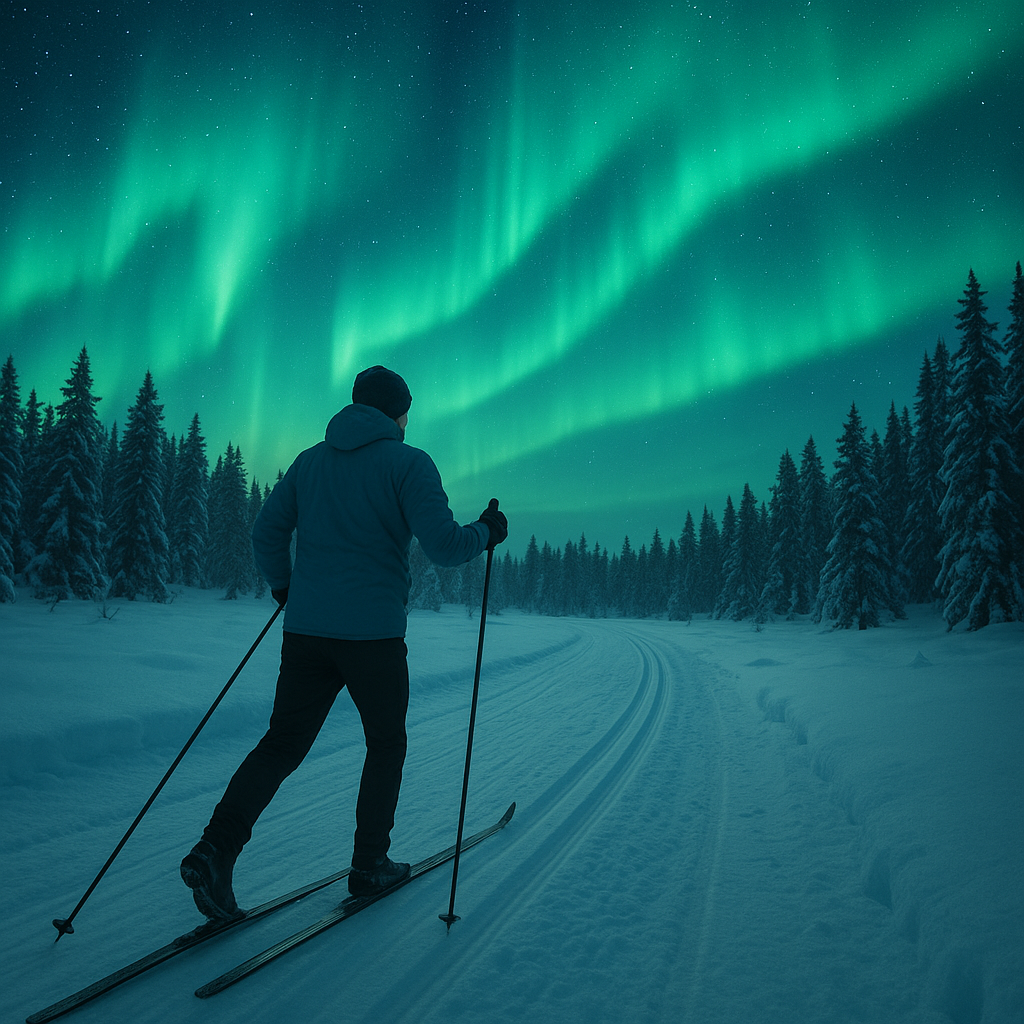
Nordic skiing, encompassing both cross-country and ski jumping disciplines, prioritizes endurance and efficient momentum over steep descents. Whether traversing winding trails through dense forests or competing in biathlon, practitioners enjoy a full-body workout and intimate communion with winter scenery.
Cross-Country Skiing Styles
Two primary techniques define cross-country skiing:
- Classic Style – Skis remain parallel, sliding in pre-set tracks. Focuses on rhythm and forward drive.
- Skate Style – Resembles ice skating, with a V-shaped push-off that generates greater speed and acceleration.
Gear and Preparation
- Skis and Boots – Classic skis are longer for glide, while skate skis are stiffer for lateral push. Boots must offer firm ankle support.
- Poles – Slightly taller than alpine poles to facilitate powerful poling action.
- Waxing – Proper waxing enhances glide in variable snow conditions; kick wax is crucial for classic technique.
Training Regimens
Endurance athletes benefit from interval workouts, alternating between moderate and high-intensity efforts. Strength sessions targeting the core and upper body—via pull-ups and medicine ball throws—bolster poling power. Additionally, regular flexibility routines reduce the risk of strains during prolonged excursions.
Snowboarding: Defying Gravity
Since its emergence in the 1960s, snowboarding has surged in popularity, capturing a youthful spirit and creative flair. With its emphasis on balance, style, and technical tricks, snowboarding transforms the slopes into a canvas for self-expression.
Types of Boards and Riding Styles
- Freestyle – Focuses on jumps, rails, and half-pipes. Boards are shorter with a twin-tip design for riding switch.
- All-Mountain – Versatile boards that handle groomers, trees, and occasional park features.
- Freeride – Built for deep powder and backcountry terrain. Wider and stiffer for flotation and stability.
Key Techniques
Successful snowboarders cultivate strong edge control and weight shifts. Foundational drills include:
- Falling Leaf – Traverse down the slope alternating heel and toe edges to learn controlled sliding.
- Jumps and Ollies – Practice springing off small rollers to develop pop and airtime.
- Rail Tricks – Start with simple 50-50 slides before progressing to boardslides and presses.
By blending consistent practice with video analysis, riders refine their movements, achieving greater fluidity and resilience against falls.
Alternative Winter Sports: Beyond the Usual
Winter sports enthusiasts often seek fresh challenges beyond the mainstream. These alternative activities tap into unique aspects of snow and ice, presenting new ways to connect with nature.
Ice Climbing
Scaling frozen waterfalls and ice-covered rock faces demands specialized tools—crampons, ice axes, and protective clothing. Ice climbing combines technical prowess with mental fortitude, as climbers analyze ice quality and anchor points, ensuring every swing and step leads upward safely.
Fat Biking
Cycling on snow-packed trails becomes feasible with fat bikes, equipped with oversized tires that distribute weight and offer exceptional traction. Riders navigate backcountry corridors and groomed loops, enjoying a unique interplay of speed and stability on wintry paths.
Snowshoeing and Winter Hiking
For those who prefer a quieter pace, snowshoeing opens access to remote wilderness areas. Modern snowshoes utilize lightweight frames and ergonomic bindings, reducing fatigue. Combining this with proper layering and navigation skills transforms any outdoor excursion into an immersive winter exploration.
Gear, Safety, and Environmental Considerations
No matter the chosen activity, adequate equipment and mindfulness toward safety are paramount. Adventurers should always consider the following:
Layering and Clothing
- Base Layers – Moisture-wicking fabrics keep skin dry.
- Insulating Layers – Fleece or down retain heat.
- Outer Shell – Waterproof and breathable materials protect against wind and snow.
Protective Gear
- Helmets – Crucial for all downhill and gliding sports to prevent head injuries.
- Goggles – Shield eyes from glare, wind, and debris.
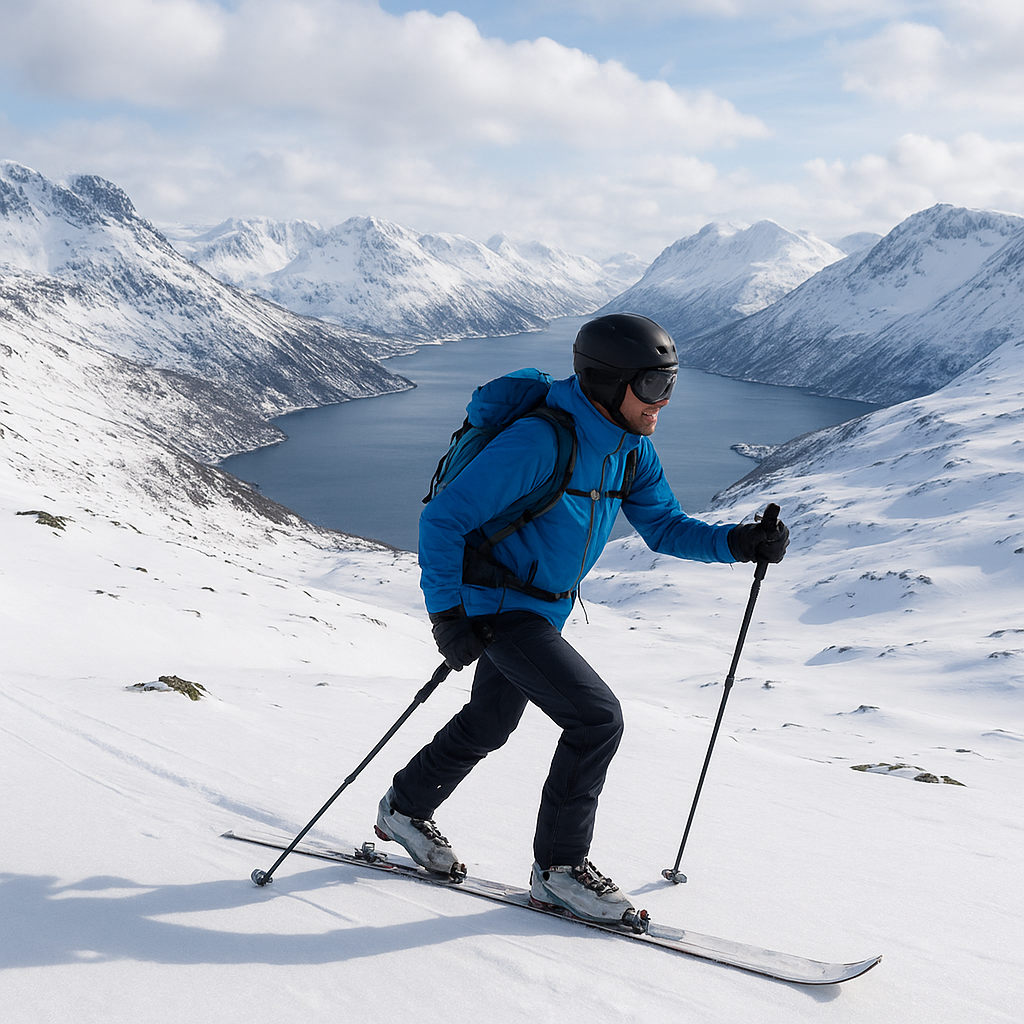
- Backcountry Safety Kits – Include avalanche transceivers, shovels, and probes for off-piste adventures.
Environmental Stewardship
Engaging with winter sports comes with the responsibility to preserve fragile ecosystems. Follow leave-no-trace principles by:
- Staying on designated trails.
- Avoiding wildlife disturbances.
- Properly disposing of waste, including old waxes and packaging.
Mental and Physical Preparation
Cold-weather activities impose unique demands on the body and mind. Prioritize adequate sleep, hydration, and nutritional intake to maintain endurance and focus. Mental preparation—visualizing routes, understanding weather patterns, and developing calm decision-making—enhances both enjoyment and safety.
Planning Your Next Winter Adventure
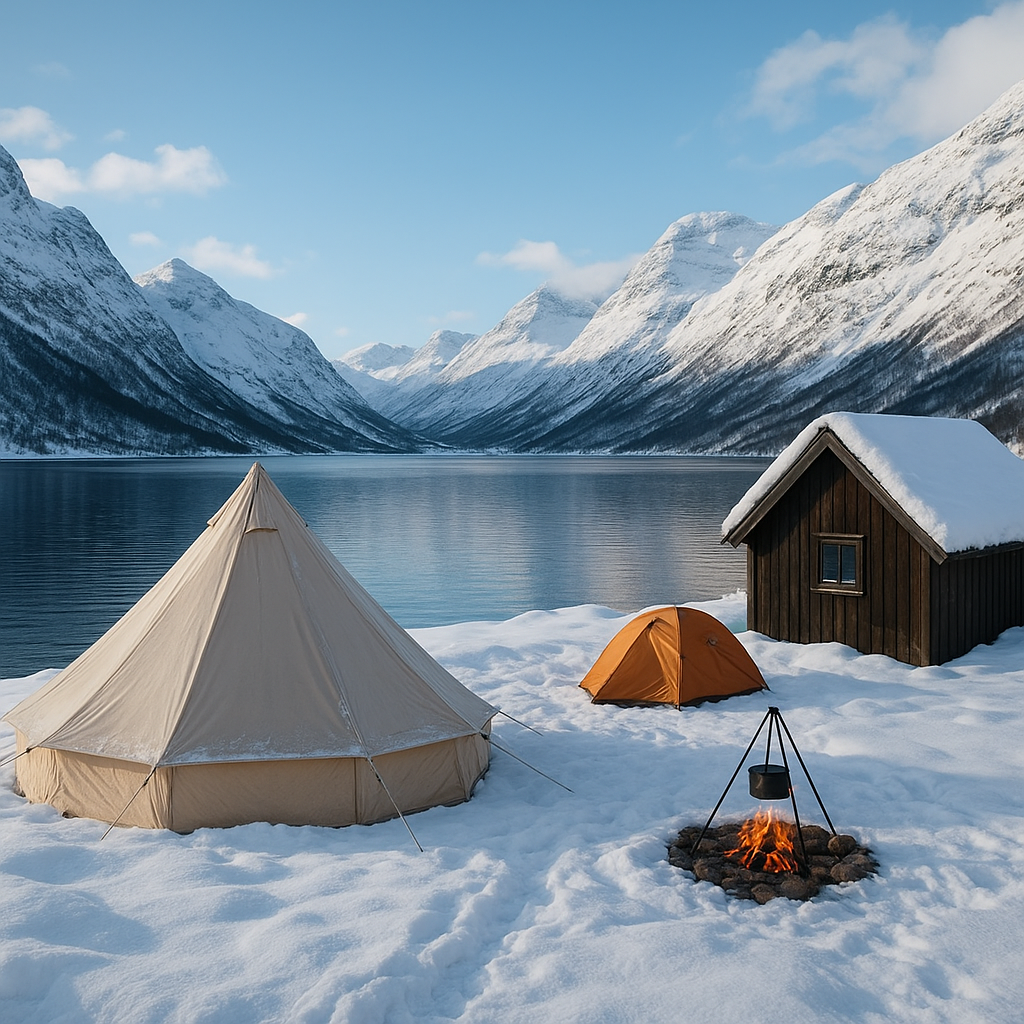
Selecting the ideal destination hinges on your preferred pursuits and skill level. Renowned resorts in the Alps, Rockies, and Scandinavia offer world-class infrastructure for alpine skiing and snowboarding. For a more intimate encounter, national parks and backcountry lodges deliver unparalleled solitude and pristine trails. No matter where you venture, embrace the spirit of exploration, challenge yourself with new techniques, and forge lasting memories amidst the silent majesty of winter’s embrace.