Exploring the world of winter sports opens up a realm of adventure and adrenaline like no other. From the thrill of carving through fresh powder to the serene beauty of frost-covered forests, cold-weather activities offer diverse experiences for all levels of enthusiasts. Whether you seek heart-pounding speed or quiet communion with nature, there is a discipline to match every taste and aspiration.
Alpine Skiing: Speed and Skill on the Slopes
Mastering the Descent
Alpine skiing remains one of the most popular winter sports, drawing millions of participants to mountain resorts each season. This discipline combines gravity-driven velocity with precise turns, requiring skiers to refine their balance and technique on groomed trails or off-piste terrain. Beginners often start on gentle bunny hills, progressing to steeper slopes as confidence grows.
Key aspects of alpine skiing include:
- Edge control, which determines how sharply you can carve turns.
- Body positioning, crucial for shifting weight and staying centered.
- Speed management, achieved through turning and controlled skidding.
- Equipment selection, from ski length to boot stiffness, tailored to skill level.
Advanced skiers seek out varied terrain—moguls, terrain parks, and powder runs—to challenge themselves further. Many resorts now offer night skiing under floodlights and specialized freestyle zones for jumps and rails. Mastering the descent on different track conditions elevates the sport from mere recreation to true athletic pursuit.
Cross-Country Skiing and Cabin-to-Cabin Journeys
Planning Your Route
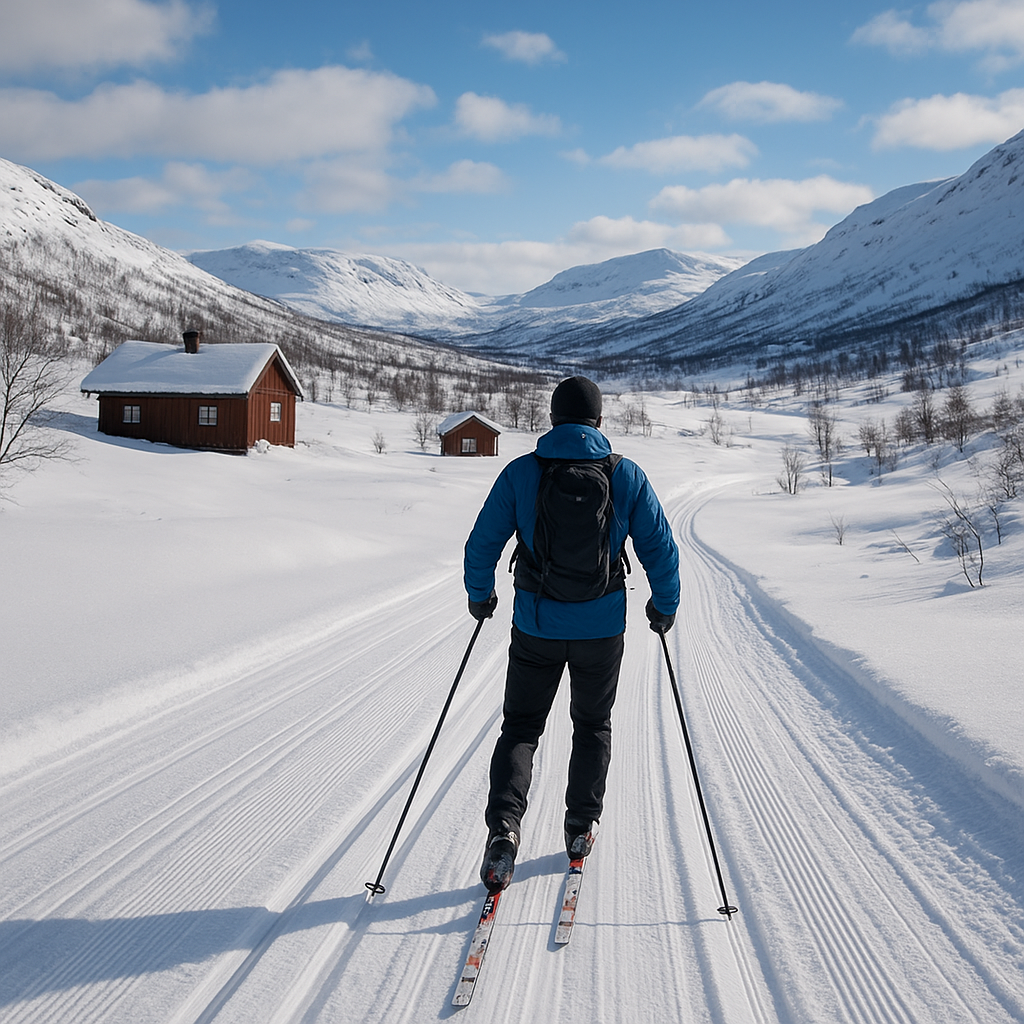
Cross-country skiing is celebrated for its endurance demands and breathtaking vistas. Unlike alpine skiing, this form relies purely on human power, gliding across groomed tracks or wilderness trails. A unique way to experience the backcountry is to travel cabin to cabin, covering long distances by day and resting in rustic lodges at night.
Benefits of cross-country cabin touring:
- Exploration of remote valleys and frozen lakes.
- Immersive stays in historic mountain huts.
- Self-sustained travel with essential gear in backpacks.
- Flexibility to adapt routes based on weather and fitness.
Essential Gear Checklist
- Lightweight touring skis and bindings designed for backcountry grip.
- Breathable, layered clothing to adjust to temperature shifts.
- Durable backpack equipped with sleeping bag, stove, and emergency kit.
- Navigation tools: GPS device or map and compass.
- Hydration system and high-calorie snacks to sustain long treks.
Travelers often remark on the scenic solitude found along snow-covered plateaus. Each dawn greets you with pristine tracks, while each evening offers a cozy fire and simple fare in mountain cabins. The rhythm of ski, rest, repeat fosters profound connection with nature and self-reliance in frozen landscapes.
Snowboarding: Style and Innovation
Pushing the Boundaries
Since its rise in the 1980s, snowboarding has carved a niche for riders seeking creativity on snow. Riders use a single board to slide, jump, and spin, blending athleticism with personal style. Tackling steep slopes or sculpting lines in terrain parks, snowboarders embrace every challenge with flair.
Popular snowboarding disciplines include:
- Freestyle: Tricks on half-pipes, rails, and kickers.
- Freeride: Off-piste descents through natural features.
- Alpine snowboarding: Carving technical turns on groomed runs.
- Boardercross: Competitive racing around track obstacles.
Technical progressions often involve mastering switch riding (riding backward), landing inversions, and fine-tuning board stance. Customizing board flex, width, and camber profile allows riders to match equipment to terrain. As with all winter sports, safety gear—helmets, wrist guards, and padded shorts—enhances confidence and reduces injury risk.
Additional Winter Pursuits for Every Enthusiast
Expanding Your Seasonal Arsenal
Beyond skiing and snowboarding, a variety of activities beckon those eager to explore frost-clad environments. Snowshoeing, ice skating, and even ice climbing present alternative ways to stay active during colder months. Each discipline cultivates unique skills, from step-by-step navigation on deep snow to graceful glides on frozen ponds.
- Snowshoeing: Simple gear enables trekking across untouched snowfields, offering tranquility and wildlife sightings.
- Ice skating: From frozen lakes to indoor rinks, skaters work on edge control, elegance, and speed.
- Ice climbing: Scaling frozen waterfalls demands strength, precision, and careful route assessment.
- Sledding and tobogganing: Family-friendly fun that requires minimal equipment and skill.
Engaging in multiple activities throughout winter builds all-around fitness and deepens appreciation for cold-weather landscapes. Cross-training across disciplines helps improve overall coordination, core strength, and cardiovascular health while keeping motivation high through constant variety.
Preparing for Safe and Rewarding Experiences
Key Considerations
No matter which winter sport you choose, proper preparation ensures maximum enjoyment and safety. Check weather and avalanche forecasts, equip yourself with reliable layers, and carry emergency supplies when venturing into the backcountry. Enroll in certified instruction programs to learn essential techniques and safety protocols.
- Layer clothing: Combine moisture-wicking base layers, insulating mid-layers, and waterproof shells.
- Protect extremities: Warm gloves, hats, and thermal socks preserve circulation.
- Eye protection: Goggles or sunglass goggles guard against glare and wind.
- Hydration and nutrition: Prevent fatigue by sipping water and eating energy bars.
- Emergency communication: Carry a mobile phone or satellite messenger in remote areas.
By respecting both personal limits and nature’s power, winter sports enthusiasts can craft experiences that range from heart-thumping to soul-restoring. The frozen season invites us to push boundaries, discover hidden landscapes, and embrace the joy of movement amid frost and snow.