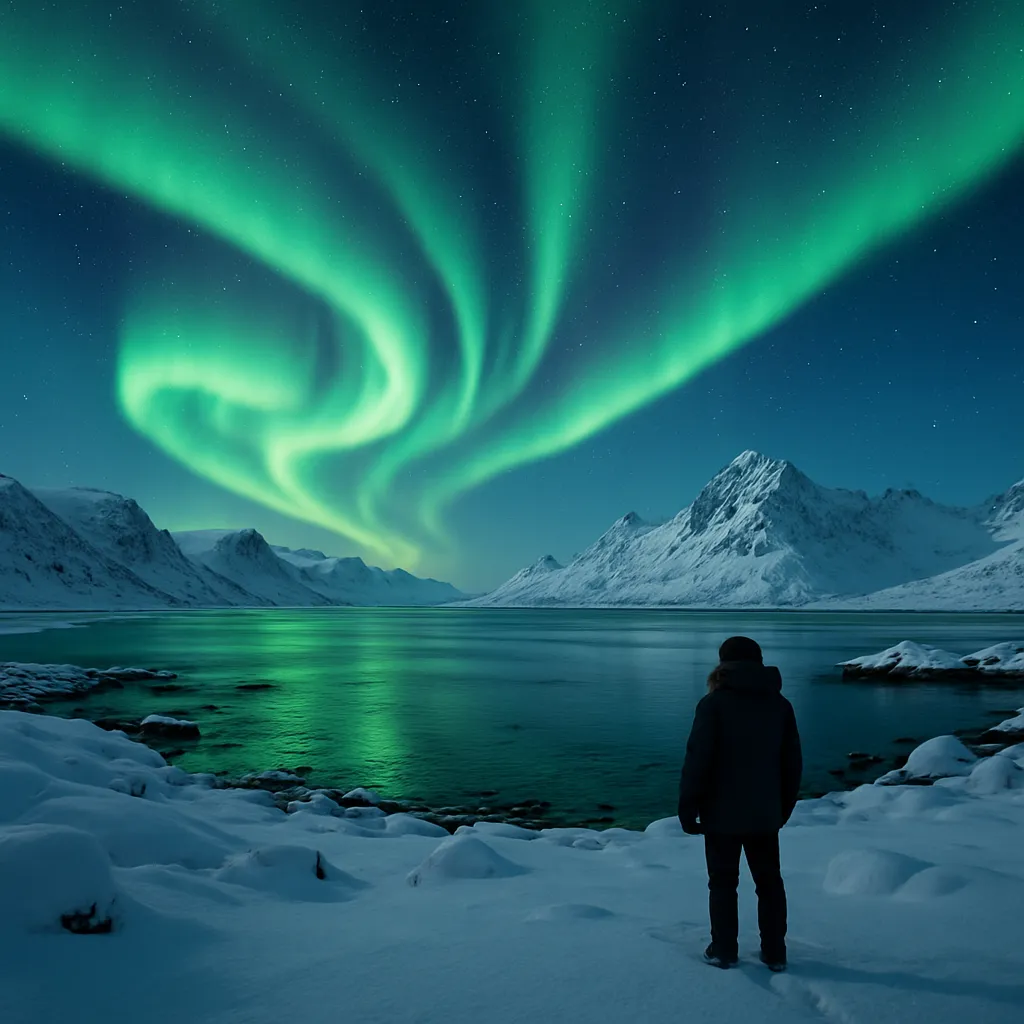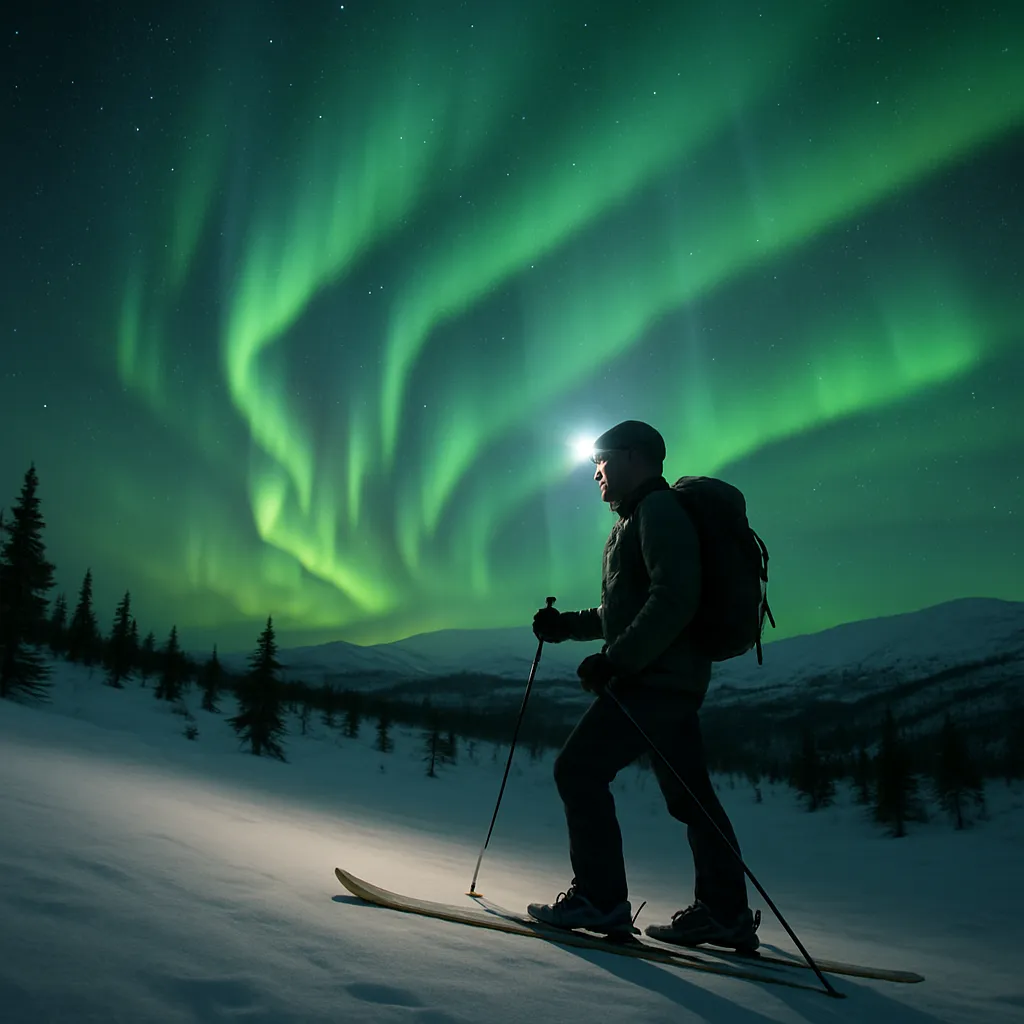
Embarking on a winter adventure that blends high-altitude travel with celestial wonders can create an unforgettable experience. Combining ski touring with Northern Lights photography offers a unique opportunity to witness nature’s most spectacular displays while exploring pristine, snow-covered terrain. Whether you are a seasoned athlete seeking fresh challenges or an avid shutterbug craving dynamic nightscapes, this journey blends adrenaline, creativity, and awe-inspiring vistas into one seamless expedition.
Essential Gear for Ski Touring and Aurora Photography
Proper equipment forms the backbone of any successful ski touring and aurora shoot. It’s crucial to carry gear that keeps you warm, mobile, and ready to capture ethereal light shows.
- Ski Touring Setup: Lightweight touring skis with reliable bindings, adjustable poles, and climbing skins. Opt for a setup that balances uphill efficiency and downhill performance.
- Cold-Weather Clothing: Layering is key. A moisture-wicking base layer, an insulating mid-layer, and a waterproof breathable shell will keep you comfortable in subzero conditions. Don’t forget insulated gloves and a thermal hat or balaclava.
- Backpack Considerations: A ski-specific pack equipped with an avalanche beacon pocket, shovel, probe, and enough space for camera accessories. Look for features like ski-carry straps, external fasteners, and hydration compatibility.
- Camera Gear:
- Full-frame or APS-C camera body capable of high ISO performance.
- Wide-angle lens with a large maximum aperture (f/2.8 or faster) for capturing the night sky.
- Tripod: Lightweight yet sturdy enough to withstand wind and cold temperatures.
- Spare batteries and memory cards: Cold drains battery life quickly, so carry multiples and keep extras inside an inner jacket pocket.
- Safety Tools: Avalanche transceiver, shovel, and probe are non-negotiable for backcountry travel. A personal locator beacon (PLB) or satellite communicator adds a layer of security in remote zones.
Planning Your Expedition
Thrilling adventures rarely unfold spontaneously. Detailed preparation and strategic planning reduce risks and enhance enjoyment. Follow these steps to maximize your chances of success:
- Route Research: Study topographic maps and online trail resources. Identify safe ascent lines, potential hazard zones, and ideal vantage points for aurora viewing.
- Weather Monitoring: Winter weather can shift rapidly. Check avalanche bulletins, wind forecasts, and cloud cover predictions. A clear sky is essential for capturing the aurora.
- Timing and Location: Head north of the Arctic Circle for higher probability of strong auroral activity. The equinox periods in fall and spring often produce intense solar storms, but winter months typically offer longer nights.
- Group Dynamics: Traveling with companions improves both safety and morale. Assign roles for navigation, first aid, and photography duties. Establish check-in points and turnaround times.
- Physical Conditioning: Pre-trip training enhances stamina and reduces the chance of injury. Incorporate uphill hiking with a loaded pack, core workouts, and balance drills to simulate ski touring demands.
Techniques for Capturing the Northern Lights
Photographing the aurora requires a blend of technical understanding and creative vision. Mastering the following techniques will help you transform fleeting sky displays into lasting images:
Camera Settings and Composition
- ISO: Start between 800 and 3200. Higher ISO settings increase brightness but can introduce noise.
- Aperture: Use the widest possible setting, ideally f/2.8 or lower, to maximize light intake.
- Shutter Speed: Experiment with exposures between 5 and 30 seconds. Shorter exposures freeze dynamic aurora motion, while longer ones create light trails.
- Manual Focus: Pre-focus at infinity or focus on a distant light source before nightfall. Switch lens to manual focus lock to prevent hunting in the dark.
- Framing the landscape: Include foreground elements such as silhouetted trees, ridgelines, or reflective snowfields to add depth and context to your aurora shots.
Advanced Strategies
- Time-Lapse Sequences: Mount your camera on an intervalometer to document the auroral evolution over several hours. Combine frames into captivating time-lapse videos.
- Panoramas: Stitch multiple exposures into wide-angle panoramas that capture the scale of a dancing sky.
- Light Painting: Introduce subtle foreground illumination using a headlamp or handheld LED during a long exposure. This technique emphasizes shapes without overpowering the natural glow.
- Real-Time Adjustments: Regularly review and tweak settings as sky brightness and aurora intensity shift. Maintain a balance between noise and exposure clarity.
Embracing the Wilderness Responsibly
Pursuing off-piste adventures brings both thrill and duty. Emphasizing environmental stewardship and ethical travel ensures these locations remain pristine for future generations.
- Leave No Trace: Pack out all waste, minimize the use of non-biodegradable materials, and avoid disturbing wildlife. Stay on established routes when possible.
- Local Engagement: Support regional guides, accommodation providers, and conservation initiatives. Their expertise enhances safety, while your contributions bolster local economies.
- Wildlife Awareness: Winter habitats can be fragile. Observe animals from a distance and avoid blocking migration corridors or breeding grounds.
- Risk Management: Acknowledge and respect mountain hazards—avalanche terrain, crevasses, and hidden ice layers. Regularly practice transceiver searches and first-aid protocols.
- Mindful Photography: Avoid using bright flashes or continuous lights that can disrupt nocturnal wildlife. Embrace patience—sometimes waiting in silence yields the most intimate encounters.
Navigating Emotional Peaks and Valleys
Combining strenuous skiing with night photography may test both body and mind. Developing mental resilience and embracing the unpredictability of nature will enrich your journey.
- Goal Setting: Define clear objectives—whether capturing a particularly strong aurora, reaching a remote summit, or simply savoring solitude under the stars.
- Mindfulness and Reflection: Use moments of stillness to absorb the rhythm of the natural world. Journaling or sketching can deepen your appreciation.
- Adaptability: Weather shifts, equipment malfunctions, or physically demanding terrain can challenge expectations. Cultivate flexibility to pivot plans as needed.
- Celebrating Milestones: A successful shot, a cleared ridge, or a serendipitous wildlife sighting deserves acknowledgment. Share achievements with your group to foster camaraderie.