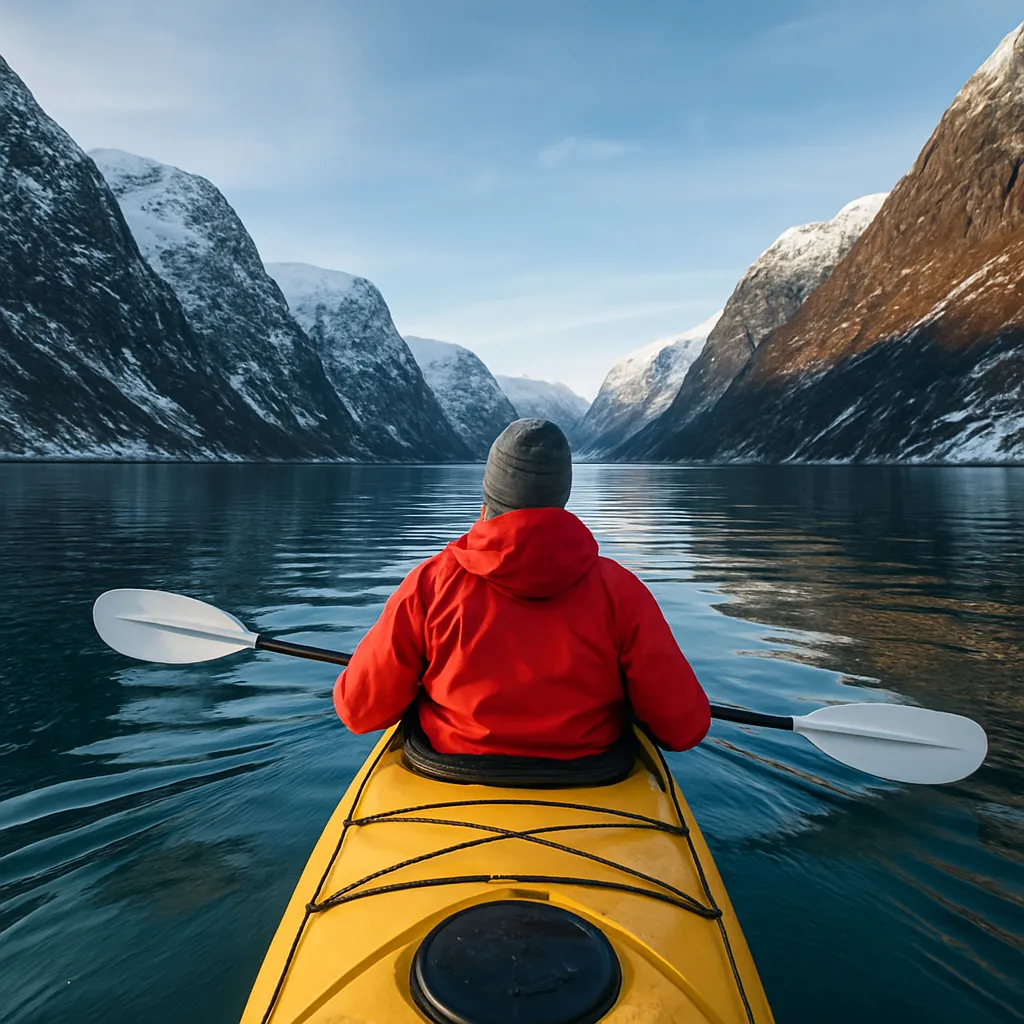
Winter brings a world of frost-kissed landscapes, gliding edges, and adrenaline-packed descents. From serene cross-country trails to heart-pounding downhill courses, the season invites enthusiasts to embrace the cold and discover the thrill of snow and ice. Whether you’re a seasoned athlete or a curious newcomer, the realm of winter sports promises unforgettable experiences shaped by skill, innovation, and the captivating beauty of frozen terrain.
Popular Winter Sports and Their Unique Appeal
Across snow-covered valleys and icy lakes, a variety of activities await adventurers seeking both challenge and delight. Each discipline offers its own blend of speed, precision, and scenic wonder.
Alpine Skiing
Alpine skiing remains one of the most celebrated winter sports. From casual resort runs to World Cup competitions, skiers master gravity with style and control. The emphasis on balance and dynamic technique makes every turn an art form. Beginners often start on gentle slopes before progressing to challenging black-diamond trails, where speed and edge control become paramount.
Snowboarding
Snowboarding emerged as a cultural phenomenon in the late 20th century, fusing surf and skateboarding influences. Riders perform aerial tricks in terrain parks, carve high-speed curves on open runs, or explore backcountry powder. The sport’s innovation-driven spirit has led to specialized boards for park, freeride, and all-mountain styles, enhancing both creativity and performance.
Cross-Country Skiing
Endurance athletes and nature lovers alike are drawn to cross-country skiing for its low-impact, full-body workout. Traversing forests and frozen lakes, skiers develop remarkable endurance and cardiovascular health. Classic and skate techniques offer varied challenges, with long-distance races like the Vasaloppet demonstrating the sport’s capacity for human resilience and determination.
Ice Skating and Speed Skating
Whether pursuing graceful figure skating routines or sprinting laps on a rink, ice skating captivates enthusiasts with its elegance and speed. Speed skaters reach astonishing velocities on long-track ice, while figure skaters dazzle audiences with jumps, spins, and expressive choreography. Both disciplines demand precise footwork, powerful leg muscles, and unwavering focus.
Biathlon and Nordic Combined
Combining skiing with marksmanship, the biathlon tests athletes’ ability to calm their breath and mind between intense cross-country legs. The Nordic combined adds ski jumping to the mix, requiring a balance of explosive power and refined technique. These sports celebrate the union of diverse skills and highlight athletes’ adaptability under pressure.
Essential Gear, Clothing, and Preparation
Equipping yourself properly is crucial for comfort, safety, and peak performance in cold environments. The right gear not only enhances your experience but also protects against unpredictable weather and terrain conditions.
Layering System for Cold Protection
Adopting a three-layer approach—base layer, insulating mid-layer, and protective outer layer—helps manage moisture, preserve warmth, and shield against wind and snow. Technical fabrics like merino wool and synthetic blends excel at wicking sweat, while breathable shells resist moisture without trapping heat. Apply preparation techniques to assess temperature ranges and activity levels before heading out.
Specialized Equipment
- Skis and Snowboards: Choose lengths and shapes suited to your discipline (all-mountain, powder, park).
- Bindings and Boots: Proper fit ensures efficient energy transfer and reduces the risk of injury.
- Poles and Skates: Lightweight, durable materials enhance control and response.
- Safety Gear: Helmets, goggles, and protective pads guard against common impacts and visibility issues.
Maintenance and Tuning
Regular waxing, edge sharpening, and equipment inspections maintain optimal performance. Skilled technicians can apply specialized bases and adjust bindings to match your weight, skill level, and preferred terrain. The practice of tuning fosters appreciation for the synergy between athlete and gear.
Training, Safety, and Building Community
Embarking on winter sports requires thoughtful training, risk management, and a supportive network of fellow enthusiasts.
Technical and Physical Training
Effective preparation blends on-snow practice with off-season conditioning. Core strength, agility drills, and cardiovascular workouts bolster your capacity to tackle steep slopes and long distances. Sport-specific exercises—for instance, plyometrics for jump drills or balance board routines—enhance coordination and reduce injury risk.
Risk Management and Avalanche Awareness
Backcountry adventures carry inherent risks, from sudden weather shifts to avalanches. Obtaining proper certification in avalanche safety, carrying transceivers, shovels, and probes, and understanding terrain assessment are non-negotiable steps for any serious off-piste skier or snowboarder. Embracing a mindset of vigilance and continual learning protects both individuals and their companions.
Camaraderie and Shared Passion
Winter sports foster vibrant communities, from local ski clubs to international competitions. Group outings, coaching clinics, and volunteer programs create opportunities to exchange knowledge, refine skills, and celebrate collective achievements. The social bonds formed on lifts, lodges, and trails often become as memorable as the descents themselves, highlighting the community spirit at the heart of every sport.
Environmental Impact and Sustainable Practices
As the climate evolves, winter sports face both challenges and opportunities to champion environmental stewardship and innovation.
Climate Change and Snow Reliability
Rising temperatures threaten traditional snowfall patterns, shortening seasons and endangering mountain ecosystems. Resorts and athletes must adapt through snowmaking technologies, flexible scheduling, and conservation initiatives aimed at reducing carbon footprints.
Eco-Friendly Gear and Manufacturing
Leading brands are adopting recycled materials, low-impact dyes, and sustainably harvested fabrics. Consumers can support ethical production by prioritizing products with transparent supply chains and certifications. Innovations in lightweight, durable composites also reduce the need for frequent replacements, conserving resources over time.
Preservation of Mountain Environments
Responsible trail design, waste management, and habitat protection ensure that both wildlife and ski areas remain healthy for future generations. Advocacy groups collaborate with local authorities to maintain clean rivers, forest cover, and biodiversity. By promoting leave-no-trace ethics, athletes contribute to the longevity of the slopes they cherish.
Future Trends and Technologies
Advancements in wearable sensors, virtual coaching, and eco-conscious resort operations illustrate the sport’s forward momentum. From smart textiles that regulate body temperature to digital platforms that track environmental conditions, technology drives continuous improvement in performance and sustainability.