Embarking on the icy slopes and crisp trails of winter sports offers a unique blend of adrenaline and tranquility. Whether you are gliding through powder, carving turns on groomed runs, or trekking across frozen landscapes, each activity promises unforgettable memories. This article dives into the world of winter sports, exploring key disciplines, essential gear, advanced techniques, breathtaking destinations, and vital safety measures to ensure every adventure is both thrilling and responsible.
Choosing the Right Winter Sport
Selecting a discipline that matches your interests, physical condition, and thrill threshold is crucial. Winter sports range from high-speed alpine skiing to the meditative rhythm of cross-country skiing. Each option delivers distinct challenges and rewards:
- Alpine skiing – Perfect for those craving speed and sharp turns on groomed slopes.
- Snowboarding – Offers creative freedom and dynamic carving, ideal for boarders seeking style and flow.
- Cross-country skiing – A full-body workout emphasizing endurance as you traverse rolling hills and frozen forests.
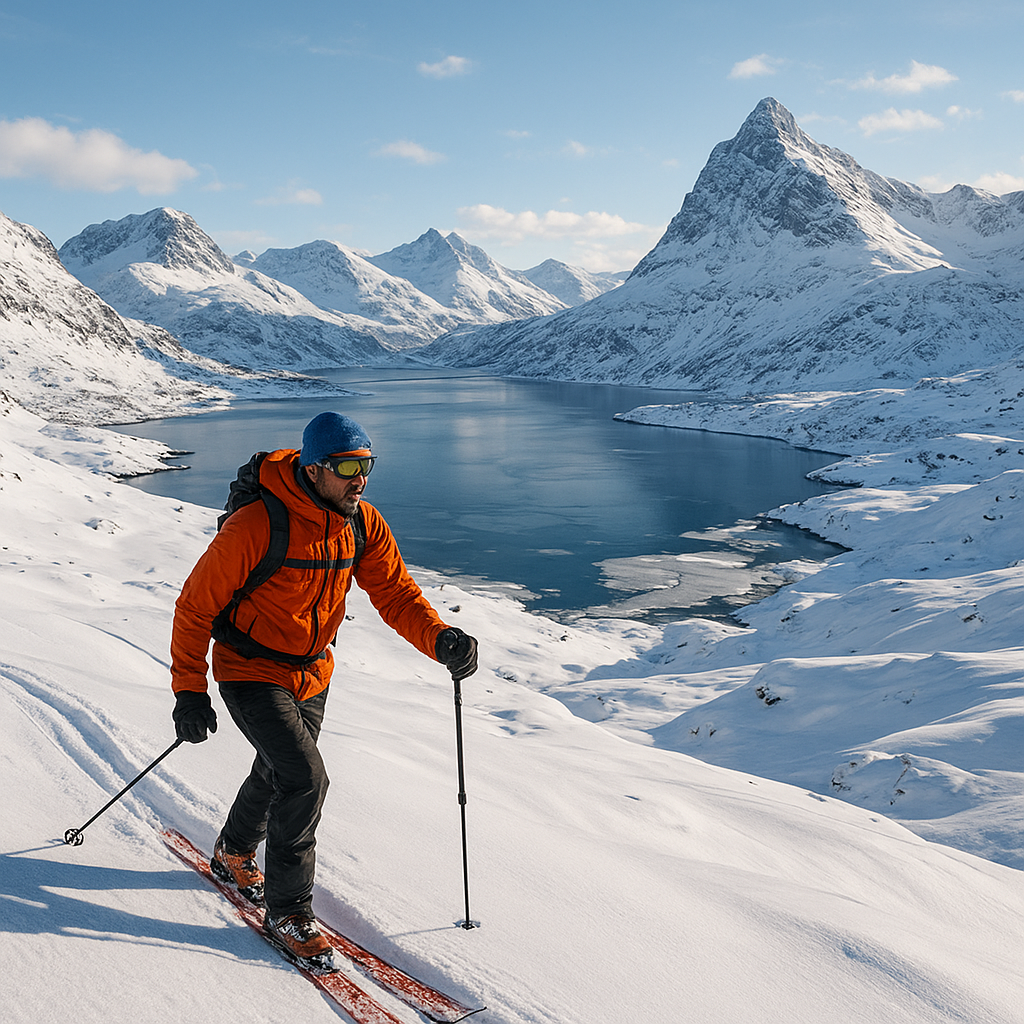
- Ski touring – Combines uphill climbs with downhill descents in remote backcountry terrain.
- Snowshoeing – Accessible exploration through deep snow, blending hiking with winter wonderland immersion.
- Ice climbing – Vertical assaults on frozen waterfalls for those pursuing a serious adventure challenge.
- Snowmobiling – High-speed thrills across open expanses and winding trails.
Assess the local terrain, climate conditions, and available facilities when making your choice. Beginners may start on gentle slopes, while experienced enthusiasts can seek out untracked powder and steep couloirs.
Essential Gear and Preparation
Proper equipment and preparation are the foundation of any safe and enjoyable winter sports experience. Regardless of discipline, layering, protective gear, and maintenance cannot be overlooked.
Clothing and Layers
- Base layers – Moisture-wicking fabrics keep you dry and warm.
- Insulating mid-layers – Fleece or down provide crucial heat retention.
- Outer shells – Waterproof, breathable jackets and pants shield you from wind and snow.
Specialized Equipment
- Skis and bindings – Matched to your weight, skill level, and discipline.
- Snowboard and boots – Ensure a snug fit and proper flex for responsive control.
- Poles – Adjustable lengths benefit both uphill climbs and downhill stability.
- Boots – Offer support, warmth, and direct power transfer to your skis or board.
- Safety gear – Helmets, goggles, gloves, and avalanche beacons for backcountry ventures.
Before hitting the slopes, perform a thorough gear check. Wax your skis or board, inspect bindings, and verify that all safety devices are functional. Proper maintenance not only enhances performance but also reduces accident risk.
Techniques and Training
Mastering technical skills and building physical conditioning are essential for progression and enjoyment. Regardless of the sport, focus on fundamentals first before advancing to more challenging terrain.
Basic Skills Development
- Balance and stance – A centered, athletic posture improves stability and control.
- Edge control – Practice carving and skidded turns on gentle slopes.
- Weight distribution – Learn to shift weight smoothly between skis or board edges.
Advanced Drills
- Short-radius turns – Enhance agility and quick reactions on steeper runs.
- Off-piste techniques – Navigate soft snow, variable conditions, and steep glades safely.
- Jump and rail basics – For snowboarders seeking park progression, drill proper takeoff and landing mechanics.
Cross-training activities such as cycling, trail running, and strength workouts contribute to overall stamina and injury prevention. Enroll in clinics or seek guidance from certified instructors to refine your technique and boost confidence on more demanding slopes.
Breathtaking Destinations and Experiences
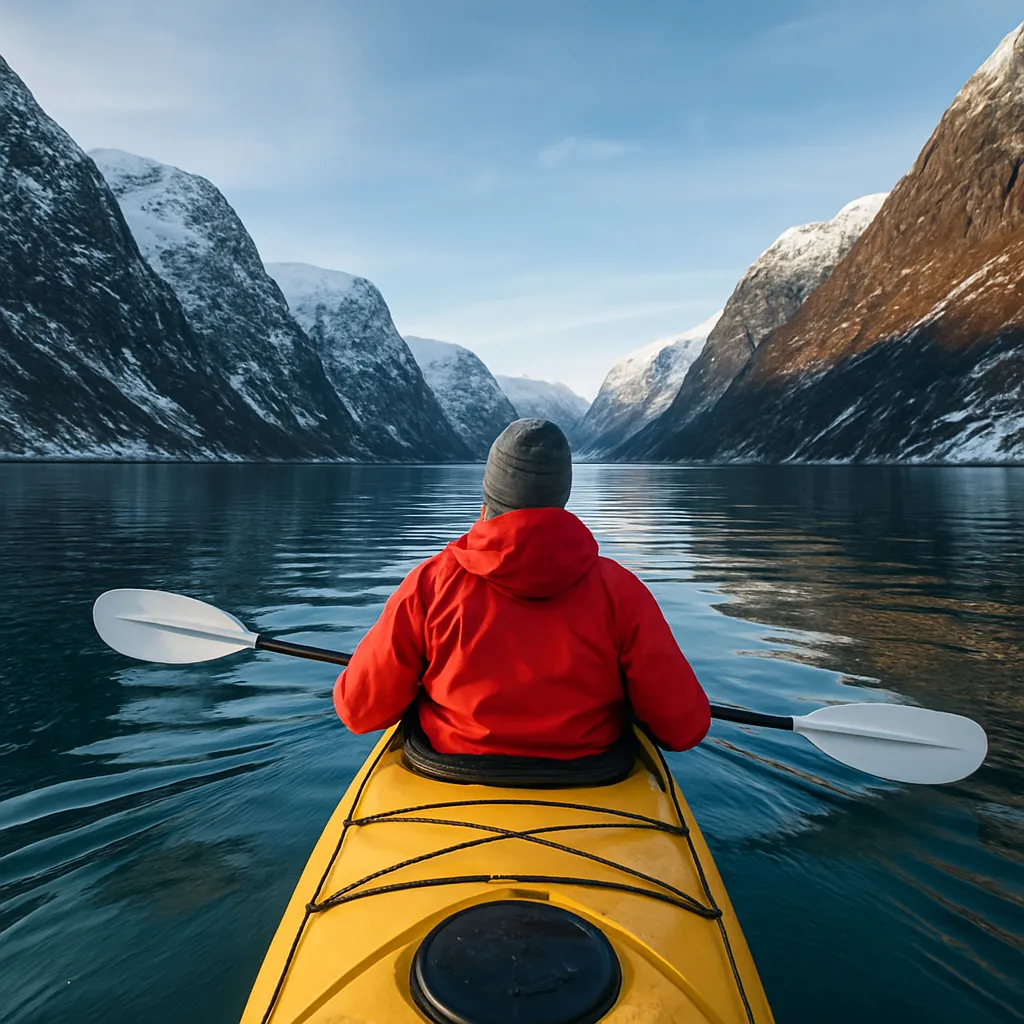
Winter sports destinations span the globe, each offering unique scenic wonders and cultural encounters. Norway stands out with its majestic fjords, Arctic wilderness, and welcoming villages. Yet, countless regions deliver exceptional environments for snowy pursuits.
Norway Highlights
- Lofoten Islands – Thrill-seekers can combine steep couloirs with panoramic coastal vistas.
- Lyngen Alps – Powder enthusiasts chase deep snowfields and alpine ridges above the Arctic Circle.
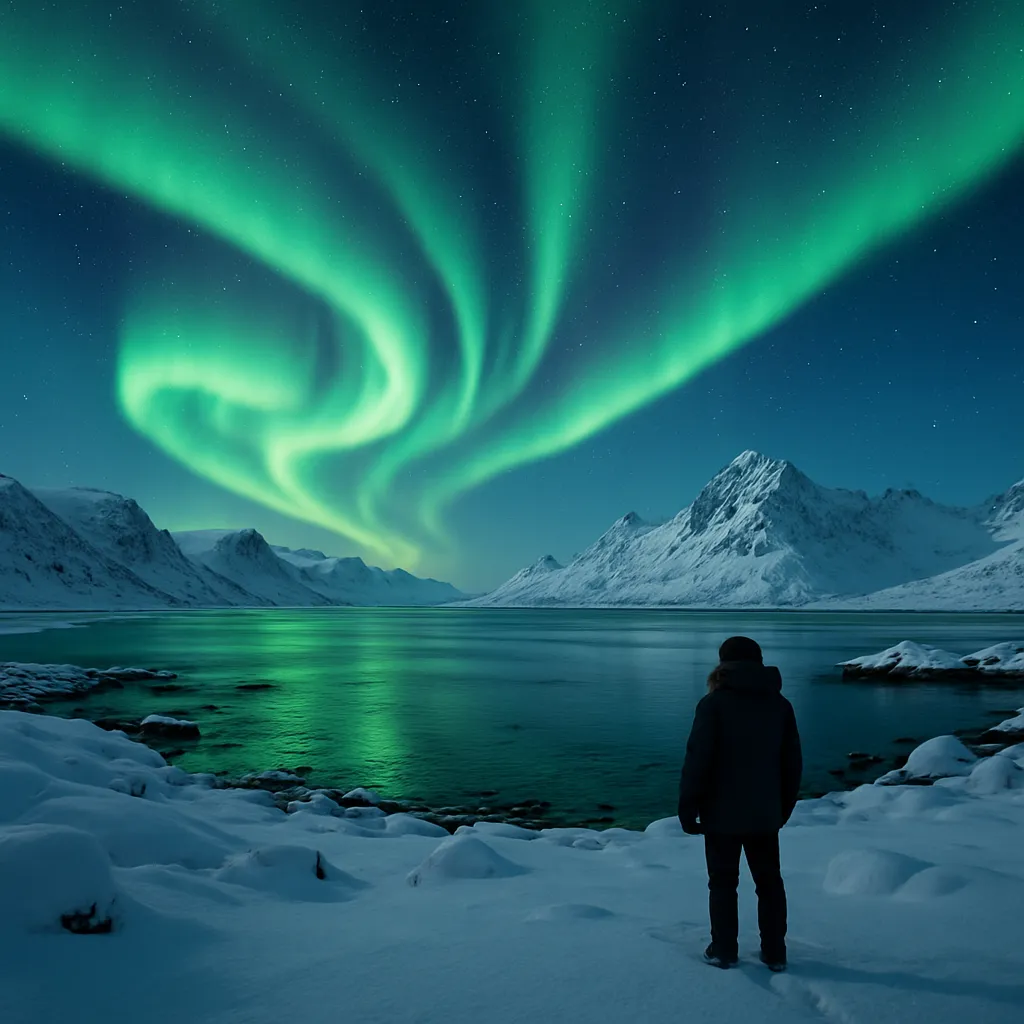
- Tromsø – Northern Lights hunters can ski under vibrant auroras and embrace Arctic traditions.
Global Gems
- Swiss Alps – World-class resorts like Zermatt and Verbier offer extensive lift access and gourmet après-ski.
- Japanese powder – Hokkaido’s crystalline snow and friendly culture create a dreamy backcountry adventure.
- Colorado Rockies – North America’s epic terrain caters to both family-friendly slopes and extreme heli-skiing.
Cultural immersion elevates any trip. Sample local cuisine, attend winter festivals, and meet guiding communities to deepen your appreciation for snowy landscapes and native wildlife.
Safety, Sustainability, and Culture
Responsible adventurers prioritize safety protocols, environmental stewardship, and cultural respect. Winter ecosystems are delicate, and local traditions deserve recognition.
Avalanche Awareness
- Enroll in avalanche safety courses and learn to use beacons, probes, and shovels.
- Check daily avalanche bulletins and understand slope stability factors.
- Travel with experienced partners and practice rescue drills regularly.
Environmental Responsibility
- Minimize trail impact by sticking to designated routes and respecting wildlife corridors.
- Pack out all trash and avoid single-use plastics.
- Support local accommodations and businesses that prioritize renewable energy and waste reduction.
Cultural Engagement
- Learn basic phrases in the local language and respect regional customs.
- Participate in traditional activities such as saunas, reindeer sledding, or folk music gatherings.
- Share stories and experiences with regional guides to build cross-cultural understanding.
By combining rigorous safety practices, a commitment to sustainability, and genuine respect for culture, each winter sports expedition becomes not only an exhilarating journey but also a meaningful exchange between adventurer and environment.