The fascination with snow-covered landscapes has driven humanity to invent thrilling ways to traverse, compete, and celebrate the cold season. From remote mountain villages to bustling winter resorts, activities like skiing, ice skating, and snowboarding have grown from practical necessities into global spectacles. This exploration delves into the rich tapestry of winter sports, highlighting how traditions shaped by geography, culture, and innovation have converged to create a dynamic tradition of cold-weather recreation.
Origins of Norwegian Ski Culture
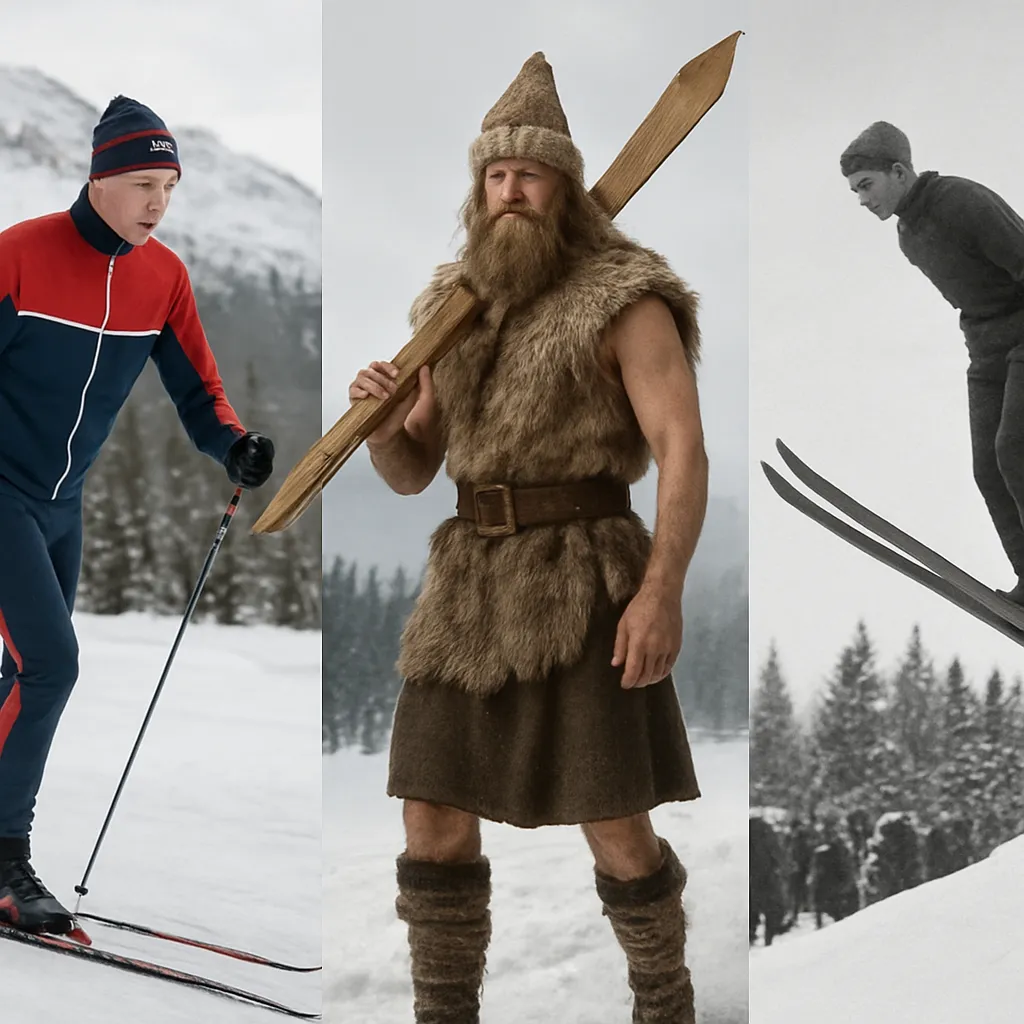
The Scandinavian peninsula, with its long winters and deep snowpack, provided the perfect cradle for early skiing. Ancient rock carvings and preserved wood fragments suggest that people in Norway used wooden planks to glide over snow as far back as 4000 BCE. These simple tools evolved into refined equipment, driven by a growing understanding of balance and glide. By the Middle Ages, skiing had become integral not only to transportation but also to military tactics and communal gatherings.
Early Innovations and Necessities
Norwegian farmers and hunters required efficient ways to cross frozen landscapes. They developed two distinct ski types: narrow boards for swift movement and wider boards for stability on deep snow. As local craftsmen experimented with different shapes, materials such as birch and pine allowed for lightweight flexibility. Binding methods improved, moving from rudimentary leather straps to more secure clamps, enabling greater control and speed.
From Transportation to Sport
Over centuries, skiing shifted from survival to recreation. By the 18th century, villagers organized informal contests, racing down hills and sharing techniques. These events fostered a growing community spirit and established foundational skills for modern competitive disciplines. The legendary Sondre Norheim, often called “the father of modern skiing,” introduced sidecuts and heel bindings in the mid-19th century, revolutionizing turns and stability. His innovations laid the groundwork for alpine and Nordic skiing as we know them today.
Development of Nordic Disciplines
Norway’s affinity for skiing naturally led to the birth of specialized winter sports. Cross-country racing, ski jumping, and biathlon each emerged from local competitions, transforming villages into proving grounds. These disciplines tested endurance, courage, and precision, contributing to a culture that prizes versatility and resilience.
Cross-Country Skiing
Often called the backbone of winter sports, cross-country skiing demands supreme stamina and technique. Early races spanned rugged terrain between towns, with participants navigating forests, frozen lakes, and uphill climbs. As technique refined, two main styles emerged:
- Classic technique: Linear stride within parallel tracks, emphasizing endurance and rhythm.
- Skate technique: Side-to-side motion on groomed surfaces, offering speed and dynamic power.
Modern competitions range from sprints to marathons, held in venues worldwide, yet the sport remains deeply rooted in its Norwegian heritage of daily winter travel.
Biathlon and Ski Jumping
The biathlon marries cross-country skiing with marksmanship, testing an athlete’s ability to switch from full-throttle propulsion to calm concentration at the firing line. Originating from Norwegian military exercises, it debuted as an Olympic sport in 1960. Ski jumping, another Norwegian export, enthralls spectators by combining technique, aerodynamics, and bravery. Jumpers launch off steep ramps, soaring over 100 meters before landing gracefully. The Holmenkollen Ski Festival near Oslo, established in 1892, remains one of the world’s most prestigious jumping events.
The Expansion of Alpine Skiing and Snowboarding
While Nordic disciplines thrived in Scandinavia, the Alps fostered a parallel evolution. Tourists flocked to chalet villages, seeking the exhilaration of descending powdery slopes. Local guides transformed into instructors, and inns expanded into sprawling resorts. Snowboarding arrived in the 1960s, offering an alternative to traditional skiing and appealing to youth culture with its rebellious flair.
The Birth of Ski Resorts
European mountain areas, notably in Switzerland, France, and Austria, developed infrastructure to accommodate growing crowds. Chairlifts, gondolas, and snow-making machines extended the season and broadened access to remote peaks. Resorts like Chamonix, St. Moritz, and Zermatt became synonymous with lavish après-ski scenes and international competitions. The combination of challenging terrain and scenic vistas propelled alpine skiing into the global spotlight.
Snowboarding Revolution
Snowboarding began as a backyard experiment combining surfing and skateboarding boards. By the 1980s, entrepreneurs created specialized gear and began carving dedicated park features like halfpipes and jumps. Aspiring riders formed communities, hosting underground competitions that challenged traditional ski culture. Today, snowboarding is a staple Olympic event, celebrated for its blend of athleticism and creative expression.
Winter Sports Technology and Global Competitions
Advances in materials science and digital analytics have propelled winter sports into a new era. Carbon fiber skis, polycarbonate goggles, and heated suits optimize performance and safety. Biomechanical sensors and GPS trackers allow coaches to dissect every turn, stride, and landing, pushing athletes to previously unimaginable speeds and precision.
Equipment Advancements
- Skis and Boards: Lightweight composites for improved flex and torsion control.
- Bindings: Adjustable systems enhancing both safety release and stability.
- Apparel: Breathable, insulated fabrics balancing warmth with moisture management.
- Protective Gear: Impact-dispersing helmets and body armor designed for extreme disciplines.
Even recreational enthusiasts benefit, with rental shops offering custom boot fitting and digital gait analysis to fine-tune a perfect setup for every body type and skill level.
Olympic and Extreme Competitions
The Winter Olympic Games, inaugurated in 1924, showcase winter sports at their peak. From figure skating’s elegant spins to bobsleigh’s high-velocity runs, the event unifies diverse disciplines under a global stage. In recent decades, the rise of extreme winter sports—such as ski cross, snowboard big air, and ice cross downhill—has broadened the spectrum. These adrenaline-fueled formats highlight daring maneuvers, drawing viral attention and inspiring a new generation of snow enthusiasts.
Community and Cultural Festivals
Beyond elite competition, winter festivals celebrate the social side of cold-weather sports. Towns across Scandinavia, North America, and Asia host themed weekends featuring:
- Mass participation races or fun runs in colorful costumes.
- Music concerts and creative snow or ice sculptures.
- Workshops on traditional skills like moose-sledding or Inuit carving.
- Culinary fairs showcasing hearty regional dishes pairing perfectly with après-ski gatherings.
Such events reinforce the communal spirit that defines the heritage of winter sports, ensuring that the thrill of snow remains as much about shared memories as about competition.