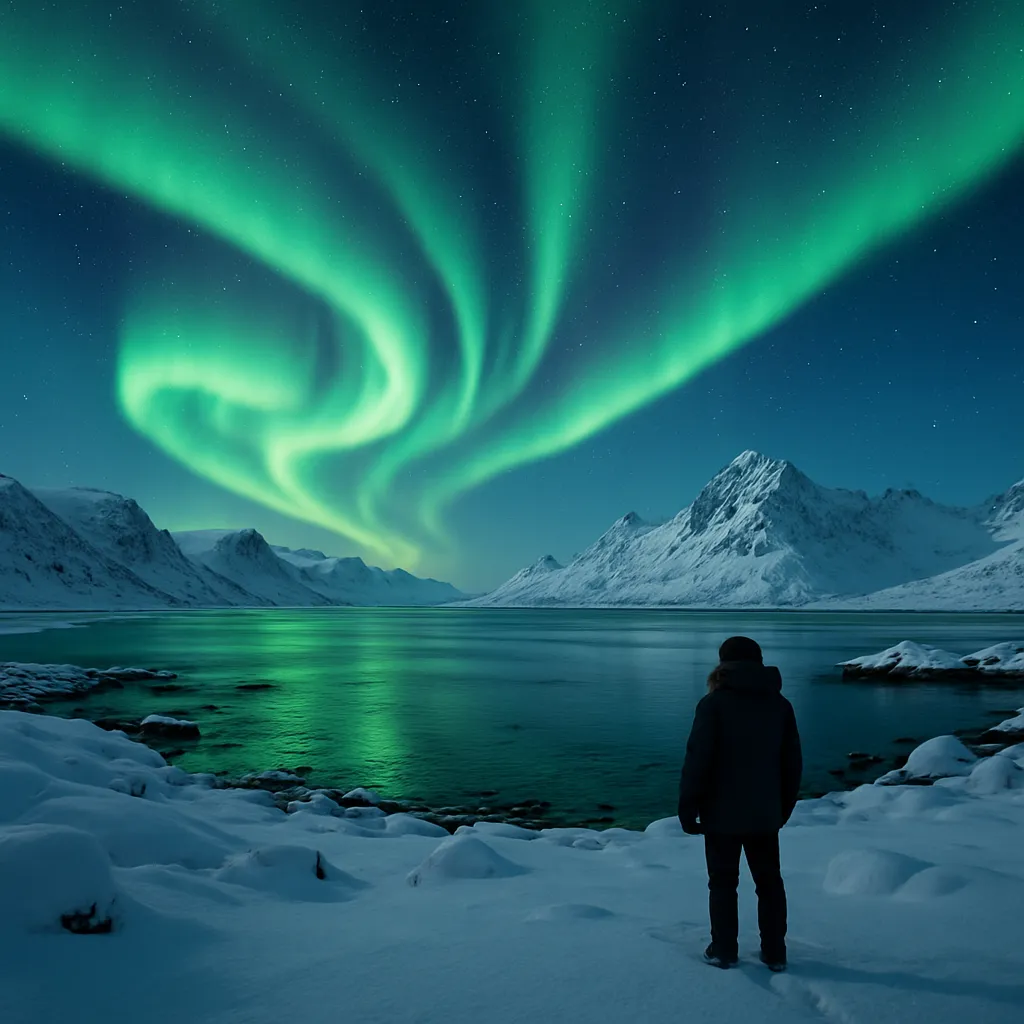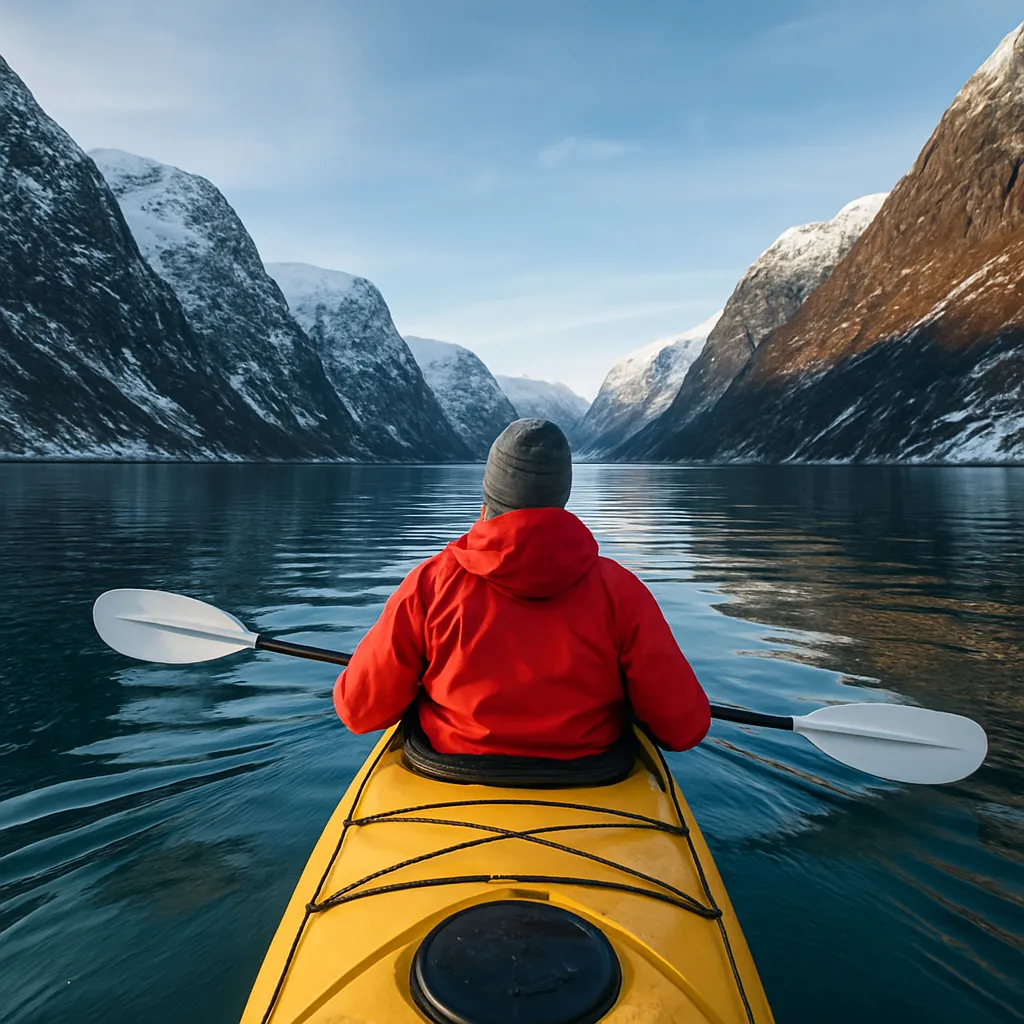
Imagine carving through fresh powder while the crisp air invigorates your senses, and the world transforms into a crystalline playground of white. Winter sports deliver an unmatched blend of **adrenaline**, serenity, and challenge, drawing enthusiasts to mountainsides, frozen lakes, and snow-covered forests. From the heart-pounding thrill of downhill **skiing** to the graceful flow of cross-country gliding, each discipline demands skill, passion, and the right **equipment**. This guide explores key aspects of snow-bound adventures, from must-have gear and top activities to safety measures, destination tips, and eco-conscious practices that preserve the magic of winter landscapes.
Equipment Essentials for Frosty Adventures
Whether you’re a first-time snow seeker or an experienced mountaineer, investing in quality gear is crucial. Proper attire and tools not only enhance performance but also protect against harsh conditions. Below is a breakdown of essential items:
- Base Layers: Moisture-wicking fabrics keep you warm and dry by drawing sweat away from the skin.
- Insulating Mid-Layers: Fleece and down jackets provide critical warmth without adding excessive weight.
- Outer Shells: Waterproof and windproof jackets and pants shield you from snow, rain, and biting winds.
- Helmets and Goggles: Head protection and clear vision are non-negotiable, especially in variable light conditions.
- Boots and Bindings: Properly fitted boots ensure comfort, while secure bindings translate your movements into precise control.
- Poles and Skis/Snowboards: Choose equipment designed for your preferred terrain—powder, groomed slopes, or park features.
- Avalanche Safety Kit: In backcountry areas, carry a beacon, probe, and shovel, and train regularly in rescue techniques.
Investing in high-quality gear tailored to your discipline increases your confidence and reduces the risk of injury. Don’t forget accessories like insulated gloves, balaclavas, and specialty socks to protect extremities from frostbite.
Top Winter Sport Activities for Thrill Seekers
Winter sports cater to a variety of preferences, from explosive speed to endurance-based journeys:
- Downhill Skiing: Experience gravity-fueled runs on groomed pistes or tackle off-piste powder for a heart-racing rush.
- Snowboarding: Embrace creativity on park features or carve clean arcs on open slopes—ideal for those who love board sports.
- Cross-Country Skiing: Build **endurance** as you traverse serene forests and rolling hills, enjoying panoramic views.
- Biathlon: Combine cross-country skiing with precision shooting in a unique blend of workout and skill.
- Ice Climbing: Scale frozen waterfalls or icy rock faces using specialized picks and crampons for a vertical challenge.
- Snowshoeing: Explore remote wilderness areas with minimal equipment, perfect for nature lovers seeking solitude.
- Backcountry Touring: Use touring skis or splitboards to access untouched powder, powered by your own stride or a lightweight skins system.
Each sport demands different physical attributes and techniques. For instance, alpine disciplines require quick reflexes and strength, while cross-country events emphasize cardiovascular fitness and pacing. Beginners should consider lessons to learn proper form and reduce injury risk.
Staying Safe and Prepared in Extreme Cold
Adventuring in winter conditions brings unique hazards, from hidden ice to sudden weather shifts. Follow these guidelines to stay safe:
- Weather Awareness: Check detailed forecasts and avalanche bulletins before heading out.
- Layer Management: Adjust clothing layers to prevent overheating and perspiration freeze, which can accelerate heat loss.
- Avalanche Education: Learn to recognize unstable snowpacks, carry a beacon, and practice companion rescue drills.
- Route Planning: Select trails and slopes within your skill level; inform someone of your itinerary and expected return time.
- Hydration and Nutrition: Cold temperatures mask dehydration; consume water regularly and pack high-energy snacks like nuts and energy bars.
- First Aid: Carry a compact kit including blister treatment, bandages, pain relief, and materials for treating frostbite.
Never underestimate the combination of wind chill and altitude. Even a routine excursion can escalate into an emergency if visibility drops or temperatures plummet unexpectedly.
Choosing the Perfect Winter Getaway Destination
From Nordic landscapes to Alpine resorts, the world offers countless snowy playgrounds. Consider these factors when planning your trip:
- Terrain Variety: Seek locations with diverse slopes—beginners need gentle runs, while experts crave steep chutes and backcountry corridors.
- Snow Reliability: Regions with natural snowfall and snowmaking capabilities guarantee consistent coverage throughout the season.
- Accommodation and Amenities: Look for lodges or chalets that blend comfort with convenient slope access, plus options for equipment rentals and local guides.
- Apres-Ski Culture: Vibrant towns offer culinary delights, spas, and social events that enrich the overall experience.
- Accessibility: Easy transport connections reduce travel stress, leaving more time on the slopes.
Popular destinations include the powder-rich peaks of Hokkaido, Japan; the extensive lift networks of the European Alps; and the rugged backcountry of British Columbia, Canada. However, emerging regions in Eastern Europe, Scandinavia, and South America provide quieter slopes and alluring value.
Environmental Impact and Sustainability in Winter Sports
Preserving pristine winter landscapes is essential for future generations of outdoor enthusiasts. Athletes, resorts, and equipment manufacturers can all contribute to greener practices:
- Sustainable Snowmaking: Modern systems minimize water and energy consumption, reducing the carbon footprint of resort operations.
- Eco-Friendly Gear: Look for skis, boards, and clothing made from recycled materials and **biodegradable** waxes and finishes.
- Resort Initiatives: Many mountain operators invest in renewable energy, waste reduction, and habitat conservation programs.
- Leave No Trace: Pack out all trash, respect wildlife corridors, and stay on designated trails to protect fragile snowpack and vegetation beneath.
- Community Engagement: Support local businesses and cultural events that foster environmental stewardship within mountain communities.
By adopting mindful practices and choosing sustainable options, winter sports enthusiasts can ensure that snowy peaks remain a playground for **adventure** long into the future.