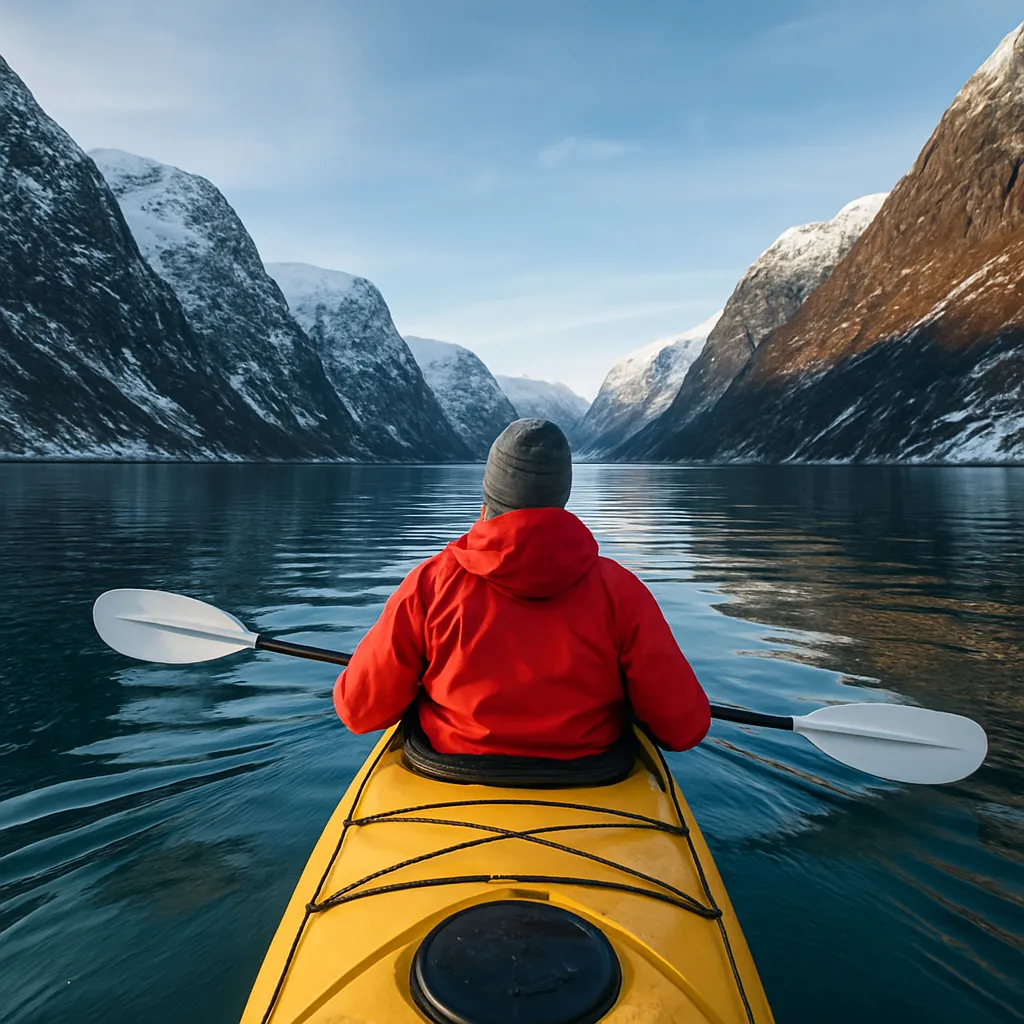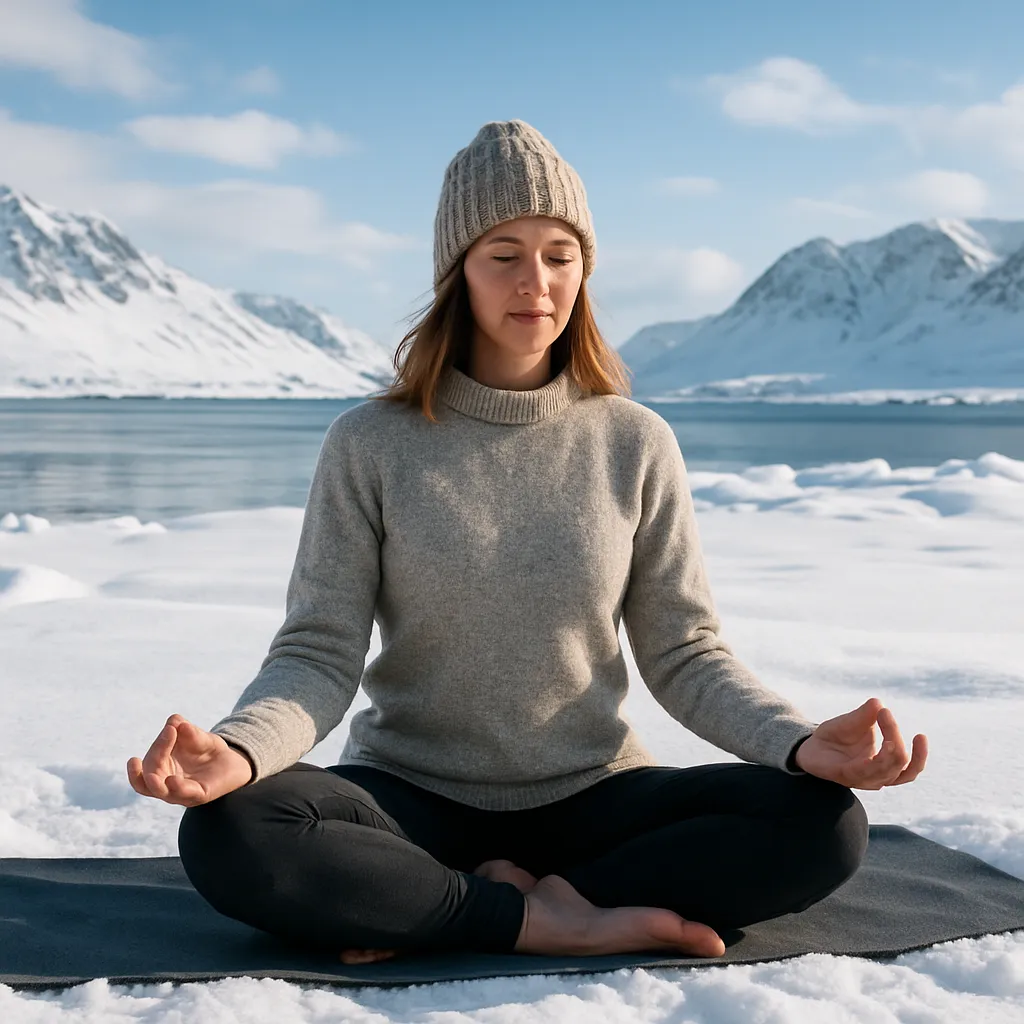
Embarking on a journey through snow-laden landscapes offers a blend of exhilaration and serenity. From the swift rush of downhill descents to the meditative stride of cross-country trails, winter sports present a mosaic of experiences that challenge both body and spirit. This article delves into essential gear, refined techniques, and mindful practices, inviting you to discover the boundless joy of pursuing athletic endeavors amidst pristine white realms.
Winter Sports Essentials
Before setting foot on icy slopes, a solid foundation of equipment and preparation is indispensable. Selecting the right gear not only enhances performance but also safeguards against harsh elements and potential injuries.
Choosing Appropriate Outerwear
Layering remains the cornerstone of winter attire. An effective system comprises:
- Base Layers: Moisture-wicking fabrics that keep skin dry and prevent chills.
- Insulating Mid Layers: Fleece or down for trapping heat, ensuring comfort in subzero temperatures.
- Outer Shells: Waterproof and breathable jackets or pants that shield you from wind, snow, and moisture.
Essential Accessories
- Helmets: Protect against head injuries during high-speed activities like skiing or snowboarding.
- Goggles: Provide visibility and reduce glare, crucial for navigating variable light conditions.
- Gloves and Mittens: Thermal protection for fingers while maintaining dexterity.
- Boots and Bindings: Proper fit ensures control and responsiveness, whether carving down groomed runs or traversing rugged terrain.
Investing in quality gear translates to increased confidence and optimal performance, letting you focus on the thrill of the sport rather than on avoiding discomfort.
Techniques for Alpine Skiing and Snowboarding
Mastering the fundamentals of alpine disciplines unlocks a world of dynamic movement, where gravity becomes a partner in your quest for speed and agility.
Carving and Turns
- Edge Control: Adjusting the angle of skis or snowboard edges against the snow for precise turns.
- Weight Distribution: Shifting your weight to the downhill ski/edge to maintain balance and avoid skidding.
- Body Position: Keeping knees flexed and torso stable to absorb bumps and react fluidly to changes in terrain.
Advanced Maneuvers
- Short Radius Turns: Rapid, controlled direction changes, ideal for steep or narrow trails.
- Jumps and Airtime: Timing your takeoff from natural terrain features or park jumps to achieve smooth landings.
- Switch Riding (Snowboarding): Developing the ability to ride in reverse enhances versatility and trick repertoire.
Regular practice fosters endurance, while targeted drills refine muscle memory. Whether you’re carving through powder or honing park skills, patience and persistence yield significant progress.
Embracing Nordic Disciplines
Nordic sports, rooted in tradition and functionality, emphasize sustained effort and a deep connection with natural surroundings.
Cross-Country Skiing
This discipline combines aerobic exertion with rhythmic motion, ideal for those seeking both stamina development and scenic exploration.
- Classic Style: Glide along parallel tracks, focusing on diagonal stride technique.
- Skate Skiing: Propel yourself by pushing each ski outward in a V-shaped motion, accentuating speed.
Biathlon and Ski Mountaineering
- Biathlon: Merges cross-country skiing with precision rifle shooting—cultivating focus under physical stress.
- Ski Mountaineering: Ascend remote peaks with skins on skis, then transition to downhill runs, testing both technical skill and resilience.
These Nordic pursuits foster holistic fitness, blending cardiovascular efficiency with mental acuity. Engaging with vast, undisturbed backcountry terrain invites moments of tranquility and introspection rarely found in crowded alpine resorts.
Safety, Mindfulness, and Environmental Stewardship
Pursuing winter sports responsibly ensures lasting enjoyment and preserves fragile mountain ecosystems for future adventurers.
Risk Management
- Avalanche Awareness: Learn to assess slope hazards, carry essential safety tools (beacon, probe, shovel), and practice rescue drills.
- Weather Monitoring: Check forecasts and understand how changing conditions impact snow stability and visibility.
Mindful Practice
Incorporating elements of meditation and breathwork enhances concentration and reduces stress:
- Pre-Activity Visualization: Mentally rehearse techniques to build confidence and optimize muscle engagement.
- Breathing Exercises: Steady, deep inhales and exhales during rest intervals promote mindfulness and recovery.
Sustainable Travel
Adopting eco-friendly habits minimizes your footprint in pristine environments:
- Carpool or use shuttle services to reduce emissions.
- Stay on designated trails to prevent soil erosion and protect vegetation.
- Support local communities by choosing eco-conscious accommodations and services.
By prioritizing safety, cultivating mental clarity, and respecting the natural world, winter athletes not only enhance their personal pursuits but also contribute to the enduring vitality of snowbound landscapes.