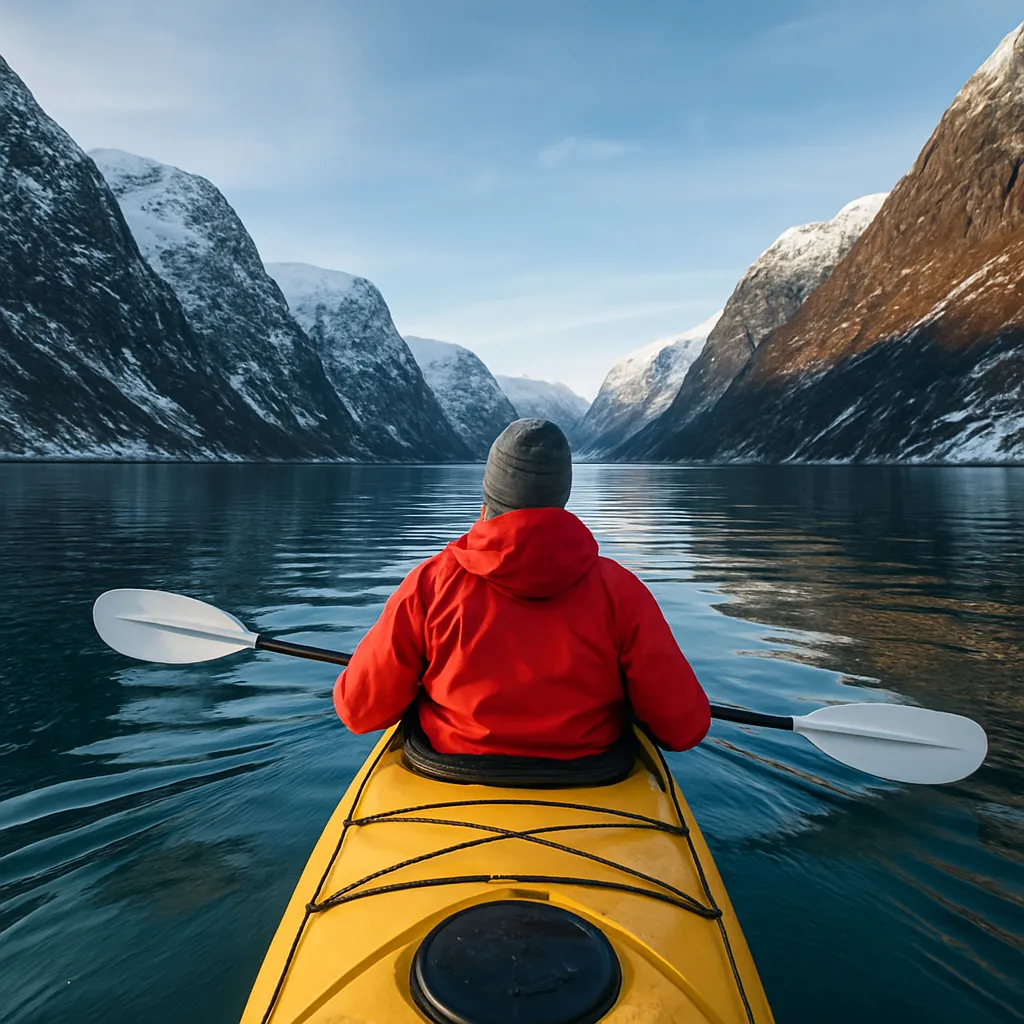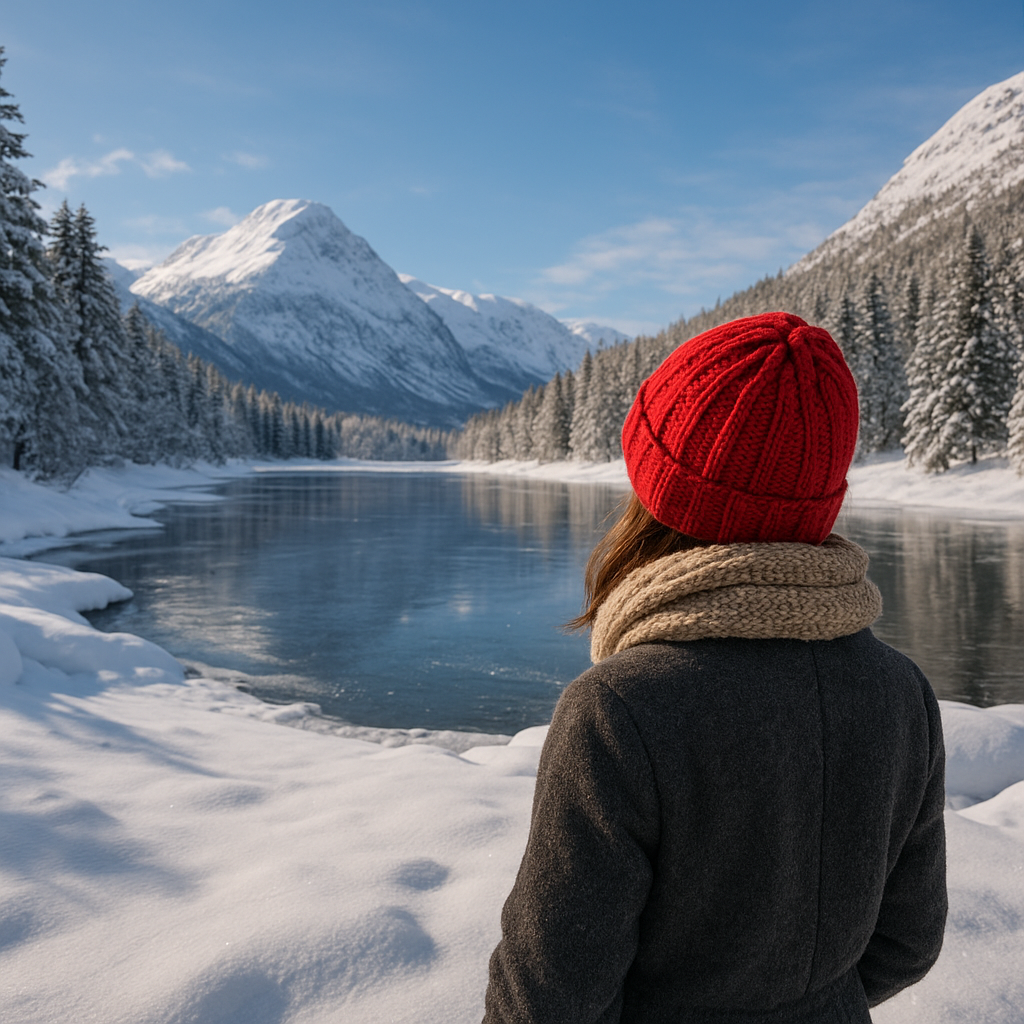
The crisp air, the endless expanse of snow-covered landscapes, and the thrill of gliding on ice or down a slope have long captivated the people of Norway. From small villages nestled in the fjords to bustling urban centers, winter brings an opportunity for both **adventure** and reflection. Exploring these activities reveals not only how sports shape daily life but also the broader **harmony** between humans and nature in the far north.
Winter Sports in Norway: A Deep-Seated Tradition
History and Evolution
The origins of winter sports in Norway can be traced back to practical needs. For centuries, residents relied on skis and sledges for transportation across icy terrain, turning survival techniques into forms of recreation. Over time, friendly competitions during local gatherings evolved into organized events, cementing skiing as a national pastime. This evolution reflects a deep-rooted sense of tradition and respect for the winter elements.
Popular Disciplines
- Cross-Country Skiing: Often called the “engine” of Norway’s athletic culture, this endurance sport blends cardiovascular training with silent excursions through snow-draped forests.
- Downhill Skiing: High-speed descents on well-groomed slopes emphasize technique, balance, and precision. Resorts across Norway, such as Geilo and Trysil, host both amateurs and professionals.
- Biathlon: Combining cross-country skiing with marksmanship, biathlon showcases the dual demands of endurance and focused calm under pressure.
- Skating: From long-track speed skating on natural lakes to figure skating in urban rinks, ice sports offer a graceful counterpoint to the ruggedness of ski tracks.
- Ice Hockey: A team sport that kindles local pride, Norwegian ice hockey leagues foster community spirit while developing quick reflexes and strategic play.
- Curling: Often dubbed “chess on ice,” curling tests a team’s coordination, communication, and careful planning on a uniquely slippery battlefield.
Together, these disciplines embody Norway’s commitment to movement and **endurance** even in the darkest winter months. Whether through solitary journeys across white plains or the camaraderie of team sports, winter athletics remain woven into the national fabric.
Community, Culture, and Health Benefits
Social Bonds and Local Events
Communities regularly organize local races, ice-skating nights, and sledding parties that bring families and neighbors together. These gatherings nurture a sense of **community** and belonging. Even in remote hamlets, volunteers maintain cross-country tracks and ensure safe ice conditions, highlighting a collective spirit that thrives in shared tasks and celebrations.
Physical and Mental Well-Being
Engaging in outdoor sports throughout winter offers significant health advantages. Regular exposure to cool air improves lung capacity and circulation, while sustained physical activity can reduce stress levels and combat seasonal affective disorder. The combination of sunlight reflection from snow and the invigorating cold supports mental resilience, fostering a mindset of **resilience** and positivity.
Education and Youth Programs
Schools across Norway incorporate winter sports into their curriculum, emphasizing both safety and skill development. Young participants learn how to prepare equipment, recognize changing weather patterns, and practice proper technique. As a result, children grow up valuing responsibility, respect for nature, and an enduring **passion** for exploration.
Gear, Technology, and Environmental Impact
Advancements in Equipment
Technological innovations have transformed how athletes approach winter sports. Modern skis feature lightweight composite materials that maximize speed without sacrificing stability. Skating blades are precisely honed to reduce friction, while specialty suits in biathlon incorporate aerodynamic fabrics. Such developments demonstrate Norwegian ingenuity and a drive for continuous improvement.
Eco-Friendly Practices
Awareness of the fragile Arctic environment prompts many resorts and sporting associations to adopt sustainable measures. Snow-making machines optimized for minimal water consumption, solar-powered lift stations, and strict waste management protocols keep ecological footprints low. Camp organizers often educate participants on Leave No Trace principles, reinforcing the bond between sports enthusiasts and the landscapes they cherish.
Traditional Clothing and Modern Layers
Layering systems have evolved from woolen garb to high-tech synthetics that regulate temperature and wick moisture away from the skin. Participants balance style and **innovation** when selecting sturdy outer shells, thermal mid-layers, and breathable base layers. Accessories like gloves infused with touchscreen-compatible materials allow seamless integration between analogue and digital experiences.
Major Events and Tourism in Winter Wonderland
International Competitions
Norway regularly hosts world-class events, such as the Holmenkollen Ski Festival and various stages of the FIS World Cup. These competitions attract elite athletes from around the globe and spotlight Norway’s scenic venues. The precise organization of such events highlights the nation’s dedication to both performance and hospitality.
Winter Olympic Legacy
The 1994 Winter Olympics in Lillehammer served as a milestone, inspiring lasting infrastructural and cultural impacts. Stadiums and trails continue to welcome amateurs, while the Olympic legacy centers foster interactive exhibits on winter sports history and environmental conservation. Visitors can learn how past champions mastered the elements to achieve **freedom** in motion.
Tourism and Adventure Travel
- Guided ski safaris through untouched backcountry, complete with avalanche safety briefings and wilderness camping.
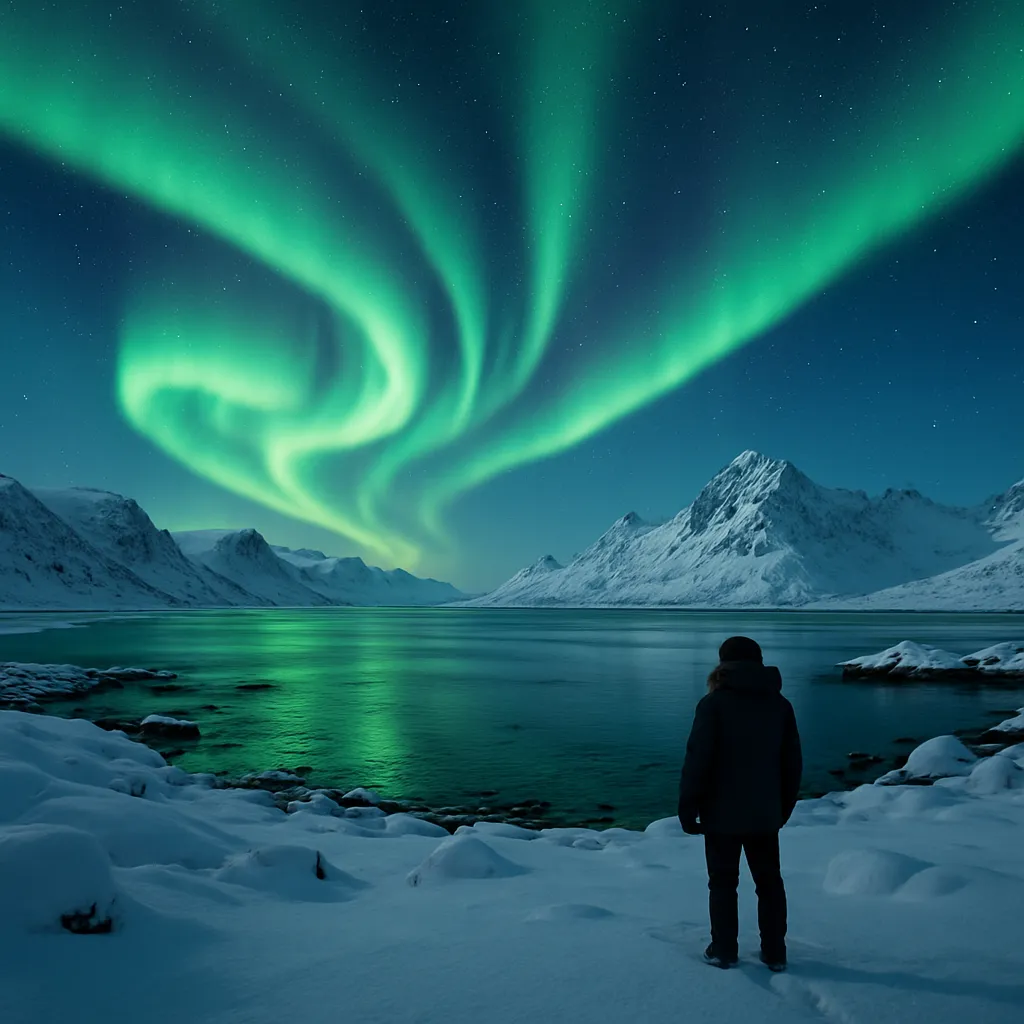
- Ice hotel experiences where visitors sleep in rooms sculpted from snow and ice, surrounded by thermal blankets and northern lights.
- Dog-sledding and snowmobile tours that combine speed with cultural insight into Sámi traditions.
- Nighttime snowshoe hikes followed by hot meals in traditional cabins, offering serene encounters with the quiet winter forest.
For many travelers, Norway’s winter terrain promises both adrenaline and serenity, reinforcing the idea that **adventure** and reflection can coexist under the glow of snow-mantled skies.
Safety, Strategy, and Future Directions
Risk Management
While winter sports bring exhilaration, they also carry inherent dangers. Avalanche training courses, helmet use, and avalanche beacons are now standard safety practices. Ski patrols and mountain rescue teams operate year-round to ensure swift assistance when incidents occur, embodying a culture of mutual care and **strategy**.
Research and Development
Norwegian universities and sports institutes collaborate on studies into physiological responses to cold, aiming to optimize training regimens and injury prevention. Breakthroughs in wearable sensors and data analytics allow coaches to monitor heart rate variability and muscle fatigue in real time, guiding personalized programs that enhance performance without compromising health.
Environmental Stewardship
Climate change poses a pressing challenge for winter sports communities worldwide. In Norway, stakeholders are investing in renewable energy sources, reforestation projects, and carbon offset programs to secure the future of snow-based recreation. By taking proactive steps, they aim to preserve the **passion** for winter sports for generations to come.
Conclusion
Across Norway, winter sports transcend mere competition; they represent a profound connection to the landscape, a celebration of human spirit in harmony with nature, and a testament to innovation, health, and community. From the hush of a powdered forest to the roar of stadium crowds, these pursuits reveal how living in a land of ice and snow can foster a spirit of exploration and shared achievement without end.