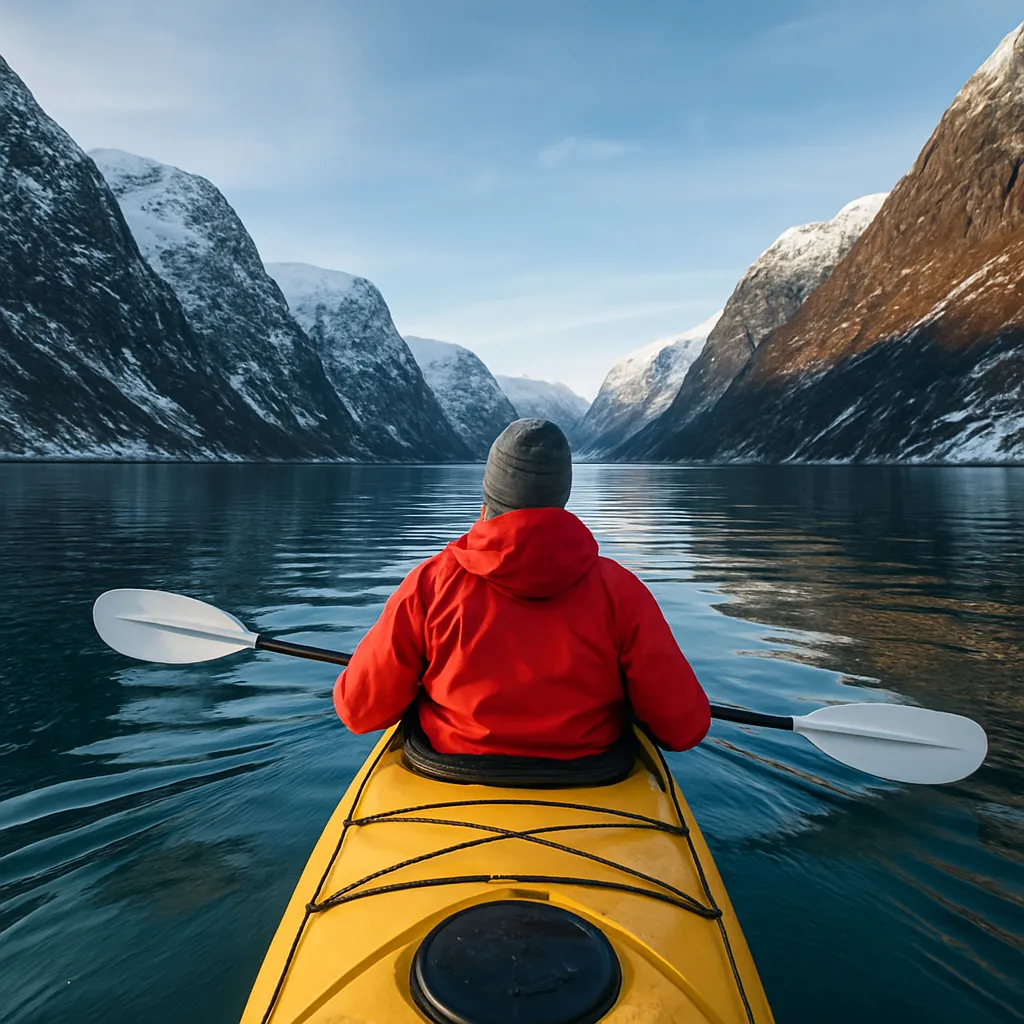
Winter sports captivate the imagination, blending the thrill of speed with the serene beauty of snow-covered landscapes. From the exhilaration of downhill runs to the rhythmic glide of cross-country trails, these activities offer more than just cold-weather entertainment. They foster resilience, encourage camaraderie, and invite participants into a world where physical prowess meets environmental appreciation.
Types of Winter Sports and Their Unique Appeal
Across the globe, winter sports have evolved into a diverse spectrum of activities, each with its own set of challenges and rewards. Whether you crave high-speed descents or prefer a more meditative experience, there’s something in the frosty domain for every adventurer.
- Alpine Skiing: Often synonymous with mountain resorts, alpine skiing involves racing down groomed slopes on skis. Precision and balance are key as skiers navigate varying terrain at speeds that can exceed 80 mph.
- Snowboarding: A relatively modern discipline, snowboarding demands coordination and style. Riders stand sideways on a single board, carving turns and launching off jumps in terrain parks or halfpipes.
- Cross-Country Skiing: For those seeking endurance, cross-country skiing offers a full-body workout. Traversing rolling landscapes, participants develop strength and cardiovascular capacity while immersed in tranquil surroundings.
- Ice Skating: From recreational rinks to frozen lakes, ice skating appeals across generations. Figure skaters combine artistry and athleticism, while speed skaters chase records on long tracks.
- Biathlon: Combining cross-country skiing with rifle shooting, the biathlon tests both physical stamina and mental focus. Competitors shift from intense bursts of propulsion to calm, steady marksmanship.
- Ski Jumping: A spectacle of flight, ski jumpers launch off steep ramps, soaring through the thin air before landing on a distant slope. Technique and aerodynamic positioning determine success.
- Ice Hockey: This team sport delivers fast-paced action and strategic play on an ice rink. Skating skills meet tactical passing and shooting in a dynamic, often physical contest.
- Snowshoeing: An accessible entry point for many winter enthusiasts, snowshoeing allows hikers to traverse deep powder without sinking. It’s a low-impact way to explore remote areas and enjoy crisp, fresh air.
Physical and Mental Benefits of Embracing the Chill
Diving into winter sports goes beyond seeking adrenaline; it’s a holistic pursuit that nurtures body and mind alike. The contrast between biting air and exertion provides a potent catalyst for overall well-being.
Strength, Endurance, and Coordination
Cold conditions demand efficient energy use. Muscles work harder to maintain warmth, enhancing calorie burn and strengthening both major and stabilizing muscle groups. Skiing and snowboarding refine balance and spatial awareness, while ice-based disciplines hone fine motor coordination. Regular participation builds endurance, improves cardiovascular health, and encourages agility.
Mindfulness and Stress Relief
Snow-laden forests and frozen lakes offer natural sanctuaries. The repetitive motion of gliding or skating promotes a meditative state, reducing anxiety and sharpening focus. Activities like biathlon incorporate controlled breathing and concentration, fostering mental clarity. Many practitioners report improved sleep patterns and a sustained boost in mood.
Gear, Innovation, and Safety Measures
Advancements in technology continually reshape the landscape of winter sports, pushing boundaries of performance and protection. Modern equipment balances lightness, durability, and thermal efficiency, ensuring athletes can pursue their passion with confidence.
Cutting-Edge Equipment
- Skis and Snowboards: Contemporary designs utilize composite materials and rocker profiles that adapt to various snow conditions, providing stability at high speeds and effortless maneuvering in deep powder.
- Protective Gear: Helmets, back protectors, and impact vests integrate innovation in materials science, offering superior shock absorption without hindering movement.
- Smart Clothing: Thermal layers embedded with phase-change materials regulate body temperature, while moisture-wicking fabrics keep skin dry. Wearable sensors track performance metrics such as heart rate, altitude, and jump height.
Safety Protocols and Training
Proper instruction and conditioning are essential to minimize risks. Avalanche transceivers, probes, and shovels are non-negotiable for backcountry excursions. Resorts and clubs emphasize avalanche awareness courses and slope etiquette. Cross-training—such as gym workouts focusing on core strength and flexibility—prepares the body for the demands of winter terrains.
Environmental Stewardship and Cultural Significance
While winter sports flourish in ecosystems sensitive to climate fluctuations, athletes and organizations are increasingly advocating for sustainable practices. Reduced carbon footprints and responsible land use are pivotal to preserving these icy realms.
Sustainable Practices
- Eco-friendly resorts invest in renewable energy sources—solar panels, hydroelectric power, and geothermal systems—to operate lifts and facilities.
- Snowmaking technologies now recycle water and employ energy-efficient compressors, reducing resource consumption during lean natural snowfall years.
- Waste reduction programs promote reusable equipment rentals and discourage single-use plastics in lodges and cafeterias.
Cultural Traditions and Winter Festivals
From Norway’s fjord landscapes to Canada’s Rocky Mountains, winter sports shape local identities. Festivals like the Ice Music Festival in Norway celebrate creativity with frozen instruments, while ski jumping competitions in Central Europe draw massive crowds. These gatherings nurture a sense of belonging and highlight the season as a time for community and shared winter wonderland experiences.
Embracing the Future of Frosty Adventures
As technology advances and environmental awareness deepens, the realm of winter sports stands at a crossroads. By combining innovative gear with sustainable mindsets, athletes and enthusiasts can ensure that the magic of snow-covered adventures endures for generations. Whether carving down a mountainside or gliding across a frozen lake, participants will continue to reap the rewards of performance, fellowship, and personal growth that only cold-weather pursuits can deliver.