Winter sports captivate adventurers and thrill seekers with a blend of adrenaline and natural beauty. From carving fresh tracks on powdery slopes to gliding across frozen lakes, these activities combine physical challenge with serene landscapes. Enthusiasts adopt specialized gear, refine techniques through dedicated training, and embrace sustainable practices to preserve pristine mountain environments. This article explores essential equipment, top destinations, safety measures, and the ecological responsibilities that shape the modern winter sports experience.
Equipment and Preparation
Successful performance on snowy terrain relies on selecting the right gear and mastering proper preparation. Advances in materials science have elevated winter sports equipment to offer exceptional durability and precision for both novices and experts. Attention to insulation in apparel ensures athletes stay warm without sacrificing mobility. Cutting-edge components enhance performance, enabling enthusiasts to push beyond previous limits.
Clothing Layers
Layering forms the cornerstone of comfort in cold conditions. A well-structured system adapts to changing temperatures and activity levels.
- Base Layer – Moisture wicking fabric that draws sweat away from the skin
- Mid Layer – Insulating materials such as fleece or synthetic fill
- Outer Layer – Waterproof, windproof shell that shields against snow and gusts
Gear Essentials
Each discipline demands specialized tools. Key items include:
- Skis or Snowboard – Designed for terrain type and riding style
- Boots and Bindings – Precision fit controls energy transfer
- Poles – Balance assistance and propulsion for cross country
- Helmet and Goggles – Impact protection and clear vision
- Avalanche Beacon, Probe, and Shovel – Vital for avalanche response in backcountry trips
Popular Winter Sports and Destinations
Globally, regions with reliable snowfall and varied terrain attract millions of visitors annually. Enthusiasts travel far and wide to sample renowned slopes and local traditions. Some of the most celebrated locations include:
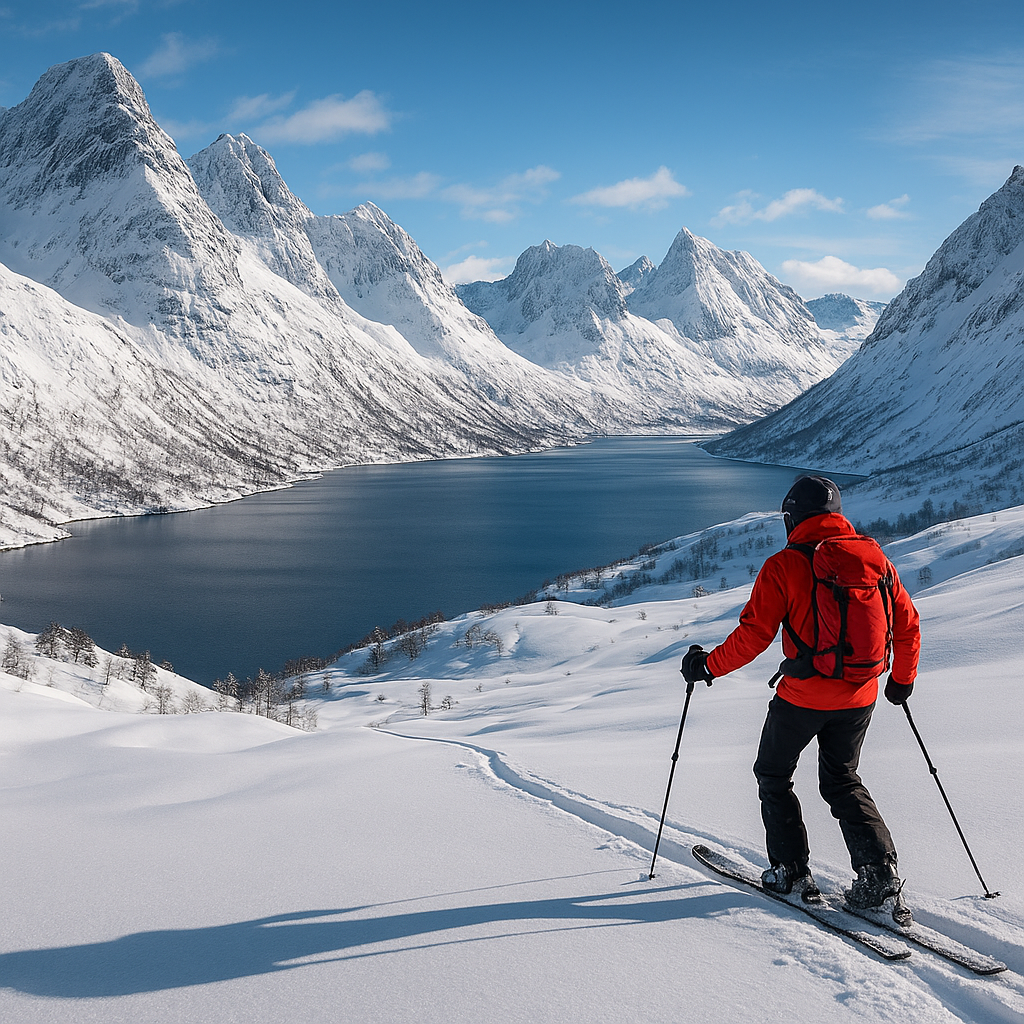
- Norway – A paradise for cross-country skiing that traces frozen fjords and forest tracks
- Switzerland – The heart of the Alps, offering challenging alpine runs and world class resorts
- Japan – Famous for light, deep powder and cultural immersion in mountain villages
- Canada – Vast backcountry terrain in British Columbia and Quebec
Iconic Resorts and Regions
- Chamonix – Historic alpine town with legendary off-piste opportunities
- Whistler Blackcomb – North America’s largest ski area renowned for diverse terrain
- St Anton – Austrian hotspot for steep runs and vibrant après ski scene
- Niseko – Japanese hotspot famous for consistent snowfall and hot springs
Safety, Training, and Skill Development
Pursuing winter sports safely requires comprehensive training and risk management. Even experienced athletes must remain vigilant to changing conditions. Understanding mountain dynamics and weather patterns reduces exposure to hidden hazards.
- Formal Courses – Enroll in avalanche safety programs and first aid workshops
- Guided Tours – Local experts offer insights into terrain and current snow stability
- Physical Conditioning – Strength and endurance training enhances stability and reduces injury
- Equipment Inspection – Routine checks of bindings, edges, and seals to prevent malfunctions
Respecting proper protocols minimizes risk and fosters a safer environment for all participants.
Environmental Impact and Sustainable Practices
Winter sports communities increasingly emphasize conservation. As climate change alters snow patterns, stakeholders adopt strategies to support sustainability and protect delicate ecosystems. Resorts invest in energy efficient snowmaking, eco friendly lodging, and waste management systems.
- Eco-friendly Gear – Recycled materials and biodegradable waxes reduce environmental burden
- Carbon Footprint Reduction – Carpooling, public transit, and renewable energy initiatives
- Habitat Preservation – Collaborative efforts to limit trail expansion and maintain wildlife corridors
- Education Campaigns – Encouraging leave no trace principles and respect for natural surroundings
By prioritizing conservation, the winter sports community ensures that powder covered peaks and frozen lakes remain accessible for generations to come.