Embarking on a journey to conquer frosty landscapes and embrace exhilarating challenges, winter sports offer a unique blend of adrenaline, tradition, and camaraderie. From the serene glide of cross-country skiing to the pounding excitement of downhill races, enthusiasts discover more than just physical exertion—they become part of a living heritage. This article delves into the world of Nordic ski marathons, essential gear, training wisdom, and the vibrant cultural tapestry that makes winter sports truly unforgettable.
Essentials of Traditional Norwegian Ski Marathons
Understanding the Marathon Phenomenon
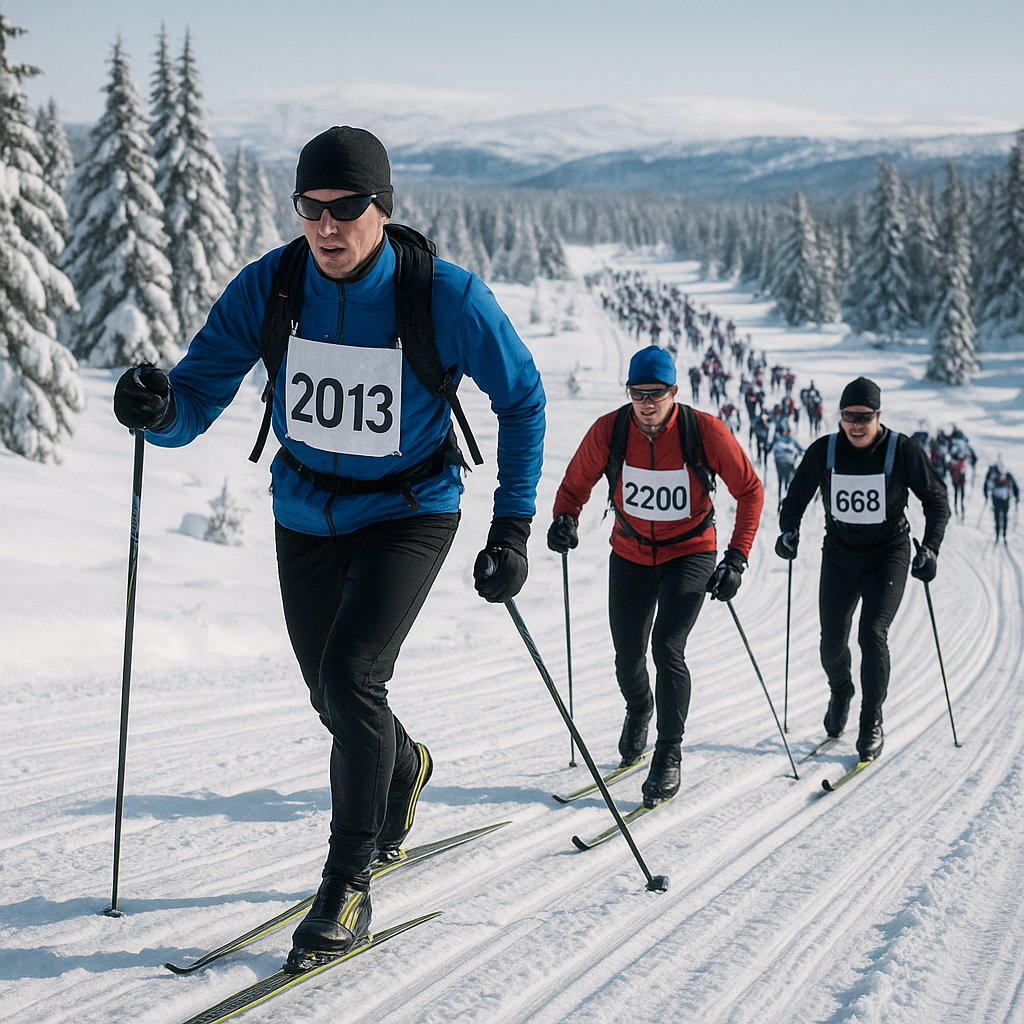
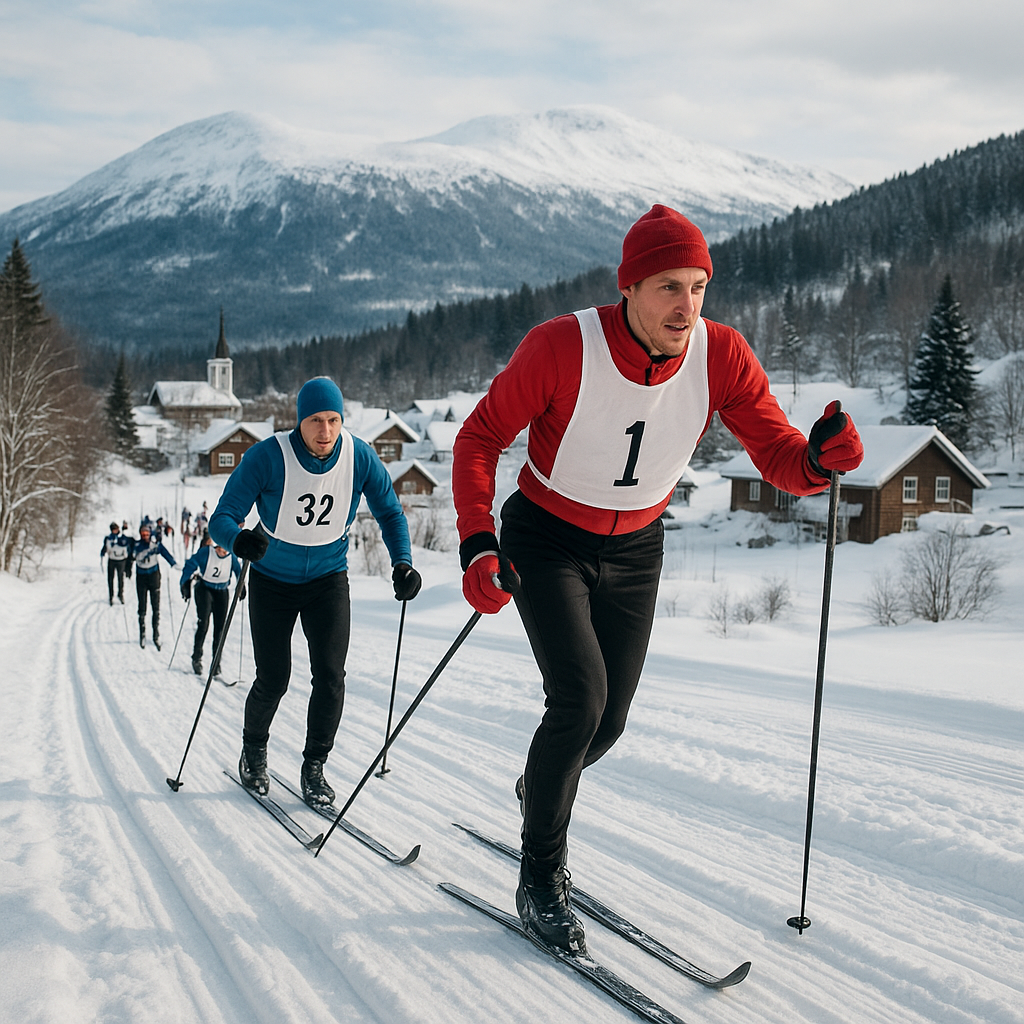
Norwegian ski marathons represent a pinnacle of endurance sports, often stretching over 40 to 50 kilometers across varied terrain. Unlike timed sprint events, these marathons prioritize steady pacing, efficient technique, and mental resilience. Participants traverse well-groomed trails, ascend gentle hills, and glide through dense forests, all while absorbing breathtaking arctic scenery. The atmosphere is electric yet supportive, as racers exchange nods of encouragement and spectators cheer every passing skier.
Historic Trails and Iconic Routes
Many ski marathons trace their origins to 19th-century hunting expeditions and military patrols. Iconic routes like the Birkebeinerrennet and Vasaloppet offer a blend of challenging climbs and rewarding descents. The Birkebeinerrennet commemorates a legendary rescue mission, while Vasaloppet symbolizes freedom and national pride. These courses feature:
- Wooded valleys with soft, powdery snow
- Open plateaus susceptible to crisp winds
- Steep ascents demanding powerful kick-and-glide technique
- Technical downhills requiring precise balance and edge control
Preparing Physically and Mentally
Structured Training Regimens
A successful ski marathon journey begins months before the first snowfall. Beginners and veterans alike benefit from periodized training plans focusing on:
- Cardiovascular base building through running or cycling
- Strength training targeting the core, quads, and glutes
- Balance and coordination drills using roller skis or ski simulators
- Technique refinement sessions with a certified coach
Combining long, slow distance workouts with interval sessions promotes both aerobic capacity and muscular strength. A typical week might include two high-intensity interval sessions, three endurance workouts of 1–3 hours each, and one dedicated strength training day.
Mind Over Matter: Psychological Strategies
When fatigue sets in and muscles tremble, a strong mindset separates finishers from starters. Athletes employ visualization techniques, picturing themselves crossing the finish line with arms raised. They practice positive self-talk—repeating affirmations like “I am strong” and “One glide at a time.” Incorporating mindfulness and breathing exercises eases pre-race jitters, fostering a calm yet focused mental state.
Choosing and Maintaining Equipment
Selecting the Right Skis and Poles
Your choice of skis and poles can make or break a marathon experience. Key considerations include:
- Camber and Flex: Ensure proper weight distribution for optimal kick and glide.
- Length and Width: Tailor to your height, weight, and preferred terrain.
- Material: Carbon fiber poles offer lightweight stiffness, while aluminum poles provide budget-friendly durability.
Regular waxing is crucial. Grip wax underfoot enhances traction on uphill sections, while glide wax along the ski base reduces friction on flat and downhill stretches. Temperature-specific wax selection allows skiers to adapt to changing snow conditions from icy crusts to fluffy powder.
Clothing, Accessories, and Safety Gear
Layering is an art form in winter sports. A typical system comprises:
- Base Layer: Moisture-wicking fabric to keep skin dry.
- Insulating Layer: Fleece or down to trap warmth.
- Outer Shell: Windproof and breathable jacket and pants.
- Accessories: Gloves with touchscreen compatibility, thermal socks, and a headband or hat.
Always carry a lightweight first aid kit, energy bars, and water in a hydration pack. Sunglasses or goggles protect eyes from UV glare and snow spray. In remote sections, a small emergency blanket and a whistle can prove life-saving.
Cultural Significance and Community Spirit
Festivals, Food, and Festivities
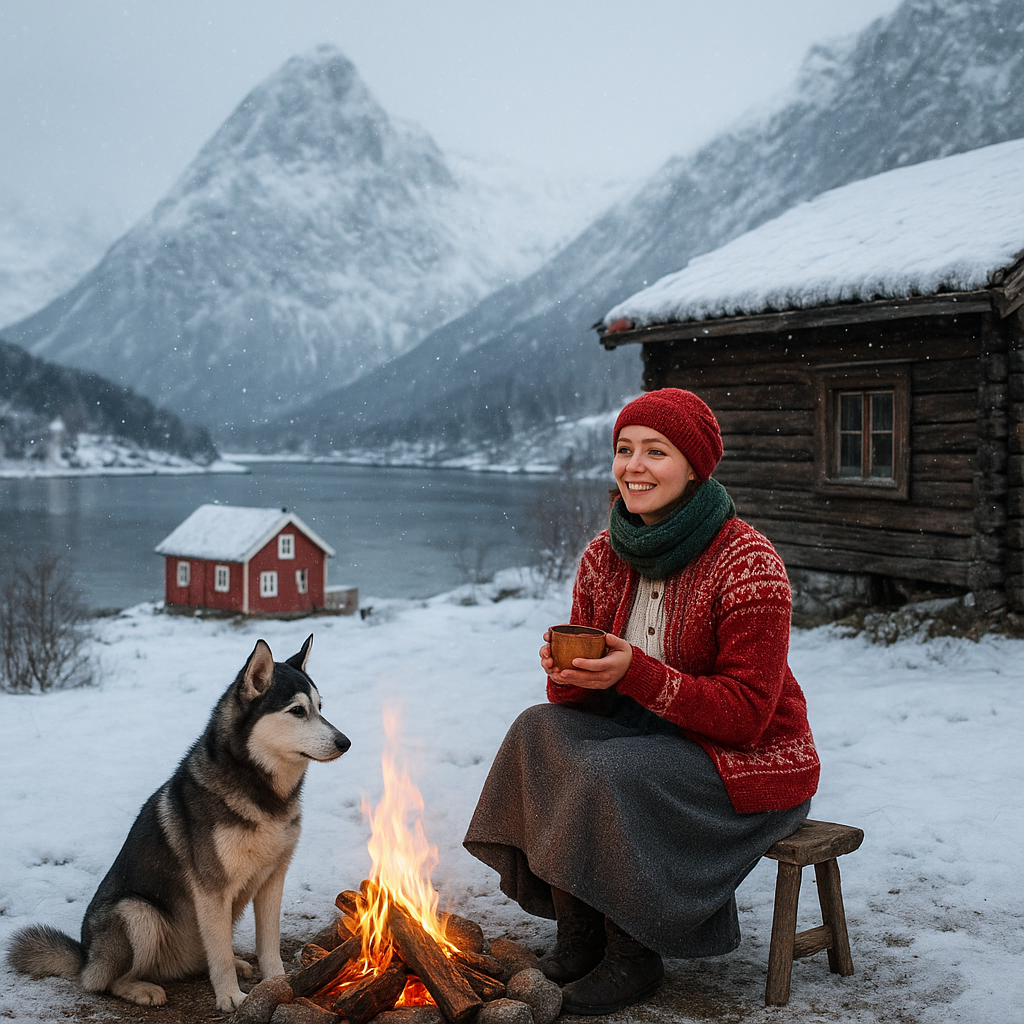
Ski marathons offer more than a race—they are festive gatherings that celebrate winter heritage. Villages along the trail host food stands serving traditional dishes like:
- Warm reindeer stew
- Homemade flatbread with berry jam
- Hot cocoa infused with local herbs
Live music, folkloric dances, and costume parades create an immersive atmosphere. Spectators line the routes, waving flags and offering encouraging shouts, reinforcing the strong sense of community and solidarity among participants.
Joining Local Ski Clubs and Tours
To gain insider knowledge and build camaraderie, consider joining a local ski club. Clubs often organize:
- Weekly group workouts and technique clinics
- Social gatherings around wood-fired saunas
- Guided tours of lesser-known backcountry trails
Membership grants access to exclusive waxing rooms, discounted gear, and mentorship from experienced athletes. Many clubs foster youth programs, nurturing the next generation of winter champions and ensuring that traditions endure.
Beyond the Marathon: Exploring Other Winter Sports
Biathlon and Other Hybrid Disciplines
For thrill-seekers craving variety, biathlon blends cross-country skiing with precision rifle shooting. Athletes race along a course, halt at shooting lanes, and strive for flawless marksmanship under physical duress. Missed shots incur penalty loops, testing both nerve and stamina.
Emerging Trends: Ice Climbing and Fat Biking
Winter sports continue to evolve, with activities like ice climbing and fat biking gaining popularity. Climbing frozen waterfalls demands specialized crampons, ice axes, and technical expertise. Fat bikes, equipped with oversized tires, allow riders to traverse powdery trails and groomed tracks with surprising ease.
Adventure seekers can combine these pursuits, embarking on multi-day expeditions that traverse glaciers, ski through alpine passes, and set up camp under the aurora-lit sky.
Final Tips for Your Winter Sport Journey
Embrace the Learning Curve
Mastery takes time. Celebrate small victories, whether perfecting a diagonal stride technique or successfully waxing your skis for low-temperature snow. Each milestone builds confidence and momentum.
Respect Nature and Safety Protocols
Always check weather forecasts, avalanche bulletins, and local regulations before heading out. Practicing Leave No Trace principles preserves delicate ecosystems, ensuring that future generations can enjoy pristine winter landscapes.
Stay Connected and Share Experiences
Document your adventures through journals, photos, and social media groups. Sharing stories fosters a global network of winter sports enthusiasts eager to exchange advice, recommend gear, and celebrate collective achievements.