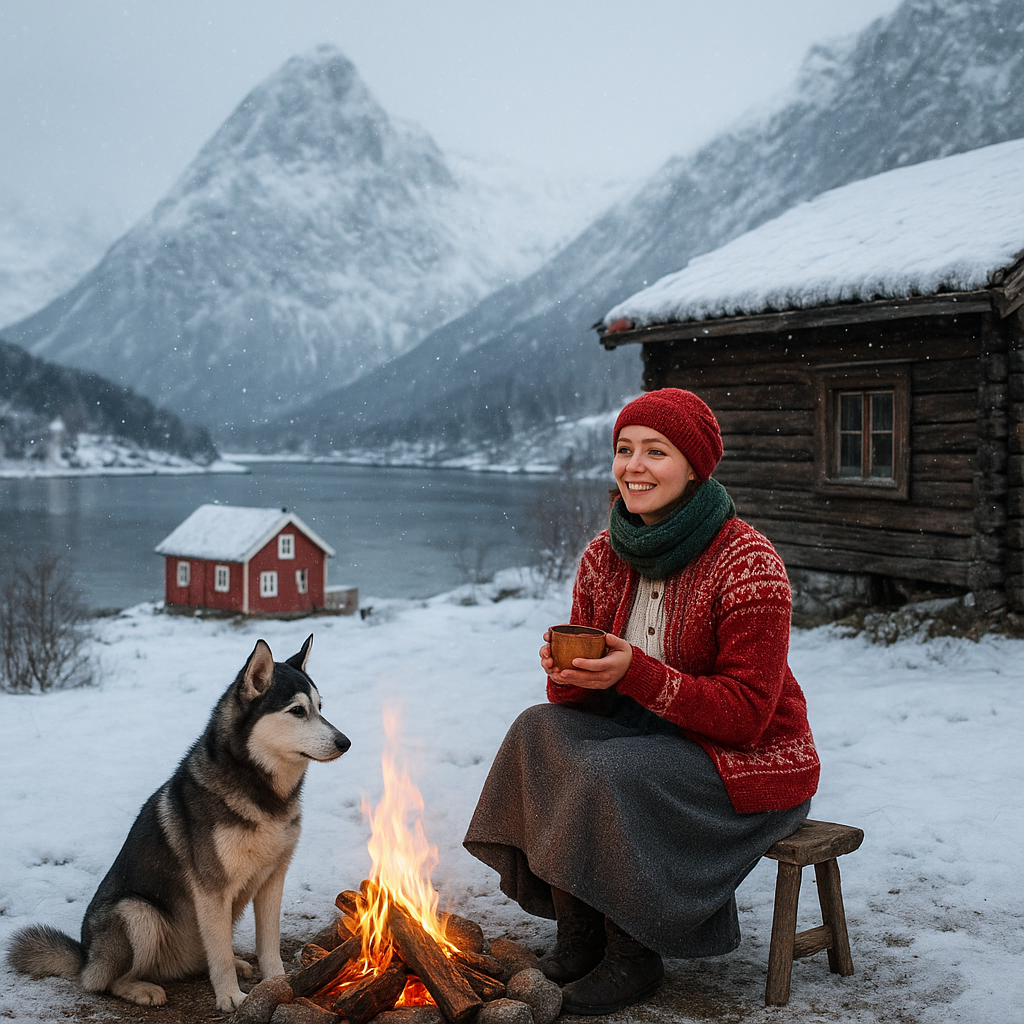
Winter brings a unique canvas for athletes and adventurers, offering pristine snow-covered landscapes and an array of exhilarating activities. From the serene glide of cross-country skiing to the pulse-quickening rush of alpine descents, each discipline invites participants to challenge themselves and experience the season’s magic. This article delves into several facets of winter sports, shining a spotlight on the Birkebeinerrennet Ski Marathon and the broader themes that make cold-weather athletics so compelling.
Exploring the Thrill of Winter Sports
Winter sports captivate enthusiasts with their blend of skill, strategy, and natural beauty. Whether you’re an amateur seeking to carve your first turn or an expert chasing a new personal best, snow and ice provide an ever-changing playground. The adrenaline rush from speeding down a slope on a snowboard, the meditative state achieved during a long cross-country tour, and the teamwork essential in sports like ice hockey all contribute to a diverse tapestry of experiences.
Key elements that draw people to winter sports include:
- Landscapes: Vast white plains, towering fir forests, and frozen lakes set the stage.
- Tradition: Many events trace back centuries, reflecting cultural heritage and local pride.
- Technique: Precision matters—whether you’re mastering the perfect ski stance or honing your skating stride.
- Community: Friendships form on lifts, trails, and locker rooms.
Mastering the Birkebeinerrennet Ski Marathon
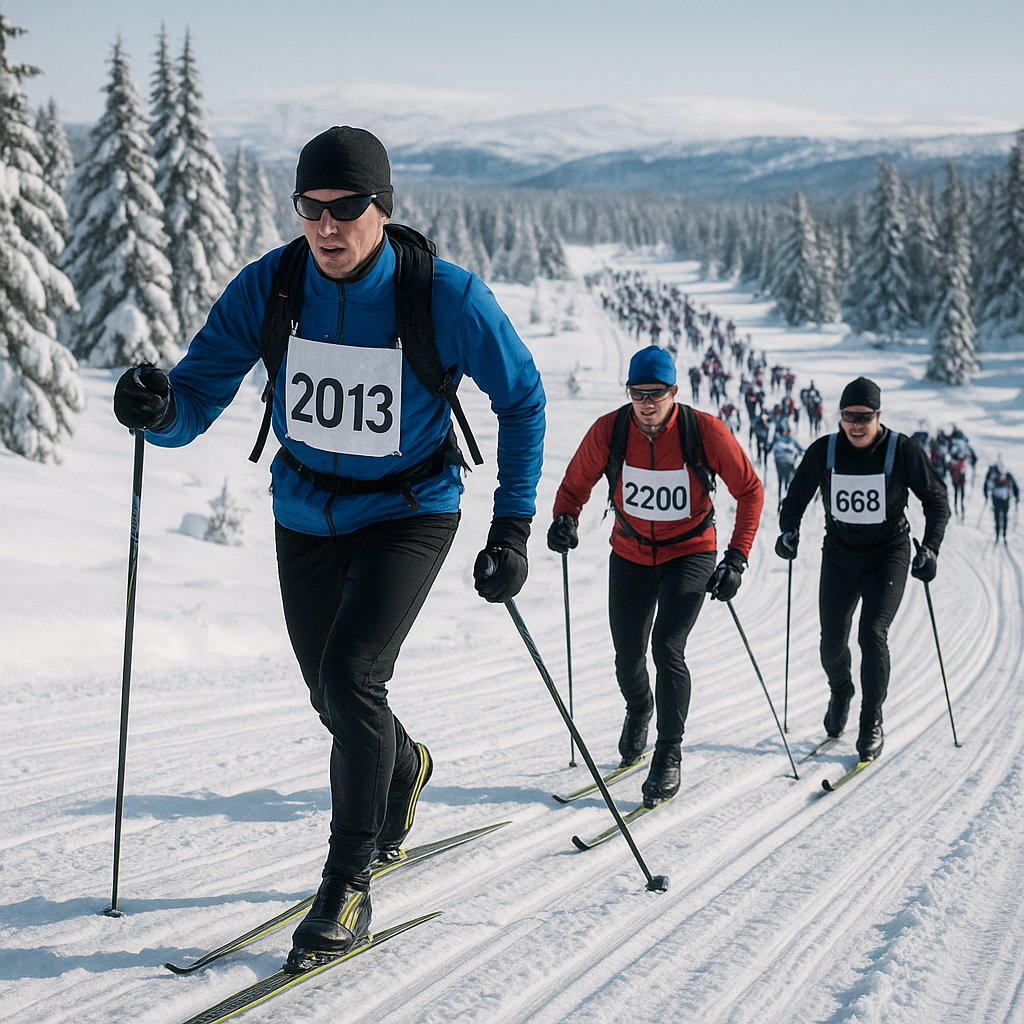
Regarded as one of the world’s oldest and most prestigious cross-country events, the Birkebeinerrennet stretches approximately 54 kilometers between Rena and Lillehammer in Norway. Participants follow the footsteps of legendary 13th-century warriors, blending athletic challenge with a rich historical narrative. Trekkers brave steep climbs, icy descents, and unpredictable weather, all while pacing themselves for endurance over varied terrain.
Historical Roots and Significance
The race commemorates how a group of birkebeiners evacuated a future king during civil war. Competitors carry a small backpack symbolizing the crown prince, an homage to their forebears. This symbolic act intertwines resilience and heritage, transforming a sporting event into a moving tribute.
Course Highlights and Challenges
- Early uphill segments that test leg strength and technique.
- Sweeping forested paths demanding rhythm and stamina.
- Exposed alpine ridges where wind and cold require careful layering.
- The final descent into Lillehammer, offering a thrilling conclusion.
Essential Equipment and Preparation
Success in winter sports hinges on selecting the right gear and preparing methodically. For long-distance skiing, wax selection, pole length, and ski stiffness can dictate performance. In downhill skiing, binding settings, helmet fit, and boot flex all contribute to control and safety. A well-planned equipment checklist might include:
- Pair of skis or snowboard matched to skill level and snow conditions.
- High-performance boots with customizable liners.
- Equipment maintenance kit—wax, brushes, tuning tools.
- Layered clothing system: moisture-wicking base layers, insulating mid-layers, and windproof outer shells.
- Protective gear: helmet, goggles, gloves, and, where needed, back protectors.
Physical preparation is equally vital. Athletes often follow a cross-training regimen combining strength, flexibility, and cardiovascular conditioning. Core workouts, leg presses, and balance drills boost stability, while interval training enhances aerobic capacity. Mental preparation—visualization, goal-setting, and stress management—rounds out a comprehensive program.
Techniques for Success on the Trails
Regardless of discipline, refining technique can turn a demanding route into an enjoyable journey. In cross-country skiing, alternating between classical stride and skate skiing keeps muscles engaged and improves glide efficiency. For those tackling the Birkebeinerrennet, mastering the classic technique on uphill sections conserves energy, while incorporating short bursts of V2 skating can accelerate pace on gentle gradients.
- Weight transfer: Distribute body weight smoothly from ski to ski for consistent glide.
- Pole placement: Plant poles behind the boot toes for maximum propulsion.
- Cornering: Bend knees deeply, lean into the turn, and use edges to maintain grip on icy surfaces.
- Rhythm and breathing: Synchronize breath with stride to sustain a steady tempo.
For downhill disciplines, carving techniques lower g-forces and increase control. Focus on angulating the hips, initiating turns with the lower body, and maintaining a forward stance. Practicing on varied terrain builds adaptability and skill diversity.
Embracing Community and Celebration
One of the most rewarding aspects of winter sports events like the Birkebeinerrennet is the sense of community. Volunteers line the course, locals cheer from hilltops, and fellow competitors exchange encouragement on the trail. The shared struggle fosters camaraderie that transcends personal ambition.
Festivities surrounding major competitions often include:
- Cultural performances highlighting regional music and dance.
- Local cuisine booths offering hearty soups, sausages, and sweet treats to refuel.
- Expo areas showcasing the latest in innovation—from heated gloves to GPS-enabled goggles.
- Awards ceremonies where finishers receive medals, and elite athletes earn accolades.
Whether you’re chasing a podium spot or simply reveling in the celebration of winter’s grandeur, the collective energy creates unforgettable memories. From renovating friendships over hot cocoa to swapping stories about conquering icy climbs, the afterglow of shared achievement lingers long after the snow has melted.