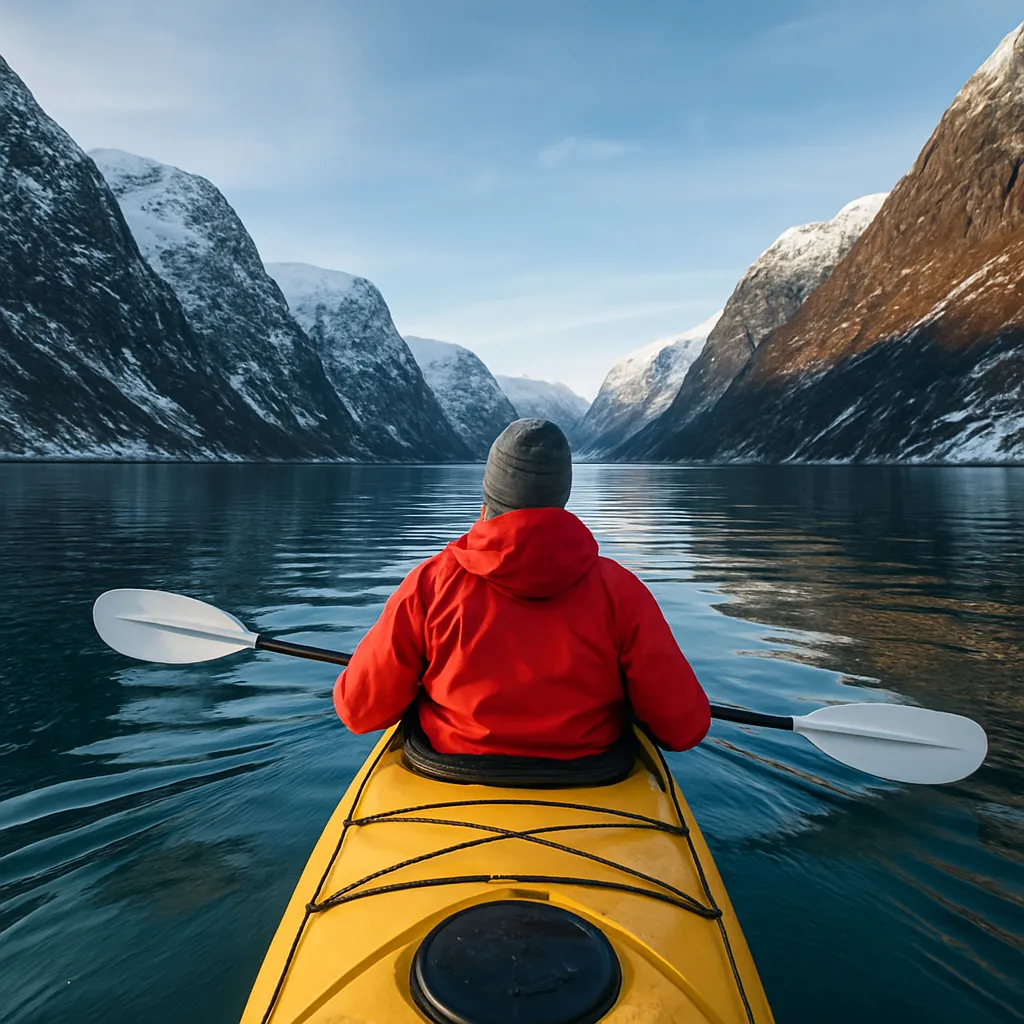
Winter transforms landscapes into a pristine playground where enthusiasts of all levels can embrace the chill and chase the exhilaration that only snow and ice can deliver. Whether you’re carving fresh tracks down a powder-coated slope or lacing up blades for a graceful glide, the realm of winter sports offers something for every adventurer. Dive into the essential insights, gear recommendations, and safety considerations that will ensure your next escapade in the frost is both memorable and well-prepared.
Getting Into the Spirit of Winter Adventure
For many, winter sports begin with the simple joy of feeling crisp air on your face and the crunch of fresh snow beneath your feet. From classic alpine skiing to niche disciplines like ice climbing, the snowy season unfolds a spectrum of activities that combine leisure, fitness, and that undeniable thrill. Explore popular pursuits below and discover which might ignite your passion.
Alpine Skiing and Snowboarding
- Alpine skiing remains the cornerstone of mountain resorts worldwide. Mastering turns on groomed trails builds balance and confidence before venturing off-piste.
- Snowboarding offers a unique stance and style, emphasizing fluid movement and freestyle tricks.
- Resorts often feature terrain parks with halfpipes and rails for riders seeking an adrenaline-fueled challenge.
Cross-Country Skiing and Nordic Disciplines
Also known as Nordic skiing, this activity emphasizes endurance and full-body coordination. Glide along groomed loops through serene forests or across frozen landscapes, where every stride engages your core and legs in a relentless yet meditative effort.
Ice Skating and Hockey
- Public rinks and natural frozen lakes invite skaters of all ages to practice glides, spins, and hockey maneuvers.
- Hockey enthusiasts can join pickup games that foster teamwork, strategy, and swift mobility on the ice.
- Figure skating communities host workshops to develop precision edging and artistic expression.
Ice Climbing and Mountaineering
Scaling frozen waterfalls or ice-laden cliffs requires specialized tools—crampons, ice screws, and technical axes. This vertical pursuit demands mental focus, physical strength, and a healthy respect for alpine safety protocols.
Equipping Yourself: Gear and Preparation
Successful winter adventures hinge on meticulous planning and the right equipment. Invest in quality items that match both your chosen sport and the environmental conditions you’ll face. Below, find key considerations to keep you warm, protected, and performing at your best.
Clothing Essentials
- Base layer: Moisture-wicking fabrics such as merino wool maintain skin dryness by drawing sweat away.
- Mid layer: Insulating fleece or down garments trap heat while remaining breathable.
- Outer shell: Waterproof, windproof jackets and pants protect against snow, sleet, and icy gusts.
- Accessories: A snug-fitting helmet, thermal gloves, a neck gaiter, and UV-blocking goggles ensure head-to-toe defense.
Technical Equipment
Whether you’re skiing, snowboarding, or exploring backcountry terrain, prioritize gear that enhances both performance and safety.
- Skis or snowboard: Choose models tailored to your skill level and preferred terrain.
- Bindings and boots: Proper fit prevents discomfort and reduces risk of injury.
- Poles (for skiing): Lightweight carbon or aluminum shafts aid in balance and rhythm.
- Avalanche essentials: A beacon, probe, and shovel become indispensable in off-piste environments.
Physical Conditioning and Technique
Preparation off the slopes enhances on-snow performance. Incorporate strength training, core exercises, and balance drills into your routine. Consider professional lessons or guided clinics to refine your technique, optimize efficiency, and build confidence before tackling more demanding terrain.
Safety, Sustainability, and Community
Respecting nature and fellow enthusiasts fosters a thriving winter sports culture. By prioritizing responsibility and environmental stewardship, you contribute to preserving pristine landscapes for generations to come.
Staying Safe in Icy Conditions
- Avalanche awareness: Enroll in certified courses to interpret snowpack layers and terrain traps. Always check regional bulletins before venturing into the backcountry.
- Weather monitoring: Rapid temperature shifts can turn powder into crust. Plan outings during favorable windows and remain flexible with itineraries.
- Emergency preparedness: Carry a first-aid kit, multi-tool, headlamp, and extra energy snacks. Share your route with someone reliable.
Protecting Winter Environments
Minimize footprints by following Leave No Trace principles. Stick to marked trails, avoid disturbing wildlife, and pack out all waste. Support resorts and organizations that invest in eco-friendly snowmaking and renewable energy initiatives.
Joining Local Clubs and Events
Engage with communities that host winter festivals, racing events, and group excursions. These gatherings not only expand your network but also offer mentorship opportunities with seasoned athletes. Whether you’re training for a marathon ski race or exploring hidden ice caves with like-minded explorers, camaraderie amplifies the joy of every frosty venture.