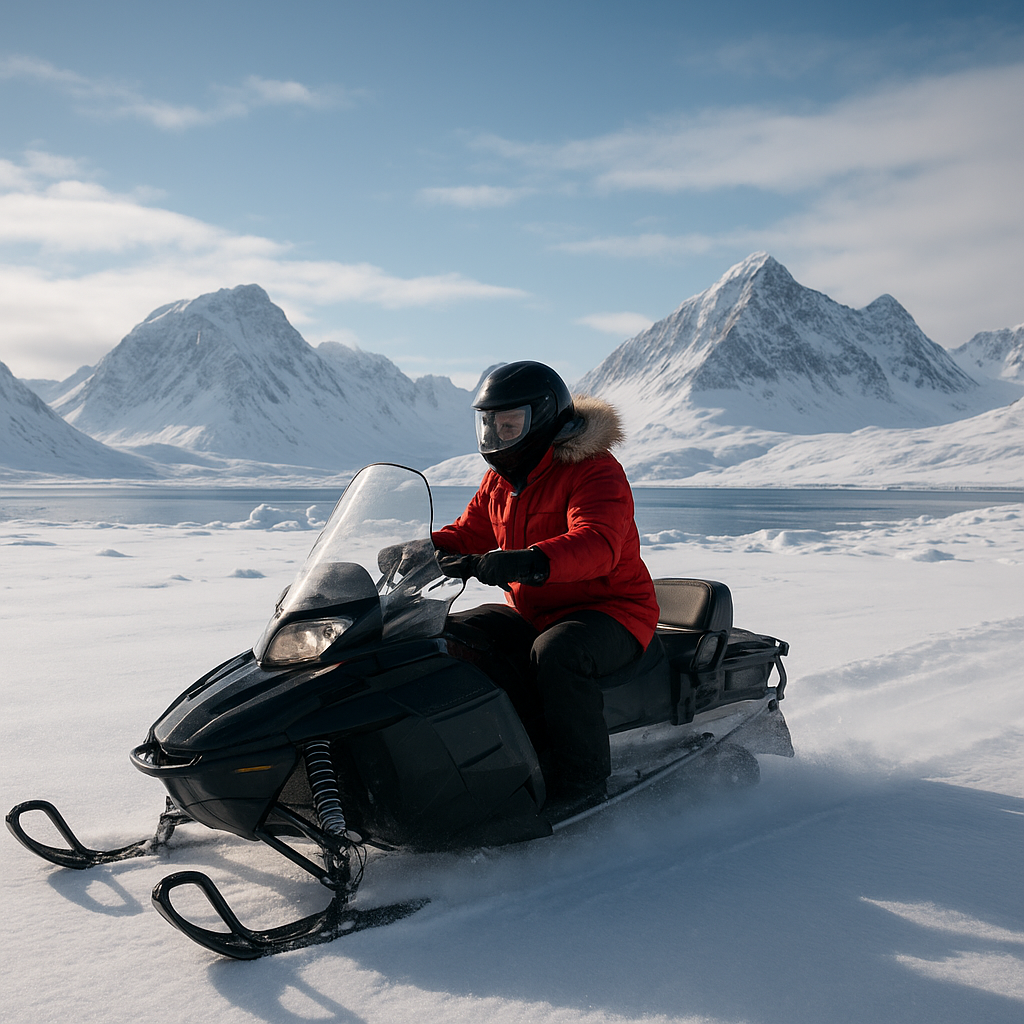
Embarking on an Arctic snowmobile expedition merges the thrill of winter sports with the awe-inspiring beauty of polar landscapes. From glistening ice fields to windswept tundra, every trail reveals a chapter in the tale of human adventure and resilience. Whether you are a seasoned rider or a winter sports enthusiast, mastering the art of Arctic exploration requires careful planning, thorough understanding of the environment, and respect for the delicate ecosystem.
Choosing the Right Equipment and Gear
Selecting the optimal setup is the foundation for a successful journey. The Arctic presents extreme temperatures, unpredictable weather changes, and varied snow conditions. By investing in specialized gear, you can tackle these challenges with confidence.
Snowmobile Models and Specifications
- Lightweight touring models: Ideal for long distances and comfort.
- Performance machines: High horsepower for deep-snow maneuvers.
- Utility sleds: Versatile cargo capacity for extended expeditions.
Key factors include engine displacement, track length, and suspension travel. A longer track provides superior flotation on soft snow, while advanced suspension systems absorb bumps on uneven terrain.
Essential Clothing and Accessories
- Layered base, mid, and outer shells made of breathable, waterproof materials.
- Insulated gloves, face masks, and thermal socks to prevent frostbite.
- Helmet with integrated communication system and anti-fog visor.
- Portable charging packs, GPS units, and personal locator beacons.
Maintaining body heat is critical. Choose moisture-wicking inner layers to keep skin dry and prevent hypothermia. Don’t forget ultraviolet protection—even in overcast conditions, snow reflects harmful UV rays.
Mastering Snowmobile Techniques and Ensuring Safety
Effective riding techniques combined with rigorous safety protocols reduce risks and maximize enjoyment. Practice in controlled environments before venturing into remote Arctic zones.
Fundamental Riding Skills
- Throttle control: Smooth acceleration prevents loss of traction.
- Weight distribution: Lean forward when climbing, shift back on descents.
- Cornering: Apply counter-steering and adjust speed before entering turns.
- Braking: Use engine braking and gradual pressure on hand brakes to avoid skids.
Regularly assess snow conditions—crusty layers or soft drifts demand different approaches. Low-speed maneuvering drills sharpen reflexes, while high-speed runs build confidence.
Navigational Tools and Emergency Preparedness
In the vast Arctic, landmarks can be sparse and whiteouts disorienting. Equip yourself with:
- GPS devices with preloaded topographic maps.
- Compass and altimeter as reliable analog backups.
- Satellite messenger for SOS functions beyond mobile range.
- Comprehensive first-aid kits and survival modules.
Inform a trusted contact of your itinerary, establish check-in intervals, and carry extra food rations and fuel in sealed containers to guard against emergencies.
Exploring Arctic Landscapes
The Arctic’s panorama spans frozen seas, tall ice formations, and tundra valleys. Each environment offers unique challenges and unforgettable vistas.
Sea Ice and Coastal Expeditions
Navigating ice floes demands awareness of shifting pressures and hidden cracks known as leads. Travel during stable freeze-up and break-up periods to minimize risks of thin ice. Observe seal breathing holes and polar bear tracks—these indicators provide insight into ice thickness and wildlife presence.
Tundra and Mountainous Routes
Farther inland, the landscape transitions to rolling hills dotted with hardy shrubs. Deep snow can conceal rocky outcrops, requiring careful reconnaissance. Use binoculars and topo maps to chart ridgelines and valley passages. In spring, meltwater streams appear unexpectedly; test the surface before crossing to avoid plunging into freezing water.
Ice Caves and Glacier Encounters
Glacial regions offer surreal blue ice caverns sculpted by melt and freeze cycles. Approach glacial tongues with caution—seracs (ice towers) can collapse without warning. Always maintain distance from the glacier face and listen for cracking sounds indicating movement.
Supplementary Winter Sports and Cultural Experiences
Beyond the roar of the snowmobile engine, the Arctic invites participation in traditional winter activities and engagement with local communities.
Cross-Country Skiing and Snowshoeing
- Trackset trails allow for efficient cross-country skiing across flats.
- Snowshoe expeditions reveal hidden wildlife tracks and crystallized plant life.
These low-impact methods preserve delicate tundra vegetation and offer a quieter immersion in nature.
Ice Fishing and Local Cuisine
Drill through thick ice to access nutrient-rich waters teeming with Arctic char and trout. Local guides teach traditional jigging techniques and prepare fresh catches over open-fire grills. Sample regionally foraged berries and dried fish—a testament to indigenous culture and resourcefulness.
Winter Festivals and Northern Lights
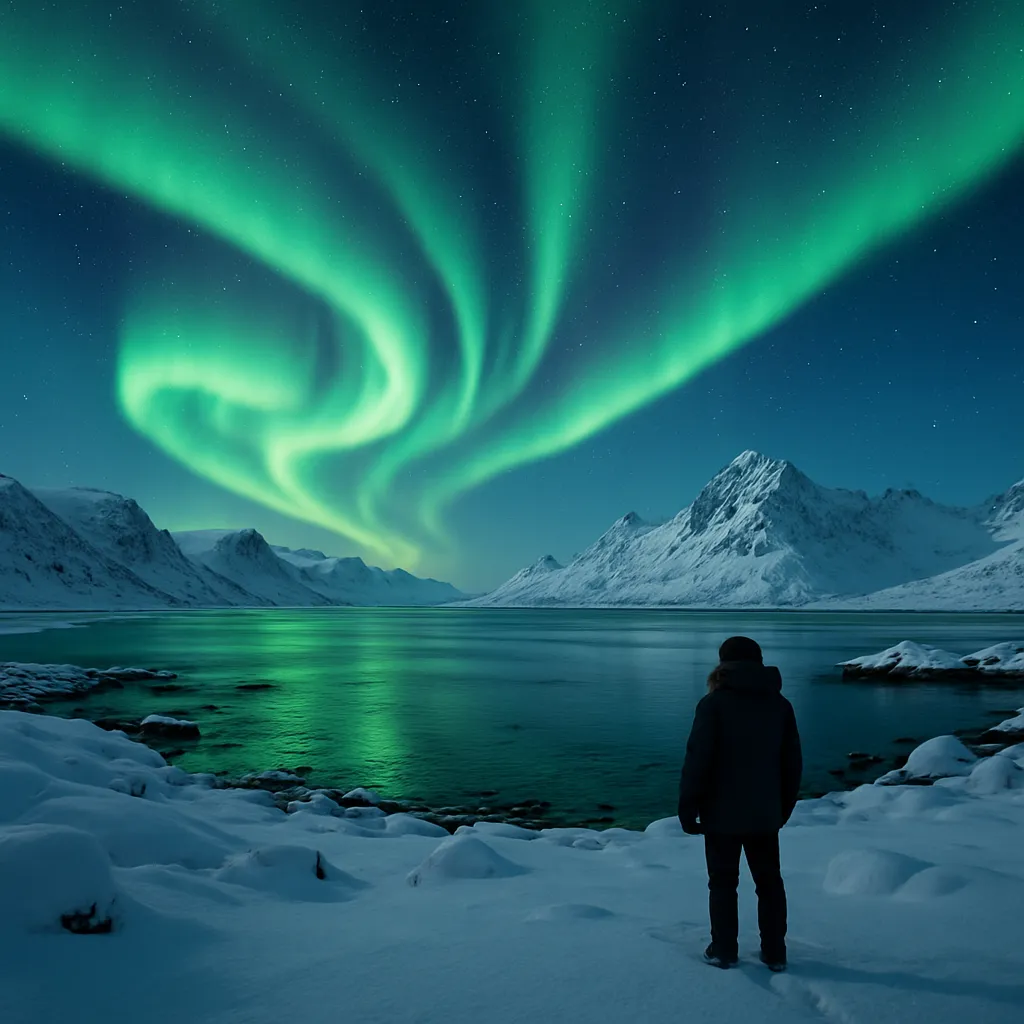
Attend celebrations featuring dog-sled races, ice sculpting contests, and music under the dancing Aurora Borealis. The festivities highlight community bonds and foster respect for the environment.
Environmental Considerations and Responsible Travel
Preserving the Arctic’s fragile ecosystem is paramount. Rising temperatures already threaten sea ice habitats and migratory patterns of local fauna. By adopting sustainable practices, travelers can minimize their footprint.
Wildlife Awareness and Respect
- Maintain a safe distance from polar bears, seals, and migratory bird colonies.
- Avoid feeding or provoking animals to prevent habituation.
- Dispose of waste according to Leave No Trace principles.
Observing from afar ensures both human safety and animal well-being.
Fuel Management and Emission Reduction
Choose fuel-efficient routes, carry only necessary reserves, and refuel responsibly. Consider synthetic oils and low-impact lubricants that are less toxic if spillage occurs.
Supporting Conservation Initiatives
Contribute to local research programs mapping ice dynamics and wildlife migrations. Volunteer for beach cleans, educational outreach, or citizen-science projects tracking polar temperatures. Every action helps safeguard the Arctic for future exploration and generations to come.