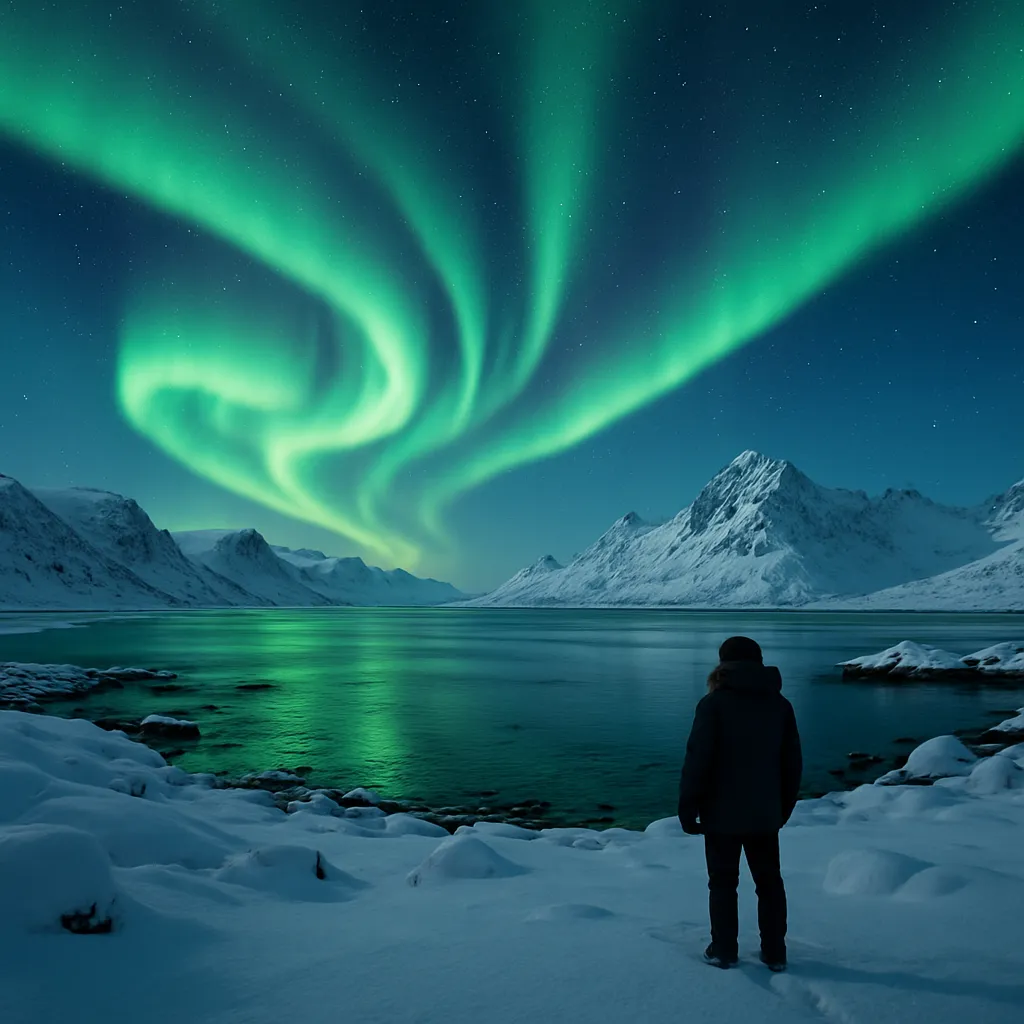
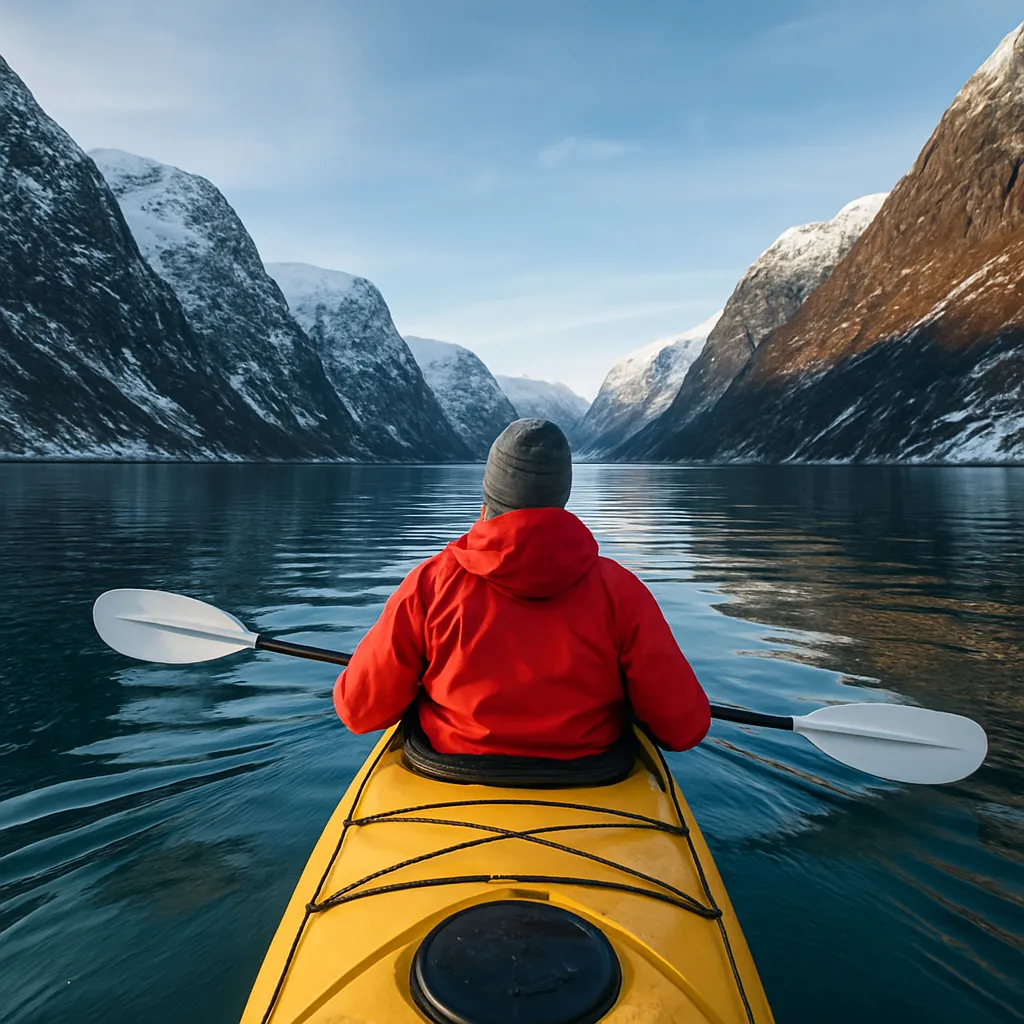
The thrill of gliding across a vast, pristine white canvas, propelled by the power of wind and your own skill, defines the essence of winter sports. Enthusiasts flock to high-altitude resorts, frozen lakes, and remote valleys seeking that perfect blend of adrenaline and serenity. From mastering the basics of skiing to embracing the challenge of snow kiting in the Norwegian Mountains, a world of excitement awaits those who dare to step beyond the beaten track. This guide delves into three core areas: a deep dive into snow kiting, explorations of classic alpine sports, and vital safety strategies to ensure every adventure remains unforgettable for all the right reasons.
Snow Kiting in the Norwegian Mountains
Understanding the Sport
Snow kiting combines elements of kiteboarding and skiing or snowboarding. Riders use a large traction kite to harness wind power and slide across snow or ice. Mastery of balance and kite control is essential. Many beginners underestimate the importance of wind direction, which directly impacts the ability to gain speed, perform jumps, and navigate slopes.
Choosing the Right Equipment
- Kite types: Choose between foil kites for light winds and inflatable kites for more power and water landings.
- Board or skis: Wide twin-tip boards offer stability for jumps, while skis provide agility for carving turns.
- Control bar and lines: Opt for a bar with adjustable depower settings to manage gusty conditions.
- Safety leash and quick-release system: Practice releasing under tension before hitting the slopes.
- Helmet, goggles, and padded clothing: Ensure protection against high-speed falls and flying snow.
Best Locations in Norway
The Lofoten Islands, Skjervøy, and Hardangervidda plateau rank among the top kiting destinations. Vast plateaus like Hardangervidda provide wide-open terrain free from obstacles, ideal for beginners practicing technique. Coastal areas such as Voss offer stunning fjord backdrops, while inland plateaus deliver consistent winds.
- Kvitavatnet Lake: Flat ice surface, moderate winds, close to major towns for easy logistics.
- Rondane National Park edges: Quiet valleys, endurance challenges at higher altitudes.
- Jostedalsbreen Glacier: Smooth snowfields, iconic glacier vistas, advanced conditions.
Learning Progression and Tips
Start on flat terrain, mastering kite relaunch techniques and smooth body dragging before attaching your board or skis. Join a certified school offering structured lessons:
- Wind window theory and safety zones
- Single-line handling and wind checks
- Short rides, edging, and controlled stops
- Intermediate jumps and small boosts
Always monitor weather forecasts and wind reports. Local kiting communities often share real-time updates and advice on ideal takeoff zones.
Exploring Classic Winter Sports in Alpine Terrains
Skiing Techniques for All Levels
Skiing remains the cornerstone of winter recreation, evolving into diverse disciplines:
- Alpine skiing: Focuses on groomed slopes. Beginners learn the wedge turn, progressing to parallel skiing and carving techniques.
- Freeride skiing: Off-piste adventures demand superior responsibility in route planning and avalanche safety.
- Backcountry touring: Combines uphill travel with skins and downhill thrills, requiring advanced navigation and avalanche beacon skills.
Enhanced stability comes with proper stance: hips forward, weight centered, and knees bent. Regular strength and flexibility training off-slope can significantly improve control and reduce injury risk.
Snowboarding Styles and Progression
Snowboarding offers a different dynamic, emphasizing lateral movement and unique tricks:
- All-mountain riding: Versatile boards designed for groomers, powder, and park features.
- Freestyle park: Rails, jumps, and half-pipes require precise timing and spatial awareness.
- Splitboarding: Backcountry boarders use splitboards to ascend and then reassemble for downhill.
Beginners should focus on proper binding angles, stance width, and mastering the heel-toe edge transition. Clinics often include video analysis to correct posture and enhance technique.
Ice Climbing and Mountaineering
For those craving a vertical challenge, ice climbing transforms frozen waterfalls and glacial faces into thrilling playgrounds. Key gear includes:
- Crampons and ice axes: Sharp points for reliable placement on ice.
- Harness, ropes, and ice screws: Foundation of secure anchoring.
- Technical boots and gators: Keep warmth locked in while resisting moisture.
Successful ascents hinge on rhythm and efficient swing technique. Climbers learn to trust their gear and maintain a low center of gravity to conserve energy during long pitches.
Essential Safety Measures and Gear
Avalanche Awareness and Rescue
Every snow sport participant must be vigilant about avalanche risks. Essential steps include:
- Trespassing with a transceiver, probe, and shovel: Practice beacon searches regularly.
- Checking daily avalanche bulletins and terrain advisories.
- Applying the STOP method: Search for hazards, Talk through plans, Observe conditions, Plan escape routes.
Consider carrying an avalanche airbag backpack. Deploying it can significantly increase survival chances by keeping you near the surface of a moving snow mass.
Weather Planning and Environmental Responsibility
Mountain weather is notoriously unpredictable. Use multiple sources:
- Local meteorological services and ski resort updates
- Dedicated mountain weather apps with real-time wind and snow data
- Visual on-site checks: cloud movements and temperature fluctuations
Protecting fragile alpine ecosystems demands responsibility. Respect marked trails, minimize waste, and avoid sensitive wildlife areas, especially during breeding seasons.
First Aid, Navigation, and Communication
Basic wilderness first aid knowledge can make the difference in remote areas. Key inclusions in your pack:
- Emergency blanket, blister kits, and bandages
- Compact stove for boiling water in freezing temperatures
- GPS device or map and compass: Mastering navigation skills is as crucial as any physical ability.
- Satellite messenger or PLB for regions without cellular coverage
Always inform someone of your itinerary and expected return time. Group expeditions should assign roles: leader, navigator, and medic to streamline decision-making in emergencies.
Adapting to Changing Conditions and Future Trends
Technological Innovations in Gear
Recent advancements include heated gloves powered by rechargeable batteries, carbon fiber ski poles for lightweight strength, and 3D-printed helmet liners that improve impact distribution. These improvements enhance comfort and safety, letting athletes push performance boundaries.
Embracing Sustainable Practices
The rise of eco-friendly ski resorts, solar-powered lifts, and zero-waste policies reflects a growing commitment to preserving winter environments. Choosing accommodations and operators with responsibility certifications ensures your adventures support long-term environmental health.
Building Community and Sharing Knowledge
Winter sports thrive on community spirit. Join local clubs, online forums, and social media groups to exchange tips, plan group trips, and stay informed about emerging trends. Organized events like snow kiting festivals and avalanche workshops help enthusiasts of all levels connect and learn.