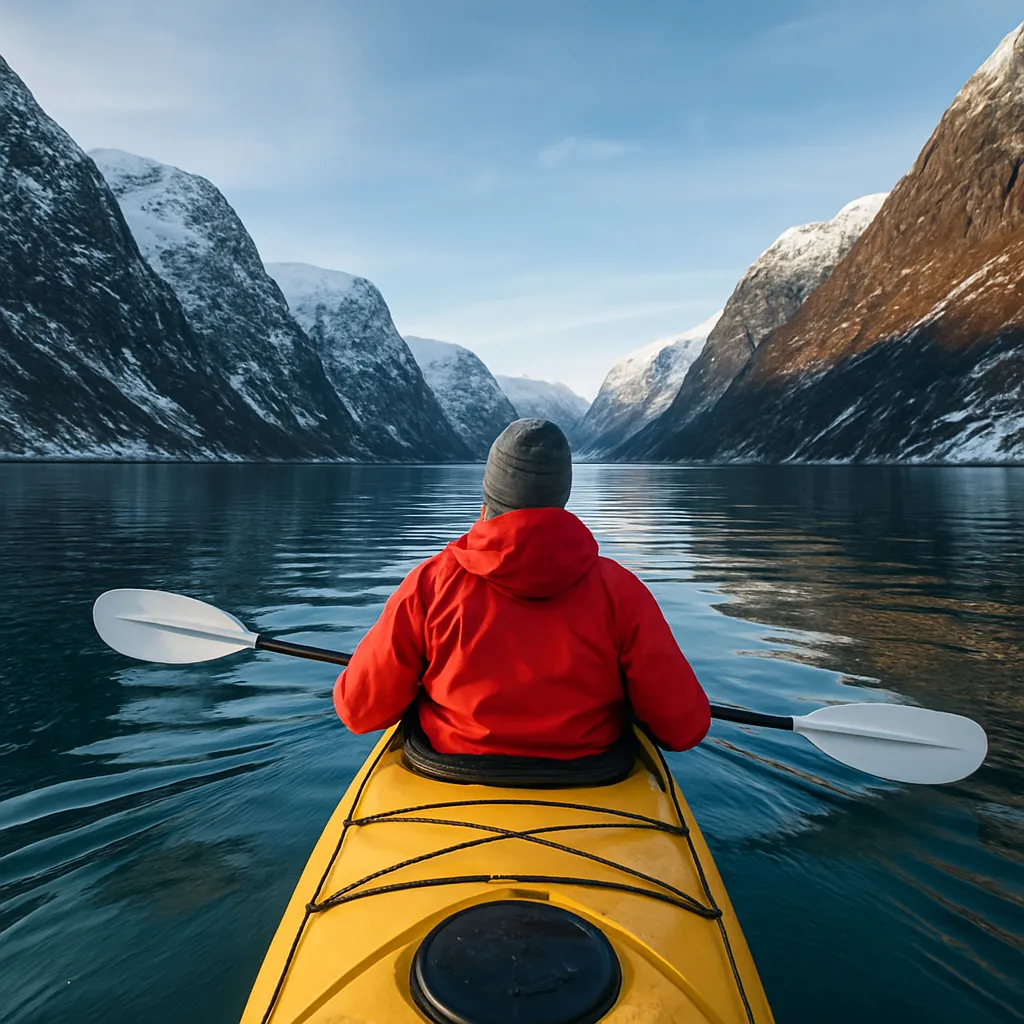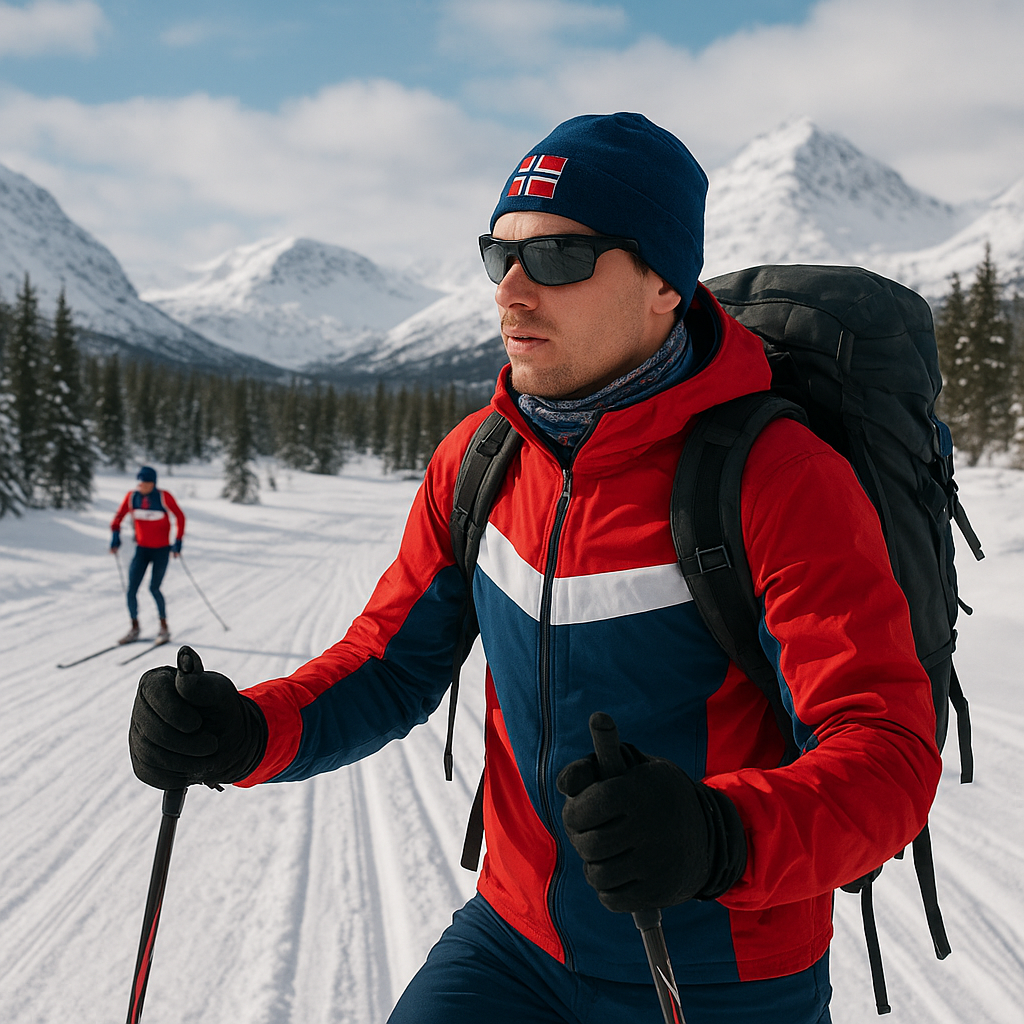
Winter landscapes shimmer under a pale sun, inviting athletes to embrace the thrill of gliding across snow-covered trails. In Norway, the heartland of cross-country skiing, enthusiasts find not only challenging courses but a rich tapestry of history and camaraderie. This article explores the essential aspects of winter sports preparation, focusing on training, equipment, nutrition, and cultural immersion.
Training Strategies for Cross-Country Skiing
Effective preparation for cross-country ski racing demands a blend of endurance, strength, and technique. Athletes must develop a comprehensive plan that builds cardiovascular fitness while honing skiing skills.
Endurance Building
High-volume aerobic work forms the foundation of any ski racer’s program. Incorporate long, steady sessions on skis or roller skis, gradually increasing duration to enhance endurance without risking overtraining. Aim for:
- 2–3 weekly sessions of 90–150 minutes at moderate intensity
- Active recovery days featuring light activities like cycling or swimming
- Monitoring heart rate zones to stay within aerobic thresholds
Interval and Threshold Work
To boost speed and lactate tolerance, integrate interval training twice per week. Structured efforts such as 5×5 minutes at threshold pace with short recoveries sharpen your ability to sustain high intensity. Key points:
- Warm up thoroughly for 15–20 minutes before intervals
- Keep rest periods controlled—2–3 minutes between efforts
- Gradually progress intensity or duration over several weeks
Strength and Stability
Skiing demands powerful leg drive and a stable core for efficient poling. A balanced gym routine should include squats, lunges, deadlifts, and planks. Emphasize functional exercises mimicking the diagonal stride and double poling:
- Cable or band-resisted poling motions
- Single-leg balance drills on unstable surfaces
- Plyometric hops to boost explosive power
Essential Equipment and Winter Sport Gear
The right gear can make the difference between a podium finish and an uncomfortable day on the trail. Proper selection and maintenance of equipment are critical for peak performance.
Skis and Bindings
Choosing skis involves matching length and camber to your weight, skill level, and snow conditions. Racing skis are generally stiffer and lighter, providing better glide at high speeds. Key considerations include:
- Grip vs. classic skis: decide based on technique focus
- Binding compatibility: ensure secure attachment and easy release
- Regular base grinding and structure tuning for optimum glide
Poles and Boots
Poles should reach the athlete’s chin in classic style or up to the forehead for skate skiing. Carbon or composite shafts offer a lightweight feel, though durability varies by brand. Boots must provide:
- Firm ankle support for stability during powerful strides
- A snug fit to minimize energy loss
- Compatibility with bindings to ensure efficient power transfer
Waxing and Base Care
A critical skill for any skier is waxing, which directly influences speed. Understanding snow temperatures and crystal structure allows selection of the appropriate glide and grip wax. Maintain your base by:
- Cleaning with a soft scraper or brush
- Applying kick wax in layers, testing friction on a small patch
- Using a cork to smooth excess wax and achieve an even finish
Nutrition and Recovery in Cold Climates
Fueling and replenishing the body under cold conditions pose unique challenges. Proper intake before, during, and after training sustains energy levels and supports adaptation.
Pre-Workout Fuel
A balanced meal containing carbohydrates and some protein 2–3 hours before activity ensures sustained energy. Examples:
- Oatmeal topped with fruit and nuts
- Whole-grain toast with nut butter and banana slices
- Light yogurt parfait with granola and berries
During Training Hydration
Even in freezing temperatures, dehydration can impair performance. Carry insulated bottles to prevent liquids from freezing. Aim for 300–600 ml of fluid per hour, adding electrolytes if sessions exceed 90 minutes.
Post-Session Recovery
Repair muscle fibers and replenish glycogen by consuming a carbohydrate-protein blend within 30 minutes of training. Ideal options include:
- A smoothie with milk, fruit, and protein powder
- Chocolate milk, a simple and effective recovery drink
- A turkey sandwich on whole-grain bread with vegetables
Sleep quality is equally vital. Aiming for 8–9 hours per night enhances hormone balance and growth factor release, supporting recovery and adaptation.
Embracing Norway’s Winter Sport Culture
Beyond training and equipment, experiencing the local culture enriches every athlete’s journey. Norwegians view skiing not only as a competitive pursuit but as a way of life, deeply tied to nature and community.
Historic Ski Destinations
Iconic venues such as Holmenkollen and Beitostølen offer a glimpse into the sport’s storied past. Visiting these sites allows racers to:
- Explore museums showcasing vintage equipment
- Participate in local races alongside seasoned competitors
- Enjoy well-groomed trails that challenge every skill level
Local Training Camps
Many clubs host winter camps that combine technical coaching with social activities. Immersing yourself in such an environment fosters:
- Insight into advanced waxing methods shared by experienced technicians
- Opportunities to ski with national-level athletes
- A sense of community and mutual support often found only in Norway
Après-Ski Traditions
After a long day on the trail, gathering around a roaring fireplace with hot drinks defines the Norwegian après-ski. Sample local specialties like:
- Warm pea soup (erter suppe) paired with crisp bread
- Cloudberry jam atop cinnamon buns
- Herbal teas infused with berries and honey
By respecting local customs and engaging fully with the environment, athletes not only sharpen their physical capabilities but also forge lasting connections. In Norway’s winter wonderland, every ski track becomes a classroom, every drop of sweat a testament to preparation, and every shared laugh an embrace of the human spirit.