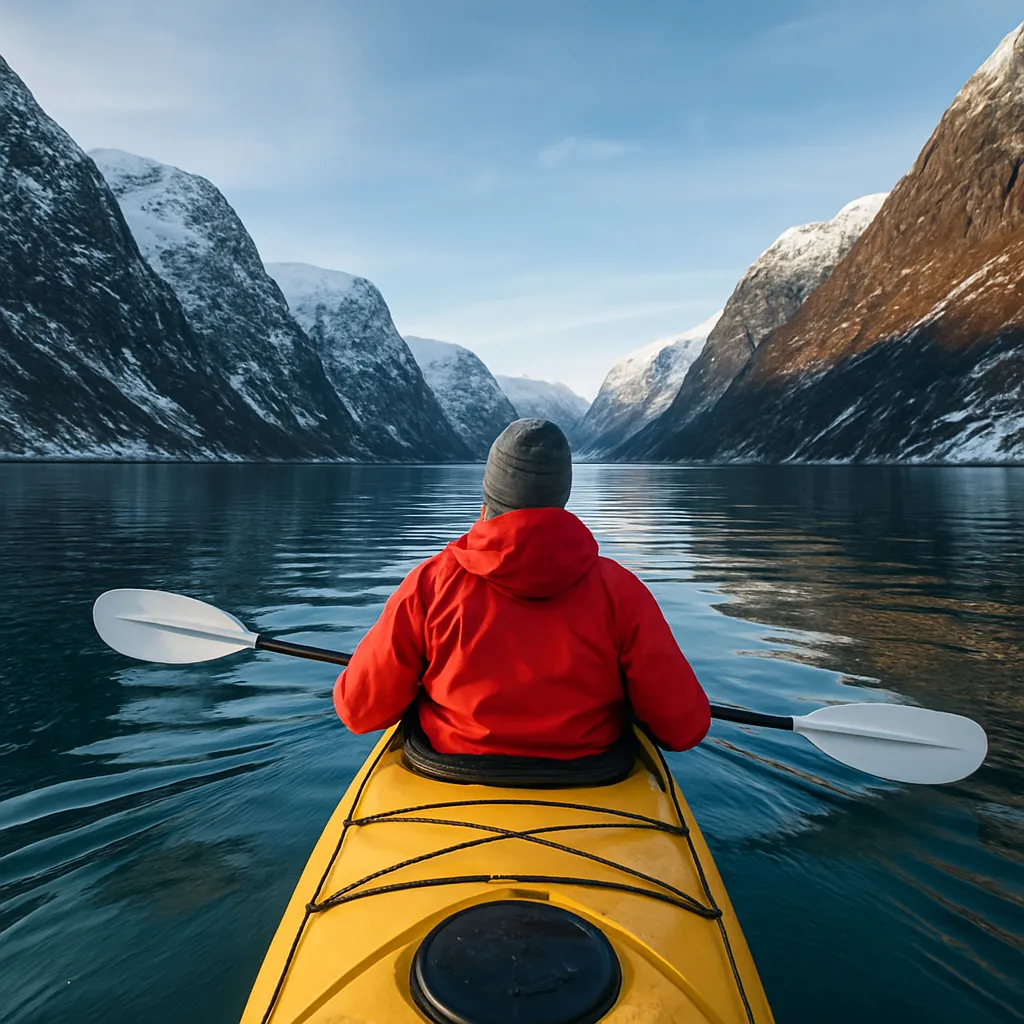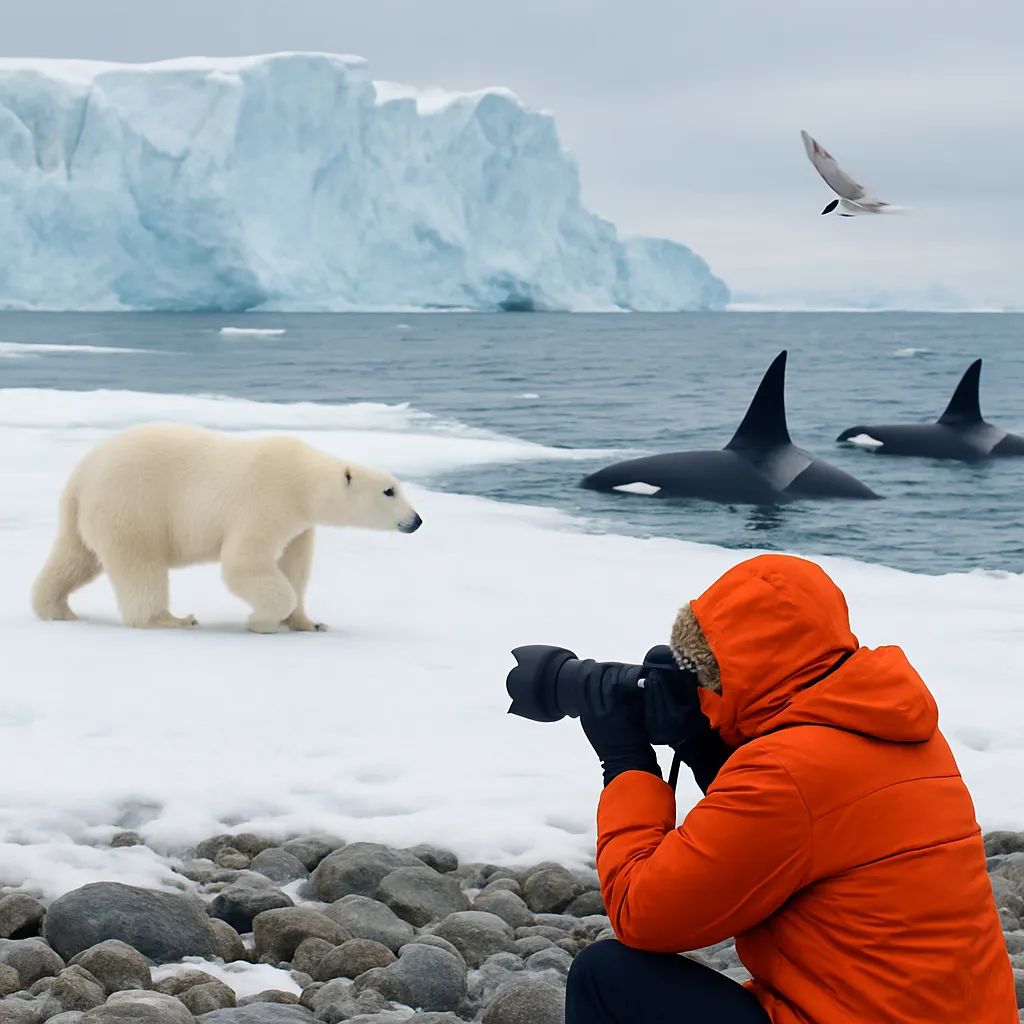
Winter landscapes offer a captivating backdrop for a variety of sports that challenge both body and mind. Enthusiasts seek out fresh powder, winding trails, and frosty peaks to test their limits, embrace the thrill of gliding on snow, and cultivate a deep connection with nature. From the adrenaline surge of alpine descents to the meditative rhythm of cross-country skiing, winter sports invite participants to explore diverse terrains, refine their skills, and celebrate the season in all its frosty glory.
Exploring High-Speed Descent: Alpine Skiing and Snowboarding
Alpine Skiing: Carving Through Mountains
Alpine skiing remains one of the most iconic winter activities, offering a potent mix of speed, technique, and elevation. Skiers strap on specialized boots and skis designed to grip icy slopes, steering through gates or open runs with precision. Key elements include:
- Edge Control: Leaning into the slope to carve clean arcs and maintain traction.
- Body Position: Bending at the knees and hips, keeping the center of gravity low.
- Speed Management: Balancing adrenaline with safety by adjusting turn radius.
Beginners typically start on gentle slopes known as “bunny hills” before progressing to intermediate and expert trails. Lessons often emphasize how to execute parallel turns, side slips, and controlled stops. For the seasoned skier, challenges such as moguls, glades, and off-piste terrain test both physical endurance and mental focus.
Snowboarding: Dynamic Balance and Creativity
Snowboarding, which emerged in the late 20th century, has grown into a cultural phenomenon with its own distinct style. Riders face sideways on a board, shifting weight to control direction and speed. The sport emphasizes:
- Stance and Balance: Establishing a stable base, whether regular or goofy footed.
- Carving Techniques: Executing heel-edge and toe-edge turns for stability.
- Tricks and Jumps: Utilizing halfpipes and terrain parks to showcase aerial prowess.
Snowboarding culture often celebrates creativity and self-expression through custom board art, apparel, and innovative park design. Athletes push boundaries with spins, grabs, and flips, inspiring a new generation to embrace the exhilaration of airborne tricks.
Mastering Endurance Sports: Cross-Country and Biathlon
Cross-Country Skiing: The Ultimate Cardio Challenge
Cross-country skiing demands both endurance and rhythm, as participants propel themselves over varied terrain using skis and poles. This discipline offers two primary styles:
- Classic Technique: Following parallel tracks, pushing off with alternating leg motions and coordinating arm swings.
- Skate Skiing: Pushing skis outward at an angle, resembling ice skating movements for faster speeds.
Long-distance events can span from 5 kilometers for recreational skiers to marathons exceeding 50 kilometers. Skiers benefit from full-body engagement, as arms and legs work in unison to generate forward momentum. The sport’s low-impact nature makes it accessible to a wide range of ages and fitness levels.
Biathlon: Precision Under Pressure
Combining cross-country skiing with rifle shooting, the biathlon adds an extra dimension of mental control. Competitors ski loops before stopping at shooting ranges to fire five shots, alternating between prone and standing positions. Each missed shot results in a penalty loop or added time. Success hinges on:
- Breath Control: Slowing heart rate to steady aim after intense skiing.
- Rapid Transition: Shifting from high-intensity effort to calm focus in seconds.
- Equipment Maintenance: Ensuring rifle functionality in cold, snowy conditions.
The biathlon’s blend of stamina and composure captivates audiences worldwide, showcasing the human capacity to manage stress and physical fatigue simultaneously.
Gear Essentials and Safety Protocols
Choosing the Right Equipment
Proper gear selection is vital for performance and injury prevention. Essentials include:
- Helmet: Protects against head injuries during falls or collisions.
- Goggles: Shields eyes from wind, snow glare, and harmful UV rays.
- Layered Clothing: Combines moisture-wicking base layers, insulating mid-layers, and waterproof outer shells.
- Boots and Bindings: Offer stability, warmth, and responsiveness on skis or snowboard.
- Poles: Aid in balance and propulsion, especially in cross-country disciplines.
Maintenance is equally important. Regularly wax skis or boards, check binding release settings, and replace worn edges or damaged components.
Safety Practices on the Slopes
Adherence to safety protocols protects both individuals and others sharing the mountain. Critical guidelines include:
- Assessing Conditions: Checking weather forecasts, avalanche reports, and trail maps before setting out.
- Staying in Control: Adjusting speed to ability level and visibility conditions.
- Respecting Trail Etiquette: Yielding to downhill skiers and giving space to beginners.
- Emergency Preparedness: Carrying a small first-aid kit, Map, GPS or compass, and avalanche beacon when venturing off-piste.
Taking lessons from certified instructors builds a solid foundation, while peer support and group outings enhance safety through shared vigilance.
Winter Sports and Community: Culture, Events, and Sustainability
Festivals and Competitions
Winter sports unite enthusiasts at events ranging from local races to international competitions. Highlights include:
- World Cup Skiing Events: Showcasing elite alpine, cross-country, and freestyle athletes.
- Snowboard Slopestyle Competitions: Emphasizing park design and inventive trick combinations.
- Community Fun Runs: Encouraging families and amateur athletes to participate in shorter courses.
Festivals often combine athletic achievements with cultural celebrations—live music, regional cuisine, and art exhibits create a vibrant atmosphere that draws spectators and participants alike.
Environmental Stewardship
Preserving snow-covered landscapes is crucial for the future of winter sports. Key sustainability efforts include:
- Responsible Trail Design: Minimizing deforestation and soil erosion.
- Energy-Efficient Resorts: Utilizing renewable energy sources for lifts, snowmaking, and lodges.
- Waste Reduction Programs: Promoting recycling and reusable gear packaging.
Awareness campaigns encourage enthusiasts to respect wildlife habitats, stay on marked trails, and support eco-friendly resorts. By prioritizing conservation, the winter sports community helps ensure that pristine slopes remain accessible for generations.
Building Lifelong Passion
Winter sports cultivate resilience, camaraderie, and a profound appreciation for nature’s rhythms. Whether mastering the intricacies of slalom gates or savoring the quiet solitude of a snow-laden forest trail, participants discover new strengths and forge lasting memories. As skills evolve, so does a commitment to share knowledge—mentoring newcomers, contributing to local clubs, and advocating for sustainable mountain stewardship. In this way, the winter sports world thrives on shared passion, continual learning, and the unending search for the next perfect run.