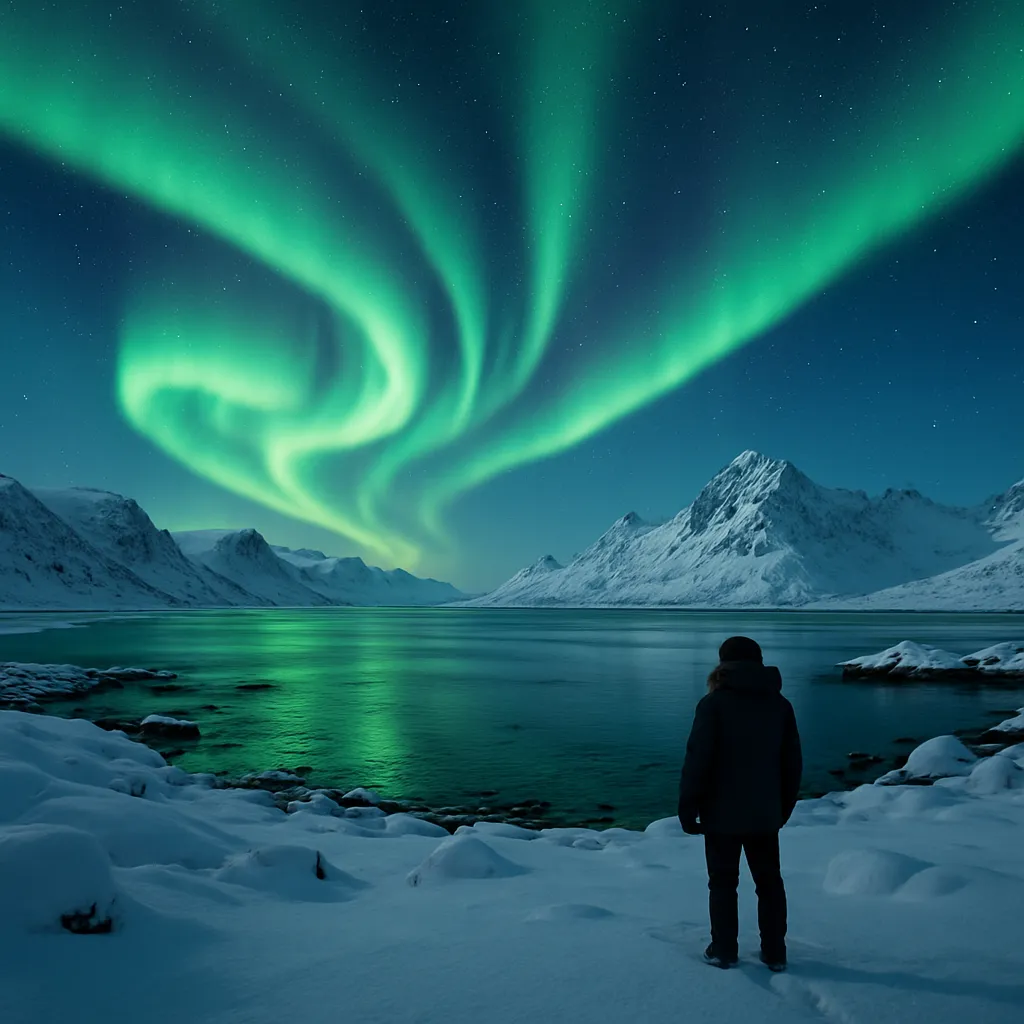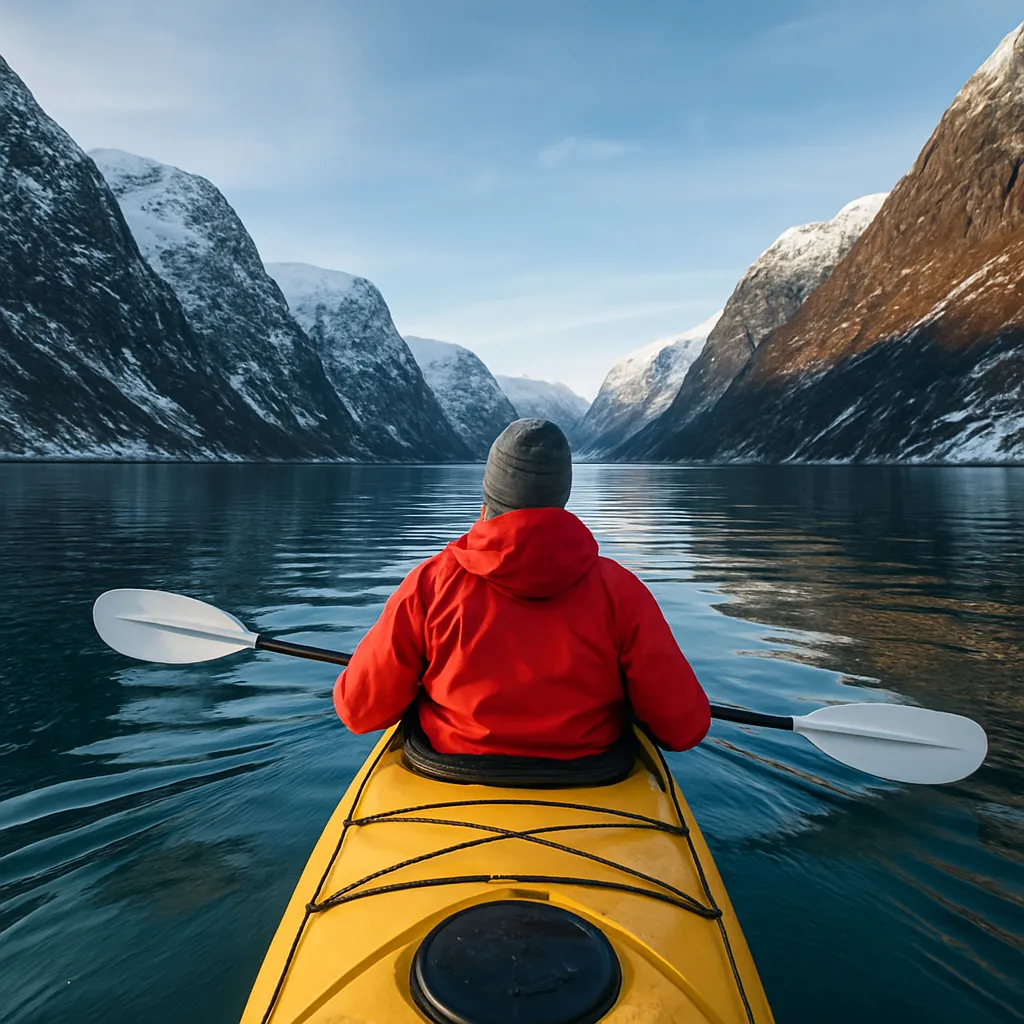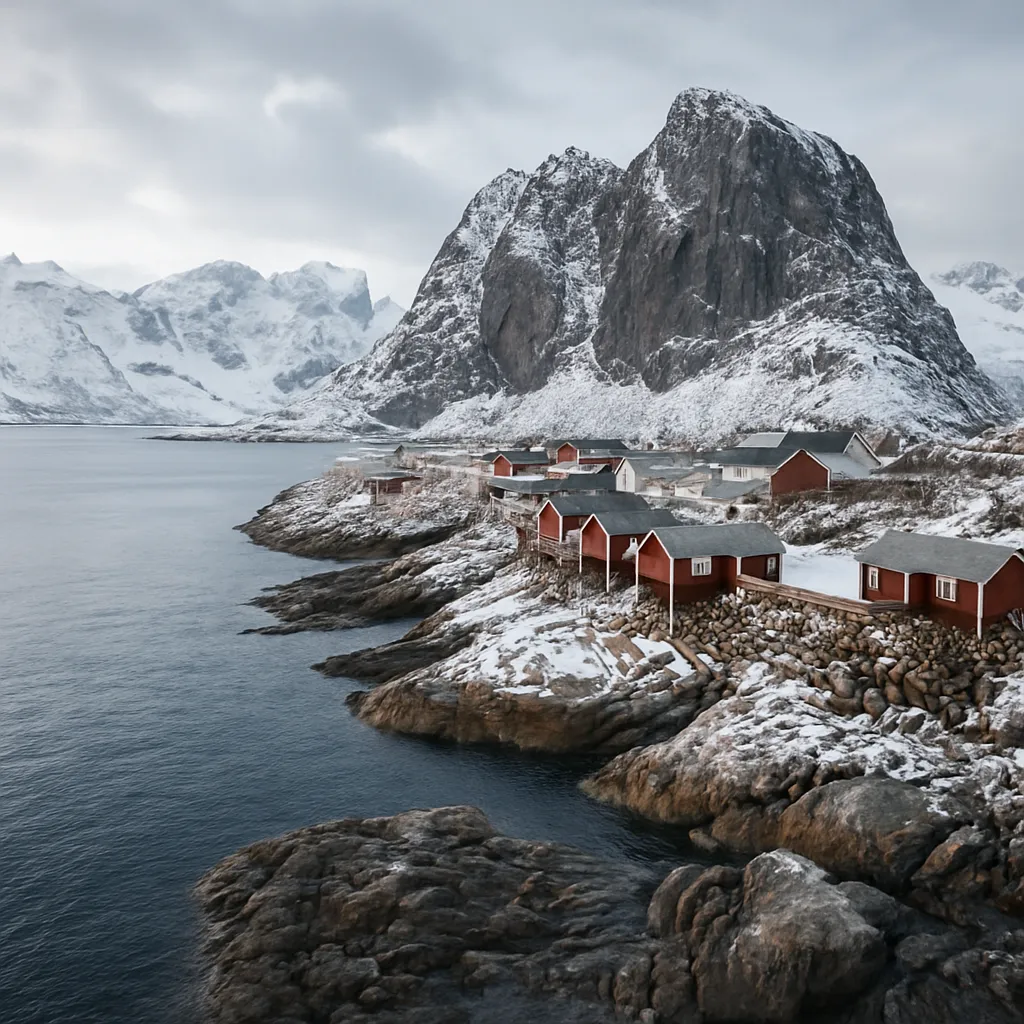
Winter brings a world of wonder and adventure, where crisp air meets glistening landscapes and every corner of nature seems to whisper an invitation to explore. From the soaring peaks of mountain ranges to the frozen expanses of northern lakes, winter sports offer an unparalleled blend of challenge and exhilaration. Whether you seek the precision of carving down a groomed piste or the raw power of navigating untracked powder, these activities demand not only skill but also a deep connection with the elements. Embracing winter sports can transform the coldest months into a season of growth, excitement, and unforgettable memories.
The Thrill of Alpine Skiing
High-Speed Descents
Alpine skiing remains one of the most popular winter sports due to its pulse-pounding combination of speed and technique. Racers and recreational skiers alike find joy in hurtling down mountainsides, negotiating hairpin turns and jumps with precision. Modern ski resorts are equipped with state-of-the-art lifts, meticulously groomed runs, and varied terrain, making them playgrounds for enthusiasts at every level.
Mastering the technique of alpine skiing involves understanding weight distribution, edge control, and balance. Beginners learn to wedge their skis into a snowplow stance, developing confidence before progressing to parallel turns. As skills advance, skiers refine carving methods, using the ski’s sidecut to slice through snow, maximizing both speed and control. Elite athletes push boundaries in Super-G and downhill races, where fractions of a second determine victory.
Carving Techniques
Carving isn’t just about going fast; it’s about harnessing the ski’s design to glide with fluid precision. In a well-executed carve, the ski’s edge digs into the snow, creating minimal slippage and allowing a smooth, arced turn. To achieve this, skiers must flex their ankles and knees, angling their bodies inward toward the slope. Focus on a forward stance, with hips over the feet and eyes looking ahead to anticipate upcoming terrain.
- Maintain consistent pressure on the downhill ski
- Initiate turns by tipping the skis onto their edges
- Use upper-body rotation sparingly to avoid oversteering
- Practice edge drills on gentle slopes before tackling steeper runs
Mastering the Ice: Skating and Hockey
Figure Skating Elegance
Figure skating blends artistry and athleticism, challenging performers to execute jumps, spins, and footwork with graceful expressiveness. From the triple axel to the complex combination spin, every element demands rigorous training in both strength and flexibility. Choreography plays a crucial role, with skaters interpreting music through fluid movements that captivate judges and audiences alike.
Key training focuses on balance, core strength, and edge quality. Off-ice conditioning often includes ballet classes, Pilates, and plyometrics to enhance muscular coordination. Coaches emphasize visualization techniques, encouraging skaters to mentally rehearse every jump sequence before stepping onto the ice. Success in figure skating hinges on the seamless fusion of power and poise.
Ice Hockey Dynamics
Ice hockey stands as a testament to teamwork and raw physicality. Combining speed, strategy, and endurance, the sport unfolds in fast-paced shifts where players dash across the rink, passing pucks and delivering bone-rattling checks. For fans, the roar of the crowd and the clatter of sticks create an electrifying atmosphere unmatched by any other winter sport.
Players develop agility through on-ice drills that sharpen their ability to change direction at high velocity. Stickhandling exercises refine puck control, while shooting drills focus on accuracy and power. Goaltenders face their own unique challenges, relying on split-second reflexes and mental resilience to block shots. Throughout a season, teams cultivate chemistry and adjust tactics based on opponent strengths, making hockey a dynamic battlefield of wits and brawn.
Adrenaline Rush: Snowboarding and Freestyle Skiing
Halfpipe and Slopestyle
Snowboarding revolutionized winter sports culture in the late 20th century, introducing a youthful ethos and groundbreaking tricks. Today, freestyle skiing and snowboarding events showcase aerial maneuvers that defy gravity. Athletes twist, flip, and spin high above the snow, judged on amplitude, execution, and creativity.
Training for halfpipe competitions involves endless repetitions in wind tunnels and foam pits to perfect rotations and grabs. Riders work on building resilience to recover from falls and push their limits safely. In slopestyle courses, a series of rails, jumps, and boxes test an athlete’s adaptability. Judges reward variety, so competitors must constantly innovate, blending technical prowess with daring flair.
Backcountry Adventures
For many, the greatest appeal lies in untracked powder beyond resort boundaries. Backcountry skiing and snowboarding demand a profound respect for mountain environments, as participants navigate steep couloirs and deep snowfields. This pursuit marries endurance with survival skills, including avalanche awareness and route planning.
- Carry essential safety gear: avalanche beacon, probe, and shovel
- Partner with experienced guides to assess snowpack conditions
- Learn navigation techniques using topographic maps and GPS
- Maintain proper avalanche rescue protocol through regular drills
Beyond the Slopes: Winter Sports Culture and Gear
Essential Equipment
Success and enjoyment in winter sports hinge on high-quality gear tailored to specific activities. Key components include properly sized skis or snowboards, supportive boots, and well-maintained bindings. Helmets and protective equipment guard against injury, while layered clothing systems regulate body temperature and wick moisture.
Advanced materials like Gore-Tex and moisture-wicking merino wool have revolutionized apparel, keeping athletes dry and warm without bulk. Goggles with interchangeable lenses adapt to varying light conditions, enhancing visibility on cloudy or glaring days. Regular maintenance—such as waxing snowboard bases or tuning ski edges—ensures optimal performance and longevity of gear.
Global Competitions and Festivals
From the Winter Olympics to regional winter festivals, competitive events foster community and inspire new generations of athletes. Nations rally behind their teams, celebrating each medal with national pride. Events like the X Games spotlight the latest trends in freestyle sports, while long-running ski festivals in the Alps attract enthusiasts for cultural exhibitions and live music.
Beyond elite competition, local clubs and recreational leagues cultivate grassroots participation. Schools introduce youth to cross-country skiing and ice skating, instilling a love for outdoor activity. Adaptive programs ensure that individuals of all abilities can experience the thrill of winter sports, promoting inclusivity and lifelong wellness.