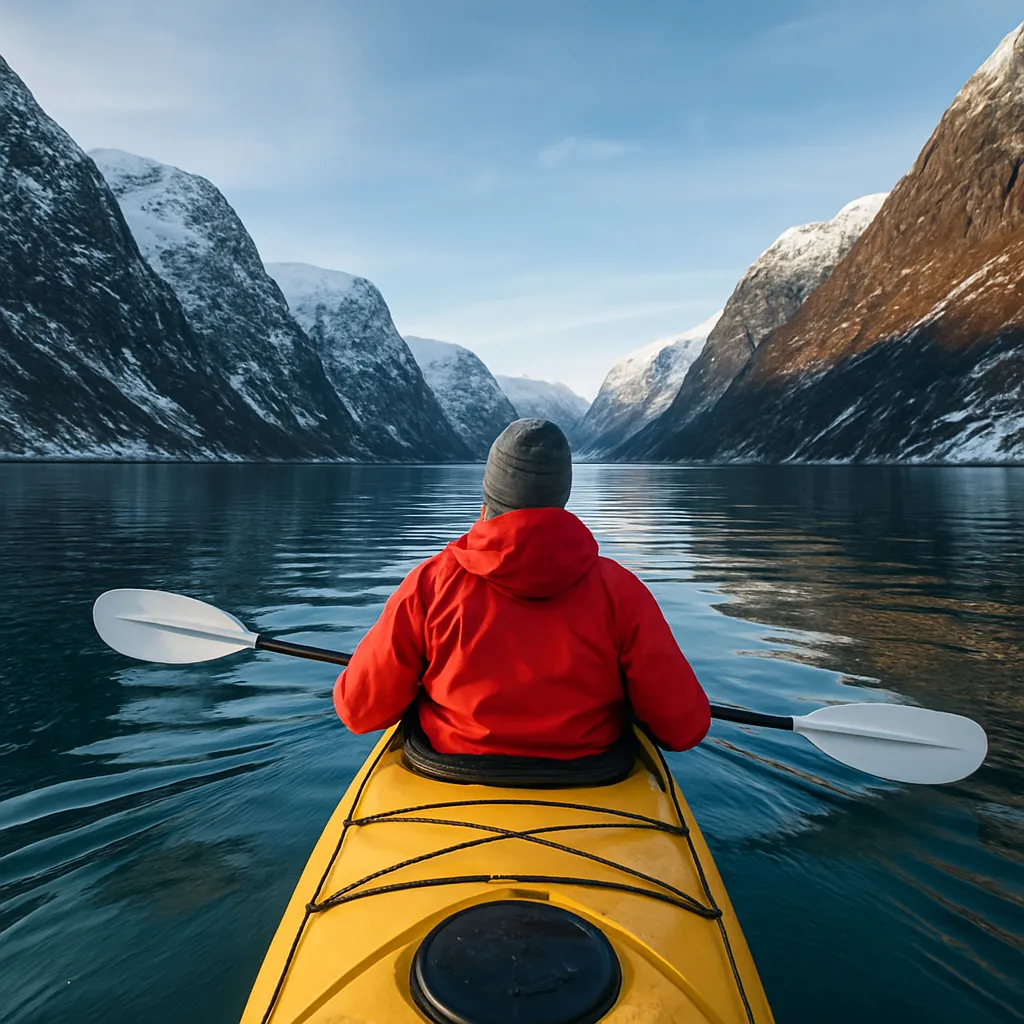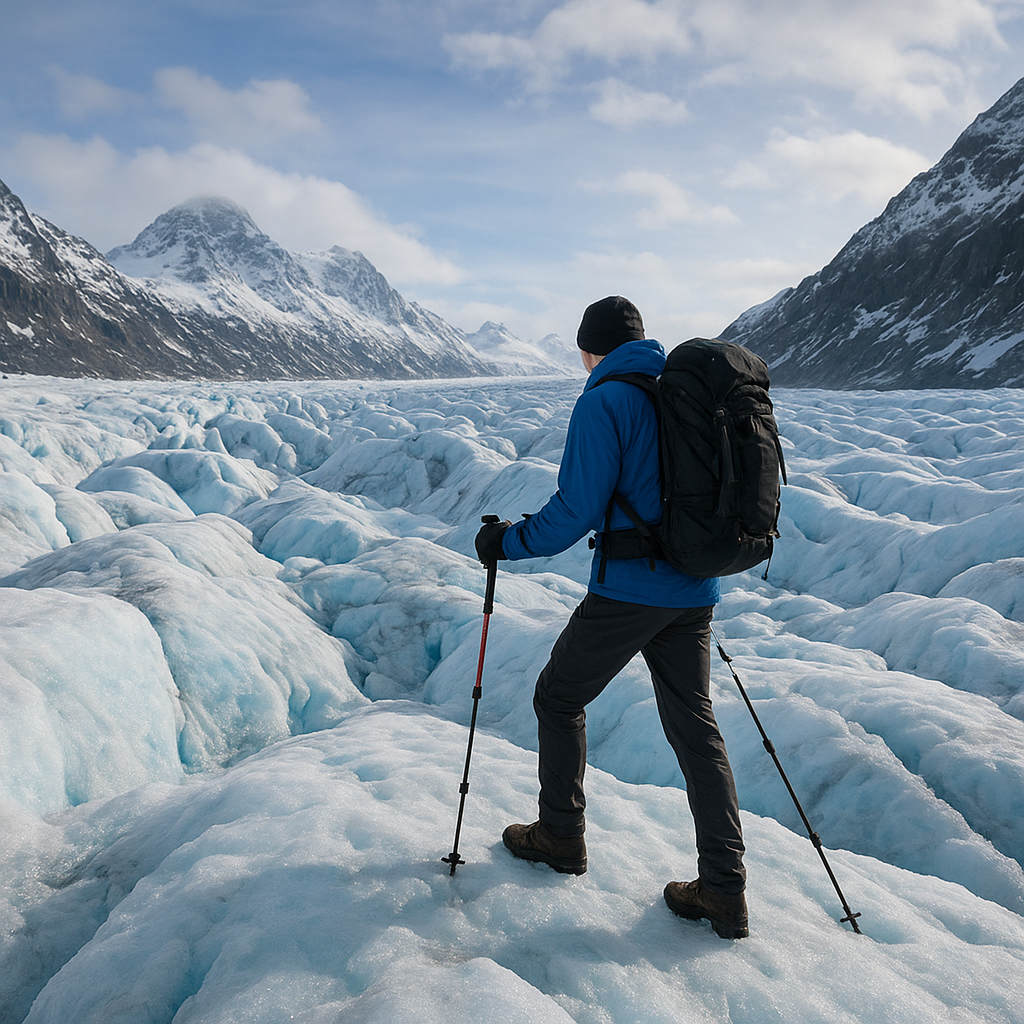
Embarking on a winter adventure transforms the majestic expanse of ice and snow into a playground for thrill-seekers and nature lovers alike. Among the myriad of cold-weather activities, glacier hiking stands out as a unique blend of serene beauty and physical challenge. From crevasse-lined icefields to glistening icefalls, these frozen giants invite explorers to test their limits while absorbing breathtaking views of a pristine, silent world.
Glacier Hiking Essentials
Before stepping onto the shimmering surface of a glacier, understanding the fundamentals is crucial. A successful trek hinges on proper equipment, technical knowledge, and an awareness of the environment. Whether you’re a seasoned mountaineer or a first-timer, these essentials will ensure a rewarding experience.
Choosing the Right Gear
- Crampons: Spiked attachments for boots that provide traction on ice. Selecting the right crampon type ensures stability during steep ascents.
- Ice Axe: A versatile tool for balance, self-arrest, and cutting footholds. Mastering ice-axe techniques is key for safe glacier travel.
- Helmet: Protects against falling ice and rock debris. Always wear a certified mountaineering helmet in glacier terrain.
- Climbing Harness and Ropes: Essential for glacier safety, particularly when navigating crevasses. Training in rope management and knot-tying enhances group security.
- Insulated Clothing Layers: A moisture-wicking base layer, insulating mid-layers, and a waterproof, breathable shell guard against harsh winter conditions.
- Mountaineering Boots: Stiff-soled boots compatible with crampons ensure warmth and ankle support.
Fundamental Techniques
Mastering basic skills offers confidence on ever-changing ice surfaces:
- Footwork Drills: Practice front-point and flat-footing techniques to adapt to varying slopes.
- Self-Arrest: Learn to stop a fall using the ice axe’s pick. Repetition on safe slopes builds muscle memory.
- Crevasse Rescue: Familiarize yourself with pulley systems and prusik knots to retrieve a fallen climber.
- Route-Finding: Recognize signs of unstable ice, such as hidden overhangs and recent icefalls.
Top Winter Destinations for Glacier Hiking
From the European Alps to the polar reaches of Patagonia and the Arctic, glacier hiking beckons adventurers to some of the world’s most spectacular cold environments. Each destination offers distinct challenges, cultural experiences, and breathtaking scenery.
European Alps
The Alps boast accessible glacier hikes near iconic peaks like Mont Blanc and the Matterhorn. Guided tours along the Mer de Glace in France or the Aletsch Glacier in Switzerland combine luxury refuges with expert-led excursions. Visitors marvel at the deep blue ice crevasses and panoramic alpine vistas.
Patagonia
In southern Chile and Argentina, stunning icefields such as the Perito Moreno and Grey Glacier offer a more rugged experience. Trekking on these colossal ice masses involves traversing sharp seracs and navigating dynamic icefalls. The Patagonian region’s unpredictable weather and remote lodges add an element of adventure and spontaneity.
Alaska and the Canadian Rockies
Vast glaciers like the Matanuska and Columbia present epic winter expeditions. Alaska’s steep, crevasse-ridden faces demand advanced skills but reward climbers with awe-inspiring wildlife sightings, including ice-bound mountain goats and soaring birds of prey. In Canada, guided hikes across the Athabasca Glacier offer educational insights into sustainability and glacial retreat.
Arctic and Antarctic Regions
For the most intrepid explorers, polar glacier hikes on Svalbard, Greenland, or even the Antarctic Peninsula showcase raw, untouched wilderness. Each step requires meticulous planning, including polar bear safety protocols in the Arctic or crevasse mapping in Antarctica. The feeling of isolation amidst endless icefields cultivates unparalleled respect for these fragile ecosystems.
Safety, Preparation, and Environmental Considerations
Glacier hiking is inherently linked to risk management and environmental stewardship. Proper preparation not only enhances safety but also preserves these landscapes for future generations.
Weather and Avalanche Awareness
- Consult local weather forecasts and avalanche bulletins daily.
- Carry a transceiver, probe, and shovel when traveling on steep glaciated slopes.
- Learn to interpret snowpack stability and recognize indicators of potential slides.
Physical and Mental Readiness
A glacier trek tests endurance and focus. Implement a training routine that includes cardiovascular exercise, leg-strength workouts, and balance drills. Mental preparation through visualization and familiarity with emergency protocols fosters calm decision-making under pressure.
Leave No Trace Principles
- Pack out all waste, including food scraps and melted ice remnants.
- Avoid contaminating glacial water sources by using bio-degradable soaps at designated stations.
- Minimize group size to reduce trail erosion and wildlife disturbance.
- Respect wildlife by maintaining distance and storing food securely.
Complementary Winter Sports around Glaciers
While glacier hiking stands at the core of a winter adventure, exploring adjacent activities can enrich the experience, delivering varied thrills and opportunities to appreciate frozen landscapes from multiple perspectives.
Ice Climbing
Scaling vertical icefalls adjacent to glacier tongues demands specialized tools like ice screws and technical axes. Climbers relish the challenge of navigating seracs and frozen pillars. Learning ice-climbing techniques complements glacier travel skills and enhances overall mountaineering proficiency.
Snowshoeing and Backcountry Skiing
Snowshoes enable silent exploration of high-altitude snowfields, guiding adventurers to panoramic glacier viewpoints inaccessible by foot alone. Backcountry skiing combines the rush of downhill descents with uphill skins, offering a full-body workout while traversing alpine bowls and glacial moraines.
Heli-Skiing and Snowmobiling
For those seeking an adrenaline surge, heli-skiing delivers untouched powder runs on glacial slopes. Snowmobiling across ice-locked valleys offers high-speed access to remote base camps. Both activities require coordination with local operators and a strong emphasis on avalanche safety.
Photography and Ice Camping
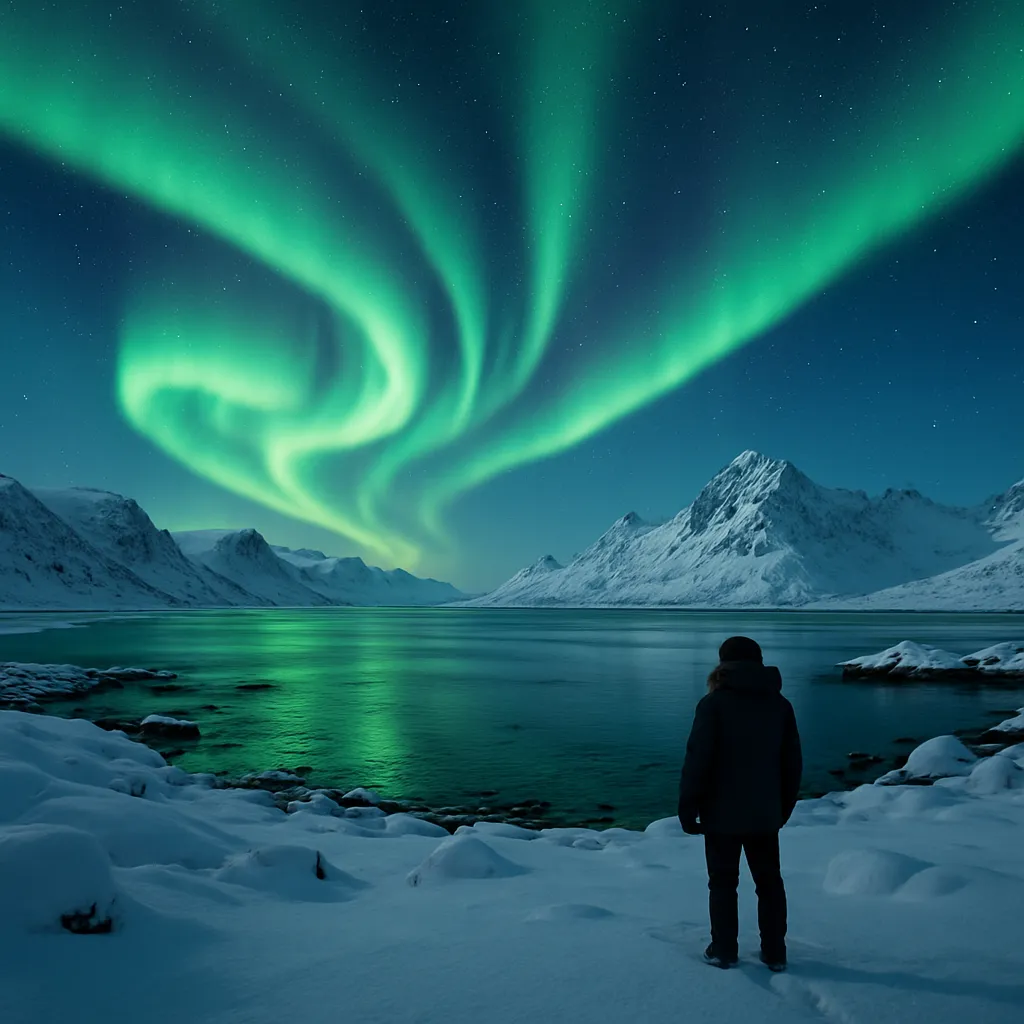
Capturing the ethereal glow of ice caves and sunset hues on crevassed surfaces requires photographic gear resistant to cold and moisture. Overnight ice camping immerses explorers in the environment, allowing them to witness auroras dancing over glacial ridges. Proper shelter selection and temperature regulation techniques ensure comfort in sub-zero temps.
Whether you seek the quiet majesty of a moonlit icefield or the adrenaline of carving fresh snow beneath your skis, winter sports around glaciers unlock experiences that blend heart-pounding excitement with profound reverence for nature’s frozen masterpieces. Embrace the challenge, respect the ice, and find your own story among the shimmering corridors of winter’s greatest wonders.