Embarking on a journey through snow-clad valleys and frozen lakes offers an exhilarating blend of adventure and connection with some of the planet’s most pristine landscapes. Norway’s winter sports scene invites travelers of all skill levels to test their limits, enjoy the crisp air, and witness the ethereal dance of the northern lights. Whether you seek high-adrenaline descents or tranquil treks, understanding the core aspects of winter activities will ensure a safe and memorable experience.
Popular Winter Sports in Norway
From bustling alpine resorts to remote wilderness trails, Norway caters to diverse interests. Here are some of the most sought-after activities:
- Cross-country skiing – Often called the heartbeat of Norwegian winter, this sport combines endurance training with breathtaking scenery. Well-groomed tracks wind through forests and over frozen lakes.
- Ski touring – Venture off-piste with skins attached to your skis, ascending summits before gliding back down through untouched powder.
- Snowshoeing – Ideal for those who crave solitude, sturdy snowshoes allow explorers to traverse deep drifts with ease.
- Alpine skiing and snowboarding – Norway’s modern resorts offer varied runs for beginners to experts, complete with state-of-the-art lifts and après-ski culture.
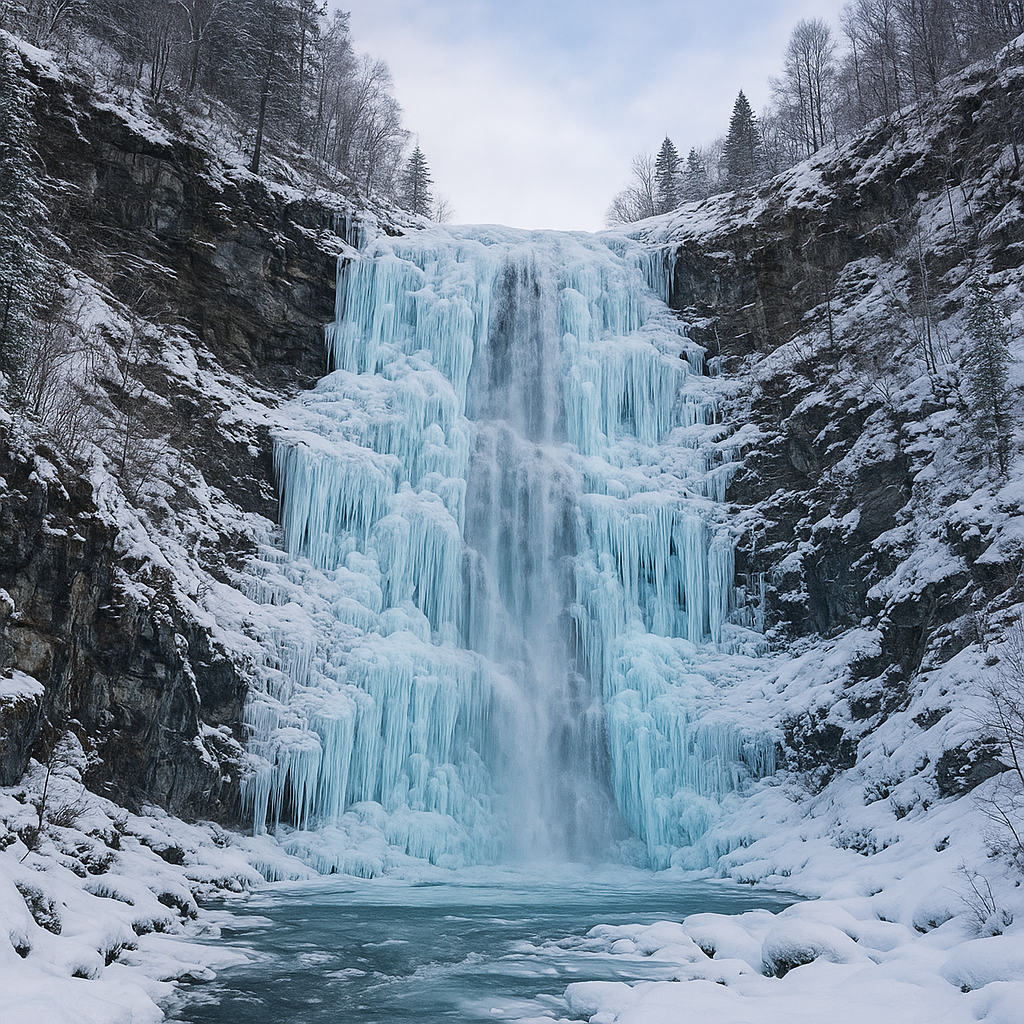
- Ice climbing – Scale frozen waterfalls and glaciated cliffs under expert guidance, combining physical prowess with mental focus.
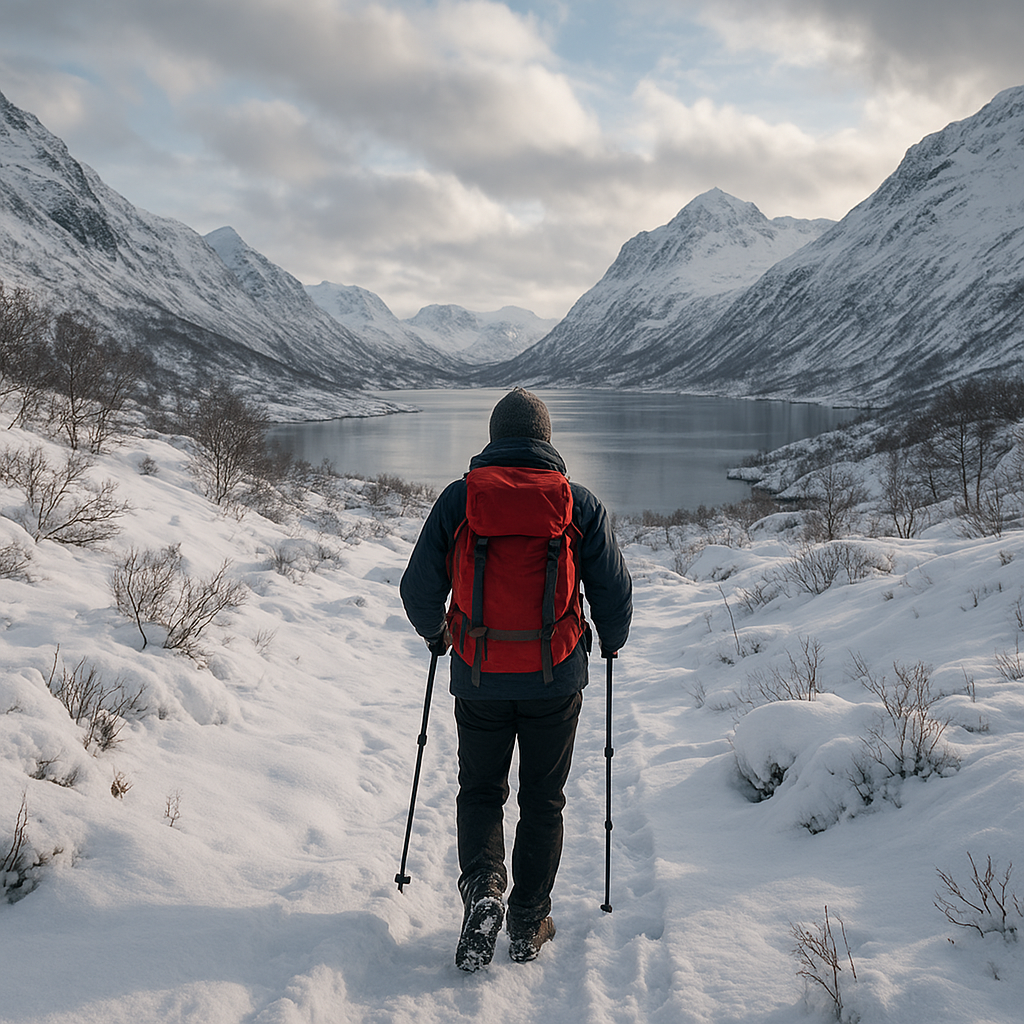
- Winter hiking – Well-marked trails lead to ridge tops and scenic overlooks, perfect for photography enthusiasts chasing snow-laden panoramas.
Essential Equipment and Safety Considerations
Proper gear and knowledge form the backbone of any successful winter outing. In subzero temperatures and unpredictable conditions, prioritizing safety is paramount.
- Layering system – Start with a moisture-wicking base, add insulating mid-layers, and top off with a waterproof, breathable outer shell.
- Footwear – Insulated boots with good traction or compatible ski and snowshoe bindings are crucial to prevent slips.
- Protective gear – Helmets, gloves, goggles, and avalanche transceivers (where applicable) offer essential protection.
- Navigation tools – GPS devices, maps, and compasses should be coupled with a strong understanding of navigation principles and weather patterns.
- Emergency kit – Include a first-aid pack, multi-tool, headlamp, fire-starter, and high-energy snacks.
- Physical preparation – Building cardiovascular endurance and strength through off-season training reduces injury risk.
Planning Routes and Navigating Arctic Conditions
Even short excursions demand thorough planning. To embrace the wilderness responsibly, consider the following steps:
- Research terrain – Study topographic maps and trail guides to identify elevation changes and potential hazards like crevasses or thin ice.
- Monitor weather forecasts – Rapid shifts in temperature and visibility can turn an enjoyable trek into a perilous challenge.
- Identify shelters and cabins – Norway’s network of DNT (Den Norske Turistforening) lodges provides secure resting points along many routes.
- Plan for limited daylight – Winter hours are short above the Arctic Circle, so schedule departures early and factor in extra time for slow travel in deep snow.
- Group dynamics – Traveling with companions enhances safety. Establish clear communication protocols and agree on turnaround times.
Environmental Stewardship and Respect for Nature
Preserving Norway’s fragile ecosystems ensures future generations can enjoy the same beauty. Adhering to low-impact principles is not only responsible but deeply rewarding:
- Leave no trace – Pack out all waste, avoid disturbing wildlife, and stick to established trails to minimize erosion.
- Respect wildlife – View animals from a distance, especially during winter when energy conservation is critical for their survival.
- Sustainable travel – Opt for public transport or shared shuttles to reduce carbon footprint. Many ski resorts now source renewable energy.
- Support local conservation – Contribute to reforestation projects or local NGOs focused on habitat protection.
Connecting with Local Culture and Community
Winter activities in Norway are deeply rooted in tradition and community spirit. Engaging with residents amplifies the richness of your journey:
- Guided tours – Local guides offer insights into Sami culture, historic trade routes, and indigenous survival techniques.
- Festivals and events – Join annual gatherings like ski festivals or ice sculpting competitions to experience regional customs.
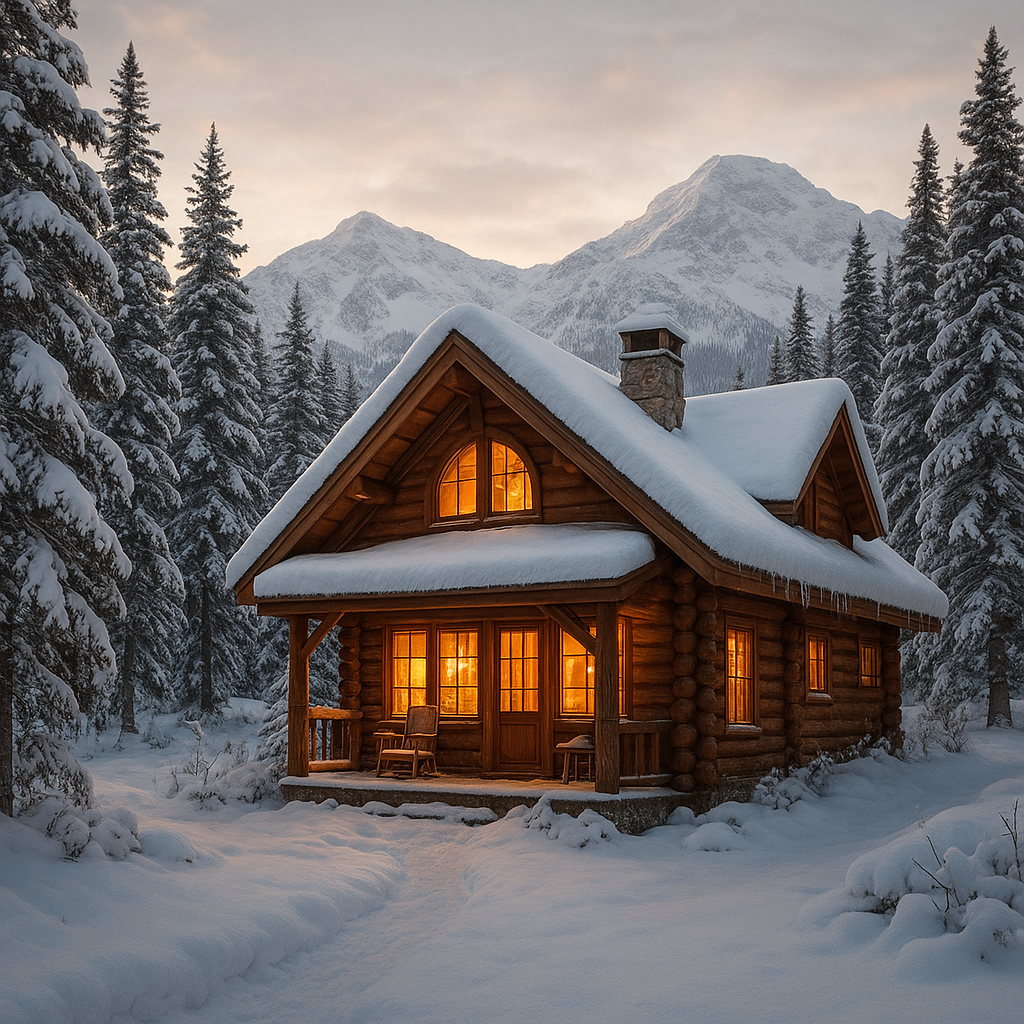
- Homestays and cabins – Staying in family-run lodgings fosters genuine connections and highlights Nordic hospitality.
- Skill-sharing workshops – Learn traditional crafts, from wood carving to wool knitting, often held in community centers.
Skills and Techniques for a Rewarding Experience
Mastering fundamental skills empowers you to explore more remote and diverse terrains:
Efficient Movement
- Kick-and-glide technique (for cross-country skiing) enhances propulsion and conserves energy.
- Proper body alignment and weight distribution optimize powder turns during ski touring or snowboarding.
Winter Survival Basics
- Snow shelter construction can provide lifesaving protection in emergencies.
- Reading snowpack layers helps assess avalanche risk and select safer routes.
Mindfulness and Preparation
- Mental resilience – Developing a calm, focused mind aids decision-making under stress.
- Weather intuition – Learning to interpret cloud formations and wind patterns increases situational awareness.
Capturing the Magic: Photography and Storytelling
Documenting your expedition not only preserves memories but also inspires others. Consider these tips to make your images stand out:
- Golden hours – Early mornings and late afternoons provide soft, angled light that accentuates snow texture and landscape contours.
- Foreground interest – Include trees, rock outcrops, or footprints to add depth and narrative to wide vistas.
- Action shots – Showcase dynamic movements like ski carve arcs or the graceful ascent of a snowshoe trekker.
- Post-processing – Subtle enhancements in contrast and saturation bring out the silent brilliance of pristine snowscapes.
Personal Growth and Community Bonding
Each winter adventure fosters personal development—boosting confidence, resilience, and a deeper appreciation for our planet’s vibrant ecosystems. Sharing stories around a wood-fired stove or swapping tips on trail conditions cultivates a sense of community and mutual support. As you traverse fjords, peaks, and ancient forests, the lessons learned extend far beyond the snow line, shaping how you engage with the world year-round.