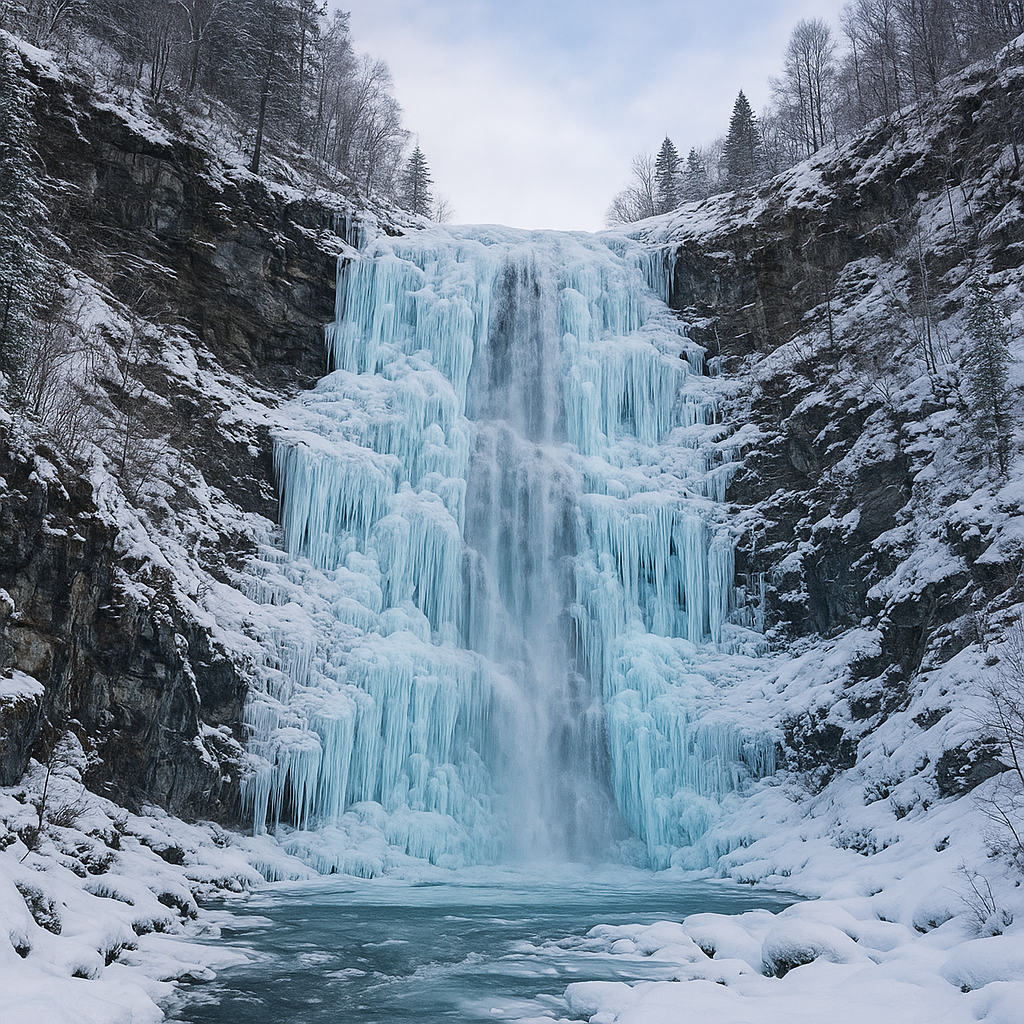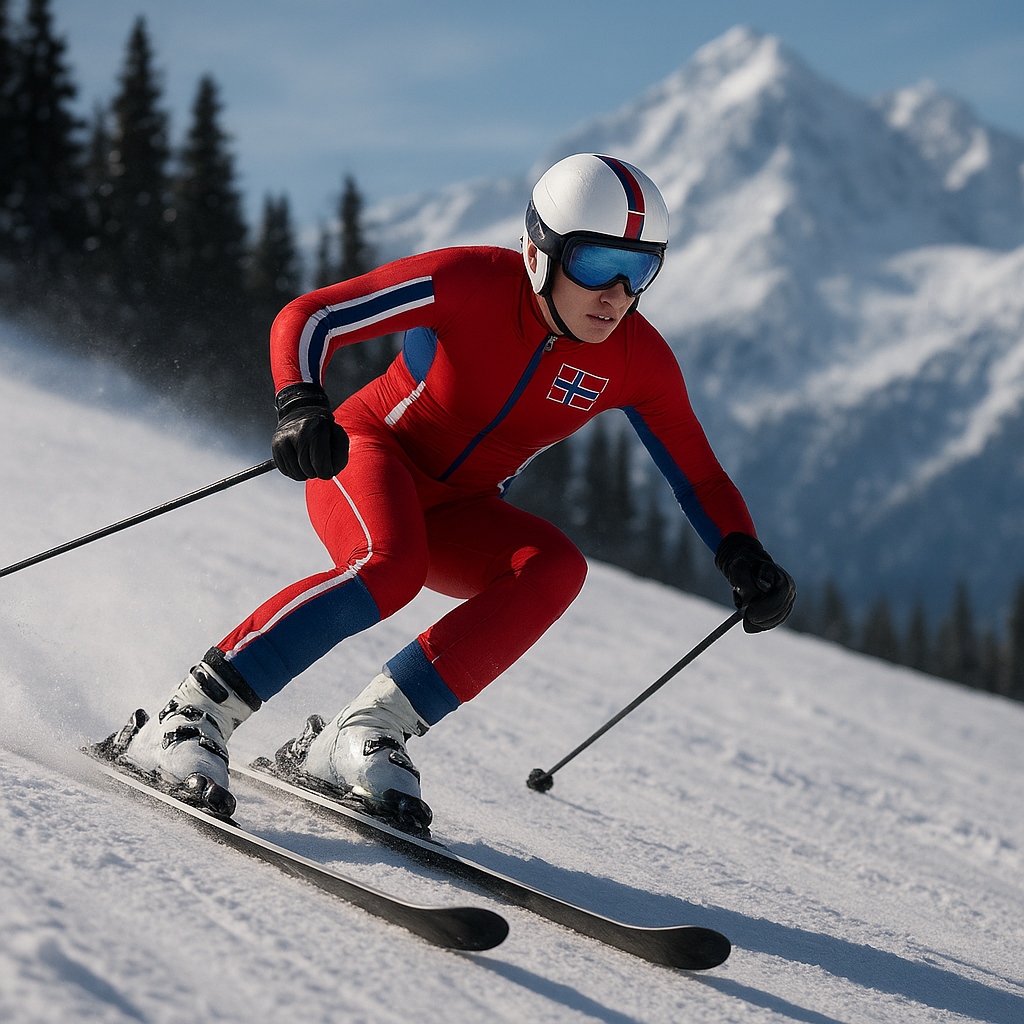
Norway’s dominance in winter sports is no accident. From snow-laden mountains to frozen lakes, the country offers an environment where children learn to glide on ice before they can walk. This article delves into the factors that make Norwegians unparalleled champions across disciplines, exploring their cultural roots, sophisticated training systems, and holistic approach to athlete development.
Cultural Heritage and Environmental Advantage
The backbone of Norway’s success lies in its tradition of winter activities, deeply embedded in national identity. Generations have passed down skills through informal play in backyards and formal clubs in local communities. The landscape itself—with its vast networks of forests, fjords, and arctic plateaus—creates natural training grounds for any aspiring winter athlete.
Connection to Nature
Norwegians view the outdoors not as a luxury but as a necessity. Even young schoolchildren spend hours each week cross-country skiing and orienteering, fostering a lifelong bond with snow and ice. This unbroken chain from kindergarten to elite squads ensures that talent emerges early and naturally.
Historic Milestones
- 19th century: Introduction of modern ski techniques from Sondre Norheim
- Early 20th century: Formation of local ski clubs promoting grassroots involvement
- 1952 Oslo Winter Olympics: A defining moment that galvanized national pride
- Recent decades: Expansion into emerging sports like snowboarding and biathlon
Such milestones have created a powerful narrative—Norway not only competes but innovates, blending respect for tradition with a thirst for progress.
Cutting-Edge Training and Infrastructure
Beyond culture, Norway boasts world-class facilities that support athletes from grassroots to podium. State-of-the-art ski tunnels, high-altitude training centers, and technologically advanced ice rinks provide the perfect blend of natural and artificial environments.
Scientific Approach to Performance
Performance analysis is taken to new heights with motion-capture studios, wind tunnels, and metabolic labs. Coaches and sports scientists collaborate on personalized regimens, tracking every detail from heart rate variability to muscle glycogen levels. The use of data-driven insights ensures optimal pacing and technique adjustments.
Comprehensive Development Programs
- Talent Identification: Scouting programs in schools and clubs spot potential early.
- Structured Pathways: Clear progression from regional competitions to national teams.
- Mentorship: Retired champions mentor emerging athletes, passing on priceless experience.
- Year-Round Access: Indoor snow domes and roller-ski facilities counteract short seasons.
This system ensures that every athlete, regardless of background, has access to top-tier resources, fostering endurance and technical mastery.
Nutrition, Mindset, and Holistic Preparation
Physical training is only one piece of the puzzle. Norwegian coaches emphasize a holistic philosophy, giving equal weight to nutrition, mental toughness, and recovery strategies. This comprehensive outlook helps athletes sustain peak performance throughout grueling seasons.
Fueling for Success
Dieticians collaborate closely with teams, crafting meal plans rich in local produce like fatty fish, whole grains, and root vegetables. Emphasizing balanced macronutrients, they optimize glycogen stores and muscle repair. Employed techniques include:
- Periodized carbohydrate loading during competition phases
- Anti-inflammatory dishes featuring berries and wild herbs
- Personalized supplementation guided by blood biomarker analysis
Mental Resilience and Team Dynamics
Competing in subzero conditions demands more than physical strength; it requires unwavering focus and resilience. Sports psychologists work alongside teams to develop routines for stress management, visualization, and goal-setting. Group cohesion is equally vital—athletes train in squads, reinforcing a sense of community and shared ambition.
Emphasis on teamwork extends to support staff, where physiotherapists, equipment technicians, and performance analysts operate as one unit. This synchronized approach ensures seamless preparation and swift problem-solving during competitions.
Technological Innovation and Equipment Excellence
Innovation in gear plays a pivotal role in maintaining Norway’s edge. The nation’s ski manufacturers, wax technicians, and apparel designers continually push boundaries to develop equipment that withstands extreme conditions and enhances speed.
Customized Gear
Each athlete receives tailor-made skis and blades, adjusted to individual weight distribution and style. Engineers employ 3D scanning and finite-element analysis to optimize ski flex and stiffness. Precision waxing techniques, adapted to microclimatic conditions, further reduce friction, shaving vital milliseconds off race times.
Advances in Apparel
Lightweight, thermal-regulating fabrics keep athletes warm without adding bulk. Integration of smart textiles with embedded sensors allows real-time monitoring of body temperature and sweat rates. Such gear has transformed training feedback loops and race-day strategies.
Global Influence and Future Outlook
Norway’s model for winter sports excellence has attracted attention worldwide. Other nations now emulate its developmental system, but few replicate the seamless fusion of culture, science, and innovation. As climate change alters snowfall patterns, Norway remains proactive—investing in artificial snow technologies and diversified sports development to safeguard its legacy.
- Climate Adaptation: Trials with snow manufacturing, preserving training consistency
- Broadening Participation: Initiatives to include urban youth and underrepresented groups
- International Collaboration: Knowledge-sharing programs with emerging winter sports nations
With a forward-looking mindset, Norway continues to shape the future of winter sports. By valuing both tradition and innovation, the nation reinforces its standing at the pinnacle of cold-weather competition.