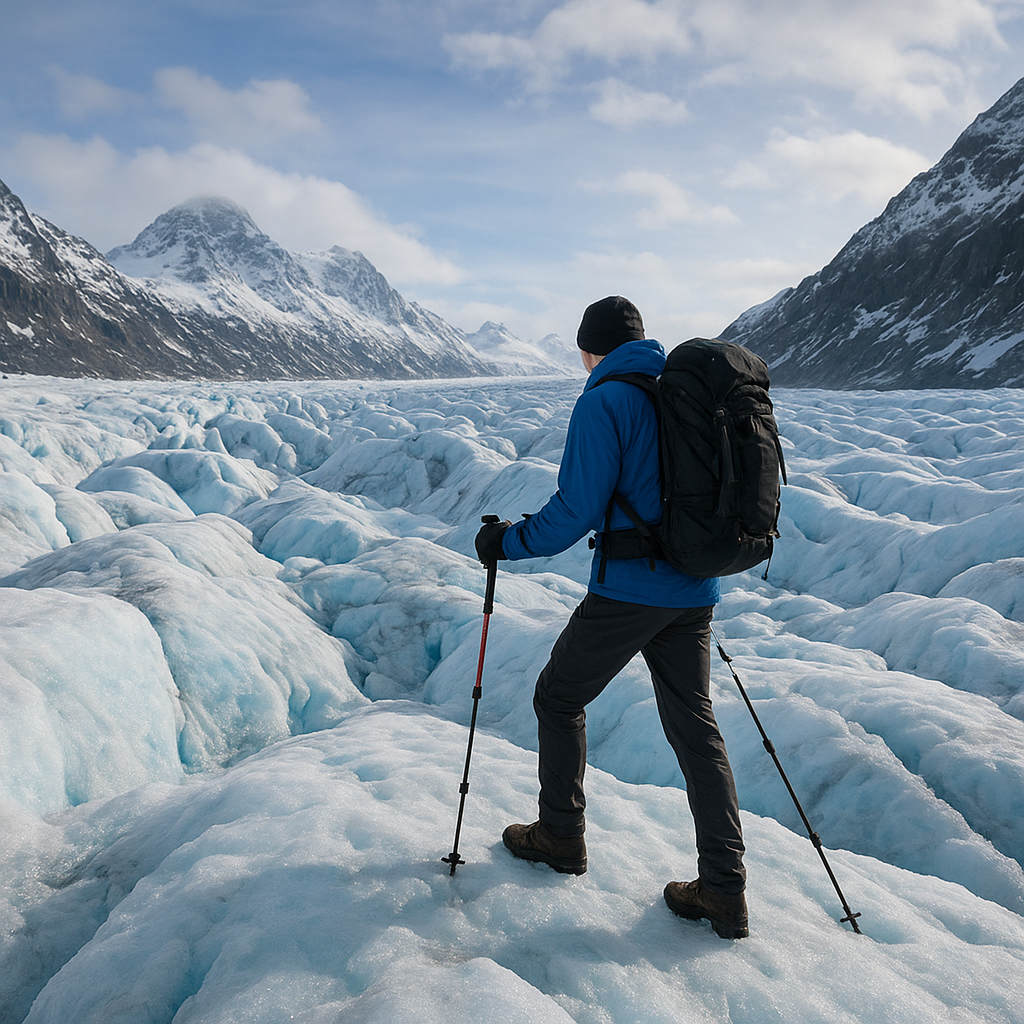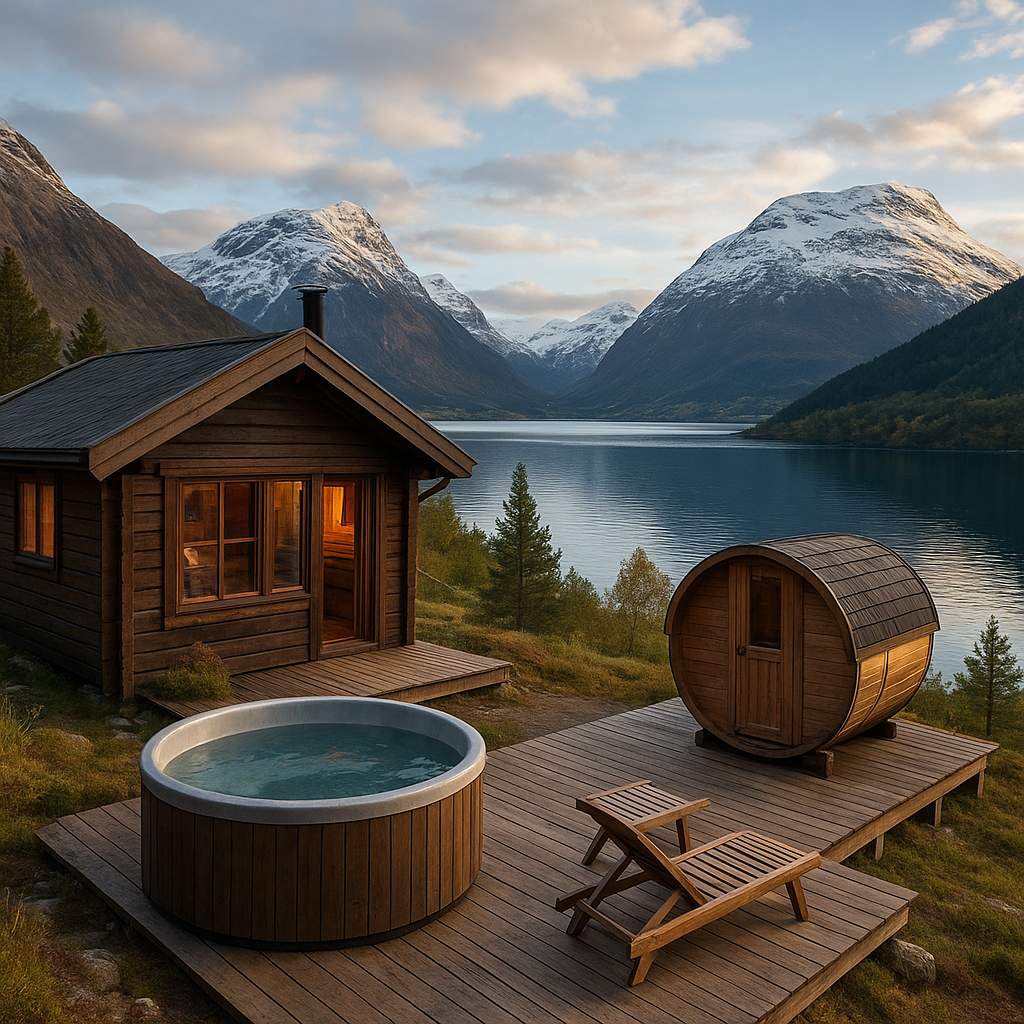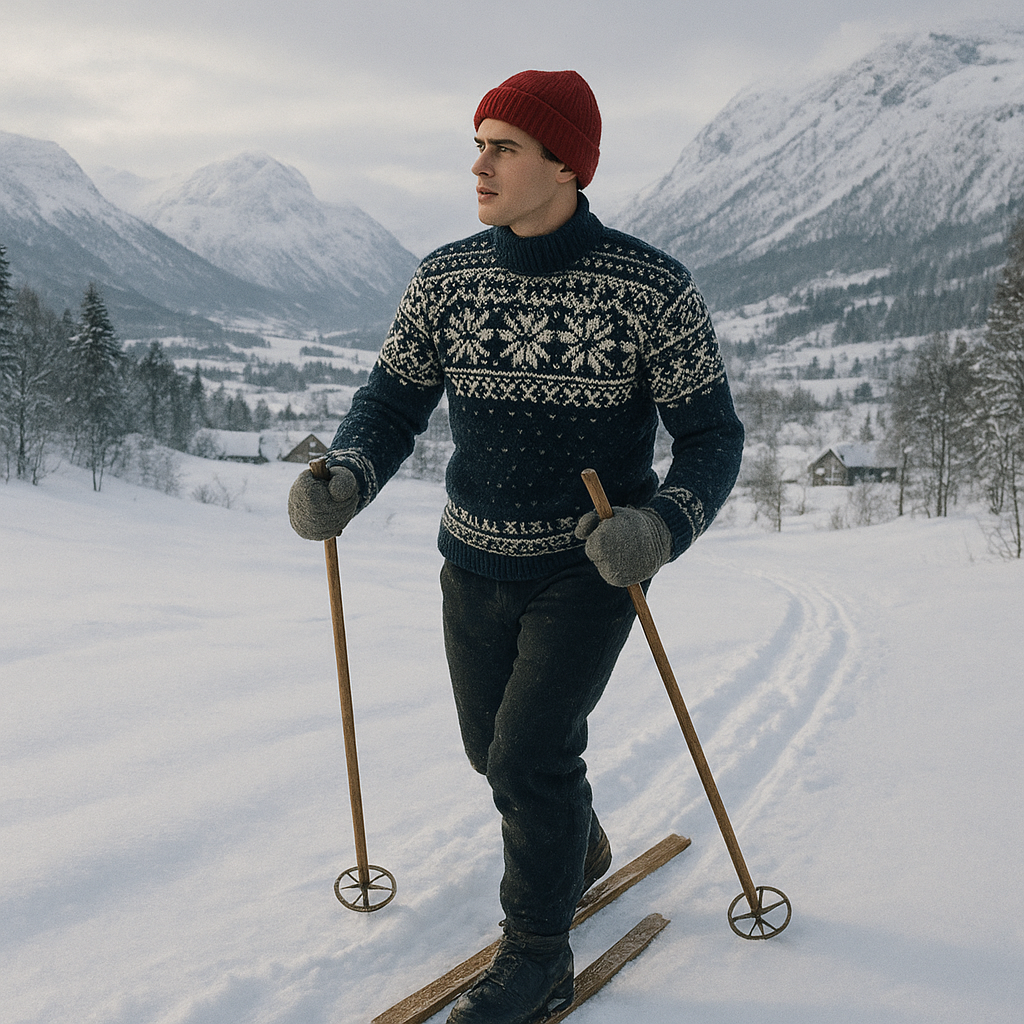
Norway’s snowy landscapes have long inspired a deep connection between people and the mountains. Across generations, winter sports have become a powerful thread in the nation’s social fabric, shaping traditions, lifestyles, and international reputation. From rural valleys to modern resort towns, skiing and related pursuits offer both residents and visitors a chance to embrace nature, challenge their limits, and celebrate a shared cultural heritage.
Cultural Significance of Skiing in Norway
Historical Roots
Long before mechanized lifts and groomed slopes, Norwegians used wooden skis to traverse snowbound terrain. Archaeological finds dating back over 4,000 years reveal rudimentary skis carved from pine and birch, underscoring their vital role in transportation and survival. Over centuries, these simple tools evolved in design and purpose. By the 19th century, skiing had become a popular pastime, punctuated by the formation of the first ski clubs, which fostered camaraderie and healthy competition. This progression highlights Norway’s heritage of innovation and adaptation to challenging environments.
Symbol of National Identity
Skiing is more than a sport in Norway—it is a potent emblem of collective character. The discipline and perseverance required to master cross-country and downhill techniques mirror the resilience needed to thrive in harsh climatic conditions. Celebratory events such as the Holmenkollen Ski Festival have elevated athletes to national heroes, reinforcing a sense of pride and unity. The convergence of spectators clad in colorful knitwear at these gatherings speaks to a shared lineage, where athletic achievement interweaves with artful design in traditional garments.
Evolution of Winter Sports Technology and Competition
Technological Innovations
From handcrafted wooden planks to contemporary carbon-fiber skis, the evolution of equipment has been dramatic. Modern bindings, aerodynamic suits, and precision-engineered poles have heightened performance, allowing athletes to push boundaries of speed and control. Norway’s engineering community has contributed significantly to these advances, emphasizing innovation and environmental responsibility. Recent breakthroughs in eco-friendly waxes and recycled composite materials demonstrate an ongoing commitment to reducing the carbon footprint of winter sports production.
Rise in International Competition
Norwegian athletes have excelled on the world stage, setting records and capturing medals across disciplines. Their success is rooted in early talent cultivation through community clubs and a robust school sports curriculum. The biathlon, combining marksmanship with cross-country endurance, showcases both physical stamina and mental fortitude. Notable champions exemplify the values of excellence and strategic thinking. Global events such as the Winter Olympics and FIS World Cup bring together competitors from diverse backgrounds, creating a platform where Norway’s winter sports ethos shines.
- Cross-Country Skiing: Endurance races on undulating terrain, demanding both aerobic capacity and technical finesse.
- Alpine Skiing: High-speed downhill courses challenging athletes’ balance, agility, and courage.
- Freestyle and Snowboarding: Creative expression through jumps, spins, and tricks, appealing to younger generations.
Modern Winter Tourism and Community Impact
Resort Development and Accessibility
Norway’s investments in infrastructure have transformed remote valleys into world-class winter resorts. High-speed lifts, snowmaking systems, and well-maintained trails cater to beginners and experts alike. Regions such as Trysil, Hemsedal, and Geilo have become hubs for families, adrenaline seekers, and corporate retreats. The integration of comfortable lodgings, wellness centers, and local culinary offerings reinforces a holistic visitor experience, where sports meet relaxation and cultural immersion.
Sustainability and Environmental Stewardship
Recognizing the fragility of alpine ecosystems, Norwegian resorts champion sustainable practices. Energy-efficient operations, reforestation projects, and responsible wildlife management reflect an ethos of sustainability and respect for nature. Educational initiatives engage tourists in low-impact skiing techniques, waste reduction, and preservation of native flora and fauna. Such efforts aim to balance economic growth with ecological integrity, ensuring that pristine landscapes remain unspoiled for generations to come.
Community Engagement and Social Cohesion
Local communities actively participate in winter sports through volunteer programs, youth training camps, and charity races. Events like the annual community relay foster a spirit of teamwork, where seasoned athletes mentor newcomers. This grassroots involvement strengthens social bonds and encourages healthy lifestyles. The tradition of gathering at mountain lodges for hot cocoa and storytelling after a day on the slopes cements a sense of belonging and mutual support.
- Volunteer-driven trail maintenance enhances safety and fosters local pride.
- Youth ski leagues cultivate future champions while teaching respect for the environment.
- Festivals celebrating winter arts and crafts highlight regional customs alongside sporting events.
Future Directions and Emerging Trends
Embracing Digital Innovation
The integration of digital platforms is reshaping how enthusiasts plan trips, track performance, and share experiences. Mobile apps offer real-time weather updates, slope conditions, and virtual coaching, blending convenience with personalized training. Social media challenges and live-streamed competitions amplify global engagement, making Norway’s winter sports scene more accessible than ever. This digital shift underscores the ongoing pursuit of technique enhancement and community connectivity.
Advent of Inclusive Sports
Efforts to make winter sports accessible to individuals with disabilities have gained momentum. Adaptive equipment, specialized training programs, and inclusive events promote equal opportunity and empowerment. Organizations collaborate with resorts to design barrier-free facilities, ensuring that everyone can experience the thrill of gliding across snow. This movement embodies values of community, empathy, and shared adventure, broadening the reach of Norway’s sporting traditions.
Prospects for Climate Resilience
As climate patterns shift, the winter sports industry is exploring innovative solutions to maintain reliable snow coverage. Trials in artificial snow generated from renewable energy sources, as well as higher-altitude course development, represent adaptive strategies. Academic partnerships investigate the interplay between snow science and tourism economics, aiming to safeguard both livelihoods and ecosystems. Through collaboration and foresight, Norway aims to uphold its reputation as a pioneer in resilience and environmental responsibility.
Across every valley and mountaintop, winter sports continue to shape Norway’s cultural identity, uniting past traditions with future ambitions. From the rhythmic glide of cross-country skis to the roars of spectators at high-speed races, these pursuits foster a dynamic interplay of sport, community, and nature. As technology advances and sustainability takes center stage, Norway stands poised to inspire new generations with its enduring spirit of adventure and respect for the snowy wilderness.