Winter sports have captured the imagination of adventurers and athletes for centuries, blending adrenaline, grace, and the beauty of snowy landscapes. From the rugged peaks of Scandinavian mountains to the modern Olympic arenas, the journey of these activities reflects a rich tapestry of cultural history, technological innovation, and human daring. This article delves into the origins, disciplines, equipment, and global significance of winter sports, offering a comprehensive look at how cold-weather pursuits evolved from practical modes of travel into celebrated competitive pastimes.
Origins and Evolution of Winter Sports
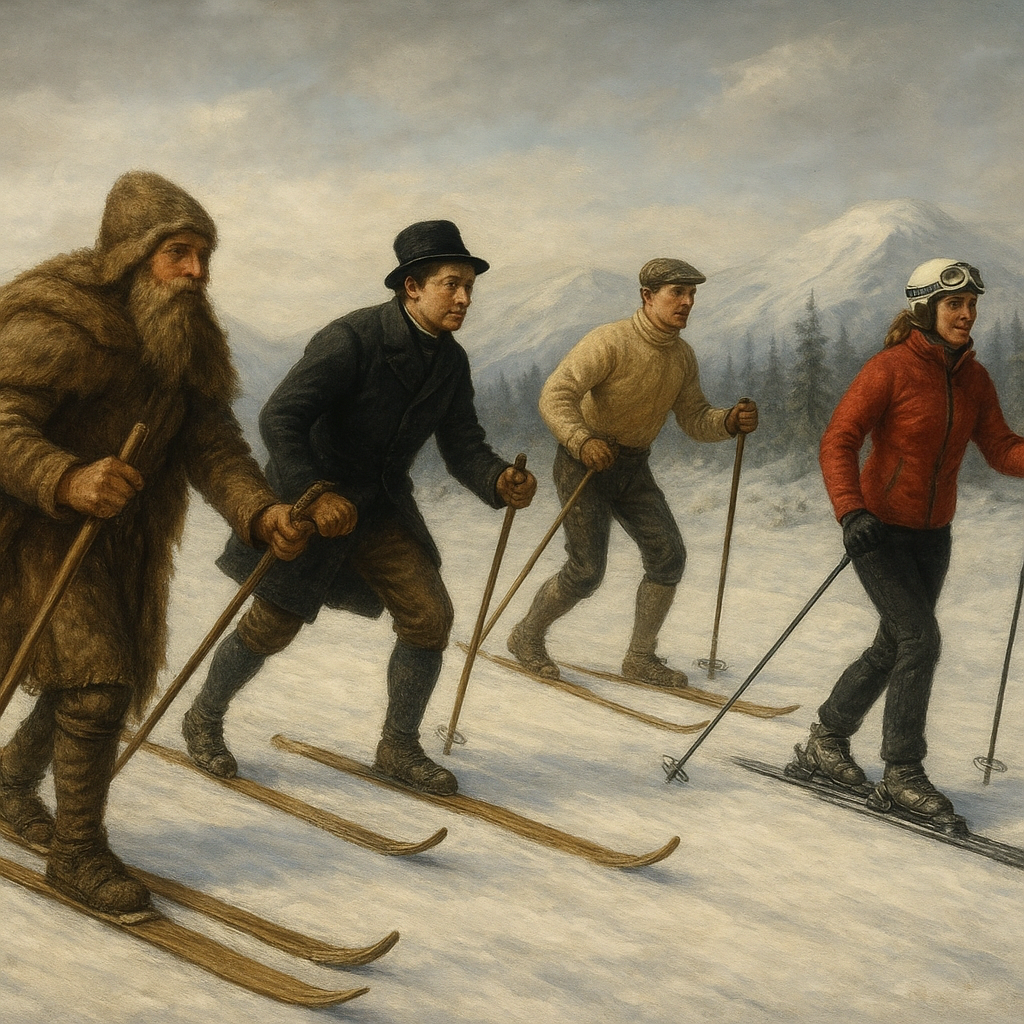
The story of winter sports begins in the snow-covered forests and valleys of northern Europe, where early inhabitants adapted their daily lives to harsh climates. Archaeological findings suggest that as far back as 8000 BCE, people in what is now Norway and Sweden crafted wooden planks to traverse deep drifts, laying the groundwork for what would become modern skiing. These primitive skis were often made of pine or birch and secured to boots using leather straps.
Nordic Roots
The term nordic skiing encompasses both classic and skate styles, inspired by ancient transportation methods. Hunting parties and soldiers used skis for both speed and endurance. By the 18th century, military exercises in the Norwegian army formalized skiing drills, cementing its reputation as a skillful and strategic pursuit.
From Utility to Recreation
Throughout the 19th century, winter sports transitioned from necessity to leisure. Scandinavian clubs organized races that combined skiing with shooting, leading to the creation of the biathlon. In parallel, ice skating rinks sprang up in European cities, offering residents a social and athletic outlet during winter months. These developments signified a shift toward viewing snow and ice as platforms for entertainment and competition.
Popular Disciplines and Modern Practices
Today, winter sports encompass a diverse range of activities, each with its own techniques, equipment, and cultural appeal. The thrill of gliding down slopes or carving through fresh powder has given rise to numerous specialized disciplines.
- Alpine Skiing: Characterized by downhill speed and precision, athletes navigate a series of gates on steep courses. Techniques focus on edge control and aerodynamic body positions.
- Cross-Country Skiing: Endurance-based, this discipline demands mastery of both classic and skate striding methods across varied terrain.
- Freestyle Skiing: Incorporating jumps, aerials, and freestyle tricks, this high-flying sport emphasizes creativity and acrobatic skill.
- Snowboarding: Originating in the 1960s, snowboarding melds surfing and skateboarding principles with winter terrain, spawning halfpipe, slopestyle, and boardercross formats.
- Biathlon: A combination of skiing and marksmanship, competitors alternate between grueling cross-country legs and precise rifle shooting.
- Ice Hockey: Played on frozen rinks worldwide, this fast-paced team sport demands agility, strategy, and teamwork.
- Figure Skating: Blending athleticism with artistry, skaters perform spins, jumps, and footwork to music.
- Luge, Bobsleigh, and Skeleton: High-speed sliding sports where athletes navigate ice tracks in lightweight sleds, pushing the limits of safety equipment and track design.
Recreational Versus Competitive
While elite athletes train year-round for World Cup circuits and the Winter Olympics, millions participate in winter sports for leisure. Resort towns offer lessons in skiing, snowboarding, and snowshoeing for all ages, with clearly marked trails and guided tours. The recreational sector has fueled advances in gear design, safety standards, and slope grooming techniques.
Equipment, Techniques, and Safety Measures
Success and enjoyment in winter sports hinge on the right equipment and mastery of essential techniques. Innovations in materials and design have revolutionized performance and protection, making sports safer and more accessible.
Skis, Boards, and Footwear
- Skis and Snowboards: Modern versions are constructed from lightweight composite cores, reinforced with carbon fiber or metal laminates. Shape and camber profiles influence turning ability and stability in fresh snow.
- Bindings: Crucial for both power transfer and release mechanisms in case of falls. Adjustable DIN settings help reduce injury risk.
- Boots: Custom-fit designs offer ankle support and warmth. Heat-moldable liners conform to the foot for precise control.
Protective Gear
Helmets, spine protectors, and impact shorts are now standard for many disciplines. Improved foam densities and ventilated shells absorb shock while maintaining breathability. Goggles with interchangeable lenses adapt to varying light conditions, reducing eye strain and improving visibility.
Technique Development
Instructional programs break down skills into manageable drills. For example, alpine skiers practice edge control on gentle slopes before advancing to carve turns at high speed. Freestyle athletes hone aerial awareness on foam pits and trampolines, ensuring safe progression when launching on snow ramps.
Safety Protocols and Mountain Etiquette
- Trail Markings: Color-coded systems guide skiers and snowboarders according to difficulty levels.
- Mountain Patrols: Trained responders provide first aid and avalanche rescue services.
- Avalanche Safety: Education in beacon use, probe deployment, and rescue strategies is essential for backcountry adventurers.
- Respect for Wildlife and Environment: Sustainable practices include avoiding sensitive habitats and adhering to waste policies.
Competitive Events and Global Impact
Winter sports have grown into a multibillion-dollar industry, influencing tourism, broadcasting, and national pride. International governing bodies regulate standards and organize marquee events that draw spectators and participants from around the globe.
The Winter Olympic Games
Since 1924, the Winter Olympics have been the pinnacle of cold-weather competition. Athletes vie for medals in disciplines ranging from ski jumping to short-track speed skating. Each edition introduces new events, reflecting evolving trends and technological capabilities.
World Cup Circuits and Championships
- FIS World Cup: The International Ski Federation (FIS) oversees yearly circuits in alpine, nordic, freestyle, and snowboarding events, culminating in crystal globe awards for overall champions.
- IBU World Championships: Biathlon’s showcase event features individual and relay formats, testing both endurance and marksmanship.
- International Bobsleigh & Skeleton Federation (IBSF) Tournaments: Athletes compete on iconic tracks in Europe, North America, and Asia.
Economic and Cultural Significance
Winter sport destinations contribute significantly to local economies through resort fees, hospitality services, and equipment rentals. Legendary venues such as Chamonix, St. Moritz, and Whistler have become synonymous with alpine excellence. Beyond commerce, these sports foster a sense of community and resilience, celebrating human capacity to thrive in challenging environments.
Future Trends
Advancements in wearable technology are transforming training methods, with GPS tracking and biometric sensors providing real-time performance data. Artificially engineered snow and slope-cooling systems extend seasons, while virtual reality simulators enable practice year-round. As safety continues to improve and accessibility expands, the appeal of winter sports will only grow, welcoming new generations of enthusiasts to the thrill of cold-weather competition.