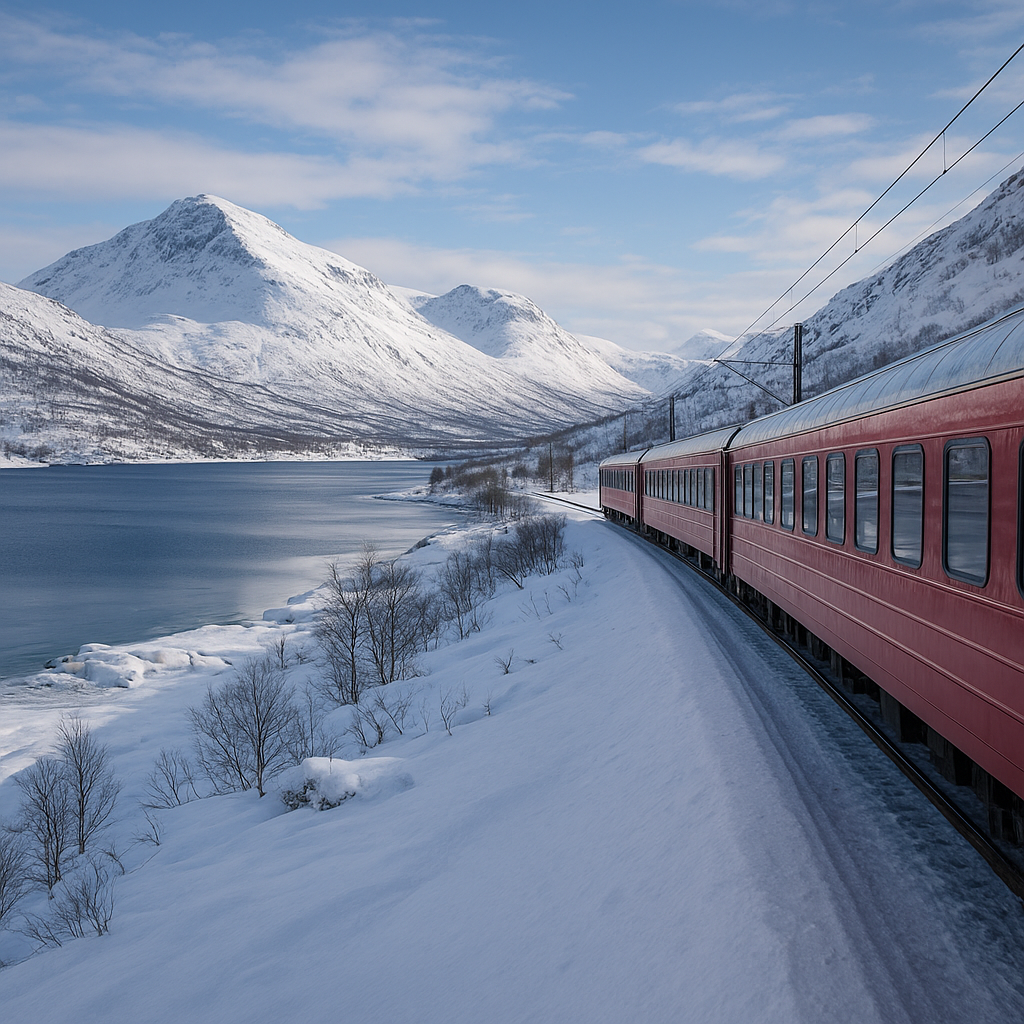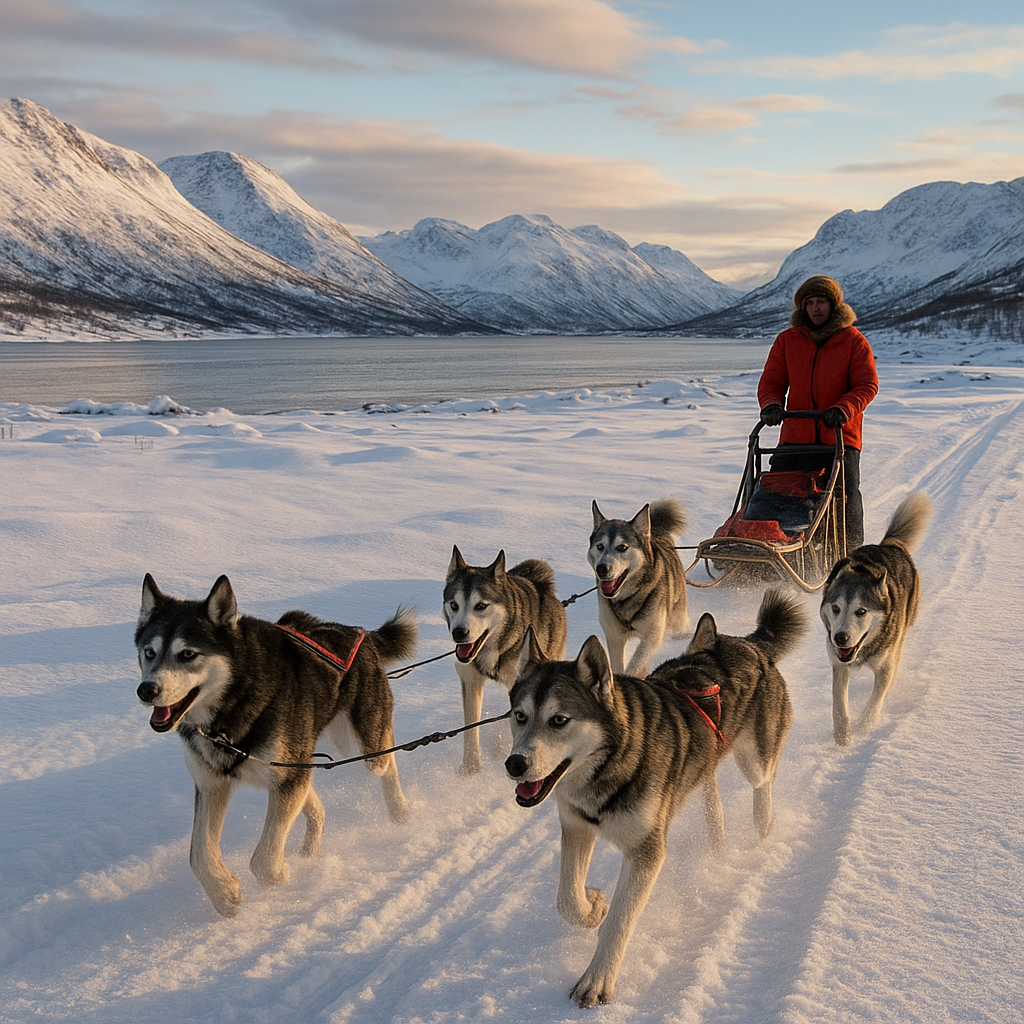
The winter landscape transforms into a playground for those seeking both serene beauty and heart-pounding excitement. From snow-clad mountain peaks to frozen lakes glittering under the pale sun, a world of possibility awaits. Across the globe, winter sports captivate enthusiasts by offering a blend of innovation, tradition, and communal spirit. This article delves into the thrilling universe of snowy pursuits, exploring the techniques, culture, and cutting-edge gear that make these activities unforgettable experiences.
Embracing the Thrill of Alpine Sports
Skiing: The Classic Downhill Rush
Skiing remains the quintessential winter sport, attracting riders with its promise of adrenaline, speed, and freedom. From gentle bunny slopes for beginners to black-diamond runs that test the elite, there’s always a terrain to conquer. Modern ski resorts boast groomed pistes, terrain parks filled with jumps and rails, and off-piste zones for backcountry aficionados.
- Equipment: Skis come in various shapes—carving skis for tight turns, powder skis for deep snow, and all-mountain skis for versatility.
- Technique: Mastery of edging, weight distribution, and pole planting enhances control and efficiency on the slopes.
- Safety: Helmets, avalanche beacons, and airbag packs have revolutionized risk management.
Snowboarding: Style Meets Performance
Snowboarding emerged in the 1960s, blending surfing’s fluid motions with skateboarding’s streetwise flair. Today, it’s a sport of incredible Innovation, with riders pushing the limits in halfpipes, slopestyle arenas, and steep heliboarding runs. The emphasis on creativity has spawned a vibrant subculture celebrated in competitions like the Winter X Games.
- Board Types: Freestyle boards for parks, freeride boards for powder, and splitboards for backcountry exploration.
- Styles: From jibbing rails to soaring aerials, athletes develop signature moves that earn acclaim.
- Community: Snowboarding culture emphasizes camaraderie, street art, and music festivals at major resorts.
Cross-Country Skiing: Endurance on the White Trails
Far from the downhill frenzy, cross-country skiing offers an intimate communion with winter’s quiet beauty. Known as Nordic skiing, this discipline tests endurance and stamina, often covering vast distances across rolling forests and frozen tundra. The Olympic biathlon adds shooting to the mix, demanding remarkable control and precision under physical duress.
- Styles: Classic technique relies on diagonal striding, while skate skiing uses a V-shaped motion for greater speed.
- Training: Races range from sprints to 50-kilometer marathons, pushing cardiovascular capacity to its limits.
- Eco-Conscious: Skiers frequently advocate trail conservation and wildlife protection in fragile environments.
The Art and Culture of Snow and Ice
Sculpting Winter Landscapes
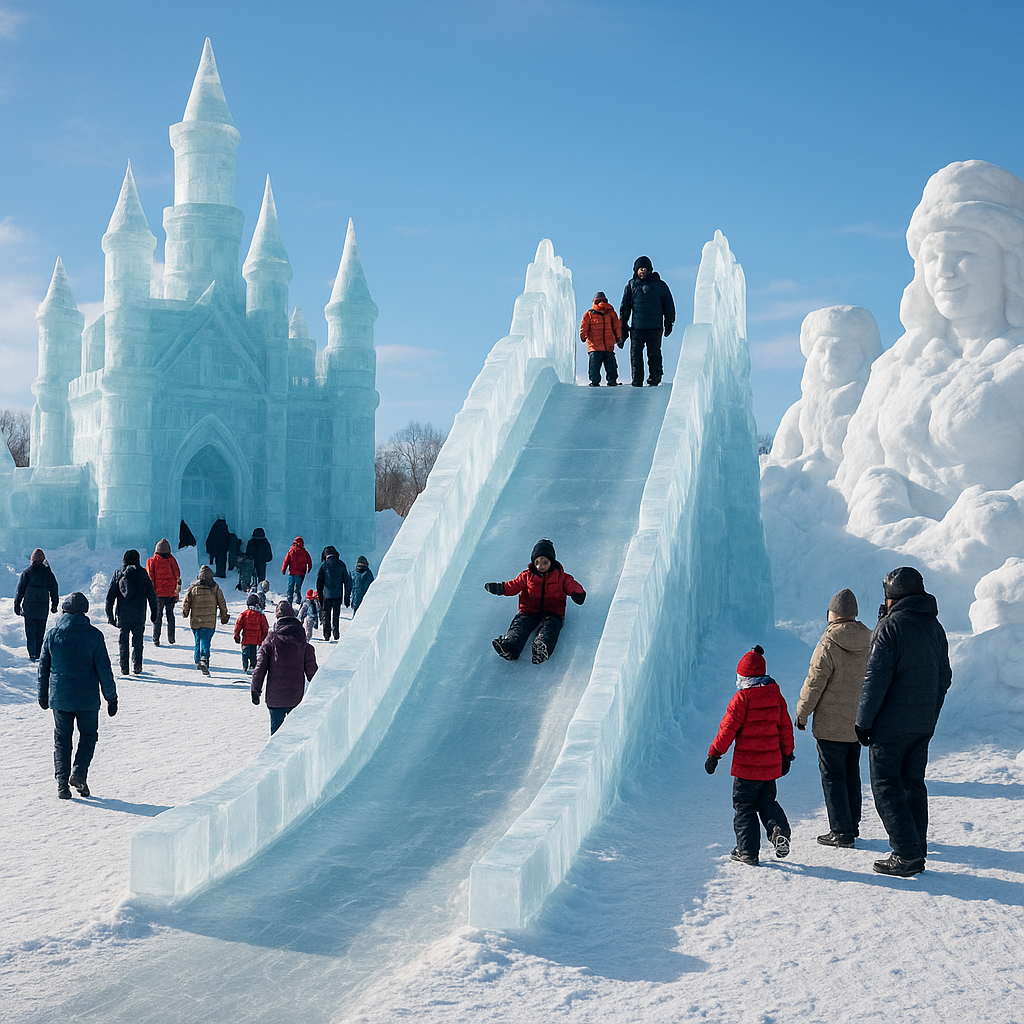
Beyond the athletic realm, ice and snow sculpting transform frozen water into ephemeral masterpieces. International festivals host teams from around the world, each crafting towering ice castles, elaborate snow carvings, and illuminated pathways. These events celebrate both tradition and creativity, drawing tourists eager to wander through crystalline galleries.
- Techniques: Chainsaws, chisels, and hand tools shape blocks of ice into figures of myth and legend.
- Illumination: Colored LED lights embedded in ice create surreal, dreamlike atmospheres after dusk.
- Community: These festivals foster cultural exchange and support local artisans.
Festivals of Speed: Ice Racing and Skating
Speed meets spectacle on frozen lakes and purpose-built tracks. Ice racing events feature sports cars, motorcycles, and even vintage buggies sliding around tight circuits. Meanwhile, figure skating and speed skating demonstrate the human body’s ability to meld art with athleticism. Audiences marvel at skaters’ turns, jumps, and synchronized formations gliding over the glassy surface.
- Equipment: Specialized studs and blades provide traction and support for high-speed cornering.
- Training: Off-ice conditioning includes ballet, gymnastics, and plyometrics for explosive power.
- Spectacle: Neon lights, music, and thematic performances turn competitions into theatrical events.
Backcountry Adventures and Winter Mountaineering
For those seeking raw wilderness and solitude, backcountry skiing and mountaineering offer unparalleled challenges. Navigating steep couloirs, carving fresh powder, and summiting snow-bound peaks demands resilience, knowledge, and respect for nature’s unpredictability. Guides and expedition teams emphasize avalanche education and leave-no-trace ethics to ensure safety and sustainability.
- Gear: Lightweight skis, crampons, ice axes, and layered apparel safeguard against extreme conditions.
- Skills: Route finding, crevasse rescue, and weather assessment are essential competencies.
- Sustainability: Low-impact camping and partnership with conservation groups preserve fragile alpine ecosystems.
Cutting-Edge Gear and Sustainability in Winter Sports
High-Tech Apparel and Accessories
Advancements in materials science have revolutionized how athletes stay warm and agile. Modern fabrics combine ultralight insulation with moisture-wicking membranes, ensuring optimal performance in subzero temperatures. Smart textiles, embedded with sensors, monitor heart rate, body temperature, and even altitude acclimatization. Wearable tech provides data-driven insights, helping athletes refine their training and reduce injury risk.
- Insulated Layers: Graphene-infused fabrics and eco-friendly down alternatives offer high warmth-to-weight ratios.
- Footwear: Custom-molded liners with adaptive thermal regulation keep toes toasty without bulk.
- Gadgets: GPS-enabled goggles track runs, while augmented-reality visors display trail maps in real time.
Eco-Friendly Initiatives
With climate change posing a real threat to the winter sports industry, sustainable practices have never been more critical. Resorts are investing in renewable energy, waste reduction, and water conservation to preserve their snowy playgrounds. Athletes and enthusiasts champion carbon-offset programs and eco-certifications when choosing travel and lodging, ensuring that future generations can still carve fresh tracks in the powder.
- Resort Policies: Solar panels, energy-efficient snowmaking systems, and eco-lodges minimize environmental footprints.
- Community Engagement: Local clean-up drives and tree-planting projects foster stewardship among visitors.
- Innovation: Biodegradable ski waxes and recycled composite materials are reshaping equipment manufacturing.
Nutrition, Recovery, and Peak Performance
Athletes understand that fueling the body is just as important as gearing up. Balanced diets rich in proteins, complex carbohydrates, and healthy fats support the rigorous demands of winter sports. Nutritional strategies focus on endurance, muscle repair, and immune resilience, helping competitors stay strong throughout marathon events and multi-day festivals.
- Supplements: Omega-3 fatty acids and vitamin D guard against inflammation and seasonal deficiencies.
- Recovery: Cryotherapy, infrared saunas, and compression therapy accelerate muscle regeneration.
- Mindfulness: Breathing techniques, yoga, and meditation bolster mental focus and stress management.