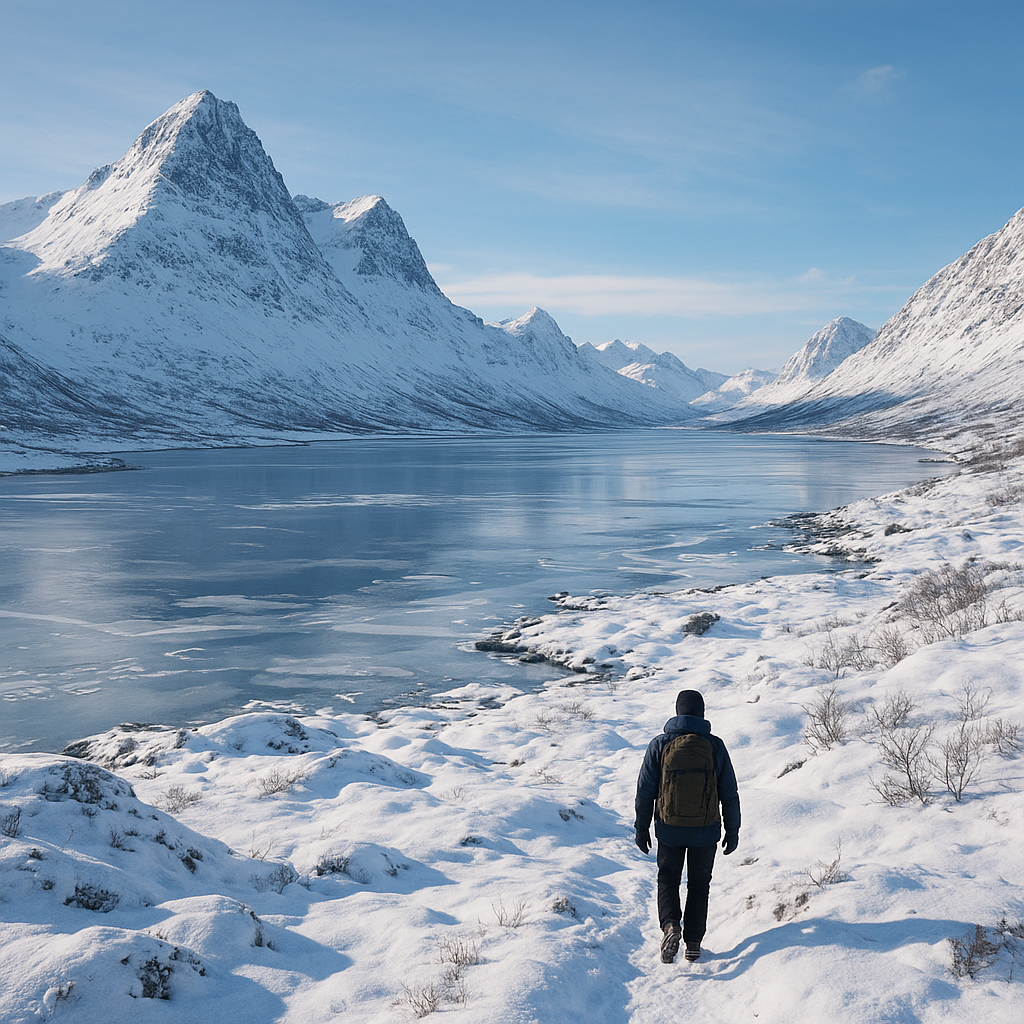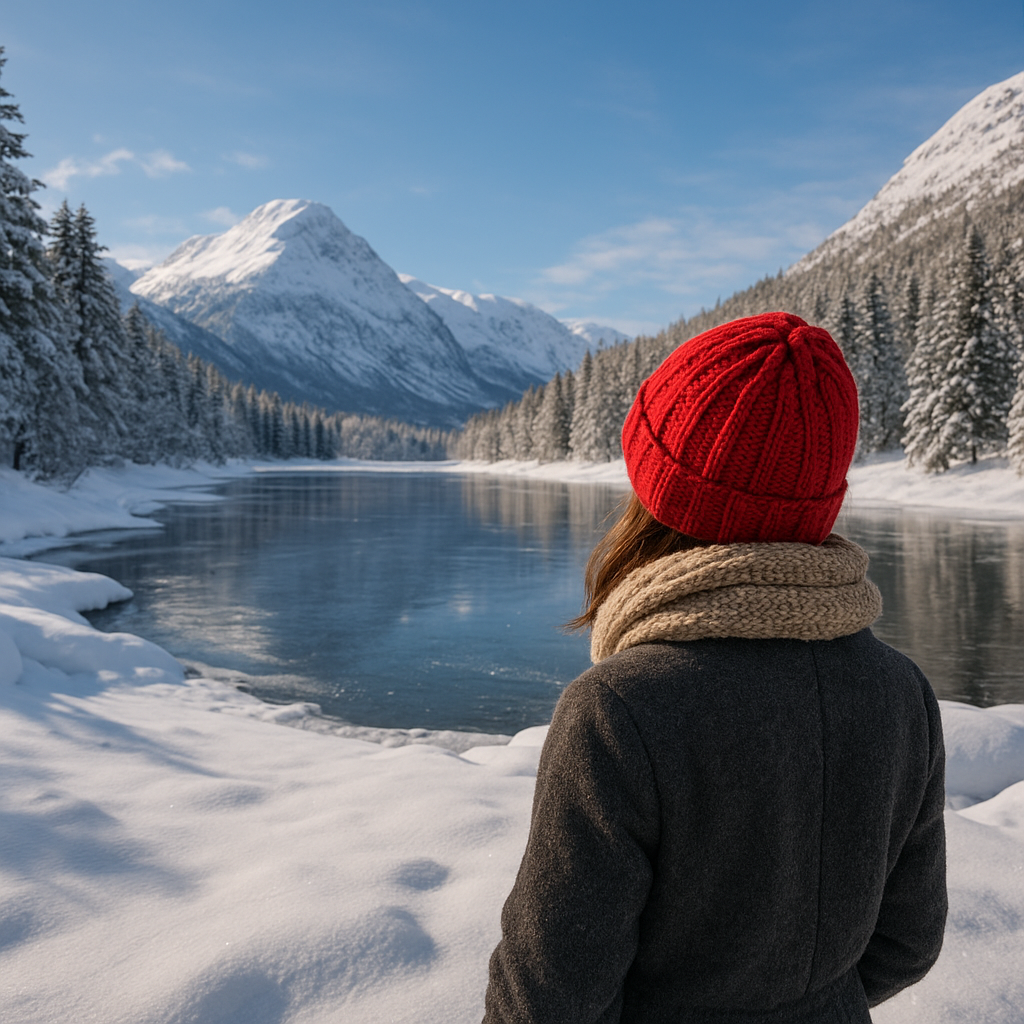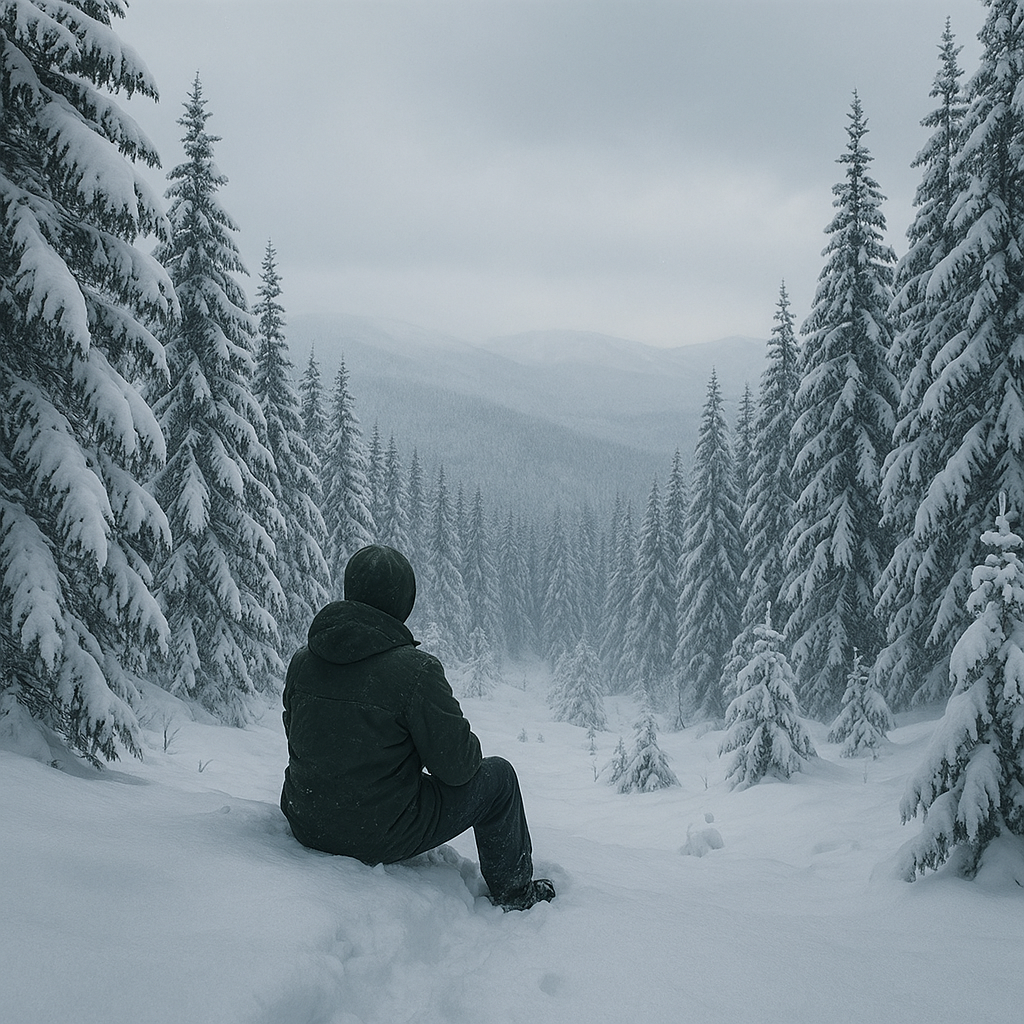
Embracing the frost-kissed air and the hush of snow-laden pines, winter sports offer an unparalleled blend of adrenaline and tranquil beauty. Whether carving fresh tracks down a mountainside or gliding in perfect harmony on ice, enthusiasts find both challenge and calm in the cold. The following chapters explore a spectrum of activities—from alpine thrills to mindful journeys—highlighting how each pursuit deepens our bond with winter’s pristine realms.
The Allure of Alpine Skiing and Snowboarding
Stepping into crisp morning light, skiers and snowboarders grip their equipment with anticipation. Mastering the art of downhill movement demands refined technique and unwavering focus. Carving through powder requires a keen sense of edge control and dynamic weight shifts. For many, the ultimate goal is to achieve that seamless flow where body and board or skis feel like extensions of one another.
- Choosing the right gear: Boots should fit snugly, bindings must be adjusted for your skill and weight, and boards or skis need the proper camber for fresh snow or groomed trails.
- Uphill preparation: Physical conditioning routines for leg strength, core stability, and cardiovascular endurance ensure longer, safer runs without fatigue.
- Skill progression: Start on gentle slopes before tackling steep chutes or terrain parks. Seek guidance from certified instructors to refine posture, turning, and speed control.
Beyond the physical, alpine sports foster camaraderie. Shared chairlift rides turn strangers into instant friends, exchanging tips on the best powder stashes or hidden backcountry gates. Whether flying through halfpipes or exploring tree runs, skiers and riders alike cherish that surge of freedom and the mountain’s raw power.
Discovering the Grace of Ice Skating and Nordic Disciplines
On frozen lakes and groomed tracks, graceful glides and rhythmic strides define the world of ice skating and Nordic sports. From figure skating’s elegant spins to cross-country skiing’s rhythmic poling, athletes cultivate precision and balance in their movements.
Figure Skating and Speed Skating
- Figure Skating: Combines artistry with athleticism. Jumping into triple axels or weaving intricate footwork requires meticulous training and unwavering concentration.
- Speed Skating: Pursuit of raw velocity on oval tracks. Athletes maintain a deep squat, powerful leg drives, and streamlined posture to maximize speed and efficiency.
Cross-Country Skiing and Biathlon
Nordic skiing invites participants into forested valleys and open meadows, where each glide fuels a sense of freedom. In biathlon, the pulse quickens as competitors alternate between heart-pounding sprints and the calm focus needed to sink precision shots.
- Classic vs. Skate Technique: Classic strides rely on traditional tracks, while skate skiing mimics ice skating motions on groomed trails.
- Resilience and mindfulness: The contrast between exertion and stillness, especially during rifle shooting in biathlon, hones mental clarity under duress.
Embracing the Wilderness: Snowshoeing and Winter Hiking
For those seeking solitude and immersion, snowshoeing and winter hiking unlock silent forests and untouched clearings. With every footprint in the powder, adventurers forge their own trail, guided only by compass or GPS.
- Snowshoe Basics: Wide, flat frames distribute weight across snow. Proper binding and sling adjustment prevent slippage and hotspots.
- Layering Strategies: Moisture-wicking base layers, insulating mid-layers, and waterproof outer shells maintain an optimal microclimate.
- Trail Etiquette: Leave no trace. Pack out all waste, minimize campsite impact, and respect wildlife corridors.
Nighttime expeditions reveal a different kind of wonder. Under starlit skies and the soft glow of headlamps, the forest becomes a hushed cathedral of ice-laden boughs. This intimate setting cultivates a profound sense of serenity and introspection.
Mindful Adventures: Yoga, Safety, and Environmental Stewardship
Even the most vigorous winter pursuits benefit from moments of pause. Integrating yoga and meditation into cold-weather routines improves flexibility and enhances breath control—crucial for high-altitude or endurance activities.
Yoga in the Snow
- Frozen Asanas: Simple poses like downward dog or warrior II practiced on insulated mats increase circulation and steady the mind.
- Breathwork: Pranayama techniques balance oxygen consumption, sharpening focus during long climbs or demanding descents.
Safety and Avalanche Awareness
Venturing into backcountry terrain demands vigilance. Avalanches, hidden crevasses, and sudden weather shifts underscore the importance of knowledge and preparation.
- Essential Tools: Carry a beacon, probe, and shovel. Know how to perform companion rescues swiftly.
- Snowpack Analysis: Understand layers of snow density. Regularly test stability with shovel shear tests or column studies.
- Route Planning: Consult avalanche bulletins. Opt for ridgelines over slopes steeper than 30 degrees when conditions are uncertain.
Guardians of the Frozen Frontier
Winter landscapes are fragile ecosystems. Skiers, hikers, and skaters become custodians when they tread lightly, avoid disturbing wildlife, and engage in clean-up initiatives. This collective effort fosters a lasting connectivity between outdoor enthusiasts and the environments they cherish.
The Art of Winter Photography and Storytelling
Capturing the essence of a snowbound world requires more than camera gear—it calls for an eye attuned to contrasts, textures, and fleeting moments of light. Photographers learn to manage exposure on bright expanses, use polarizing filters to reduce glare, and frame scenes that celebrate both grand vistas and delicate frost patterns.
- Choosing Equipment: Waterproof cases, sturdy tripods, and batteries with extra insulation ensure reliable performance in subzero temperatures.
- Compositional Techniques: Lead the viewer’s gaze along ski tracks or through a canopy of ice crystals. Harness low-angle sunlight for dramatic shadows.
- Sharing Narratives: Blogs, social media, and photo essays convey personal journeys, inspiring others to seek their own winter adventures responsibly.
Through the lens, every flake and ridge tells a story of perseverance, awe, and the silent dialogue between human spirit and frozen elements.
Nutrition and Recovery in Cold Climates
Sustained performance in winter sports hinges on fueling the body and restoring it afterward. Cold conditions increase caloric demands, so athletes prioritize nutrient-dense meals rich in complex carbohydrates, healthy fats, and lean proteins.
- Pre-Activity Fuel: Oatmeal with nuts and fruit delivers slow-release energy. Hot beverages elevate core temperature before departure.
- On-the-Go Snacks: Energy bars, jerky, and electrolyte mixes counteract heat loss and dehydration, even in freezing air.
- Post-Exercise Recovery: Warm soups, stews, and recovery shakes support muscle repair and replenish glycogen stores.
Incorporating foam rolling and dynamic stretching after sessions reduces soreness and fortifies resilience for the next outing.
Building Community and Fostering Lifelong Passion
Whether joining guided tours, local clubs, or online forums, winter sport enthusiasts find camaraderie that transcends generations. Mentorship programs introduce newcomers to the essentials of slope safety and equipment maintenance, while veteran explorers share tales that kindle inspiration.
- Volunteer Patrols: Participating in ski patrol or trail maintenance cultivates a sense of responsibility and enhances safety awareness.
- Workshops and Clinics: Skill clinics on avalanche rescue, advanced turns, or freestyle tricks sharpen proficiency and confidence.
- Environmental Advocacy: Collective action in reforestation and habitat protection ensures future winters remain pristine playgrounds.
Together, this community champions both personal growth and the stewardship of winter’s timeless beauty.