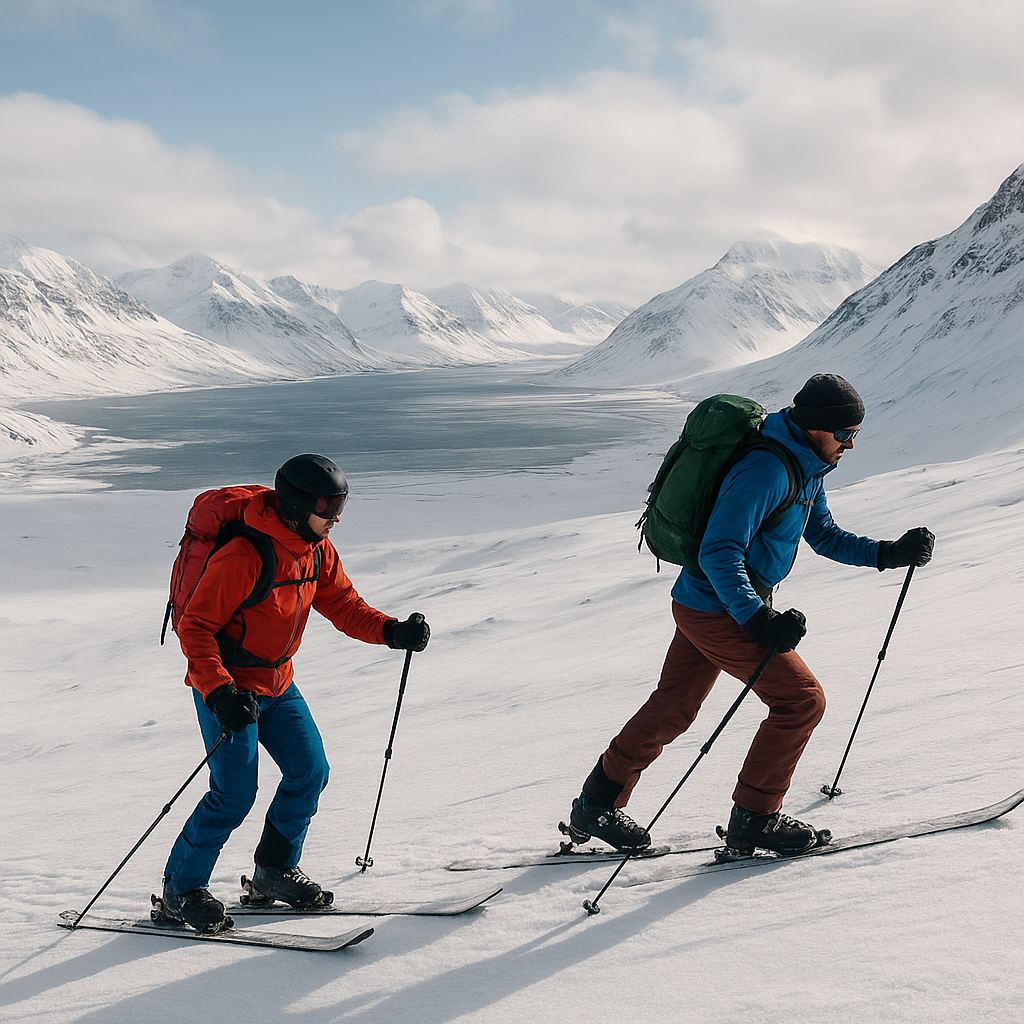
The remote archipelago of Svalbard offers intrepid travelers a taste of the extreme world at the top of the globe. In this article, we dive into the unique blend of breathtaking landscapes, glaciers, and carefully orchestrated winter sports that define an Arctic adventure. From snow-laden peaks to frozen fjords, discover how modern-day explorers balance thrills with environmental sustainability and safety in one of the planet’s harshest yet most captivating regions.
The Frozen Realm: Geography, Climate, and Preparation
Svalbard lies roughly halfway between northern Norway and the North Pole, a place where sunlight vanishes for months during the Arctic winter and resurfaces in a continuous glow come spring. The archipelago’s terrain is dominated by jagged mountains, expansive ice caps, and an intricate network of ice-choked fjords. Temperatures can plummet below –30°C (–22°F), and sudden storms whip across the landscape, reducing visibility to mere meters. Proper preparation is paramount.
Travelers embarking on winter sports expeditions here must consider:
- High-quality insulated clothing and layering systems to mitigate extreme cold
- Specialized equipment for glacier travel, such as crampons, ice axes, and roping gear
- Communication devices including satellite phones and personal locator beacons
- Permits and local guidance to navigate wildlife zones and protected areas
- Training in avalanche awareness and first-aid protocols tailored to cold injuries
These measures not only ensure that adventurers can push their physical limits but also help preserve the pristine environment. Local outfitters stress the importance of reducing carbon footprints by coordinating group transfers, using snowmobiles selectively, and adopting fuel-efficient practices.
High-Octane Pursuits: Skiing, Snowmobiling, and Ice Climbing
Once the groundwork is laid, the true thrill begins. Svalbard’s varied terrain provides a playground for a range of winter sports:
- Backcountry Skiing: Glide across fresh snowfields, carving tracks on glacier tongues that descend from towering ice caps. Suitable for experienced skiers comfortable with crevasse navigation.
- Snowmobile Safaris: Cover vast distances in a single day, weaving through polar desert landscapes to reach remote vistas and abandoned mining relics. Operators emphasize safety by providing avalanche transceivers and requiring training sessions before departure.
- Ice Climbing: Ascend frozen waterfalls and seracs under the guidance of expert mountaineers. Climbers tackle vertical ice walls up to 60 meters high, employing specialized ice screws and protective gear to secure their ascent.
- Dog Sledding: A timeless Arctic tradition, dog sled teams offer a quieter, more authentic pace. Mushers navigate across sea ice and tundra, relying on the instincts of huskies honed over generations.
- Snowkiting: Harness the power of the wind to ski or snowboard across frozen bays. This emerging sport combines aspects of kiteboarding and cross-country skiing, demanding agility and meteorological savvy.
Each activity demands respect for the environment and vigilance against potential hazards. Guides carry avalanche airbags, first-aid kits, and bear deterrents—ensuring that thrill-seekers remain safe even when nature’s forces grow unpredictable.
Encounters with Arctic Wildlife
Beyond the adrenaline, Svalbard offers intimate glimpses of its charismatic wildlife. Polar bears roam offshore pack ice in search of seals, while reindeer migrate across the tundra, and Arctic foxes scavenge wherever they can. Birdlife becomes concentrated around open water and coastal cliffs, where species like the ivory gull and Brünnich’s guillemot breed.
Key principles for wildlife engagement include:
- Maintaining a minimum distance of 100 meters from polar bears and other large mammals
- Using binoculars and long-lens cameras to observe animals without intrusion
- Storing food securely to prevent attracting wildlife to campsites
- Following strict waste disposal protocols to protect fragile tundra ecosystems
These guidelines help preserve the natural behavior of animals and minimize human impact. Ethical encounters also deepen our understanding of Arctic resilience, highlighting adaptations that enable survival when sunlight is scarce and temperatures hover below freezing.
Environmental Stewardship and Cultural Insights
The concept of responsible tourism is woven into every facet of an Arctic expedition. Operators collaborate with scientists studying climate change, glacial retreat, and biodiversity shifts. Guests are encouraged to participate in data collection—measuring snow depth, recording wildlife sightings, or even sampling ice cores.
Additionally, Svalbard’s human history adds cultural depth. Once dominated by coal mining, Longyearbyen now thrives on research, tourism, and environmental advocacy. Visitors can explore museums dedicated to early Arctic explorers, polar research stations, and traditional trapping stations that offer glimpses into past subsistence lifestyles.
Respecting local communities means:
- Supporting eco-certified operators and lodges that reduce waste and use renewable energy
- Engaging with indigenous knowledge and oral histories shared by guide-led storytelling sessions
- Observing local regulations on wildlife protection, photography restrictions, and area closures during sensitive periods
- Participating in workshops on Arctic survival skills, navigation under the polar night, and sustainable practices
Through these experiences, travelers gain more than just a rush of adrenaline: they cultivate a lasting connection to the fragile Arctic world, reinforcing the need for global climate action and respectful exploration in this extraordinary corner of the planet.