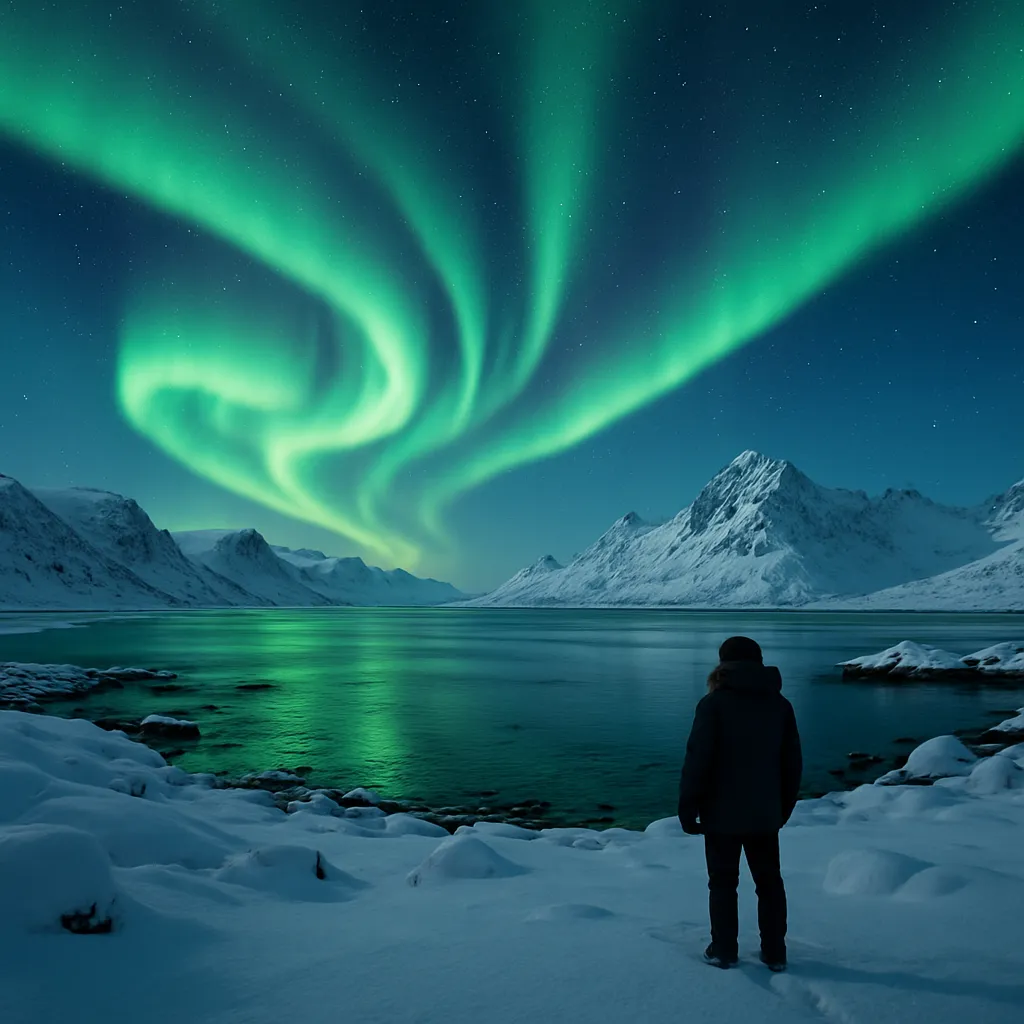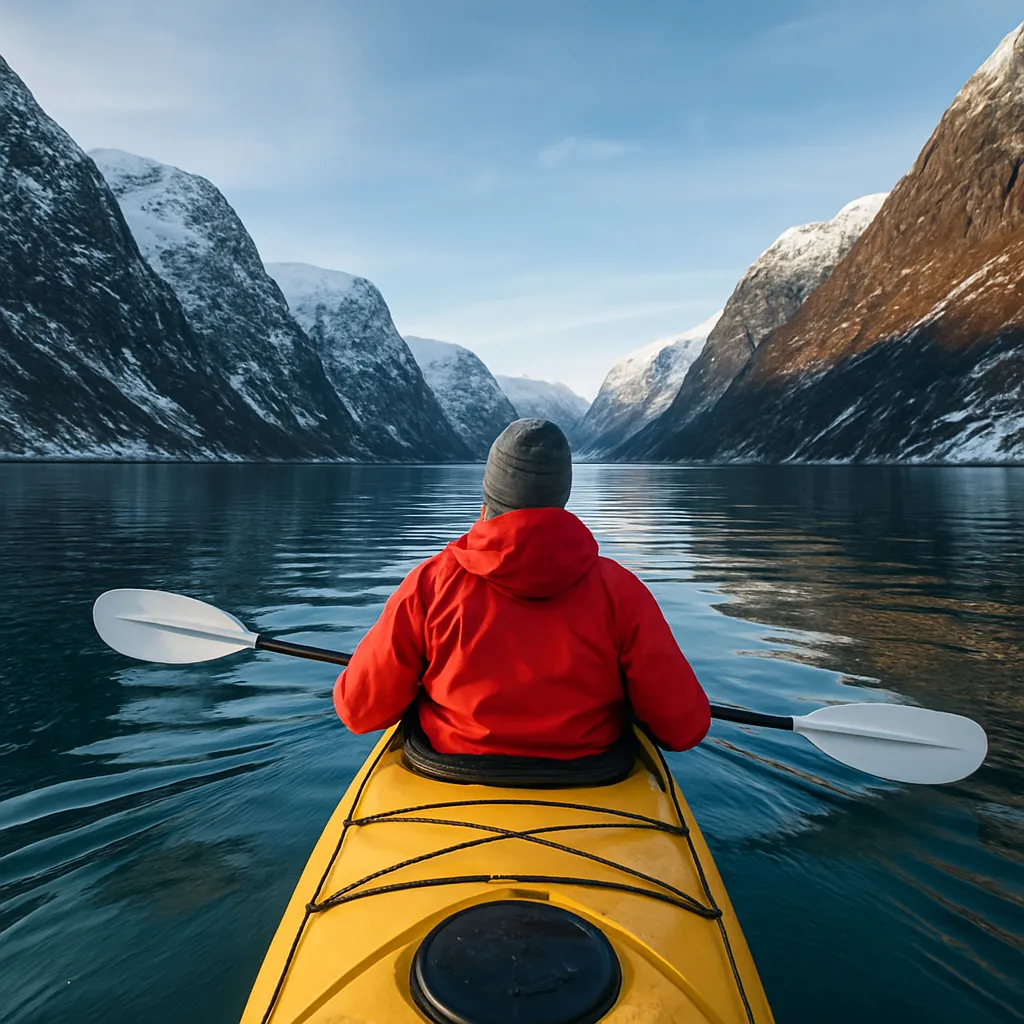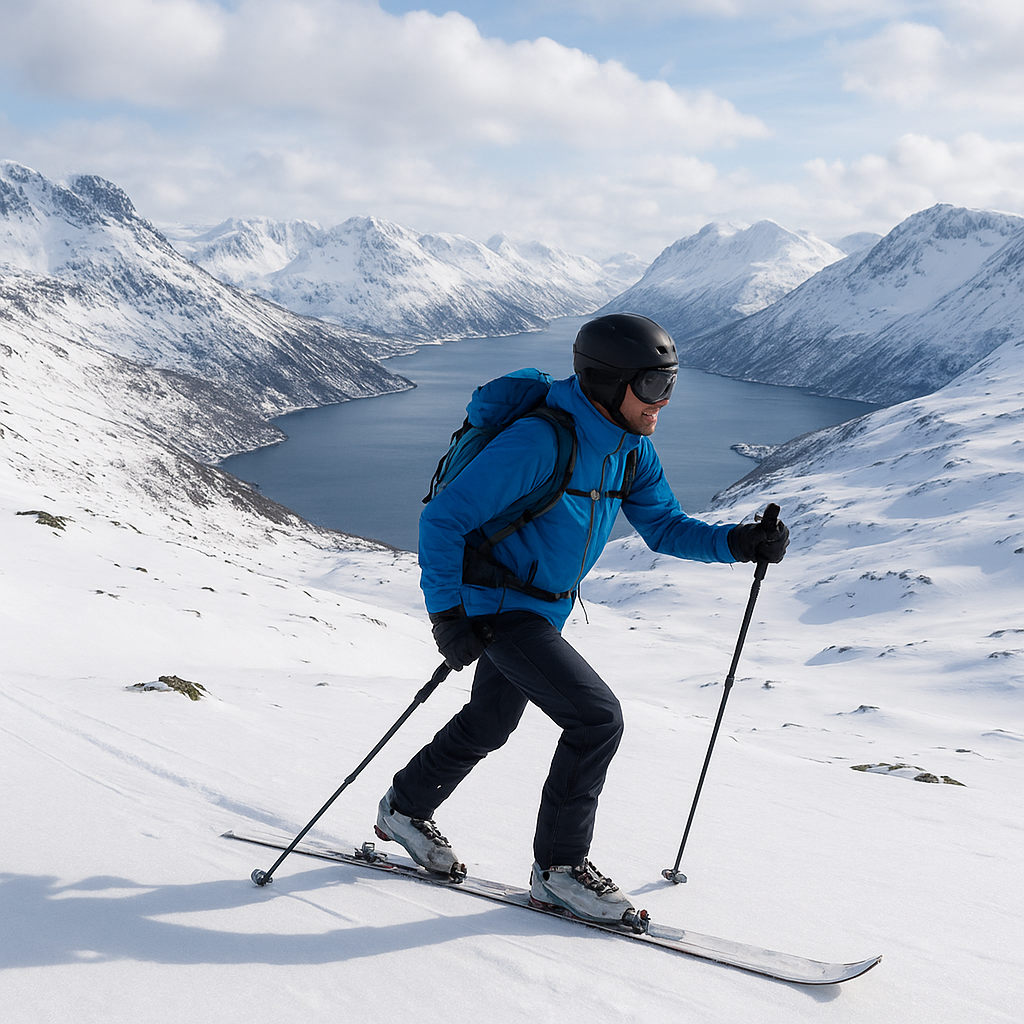
Winter destinations beckon adventurers with a promise of powdered slopes and crystal-clear air. Enthusiasts around the globe pursue adrenaline-packed activities, each offering unique challenges and rewards. From carving fresh tracks on groomed trails to summiting remote peaks beneath the northern lights, winter recreation is as diverse as the landscapes that host it. This article explores key disciplines, essential preparations, and the cultural tapestry that makes cold-weather sports a year-round obsession for many.
Exploring Diverse Winter Sports
Across mountainous regions and frozen lakes, there exists a remarkable variety of winter sports designed to satisfy both thrill-seekers and nature lovers. Alpine skiing remains a perennial favorite, combining speed and technical skill. Its more daring cousin, ski mountaineering, demands proficiency in uphill travel, route-finding, and managing exposure in high mountains. Snowboarding, with its freestyle parks and steep chutes, attracts riders seeking gravity-fueled creativity. Meanwhile, emerging pursuits such as splitboarding and ice climbing continue to expand the roster of options.
Cross-country skiing offers a low-impact alternative, turning forests and open fields into networks of glowing trails at dawn. Biathlon, the fusion of skiing and marksmanship, tests both cardiovascular fitness and mental focus. Even traditional games like ice hockey and curling thrive in colder climates, drawing local communities together around frozen rinks. Regardless of discipline, athletes often share a deep respect for winter’s unpredictable nature.
The Allure of Ski Mountaineering in Norway
Norway’s jagged coastline and inland fjords create a playground for one of the most technical forms of outdoor exploration: the French-inspired randonée. Combining uphill skinning with exhilarating downhill descents, this pursuit requires mastery of both endurance and mountain craft. Renowned venues such as Lyngen Alps or the Sunnmøre range showcase remote faces accessible only by ski, where long approaches reward visitors with untouched slopes and sweeping panoramas.
Top Routes and Seasonal Tips
- Lyngen Alps Traverse: A multi-day itinerary featuring glaciers and ridge crossings.
- Sunnmøre Classic: A single-day outing with 1,200 meters of ascent and powder-laden chutes.
- Jotunheimen Starter: Gentle ski touring circuits in Norway’s “Home of the Giants.”
Optimal conditions typically arise between February and April, when stable skies and extended daylight reduce avalanche risk. Local guiding services provide essential insights into snowpack variations, weather windows, and cultural etiquette, ensuring a responsible frontier experience.
Essential Gear and Safety Measures
Whether carving groomed pistes or traversing remote valleys, proper equipment and risk management are nonnegotiable. For ski mountaineers, bindings with a switchable touring mode, lightweight skins, and alpine crampons form the backbone of any kit. Avalanche transceivers, probes, and shovels are lifesaving tools that demand regular practice in real-world scenarios.
Core Safety Checklist
- Avalanche beacon, probe, shovel
- Helmet rated for mixed climbing and ski impacts
- Beacon battery backup and spare batteries
- Map, compass, and GPS device
- First-aid supplies and bivouac essentials
- Communication gear: satellite messenger or two-way radio
Pre-tour briefings should cover recent snowpit tests, slope-angle assessments, and emergency procedures. Cold-weather physiology underscores the importance of layering systems that balance moisture-wicking base layers with insulated mid-layers and waterproof outer shells. Dehydration can be an insidious threat at high altitudes; even in subzero temperatures, athletes must monitor fluid intake proactively.
Training and Physical Preparation
Winter sports demand a unique blend of strength, stamina, and agility. Off-season training focuses on cardiovascular conditioning through activities like trail running, cycling, and rowing. Core stability and leg power are cultivated via weightlifting, plyometrics, and dynamic balance drills. Incorporating ski-specific exercises—such as lateral lunges, squat jumps, and uphill roller-ski intervals—bridges the gap between the gym and the slopes.
Nutrition strategies aim to optimize energy availability during extended efforts. Carbohydrate-loading protocols, combined with protein-rich recovery meals, mitigate muscle breakdown. Practicing altitude acclimatization, even in simulated environments, can confer tangible benefits for athletes targeting high-range objectives. Equally critical is mental resilience: visualization techniques, goal-setting frameworks, and mindfulness practices reinforce the confidence needed to tackle steep couloirs and melting snow bridges.
Environmental Considerations and Sustainable Practices
When enjoying pristine ecosystems, every participant bears responsibility for conservation. Embracing sustainability involves minimizing waste, respecting wildlife corridors, and selecting tour operators committed to eco-friendly policies. Biodegradable packaging, refillable water systems, and renewable-energy-powered lodges represent practical steps toward reduced carbon footprints.
Leave No Trace Principles in Winter
- Plan ahead to avoid high-traffic zones during sensitive periods.
- Pack out all waste, including microplastics from clothing and equipment.
- Avoid disturbing wintering animals or nesting birds.
- Use established trails and shelters to limit vegetation damage.
- Support local conservation initiatives and avalanche mitigation programs.
As climate change accelerates glacial retreat and alters snowfall patterns, the responsibility to act as stewards becomes ever more urgent. Community-driven monitoring networks collect valuable data on snowpack trends, enabling adaptive management strategies across alpine environments.
Community and Cultural Aspects
Winter sports often serve as cultural cornerstones in mountain communities. Annual festivals celebrate traditional ski jumps and parades of torchlit descents. Artisans produce handcrafted ski poles, wooden snowboards, and locally woven textiles that blend functionality with heritage. Meanwhile, storytelling traditions recount heroic rescues and legendary first descents, fostering an intergenerational bond among outdoor enthusiasts.
Modern social media platforms create global forums where participants share beta on secret lines, discuss innovative gear prototypes, and plan meetups. Ski clubs and avalanche safety courses cultivate camaraderie, ensuring that newcomers receive mentorship from seasoned veterans. The shared passion for snow-covered peaks and frozen lakes cements lifelong friendships and spawns collaborative conservation efforts.