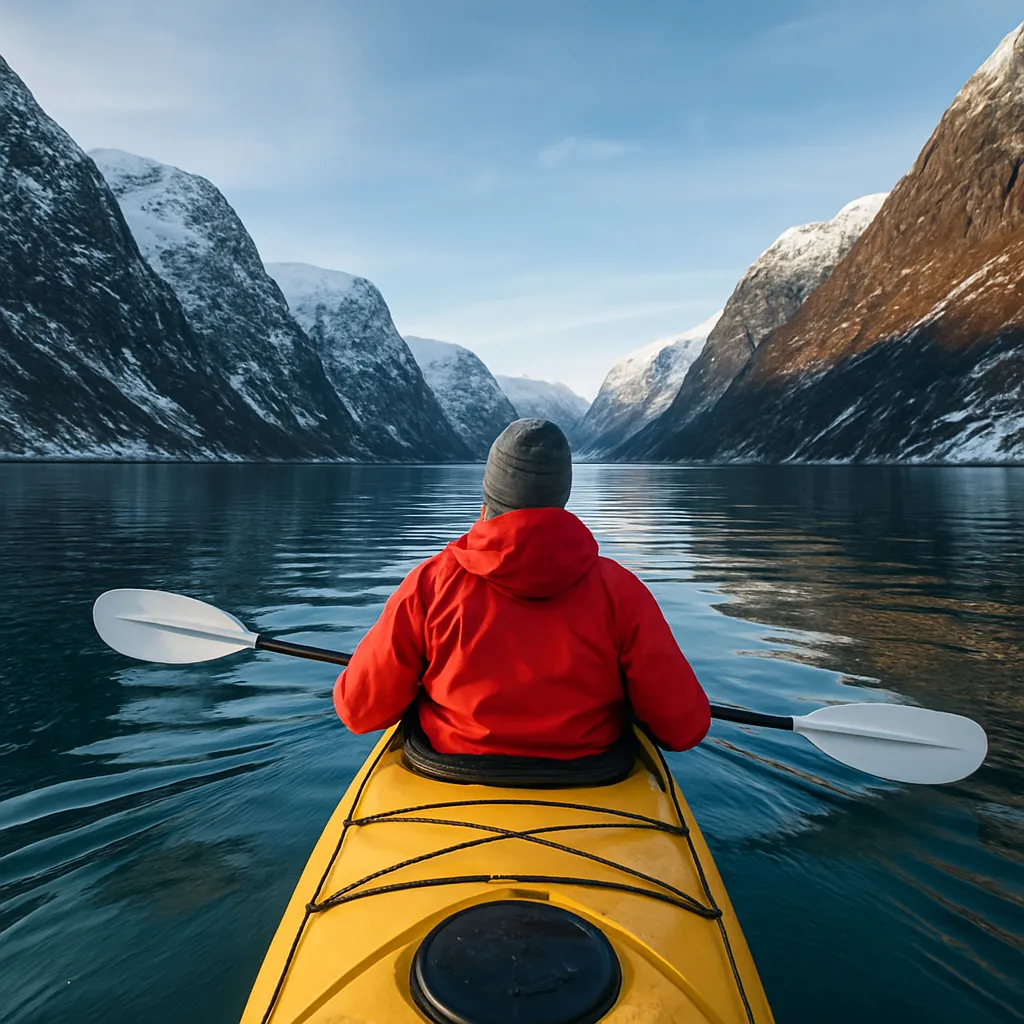
Winter brings a unique opportunity to embrace the beauty of snow and ice through a variety of exhilarating activities. Whether carving fresh tracks on a mountainside or gliding silently across a frozen landscape, winter sports challenge both body and mind. This article explores key disciplines, essential gear, and the cultural dimension of cold-weather pursuits, all while highlighting the importance of environmental stewardship and personal growth.
Alpine Adventures: Skiing and Snowboarding
Hitting the slopes combines speed, balance, and precision. Downhill skiing and snowboarding attract thrill-seekers eager to experience the rush of wind against their faces. To excel, athletes must develop proper technique and understand mountain dynamics. Beginners often start on gentle bunny hills, gradually progressing to steeper runs.
Essential Equipment
- Skis or snowboard: Choose length and flex according to ability and terrain.
- Bindings: Secure attachment prevents unwanted releases and ensures control.
- Boots: Proper fit promotes both comfort and power transfer.
- Helmet and goggles: Protect head from impacts and eyes from glare.
- Layered apparel: Moisture-wicking base, insulating mid-layer, waterproof outer shell.
Mastering the Slopes
Pursuing improved performance begins with mastering fundamental movements—edge control, weight distribution, and body posture. Regular drills on short turns help refine balance, while video analysis can reveal subtle adjustments. Joining a certified instructor’s class accelerates progress, and practice on varied terrain enhances adaptability. Safety also plays a crucial role: always check slope conditions and obey posted signs.
Experiencing the Adrenaline
Nothing rivals the adrenaline surge when launching off a jump or racing down a black-diamond trail. For advanced riders, terrain parks offer rails, boxes, and halfpipes. Freestyle techniques challenge athletes to combine aerial tricks with style. Conversely, speed enthusiasts may opt for slalom or giant slalom events, testing precision timing and agility against the clock.
Nordic Pursuits: Cross-Country Skiing and Biathlon
In contrast to downhill disciplines, Nordic sports emphasize endurance and a quiet communion with nature. Gliding across groomed tracks or untracked powder demands efficient technique, steady pacing, and cardiovascular stamina. Whether trekking through forests or competing in a local race, cross-country skiing delivers a full-body workout and mental clarity.
Classic vs. Skate Styles
- Classic: Alternating diagonal stride in parallel tracks, mimicking walking or running.
- Skate: V-shaped push-off outside set tracks, similar to ice skating mechanics.
Choosing between styles depends on personal preference and trail availability. Skate skiing yields higher speeds but requires wider trails, while classic remains accessible and beginner-friendly. Proper waxing or selecting no-wax bases optimizes ski glide across temperature ranges.
Biathlon: The Art of Precision
Biathlon merges cross-country skiing with rifle shooting, balancing high-intensity exertion and calm focus. Competitors ski loops and pause at shooting stations, alternating between prone and standing positions. Every missed target incurs penalty loops or time additions, placing a premium on both endurance and mental composure. Training routines combine interval workouts with marksmanship drills.
Extreme Sports and Cultural Context
Beyond mainstream activities, a host of extreme winter pursuits beckon adrenaline junkies. Ice climbing, snow kiting, and snowmobiling each offer unique thrills and technical challenges. Engaging in these sports also involves joining vibrant communities where shared passion fosters camaraderie.
Ice Climbing and Mountaineering
Scaling frozen waterfalls or glaciated faces requires specialized equipment—ice axes, crampons, and dynamic ropes. Proper training in rope handling, anchor placement, and self-arrest techniques is essential. Participants develop resilience by overcoming exposure to subzero temperatures and navigating unpredictable ice formations. Guided expeditions often provide both safety and local knowledge of weather patterns.
Snowmobiling and Backcountry Travel
Snowmobiles grant access to remote landscapes, yet venturing off-trail introduces significant hazards. Riders must be versed in avalanche safety, carrying transceivers, probes, and shovels. Connecting with experienced guides or taking certified avalanche courses ensures preparation. Respecting wilderness regulations and designing trip plans with exit strategies protects both individuals and ecosystems.
Sustainability and Community
Winter sports depend on healthy mountain ecosystems. Climate change and overdevelopment threaten snow reliability and wildlife habitats. Embracing sustainable practices—like carpooling, minimizing resort footprints, and supporting eco-friendly manufacturers—protects winter environments. Many athletes also engage in trail maintenance or citizen science, reinforcing a sense of community responsibility. Ultimately, a deep respect for nature enhances every outdoor experience.
Whether seeking high-octane action or meditative glides through snowy forests, winter sports offer endless avenues for personal growth and connection. By focusing on proper technique, reliable gear, and environmental stewardship, enthusiasts can enjoy seasons of exhilarating adventure and forge lasting bonds with fellow snow lovers.