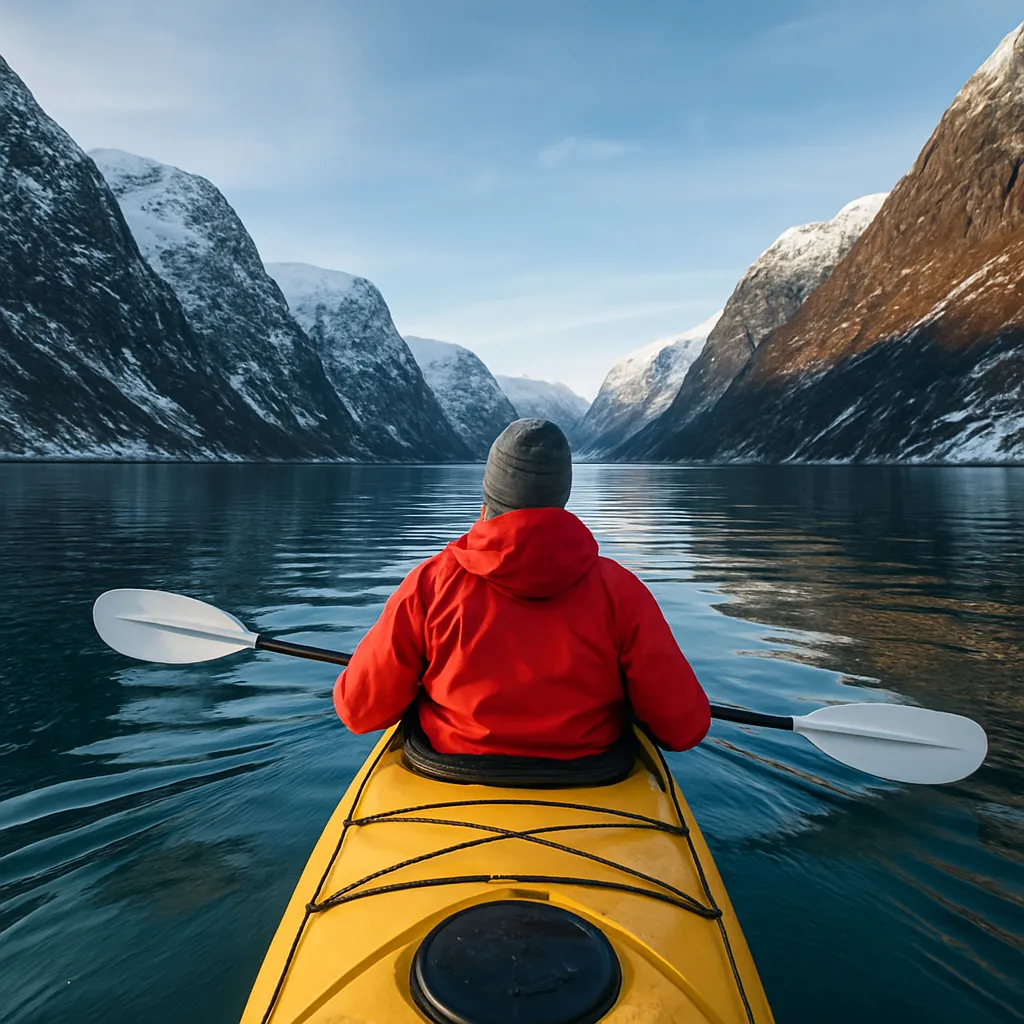
Winter sports offer an exhilarating fusion of physical challenge and natural beauty, inviting athletes of all levels to embrace the cold and explore untouched terrain. From the thrilling rush of a downhill run to the serene rhythm of cross-country gliding, each discipline demands unique technique and unwavering endurance. Enthusiasts often find a profound sense of freedom amid snow-covered peaks, where every trail and slope becomes a canvas for personal achievement. As the world’s winter destinations strive for greater sustainability, these activities are evolving with innovative gear and eco-friendly practices that ensure the long-term health of our frosty playgrounds. This article delves into the most popular winter sports, their essential gear, key training techniques, and the promising future of cold-weather adventures.
Alpine Skiing: Mastering the Slopes
Alpine skiing, often regarded as the queen of downhill winter sports, combines speed, precision, and raw adrenaline. Skiers carve turns on groomed pistes or venture off-piste into untracked powder, seeking that perfect, buoyant sensation. Mastery of this discipline hinges on balance, edge control, and body positioning. Beginners typically start on gentle slopes with wide skis for greater stability, while experts favor narrower, stiffer models built for responsiveness at high velocity.
Essential gear for alpine skiing includes:
- Skis (all-mountain, race, or powder-specific)
- Adjustable bindings matched to skill level
- Boots offering a snug, supportive fit
- Helmet and protective eyewear
- Layered clothing for moisture management
Training regimes often focus on leg strength, core stability, and dynamic balance. Many athletes incorporate plyometric exercises and agility drills to improve quick directional changes. Off-season workouts might include rollerblading and squat variations to maintain lower-body power. On-slope, skiers practice carved turns, mogul runs, and steep pitches to fine-tune their resilience against challenging terrain and variable snow conditions.
Cross-Country Skiing: The Art of Endurance
Cross-country skiing stands out for its low-impact, full-body workout, demanding sustained energy over varied landscapes. Participants either follow set tracks (classic style) or skate along groomed trails (skate style). The rhythmic gliding motion engages the arms, shoulders, and core, offering an exceptional cardiovascular challenge. Athletes often experience a state of meditative flow as they traverse frozen forests and open fields.
Key components of cross-country skiing include:
- Lightweight skis with grip zones or fish-scale bases
- Adjustable poles for efficient propulsion
- Breathable, form-fitting apparel
- Gloves and headgear to prevent heat loss
- Hydration systems for long-distance outings
Training focuses heavily on aerobic capacity, interval sessions, and strength conditioning. Skiers frequently incorporate roller-ski workouts during warmer months to replicate on-snow technique. Many also use rowing machines to build the upper-body endurance necessary for powerful poling. Nutrition plans emphasize carbohydrates for sustained energy release, along with balanced proteins and healthy fats to aid recovery after grueling long-distance events.
Snowboarding: Creativity on the Snow
Snowboarding blends athletic prowess with artistic expression, giving riders the ability to define their own style. From carving groomers to hitting terrain parks, snowboarders seek both speed and trick innovation. The sport’s culture celebrates individuality, encouraging participants to push boundaries and develop signature moves. Whether tackling halfpipes, rails, or big air jumps, snowboarders rely on exploration and a fearless attitude.
Essential equipment for snowboarders:
- All-mountain, freestyle, or splitboards
- Bindings tuned for responsiveness
- Comfortable, supportive boots
- Impact-resistant helmet and wrist guards
- Waterproof, insulated outerwear
Riders often practice basic maneuvers—such as heelside and toeside turns—on gentle slopes before progressing to more challenging terrain. Park riders dedicate countless hours to learning jumps, spins, and grabs, using video analysis to refine their technique. Core workouts, balance boards, and skateboarding drills translate seamlessly into improved stability on a snowboard. A strong mental focus is also crucial: every trick requires precise timing, spatial awareness, and the willingness to embrace controlled risks.
Ice-Based Adventures: Skating and Climbing
Beyond skiing and snowboarding, icy landscapes offer unique pursuits. Figure skating and speed skating showcase balance and agility on frozen rinks, while ice climbing tests one’s strength against frozen waterfalls and vertical ice walls. Each activity provides a distinct kind of thrill and demands specialized gear and safety measures.
Popular ice-based sports include:
- Figure Skating: Emphasizes grace, technical jumps, and spins
- Speed Skating: Involves long-track and short-track events focusing on velocity
- Ice Climbing: Requires crampons, ice axes, and rope systems for vertical ascents
Figure skaters engage in daily on-ice sessions to perfect jumps like the Axel and Lutz, alongside off-ice ballet and plyometrics for enhanced flexibility. Speed skaters perform resistance training to maximize leg power and conduct time trials on oval tracks. Ice climbers follow rigorous strength programs targeting the upper body and grip endurance, coupled with technical instruction in anchor placement and fall arrest systems. All participants must adhere to strict safety protocols, including helmet use and partner checks, to mitigate hazards posed by slippery surfaces and falling ice.
The Future of Winter Sports: Sustainability and Innovation
As winter destinations face the reality of climate change, the industry is investing in greener technologies and responsible practices. Artificial snowmaking systems are evolving to use less water and energy, while eco-friendly resorts implement solar panels, geothermal heating, and waste reduction programs. Athletes and organizations advocate for trail stewardship, tree-planting initiatives, and partnerships with conservation groups to preserve mountain ecosystems.
Innovations on the horizon include:
- Biodegradable waxes and lubricants for skis and snowboards
- Smart garments with integrated temperature control
- Electric snowmobiles and grooming machines
- Virtual-reality training platforms for off-season skill development
- Real-time avalanche-warning networks using drone surveillance
These advances not only reduce environmental impact but also enhance safety and performance. Athletes can now access detailed snowpack data to plan routes with minimal risk, while wearable sensors track biometric metrics, offering personalized training feedback. The synergy between technology and tradition promises a more accessible, efficient, and eco-conscious future for winter sports enthusiasts worldwide.