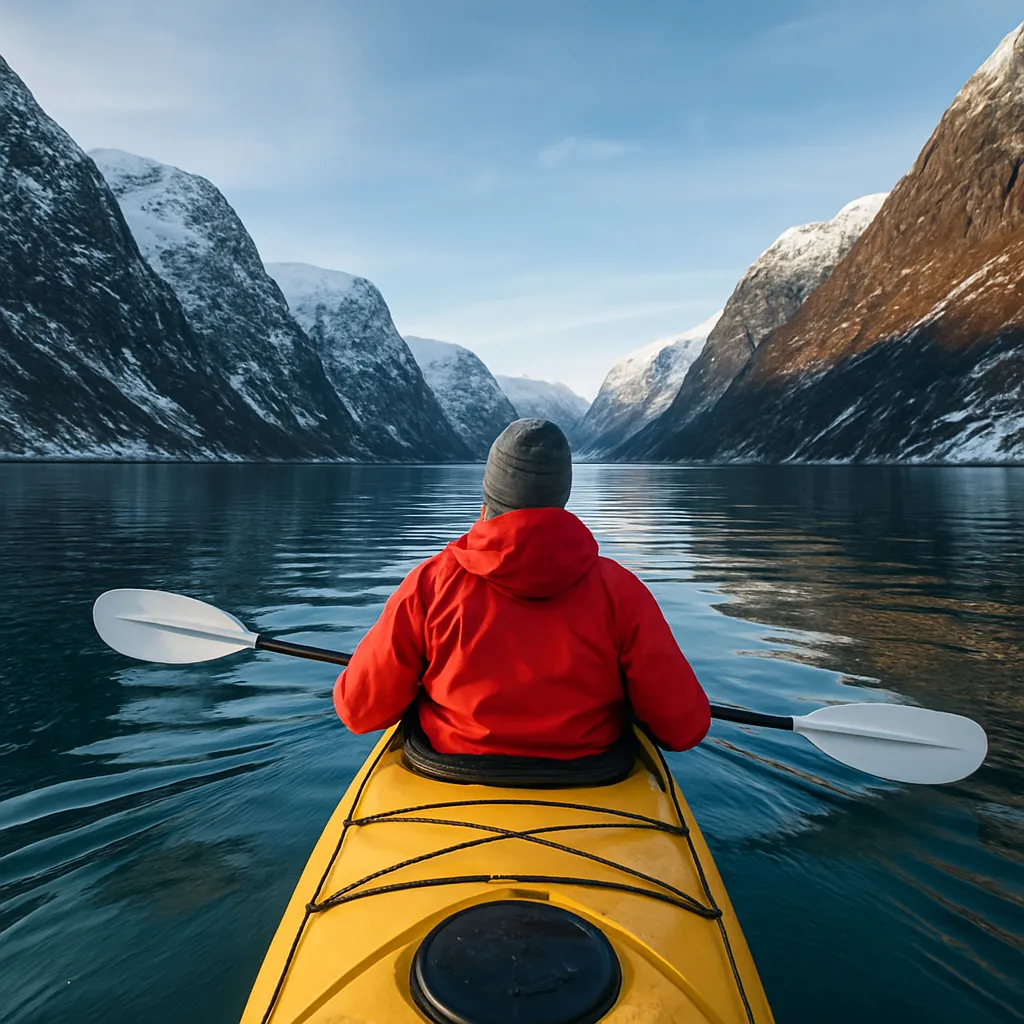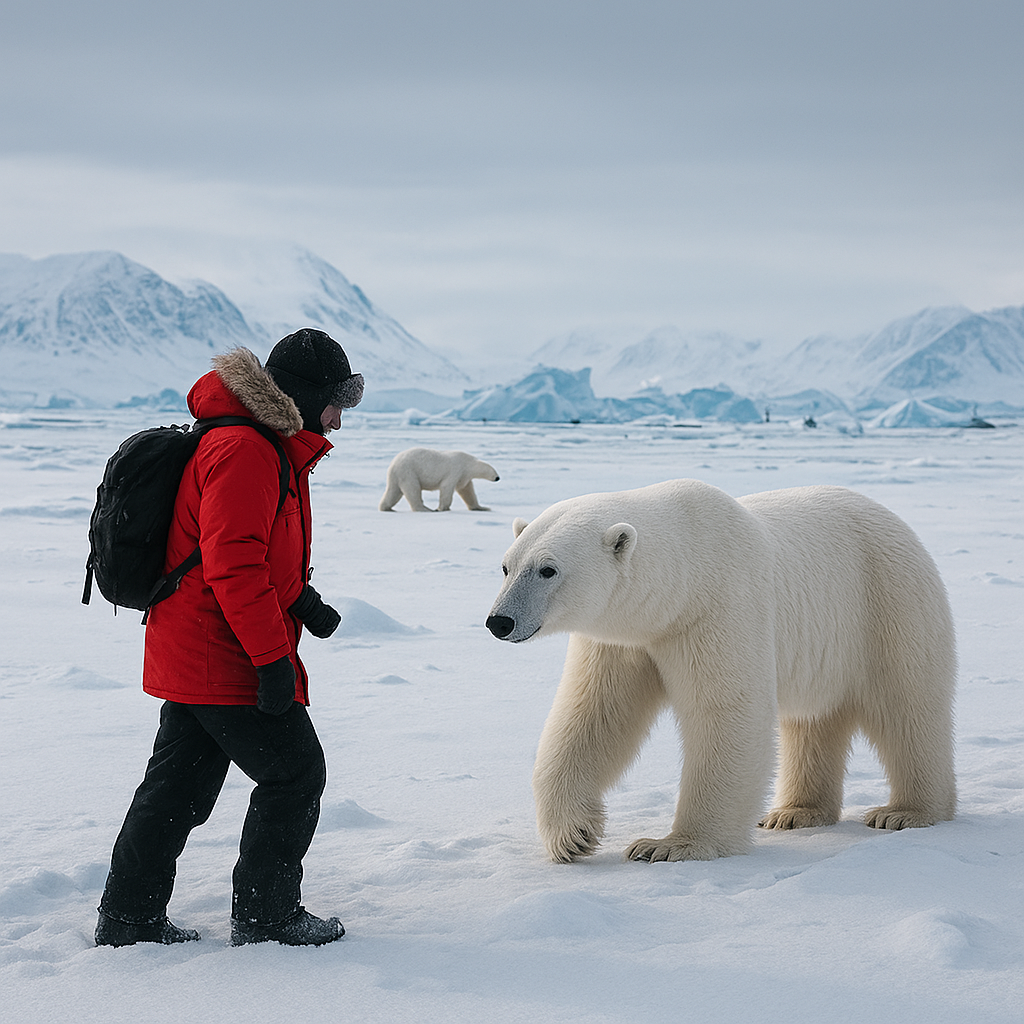
The exhilarating world of winter sports brings together athletes, adventurers, and nature lovers in a breathtaking playground of ice and snow. From the silent glide of speed skating to the thunderous roar of a bobsled hurtling down an icy track, winter sports demand a mix of skill, courage, and passion. This exploration dives into the most beloved activities, the essential gear that keeps participants safe, training methods that build strength and agility, and the cultural landscapes that celebrate these seasonal pursuits.
Winter Sports and Enthusiast Community
Thrills on Snow
Across frosty slopes and frozen lakes, a variety of activities captivate winter sports fans. Downhill skiing challenges riders with steep gradients and sharp turns, while snowboarding offers a board-bound perspective on carving through fresh powder. Cross-country Nordic skiing demands exceptional endurance, as athletes cover expansive trails and rolling terrain. Meanwhile, freestyle events like slopestyle and halfpipe combine aerial acrobatics with technical precision, rewarding competitors who master both trick execution and smooth landings.
Icebound Pursuits
The elegance of ice skating transforms frozen ponds into natural arenas for speed and grace. Figure skaters weave intricate patterns on the ice, their spins and jumps showcasing artistry and athleticism. Speed skaters, on the other hand, push the limits of velocity in races that require razor-sharp edges and unwavering focus. For teams seeking high-velocity teamwork, bobsledding and luge propel riders down twisting tracks at breakneck speeds, relying on split-second reactions and unshakeable trust among teammates.
- Figure Skating: Combines choreography, spins, and jumps into competitive programs.
- Short-Track Speed Skating: Features tight oval tracks and close-contact racing.
- Ice Hockey: Fast-paced team sport demanding coordination, strategy, and physical contact.
- Curling: Precision sport where players slide stones toward a target area on the ice.
Equipment, Gear, and Safety Measures
Protective Essentials
Each winter sport requires specialized gear to ensure performance and safety. Helmets, padded suits, and face shields guard against impacts during high-speed runs or collisions. Skiers and snowboarders rely on boots with custom-molded liners to secure ankles, while skates feature steel blades honed to perfection for stability on ice. Bobsledders use aerodynamic helmets and custom-fitted spiked shoes to maintain grip during the start push.
Technical Components
Equipment maintenance and tuning play a critical role in achieving peak performance. Waxing skis or boards enhances glide on snow, while sharpening skate blades improves edge control on rinks. Bobsled runners must be polished to reduce friction, and curling stones require periodic bottom finishing for consistent sliding. Proper adjustment of bindings, pole length, and blade angles can make the difference between victory and a missed opportunity.
- Ski Wax: Optimized formulations for temperature and snow conditions.
- Binding Adjustments: Correct release settings reduce injury risk.
- Protective Padding: Impact-resistant materials in suits and guards.
- Safety Protocols: Emergency response plans and trail signage for remote areas.
Training, Techniques, and Physical Benefits
Building Core Strength
Winter sports demand robust muscles, agile joints, and steady balance. Strength training targets the quadriceps, hamstrings, and glutes for powerful turns in skiing and explosive starts in bobsledding. Core exercises such as planks and Pilates improve stability, enabling athletes to maintain proper posture during jumps and high-speed descents. Plyometric drills enhance neuromuscular coordination, allowing skaters to execute precise maneuvers on the ice.
Cardiovascular Endurance
Endurance development is crucial for sports like Nordic skiing, where races span distances from 5 to 50 kilometers. Interval training sessions simulate race conditions, alternating between high-intensity efforts and recovery periods. Cross-training activities, including trail running and cycling, help maintain cardiovascular fitness during off-season months. Flexibility routines, yoga, and dynamic stretching reduce injury risk and promote a full range of motion.
- Interval Workouts: Short bursts of maximum effort followed by active rest.
- Strength Circuits: Combined resistance exercises for total-body conditioning.
- Balance Drills: Use of wobble boards and stability balls to enhance proprioception.
- Recovery Strategies: Foam rolling, massage, and adequate sleep for muscle repair.
Popular Destinations and Cultural Events
Iconic Winter Resorts
From the Swiss Alps to the Rocky Mountains, world-renowned resorts cater to enthusiasts of all disciplines. Whistler Blackcomb in Canada boasts over 8,000 acres of skiable terrain, while St. Moritz in Switzerland offers a rich history of alpine racing and luxury amenities. In Japan, Niseko’s consistent powder attracts international riders seeking deep, fluffy snow. Each destination cultivates a unique atmosphere, combining mountain culture with local cuisine and hospitality.
Festivals and Competitions
Major events draw spectators and athletes from around the globe. The Winter Olympics showcase elite competition in sports such as ski jumping, biathlon, and skeleton. World Cup circuits in alpine skiing and snowboarding pit the best against one another across multiple venues. National championships and amateur gatherings celebrate community spirit, inviting newcomers to try activities like ice climbing or backcountry touring under expert guidance.
- Winter Olympic Games: Quadrennial display of the world’s top athletes.
- X Games: Showcases extreme freestyle skiing and snowboarding.
- Ice Climbing Festivals: Competitions on natural and artificial ice walls.
- Polar Marathons: Endurance races through Arctic or Antarctic environments.
Environmental Stewardship and Future Trends
Sustainable Practices
As climate change reshapes winter landscapes, sports organizations emphasize eco-friendly initiatives. Resorts invest in efficient snowmaking systems and renewable energy, while athletes advocate for carbon-neutral travel. Trail grooming balances recreation with habitat preservation, and plastic waste reduction programs aim to protect delicate mountain ecosystems. Educational campaigns encourage participants to respect wildlife and leave no trace during backcountry excursions.
Technological Innovation
Advances in materials science lead to lighter, stronger equipment. Carbon fiber frames in sleds, graphene-infused ski bases, and smart fabrics in jackets enhance performance and comfort. GPS-enabled devices help navigation in remote areas, while wearable sensors monitor vital signs and technique. Virtual reality training platforms simulate race courses, offering athletes the opportunity to refine their skills year-round, regardless of weather.
- Eco-Friendly Snowmaking: Reducing water and energy consumption.
- Biodegradable Wax: Minimizing chemical runoff into waterways.
- Wearable Tech: Real-time feedback on speed, posture, and heart rate.
- AI Coaching: Data-driven insights for personalized training plans.