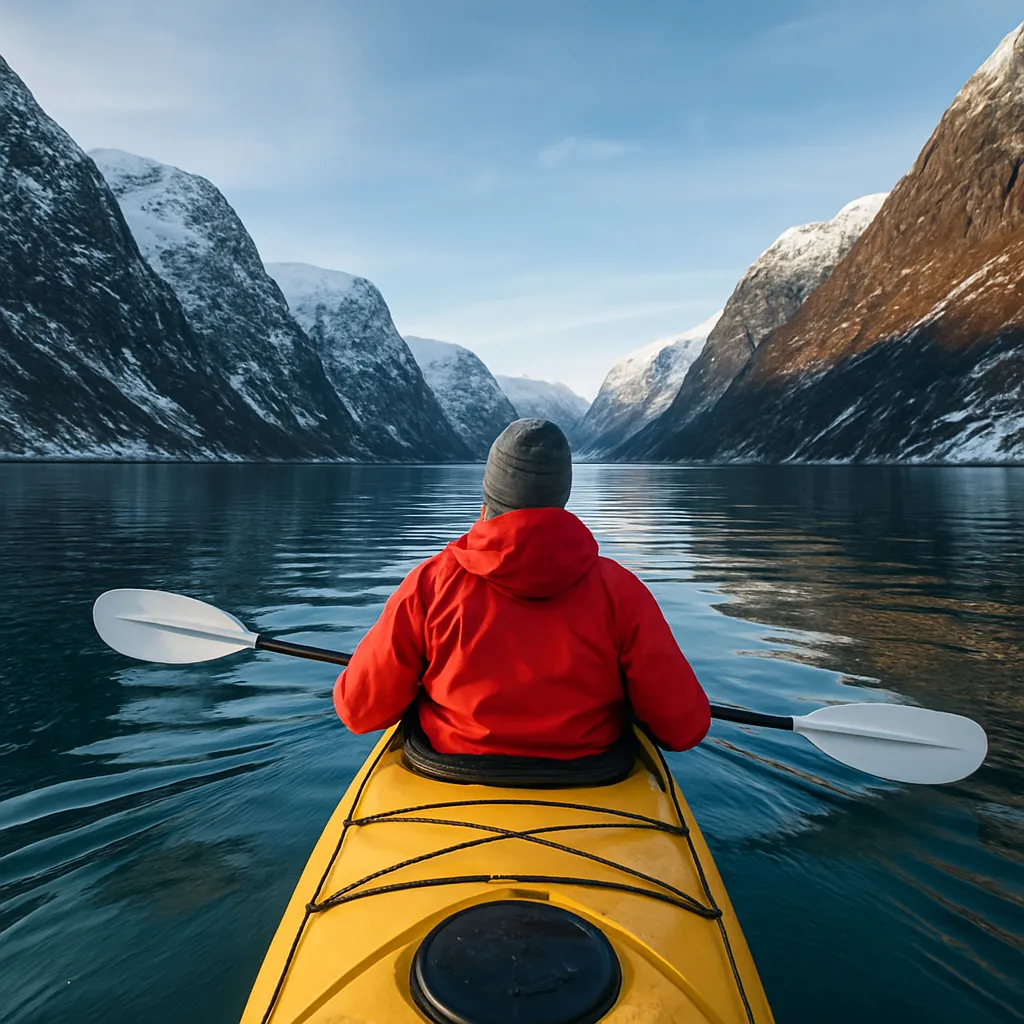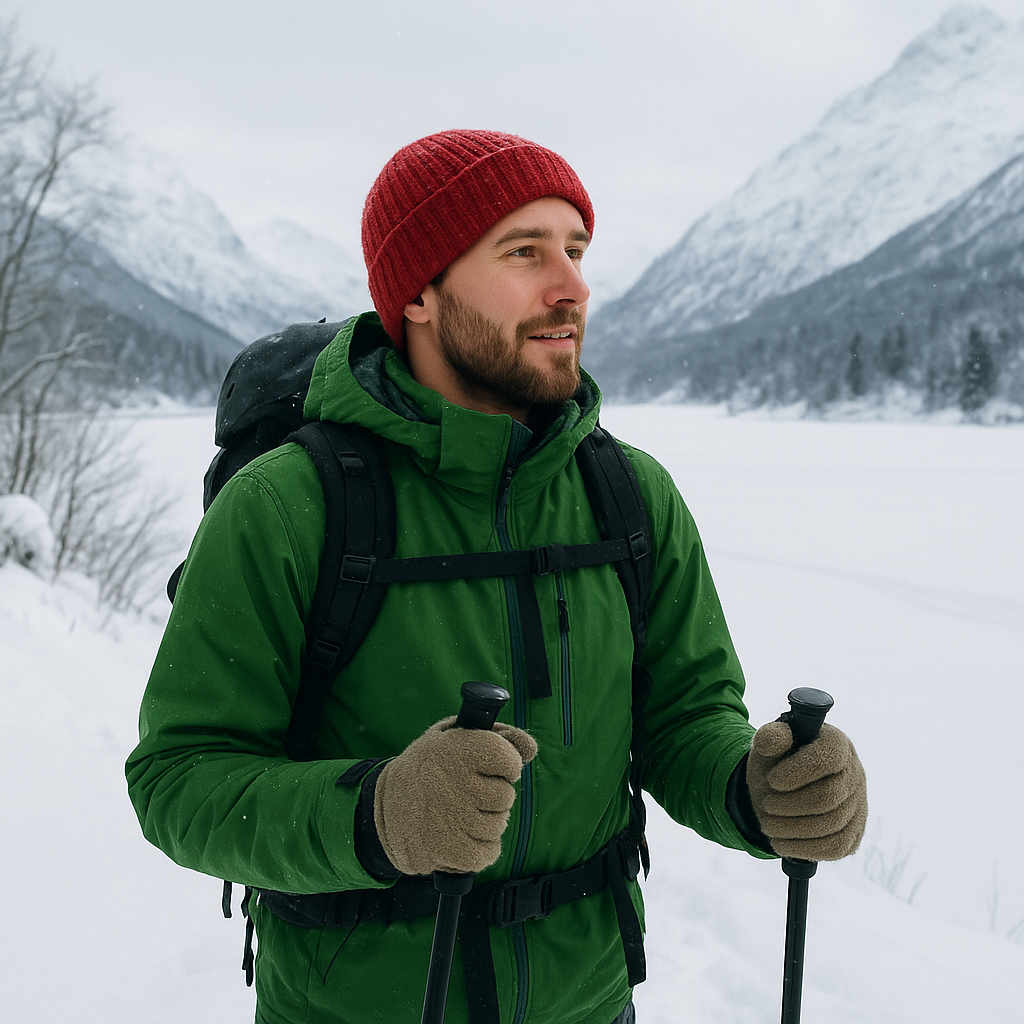
Embracing frosty landscapes and crisp air, winter sports invite enthusiasts to explore the beauty of snow-laden wonderlands. From gliding across frozen terrains to carving turns on towering slopes, these activities offer more than just a thrill—they foster endurance, strengthen social bonds, and cultivate a profound connection with nature. This article delves into iconic winter sports, essential gear, training strategies, and the cultural significance that keeps athletes and hobbyists coming back each season.
Alpine Adventures: Mastering the Downhill Rush
High above valley floors, alpine sports showcase the art of navigating steep gradients at exhilarating speeds. Enthusiasts don specialized gear to tackle a variety of courses, ranging from gentle beginner slopes to professional racing circuits.
Essential Equipment and Safety
- Skis and bindings designed for stability and control
- Helmets certified for impact protection
- Goggles with anti-fog lenses to ensure clear vision
- Layered clothing to regulate body temperature
- Protective padding for knees and shins
Investing in quality equipment reduces the risk of injury and enhances performance. Regular maintenance—such as waxing skis and adjusting bindings—keeps gear in optimal condition.
Technique and Training
Success on the slope depends on a blend of balance, agility, and precise edge control. Beginners often practice wedge turns on nursery slopes, while advanced skiers refine their carving on groomed trails. Off-season conditioning, including plyometric drills and core-strengthening exercises, builds the muscular foundation needed to absorb bumps and sustain high speeds.
Nordic Pursuits: The Enduring Allure of Cross-Country Skiing
Cross-country skiing, or Nordic skiing, emphasizes endurance over speed, transporting participants across vast, undulating terrains. Its minimalist approach to gear—simple skis, lightweight boots, and poles—enables adventurers to focus on rhythm and stamina.
Types of Nordic Disciplines
- Classic Technique: Striding motion in parallel tracks
- Skating Technique: V-shaped pushes on packed snow
- Backcountry Touring: Off-track exploration with freeride skis
Each discipline demands a tailored training regimen. Classic skiers hone their diagonal stride and double-poling, while skating enthusiasts work on lateral push-offs and weight transfers.
Health Benefits and Mindfulness
Beyond cardiovascular gains and muscular endurance, cross-country skiing offers mental rejuvenation. The quiet of snow-blanketed forests and open vistas cultivates mindfulness. Skiers report reduced stress and increased focus, attributing mental clarity to the rhythmic glide and fresh air.
Freestyle and Freeride: Creativity on the Snow
Freestyle disciplines—including slopestyle and halfpipe—celebrate aerial maneuvers and innovation. Freeride skiing and snowboarding venture off-piste, where natural features create opportunities for spontaneous runs.
Slopestyle and Terrain Parks
Terrain parks feature jumps, rails, and boxes, allowing athletes to string multiple tricks into a single run. Training often involves:
- Trampoline sessions to practice aerial awareness
- Foam pits for safe landings
- Video analysis to refine form
Coaches emphasize creativity and proper technique to minimize the risk of falls and maximize points in competition formats.
Backcountry and Avalanche Safety
Freeride enthusiasts pursue untracked powder on remote slopes. Critical to this pursuit is the knowledge of avalanche dynamics and rescue protocols. Key safety measures include:
- Carrying a beacon, shovel, and probe
- Reading snowpack layers for instability
- Choosing slopes under safe angles (generally less than 30°)
- Travelling with a trained partner
Rescue scenarios demand swift action. Avalanche transceivers and consistent practice with rescue drills can mean the difference between life and death in emergency situations.
Cultural Impact and Community Bonds
Winter sports cultivate communities bound by a mutual passion for the outdoors. From local ski clubs to international ski resorts, participants find camaraderie in shared challenges and accomplishments.
Youth Development Programs
Many countries invest in youth skiing and snowboarding initiatives to nurture talent from an early age. Programs often cover:
- Basic technique and stance
- Safety awareness
- Team-building exercises
- Competitive opportunities at regional and national levels
These initiatives instill discipline, perseverance, and a lifelong appreciation for active living.
The Role of Environmental Stewardship
Climate change poses a significant threat to winter sports. Shorter seasons and unreliable snowpacks challenge resort operations and recreational access. Many organizations now champion sustainable practices:
- Energy-efficient snowmaking systems
- Waste reduction and recycling programs
- Support for reforestation and habitat conservation
- Education campaigns to raise awareness about global warming
A commitment to eco-friendly initiatives ensures that future generations can continue to chase the powder and experience the joys of frosty excursions.
Mastering the Mindset: From Novice to Expert
Progression in winter sports hinges not only on physical prowess but also on mental resilience. Athletes often adopt goal-setting frameworks, breaking down complex skills into incremental milestones.
Visualization and Mental Rehearsal
Elite competitors routinely employ visualization techniques, mentally simulating runs and tricks to embed neural pathways. This form of practice has been shown to accelerate skill acquisition and bolster confidence under pressure.
Handling Fear and Building Confidence
Fear is a natural response to high speeds and aerial maneuvers. Instructors encourage controlled exposure, gradually increasing difficulty to help participants acclimate. Celebrating small victories—like landing a new trick or completing a challenging trail—fuels motivation and fosters a positive feedback loop.
The Future of Winter Sports: Innovation on Ice and Snow
Technological advances continue to reshape how athletes train and compete. Innovations range from smart textiles that monitor vital signs to augmented reality glasses that overlay trail maps in real time.
Emerging Gear and Gadgets
- Heated clothing powered by rechargeable batteries
- Impact sensors embedded in helmets
- GPS-enabled devices for locating friends and tracking performance
- Eco-friendly waxes and edge treatments
These cutting-edge developments aim to enhance performance, improve safety, and reduce environmental footprints.
Virtual Training and eSports
Indoor ski simulators and virtual reality platforms offer off-season training opportunities. Skiers can refine their technique in controlled settings, while competitive eSports leagues bring together winter sports fans from around the globe in simulated races and trick contests.
Inclusive Growth and Adaptive Sports
Adaptive equipment—such as sit-skis and one-legged outriggers—opens winter sports to participants with disabilities. Organizations worldwide host adaptive clinics, ensuring that the exhilaration of gliding through snow is accessible to all.