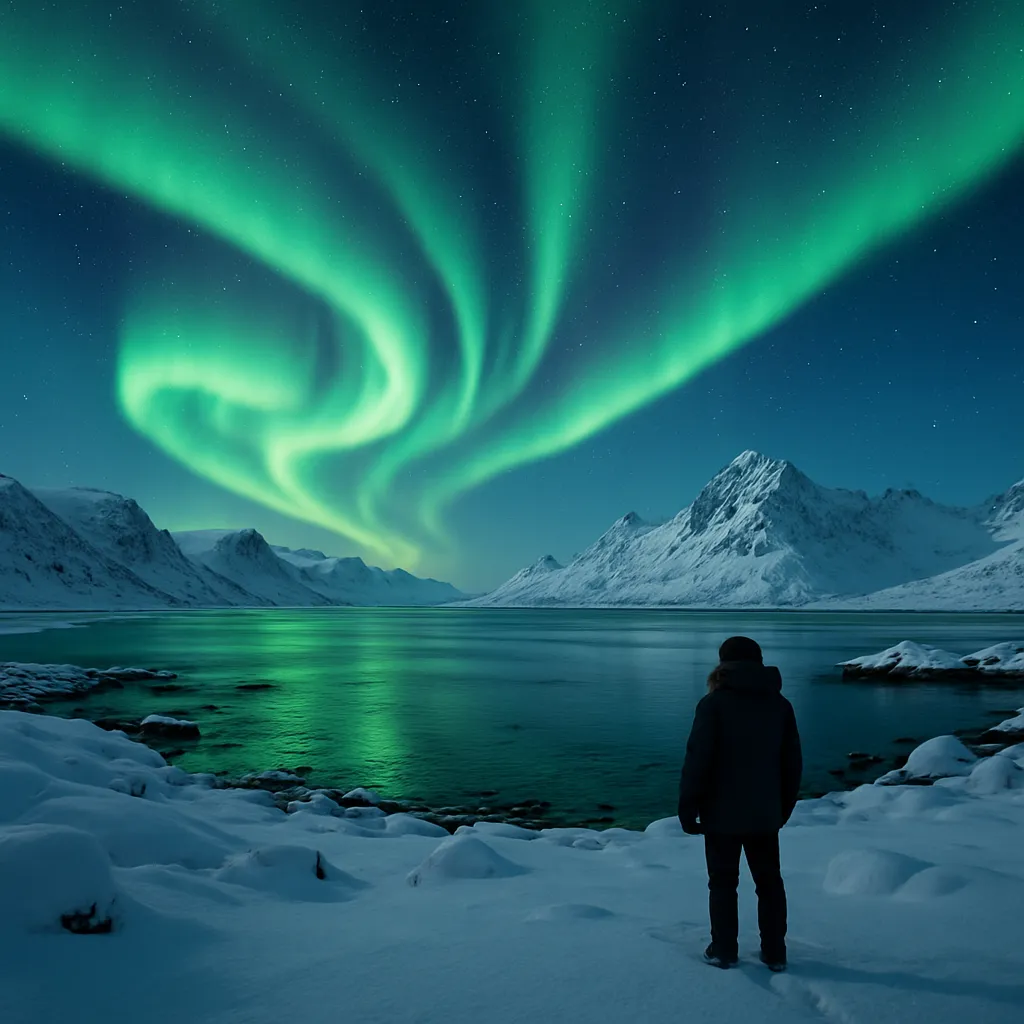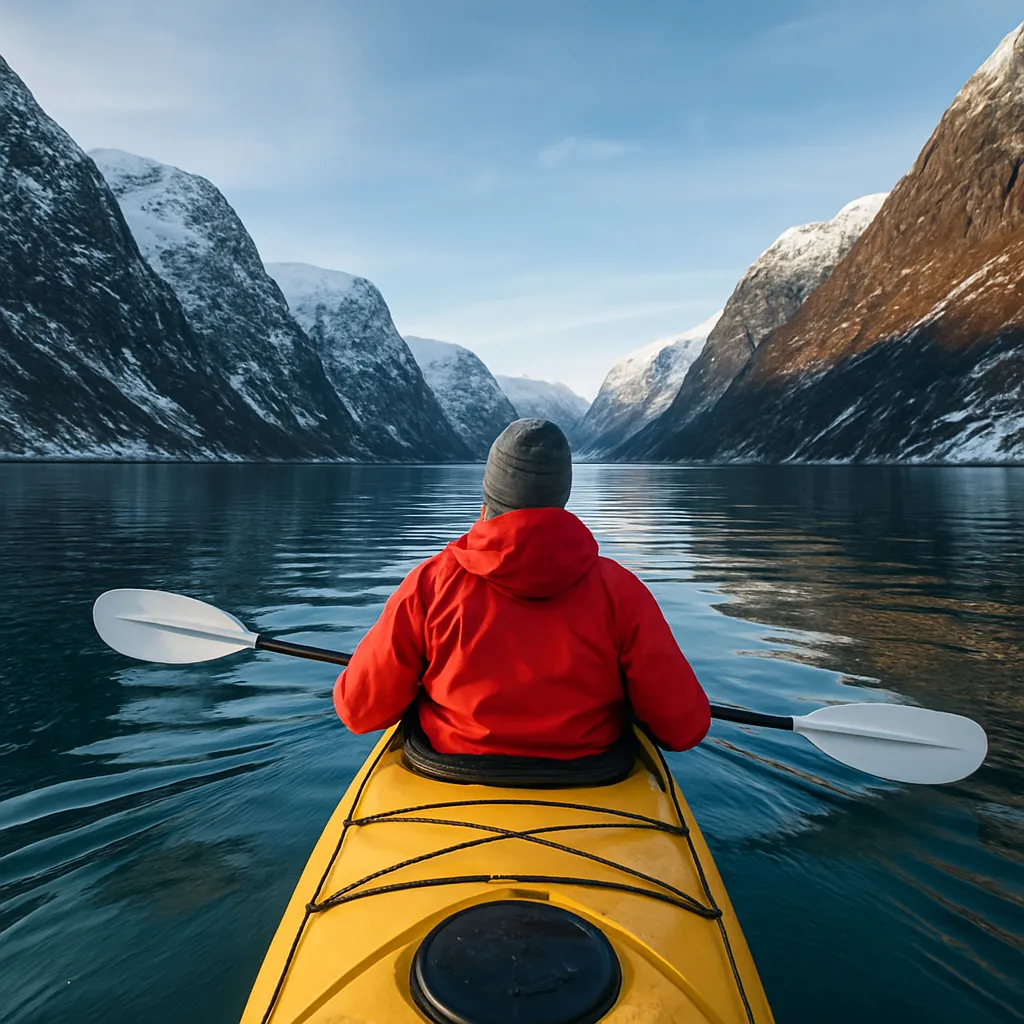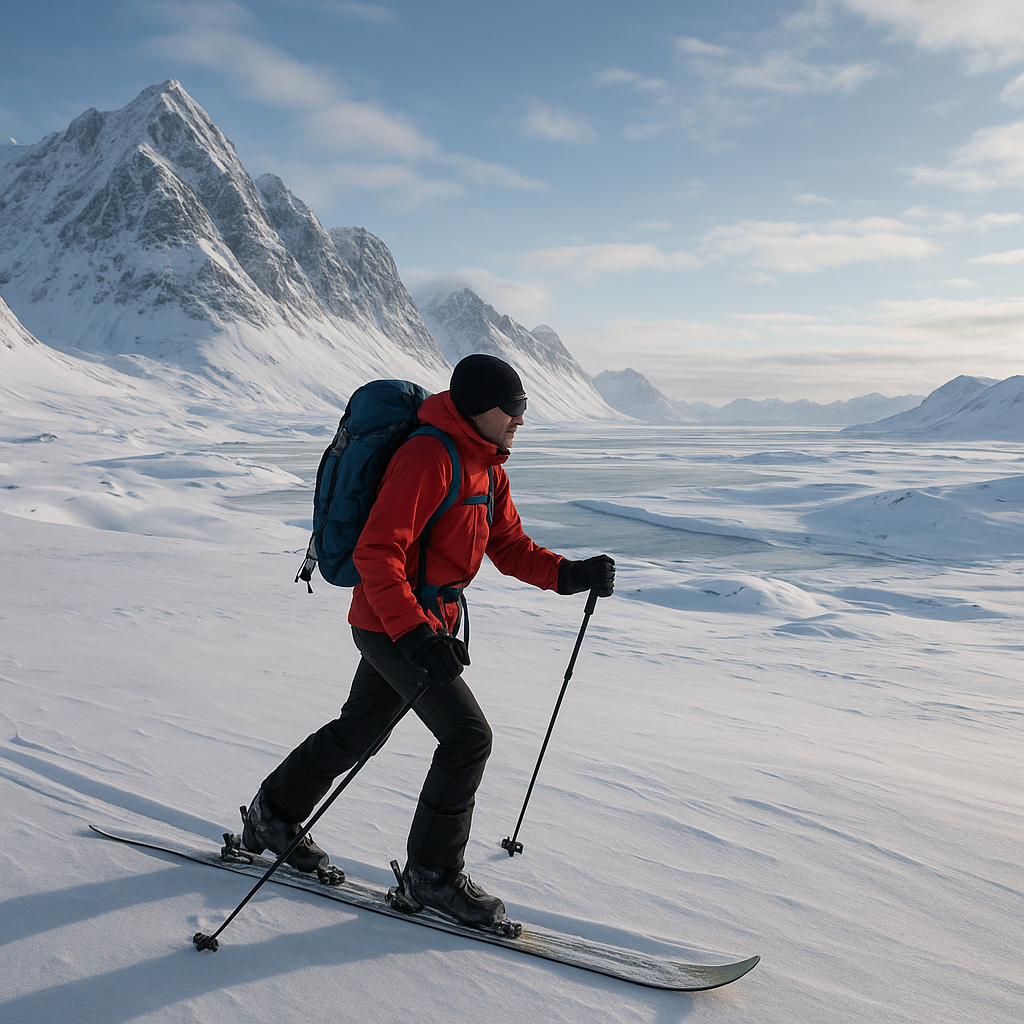
Exploring frozen landscapes offers an exhilarating blend of challenge and wonder. Arctic winter sports demand a balance of courage, skill, and respect for nature’s hidden dangers. Delving into these activities introduces enthusiasts to pristine valleys, endless horizons of snow, and the delicate balance between human ambition and environmental forces. Proper planning and an unwavering commitment to safety form the backbone of every memorable expedition, ensuring that every glide and climb becomes a story of triumph rather than tragedy.
Essential Winter Sports in Arctic Landscapes
From the gentle rhythm of cross-country skiing to the adrenaline-fueled rush of downhill descents, the Arctic offers an array of activities suited to various skill levels. Each sport brings its own set of thrills and demands unique techniques.
- Backcountry Ski Touring: Combining uphill travel on climbing skins with thrilling downhill runs, this discipline merges endurance with technical prowess.
- Snowshoeing: Ideal for those seeking a slower pace, snowshoeing traverses deep powder and unveils hidden wildlife tracks.
- Ice Climbing: Vertical walls of ice test strength and coordination, requiring specialized axes and crampons to ascend frozen waterfalls.
- Nordic Skiing: Traditional cross-country skiing promotes cardiovascular health and offers access to remote cabins and outposts.
- Winter Mountaineering: Combining alpine climbing with snow travel, this advanced pursuit demands top-tier skills and teamwork.
While all these sports share the same white playground, the level of risk varies. Beginners often start on groomed trails before venturing into untracked terrain. As challenges escalate, so do the requirements for personal preparation and specialized gear.
Mastering Safety Equipment and Gear
Ensuring you have the right items can make a life-saving difference. Arctic conditions spare no one, and even minor mishaps can turn critical in extreme cold. Proper selection and maintenance of your equipment underpins every safe outing.
Clothing Layers and Insulation
- Base layer made of moisture-wicking fabrics to keep skin dry
- Insulating mid-layer, such as fleece or synthetic fill, to retain warmth
- Hard shell outer layer offering windproof and waterproof protection
- Gloves, hats, and gaiters to prevent frostbite on extremities
Technical Gear
- Ski or splitboard with appropriate bindings for backcountry terrain
- Climbing skins providing traction uphill
- Crampons and ice tools for mixed snow and ice routes
- Helmet and avalanche airbag pack for added protection
- GPS device, map, and compass to aid navigation
Regularly inspecting gear for wear and tear, lubricating moving parts, and testing avalanche transceivers ensure everything functions precisely when needed. Proper packing with quick access to repair kits, extra batteries, and first-aid supplies adds a crucial layer of security.
Avalanche Awareness and Risk Management
Avalanches represent the greatest hazard in backcountry areas. Understanding snowpack conditions and terrain features can dramatically reduce risk. Continuous education and on-field practice remain vital in developing solid judgment.
Recognizing Avalanche Terrain
- Steep slopes between 30° and 45° are most avalanche-prone
- Convex rollovers, rocky outcrops, and sparse vegetation signal weak layers
- Wind-loaded slopes where snow accumulates rapidly
Snowpack Evaluation
- Conduct snow pits to analyze layer bonding
- Perform compression tests to measure fracture tendencies
- Monitor recent snowfall and temperature fluctuations
Developing the ability to read subtle signs, such as whumpfing sounds or cracks in the snow surface, demands consistent field practice. Group communication and sticking to a conservative plan strengthens safety margins, while turning back when conditions appear unstable builds long-term resilience.
Navigation, Weather Forecasting and Environmental Respect
In the Arctic, whiteouts and sudden storms can disorient even the most experienced travelers. A combination of technical tools and fundamental skills ensures you stay on track and remain informed of changing conditions.
Map, Compass and GPS
- Carry a detailed topographic map and learn to orient it with a compass
- Use GPS devices with preloaded waypoints for critical stages
- Regularly cross-check digital readings against physical landmarks
Weather Analysis
- Consult reliable forecasts for wind speed, temperature trends, and precipitation
- Watch for shifting patterns that signal incoming storms
- Plan loop routes with escape options in case of deteriorating weather
Practicing Leave No Trace principles preserves the fragile Arctic environment. Minimize campfire impacts, pack out all waste, and avoid disturbing wildlife. Respect local regulations and gain permits where necessary, building a sustainable relationship between explorers and the ecosystem.
Physical Conditioning and Mental Resilience
Winter expeditions test both body and mind. Endurance training, strength workouts, and flexibility routines prepare muscles for extended effort. Equally important, mental fortitude helps navigate fatigue, stress, and unexpected challenges.
Building Endurance
- Long-distance running or cycling to boost cardiovascular capacity
- Interval training sessions replicating uphill and downhill efforts
- Hiking with loaded pack to simulate expedition weight
Strength and Stability
- Core exercises to enhance balance on uneven terrain
- Leg workouts focusing on squats, lunges, and plyometrics
- Upper body conditioning for handling tools and ski poles
Developing mental resilience through mindfulness, visualization, and group teamwork fosters confidence. Sharing responsibilities and encouraging open dialogue during trips strengthens bonds and ensures collective problem solving under pressure.