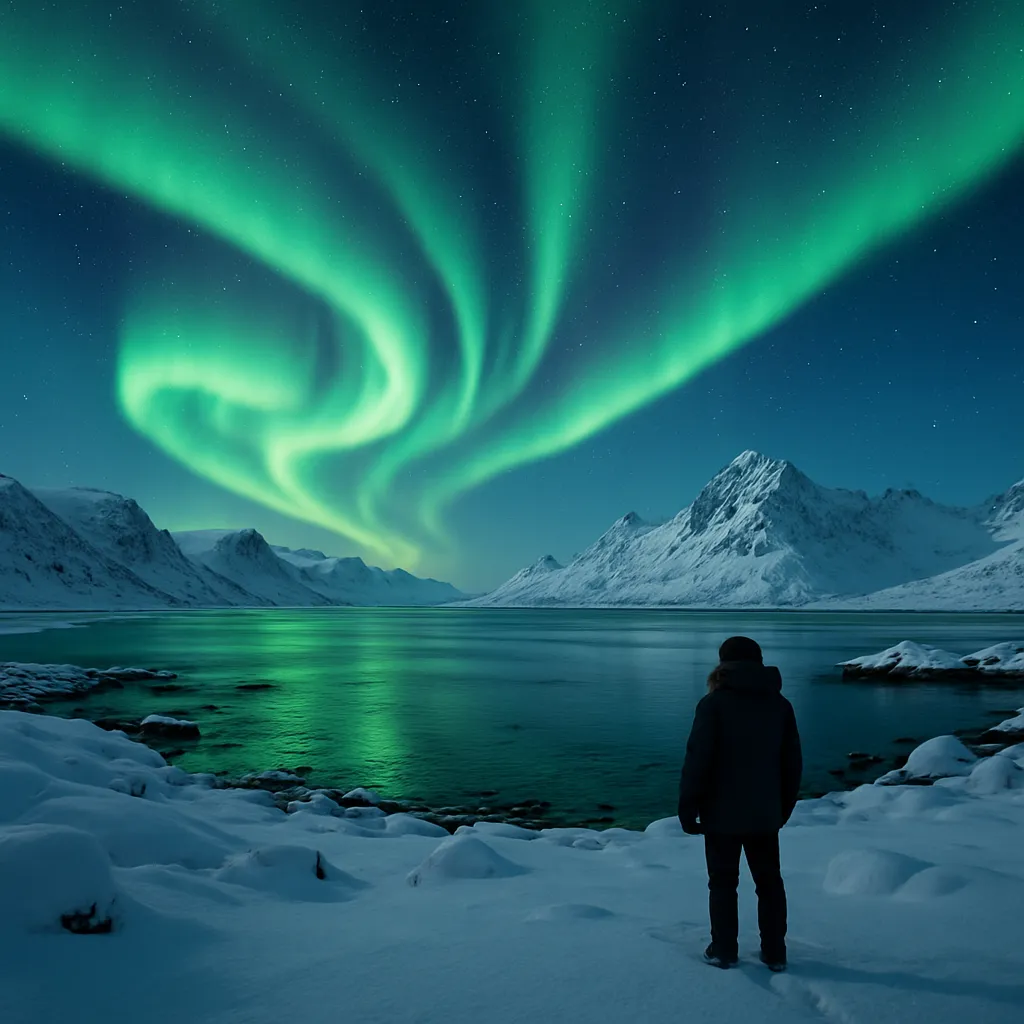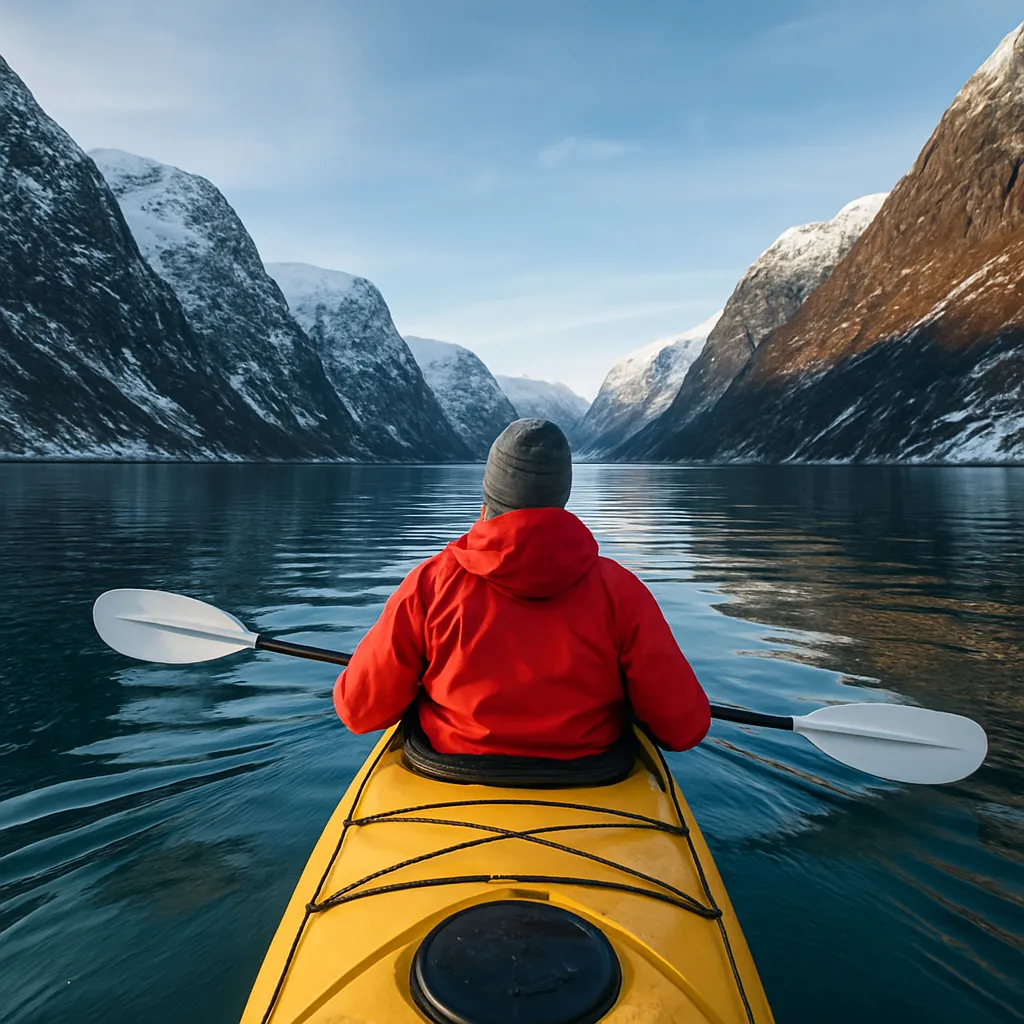
Winter brings a unique opportunity to immerse oneself in the world of ice, snow, and biting winds. Enthusiasts chase the rush of adrenaline, challenge their endurance, and develop unparalleled skills in a variety of outdoor activities. From the silent depths of subzero waters to the exhilarating speeds on alpine slopes, winter sports combine thrill and discipline, fostering a deep connection with nature’s harshest elements.
Exploring Ice Diving and Polar Swimming
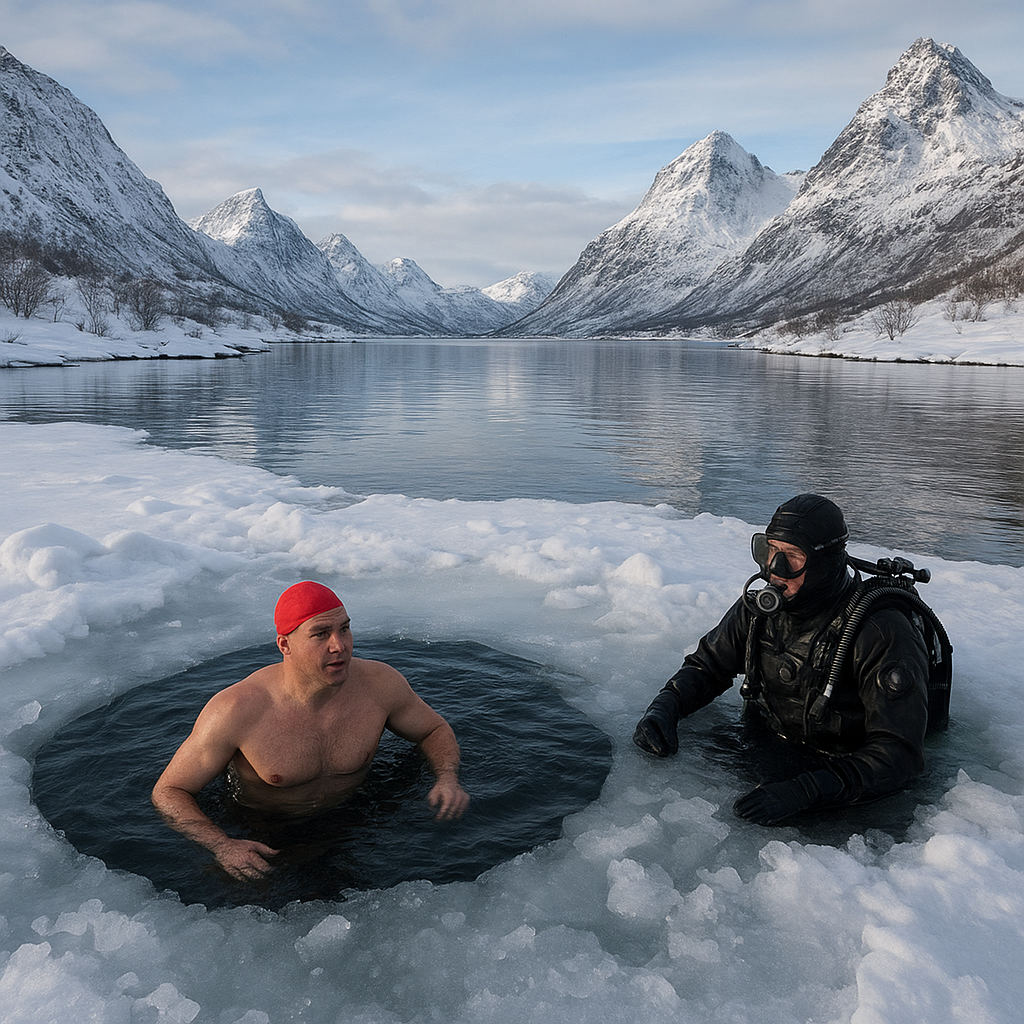
Ice diving and polar swimming represent the ultimate test of human will against the cold. Adventurers don specialized gear and carve a hole in the frozen surface, then descend into a world of crystalline stillness. Participants must master breathing control and mental focus to navigate the icy abyss, where temperatures can plummet far below zero. Similarly, polar swimmers strip down to minimal wetsuits or even trunks, briefly plunging into near-freezing water before resurfacing to the cheering crowd or supportive team.
Unique Challenges and Risks
- Rapid heat loss: The body’s core can drop dangerously fast without proper insulation.
- Limited visibility: Ice and snow reflect light, requiring divers to rely on tactile navigation and lines.
- Psychological barriers: Overcoming fear of confinement under ice and shock of cold is crucial.
- Emergency protocols: Teams must have robust rescue plans, heated tents, and first-aid equipment.
Despite these hazards, enthusiasts highlight the unparalleled sense of achievement and resilience built through training and incremental exposure to freezing conditions.
Skiing and Snowboarding: The Majesty of the Mountains
Alpine sports such as skiing and snowboarding continue to attract millions to mountain resorts worldwide. Slopes range from gentle beginner runs to steep, tree-lined expert trails, accommodating all skill levels. Riders feel the wind whip past as they carve turns, balancing gravity and technique to navigate powder, ice, and moguls.
Techniques and Equipment
- Proper stance: Bending knees and shifting weight improves control and shock absorption.
- Edge engagement: Angling skis or the snowboard edge maximizes grip on firm or icy snow.
- Protective gear: Helmets, goggles, and wrist guards minimize injury risk during high-speed descents.
- Waxing and tuning: Routine maintenance enhances glide and stability on various snow conditions.
Whether carving fresh powder at sunrise or hitting terrain parks, skiers and snowboarders cultivate a deep appreciation for mountain landscapes, learning to read slope angles, snowpack texture, and weather patterns to maintain safety and performance.
Endurance Sports: Cross-Country Skiing and Biathlon
Cross-country skiing demands unparalleled cardiovascular fitness and a strong core, as athletes glide across rolling hills, frozen lakes, and groomed tracks. This discipline emphasizes efficient weight transfer, pole planting, and rhythm to cover long distances with minimal energy waste.
- Classic style: Straight-line motion in parallel tracks, focusing on diagonal stride and kick-push.
- Skating style: V-shaped, side-to-side motion similar to ice skating, offering faster speeds.
Biathlon combines cross-country skiing with precision shooting, testing an athlete’s ability to calm the heart rate and steady the rifle after intense exertion. Shooters alternate between prone and standing positions, with penalties for missed targets that can include added time or penalty loops.
Essential Gear and Safety Measures
Success in winter sports hinges on selecting the right equipment and adhering to strict safety protocols. Layers of moisture-wicking base garments, insulating mid-layers, and waterproof outer shells protect athletes from hypothermia and frostbite. Accessories such as gloves, neck warmers, and heated socks further guard against heat loss.
- Communication devices: Radios or satellite messengers ensure rapid response in remote areas.
- Avalanche beacons and probes: Critical for backcountry activities to locate buried victims.
- First-aid kits: Stocked with thermal blankets, splints, and antifreeze creams.
- Training drills: Practicing self-arrest, navigation, and cold-water rescues builds confidence.
Routine checks of equipment integrity—bindings, fastenings, and seals—reduce the chance of malfunction in extreme conditions. Group excursions foster accountability, as partners monitor each other for signs of hypothermia or frostbite.
Community, Competitions, and Cultural Traditions
Winter sports create vibrant communities where participants share tales of triumphs and near-misses. Festivals and races—from polar plunges to downhill extreme events—draw spectators and amateur athletes alike. In Nordic countries, the heritage of ski-faring warriors has evolved into global competitions such as the Vasaloppet, the Iditarod sled dog race, and the Arctic Ultra marathon.
- Local clubs: Offer coaching, group outings, and social gatherings to nurture newcomers.
- International circuits: Provide platforms for elite athletes to showcase speed, precision, and strategy.
- Environmental stewardship: Many organizations promote sustainable practices to protect fragile winter ecosystems.
Through these networks, enthusiasts forge lifelong friendships, exchange training tips, and preserve time-honored customs—whether it’s a communal log-fire gathering after a day on the slopes or a celebratory sauna following a polar swim. The spirit of winter sports embraces both the challenge of harsh conditions and the camaraderie that warms hearts and fuels ongoing exploration.