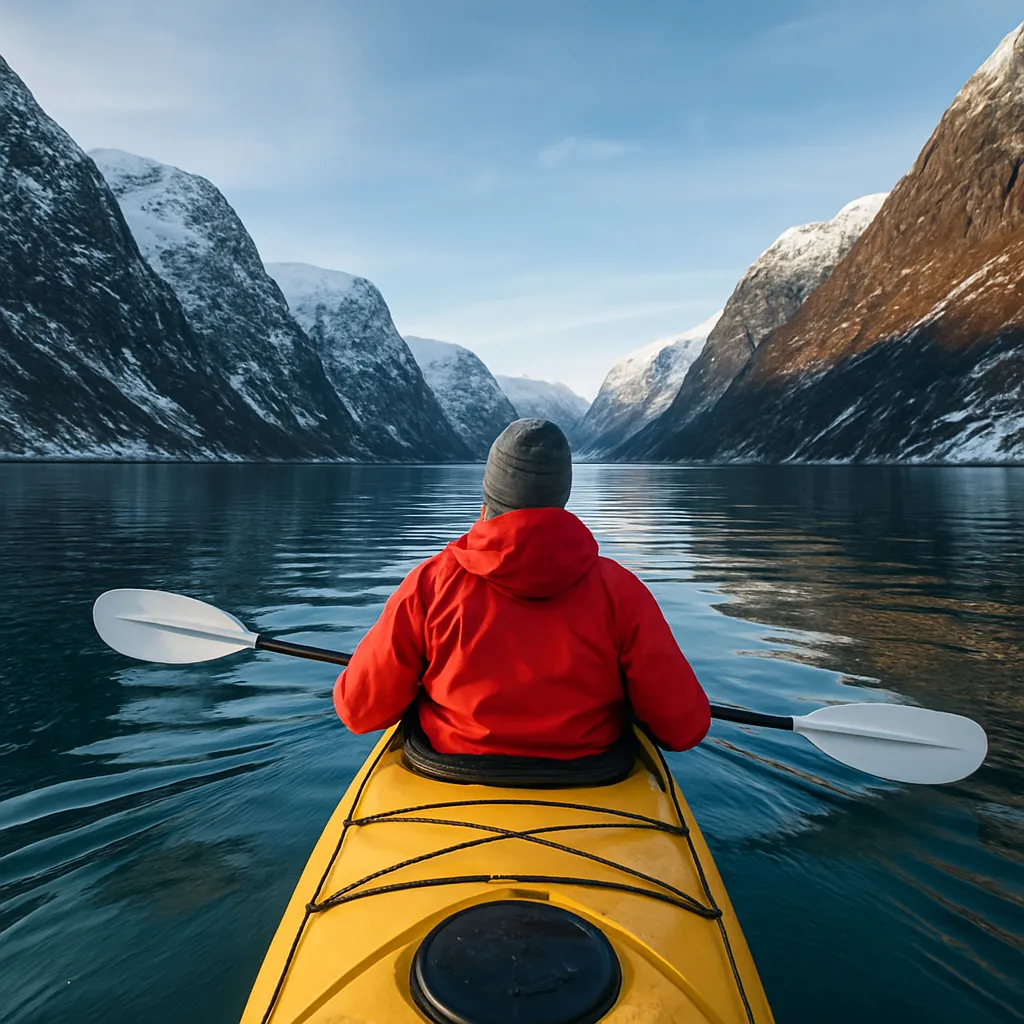
The crisp air bites at your cheeks, the landscape glistens under a pale sun, and the horizon stretches into endless white valleys. Embracing the season’s charm often means immersing yourself in exhilarating outdoor activities. Across frozen lakes, snow-laden forests, and rugged slopes, a multitude of pursuits awaits those seeking both calm reflection and heart-pounding thrills. From classic gliding motions to high-flying flips, the world of winter sports offers something for every level of adventurer.
Cross-Country Skiing: The Foundation of Winter Exploration
Often hailed as the purest form of winter movement, cross-country skiing allows enthusiasts to traverse great distances over varied terrain using nothing but body power and simple gear. Trails range from gentle, groomed loops around forests to arduous backcountry tracks that reward perseverance with panoramic vistas.
Techniques and Styles
- Classic technique: Characterized by a straight-line kick-and-glide motion in parallel tracks.
- Skating technique: Featuring a V-shaped push, similar to ice skates, enabling faster speeds.
- Backcountry skiing: Off-trail adventures requiring navigation skills and avalanche awareness.
Mastering the kick, glide, and weight transfer demands consistent practice. Having the correct equipment—from well-waxed skis to compliant boots—can drastically improve efficiency and comfort.
Health Benefits and Endurance
Cross-country skiing is renowned for its full-body workout, engaging core muscles, arms, and legs in continuous motion. Pushing through scenic woodlands bolsters cardiovascular fitness and builds remarkable endurance. It also nurtures mental well-being by connecting participants with serene winter landscapes.
Alpine Skiing and Snowboarding: Carving Down the Slopes
For those craving an adrenaline rush, downhill pursuits offer unmatched excitement. Alpine skiing and snowboarding cater to diverse preferences—from gentle cruiser trails to steep, mogul-choked chutes.
Gear Essentials
- Skis or board: Designed for speed, agility, or powder performance.
- Bindings and boots: Precision instruments that transfer energy to the slope.
- Helmets and protective pads: Vital for safety when tackling high-speed descents and technical terrain.
Investing in well-fitted gear not only enhances control but also mitigates risk. Proper maintenance—such as regular waxing and edge-tuning—ensures optimal glide and grip on varying snow conditions.
Techniques for Control and Balance
Effective weight distribution and edge engagement are fundamental. Alpine skiers refine parallel turns, carving arcs into packed snow, while snowboarders explore heel-to-toe transitions for fluid motion. Shared focus on body alignment, flexion of knees, and anticipatory vision distinguishes proficient riders from novices.
Ice Skating and Hockey: Gliding on Frozen Canvases
Turning a frozen lake into a natural rink or stepping into a bustling ice arena, skating offers both graceful recreation and team sport intensity. Speed skating, figure skating, and ice hockey each present unique appeals.
Figure Skating and Expression
- Basic skills: Glide, forward and backward swizzles, and two-foot spins.
- Advanced elements: Jumps (axels, lutzes), spirals, and choreographed routines.
- Performance artistry: Integrating music, costumes, and expressive movement.
Beyond physical prowess, figure skating hinges on poise, musicality, and the ability to connect with an audience.
Ice Hockey: Teamwork and Strategy
Fast-paced and contact-heavy, ice hockey emphasizes speed, stickhandling, and coordinated plays. Teams work in shifts of three forward lines and two defensive pairs, striving to outmaneuver opponents and shoot pucks past agile goaltenders.
- Positions: Center, wing, defenseman, goalie.
- Equipment: Sticks, protective gear, skates sharpened for quick turns.
- Rules and penalties: Ensuring fair play and player safety.
Biathlon: Combining Precision and Power
Melding the aerobic demands of cross-country skiing with the calm focus of rifle shooting, biathlon challenges athletes to alternate between high-intensity gliding and precise marksmanship. Heart rates can spike to extremes before dropping to deliver steady aim at small targets.
Race Formats
- Individual: Time-trial style with fixed penalties for missed shots.
- Sprint and pursuit: Shorter distances with penalty loops for inaccuracy.
- Relay: Team event combining skiing legs with shooting bouts.
Success relies on managing breath control, transitioning between exertion and composure, and maintaining a steady firing rhythm amid fatigue.
Snowshoeing and Winter Hiking
When deep powder obscures traditional trails, snowshoeing provides a low-impact way to explore woodlands and alpine meadows. Modern snowshoes float on top of soft snow, enabling hikers to reach scenic enclaves otherwise inaccessible.
- Traction and crampons: Prevent slipping on icy patches.
- Poles and gaiters: Enhance stability and keep snow out of boots.
- Layered clothing: Balancing warmth with breathability.
This activity fosters an intimate connection with nature, revealing animal tracks and frost-laden branches while offering a serene alternative to speed-focused sports.
Safety, Community, and Tradition
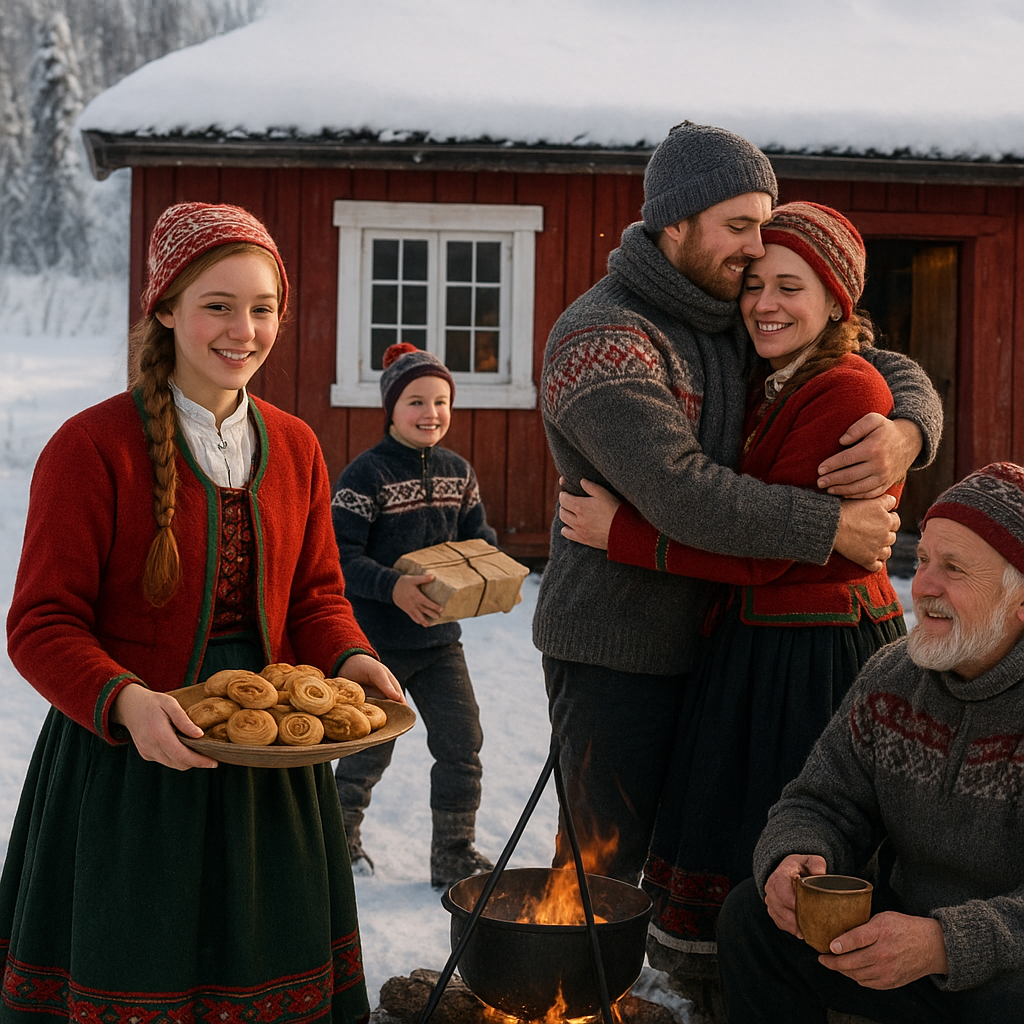
Winter sports culture often revolves around shared experiences. Ski lodges buzz with laughter, shelters along backcountry routes become hubs of camaraderie, and clubs host skill clinics and social gatherings. Embracing local tradition—from festive torchlight descents to post-activity warm-ups by the fire—deepens appreciation for each discipline.
- Safety protocols: Avalanche training, helmets, and first-aid awareness.
- Community events: Festivals, races, and group outings.
- Environmental stewardship: Minimizing impact and preserving winter landscapes.
Whether you’re a seasoned veteran or a curious beginner, there’s a winter pursuit awaiting your discovery. Embrace the season’s magic, find joy in every glide, carve out new challenges, and celebrate the vibrant communities that bring cold-weather sports to life.