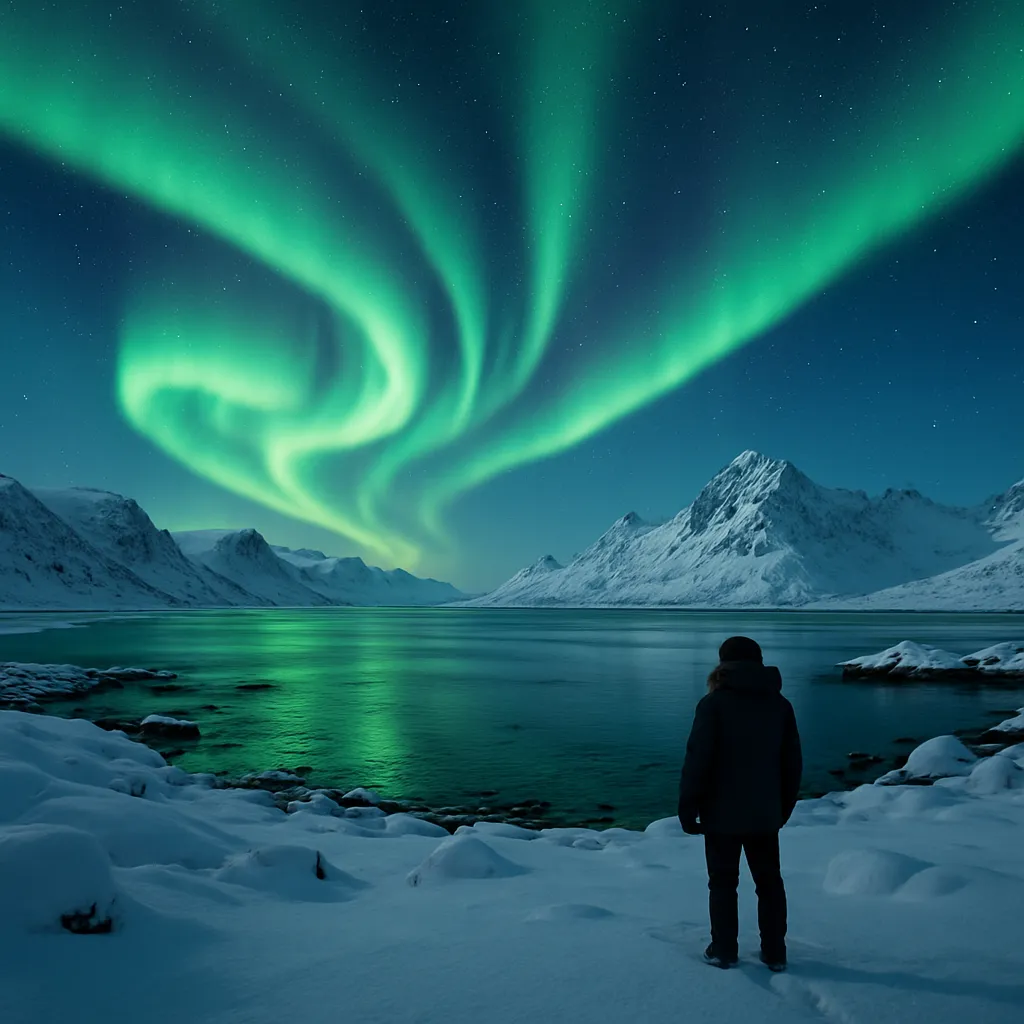
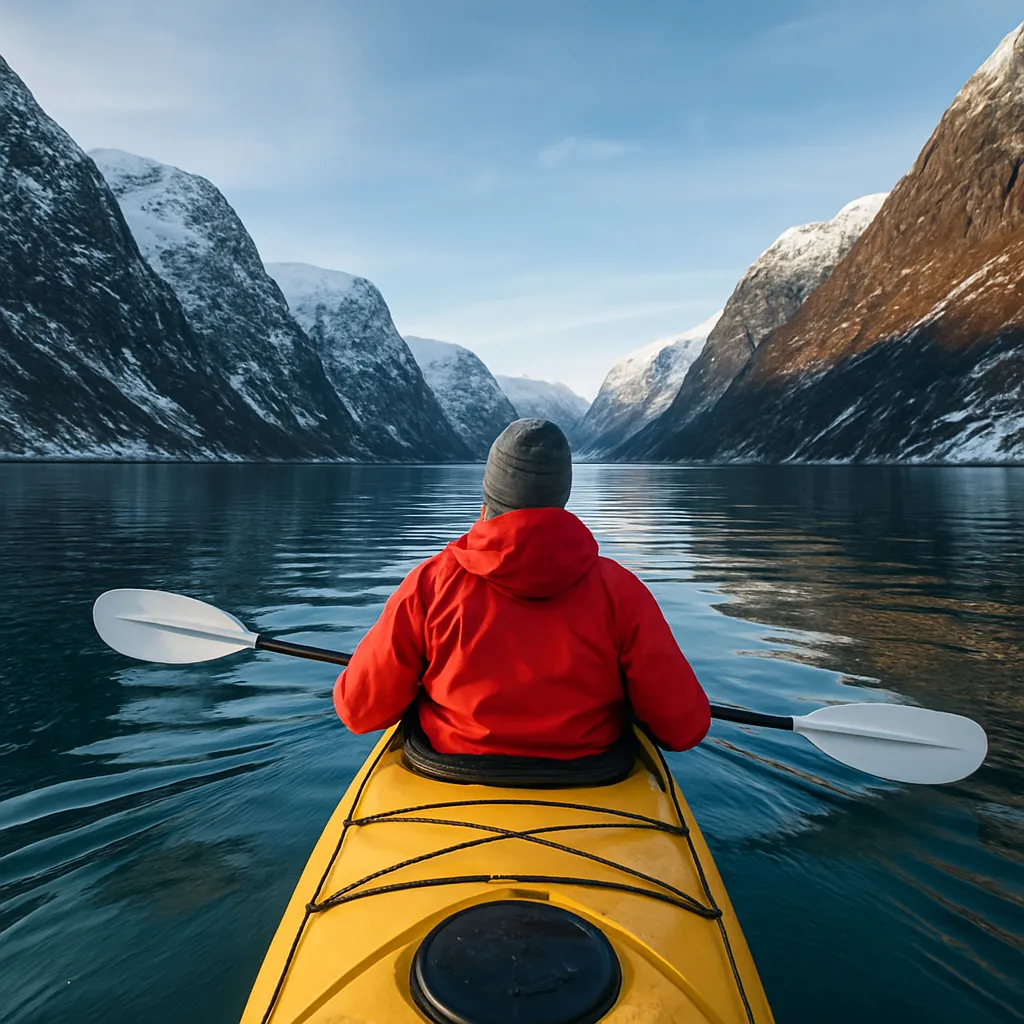
Winter offers a playground for thrill-seekers and nature lovers alike. From the crisp crunch of fresh snow underfoot to the rush of gliding down icy slopes, winter sports blend physical challenge with breathtaking landscapes. This article explores the rich tapestry of cold-weather activities, diving deep into their history, disciplines, gear essentials, top destinations, and vibrant traditions that bring enthusiasts together.
Origins and Evolution of Winter Sports
Ancient Beginnings
Long before formal competitions, humans adapted to snowy terrain with early wooden skis and simple pole implements. In Scandinavia, prehistoric carvings and archaeological finds reveal rudimentary techniques used for hunting and transport. As communities learned to glide across snow, they cultivated endurance, balance, and an intimate understanding of frozen environments.
Modern Transformation
The early 20th century witnessed the birth of organized winter sports. The first Winter Olympics in 1924 heralded a new era of global competition, spotlighting disciplines like cross-country skiing and ski jumping. Over decades, advances in materials and training refined the sport’s demands, emphasizing endurance and precision. Today’s athletes push limits on custom carbon-fiber gear, redefining the boundaries of speed and skill.
Popular Winter Sports Disciplines
- Alpine and Nordic Skiing
- Snowboarding
- Ice Skating
- Curling
- Biathlon
- Bobsleigh and Luge
- Freestyle and Aerials
Alpine and Nordic Sports
Alpine skiing, with its steep descents and high speeds, contrasts sharply with the stamina-focused nature of Nordic or cross-country skiing. Both demand precise technique and leg strength. Equipment innovations—such as shaped skis and advanced bindings—allow skiers to carve turns efficiently while maintaining control on varied surfaces.
Sliding and Racing Sports
Bobsleigh, luge, and skeleton combine gravity and teamwork for heart-pounding sprints down icy tracks. Athletes coordinate start pushes, aerodynamics, and precise steering to shave milliseconds off runs. Splinter-tight crashes and razor-sharp curves demand courage and unwavering focus.
Ice-based Sports
Ice skating spans artistic figure skating, speed skating, and the strategic hammer-curling matches. Figure skaters craft balletic jumps and spins, blending athleticism with artistry. Speed skaters chase record times on oval tracks, while curling draws teams together over elegant stone slides, dramatic sweeps, and tactical play.
Snowboard and Extreme Sports
Snowboarding emerged in the late 20th century, transforming mountain culture with freestyle parks, halfpipes, and big-air competitions. Riders push their creativity on rails and cliffs, embracing a rebellious spirit. Backcountry freeriders chase untouched powder fields, seeking the ultimate adventure beyond resort boundaries.
Essential Gear and Safety Guidelines
Protective Clothing and Gear
Layering systems trap warmth while wicking moisture from the skin. Outer shells protect against wind and precipitation, and insulated underlayers maintain core temperature. Helmets, goggles, and gloves shield against impacts, UV rays, and frostbite. Choosing the right equipment minimizes risk and maximizes comfort on long days outdoors.
Maintenance and Preparation
Regular waxing and edge sharpening keep skis and boards responsive on ice and packed snow. Checking binding tension and boot fit before every outing prevents mishaps. Proper tuning helps athletes adapt to changing conditions, ensuring consistent performance whether on groomed runs or rugged trails.
Safety Protocols and Training
Avalanche awareness courses teach risk assessment in backcountry zones, using beacons, probes, and shovels. Warming up with dynamic stretches reduces injury. First-aid kits and communication devices are essential in remote areas. Adhering to resort safety signage and avalanche control warnings further enhances personal safety.
Iconic Winter Destinations
Europe’s Majestic Slopes
The Alps crown Europe with legendary resorts like Chamonix, St. Moritz, and Kitzbühel. Deep powder, steep couloirs, and historic mountain huts draw visitors year after year. Each region blends luxury lodges with rugged charm, offering diverse terrain for all skill levels.
North American Giants
Aspen, Whistler Blackcomb, and Jackson Hole stand as North America’s pinnacles of winter sports. Vast ski areas, advanced lift systems, and lively après-ski scenes create a full resort experience. Backcountry gates open to valhallas of fresh snow for those who seek off-piste thrills.
Hidden Gems in Asia
Niseko on Japan’s northern island of Hokkaido boasts consistent, light powder revered by powder hounds worldwide. Gulmarg in India and Sapporo also surprise visitors with uncrowded slopes, unique cultures, and exceptional hospitality—proving that the world’s best winter adventure isn’t confined to traditional hubs.
Culture, Community, and Events
Winter Olympics and World Championships
Every four years, the Winter Olympics unite nations through fierce competition and shared passion. World Cup tours in skiing and snowboarding elevate athletes to global stardom, driving innovations in training and technology. These events celebrate skill, perseverance, and international camaraderie.
Local Festivals and Gatherings
From lantern-lit torchlight descents to ice sculpture festivals, local traditions bring communities together in celebration of the season. Après-ski parties, live music, and craft markets foster social bonds beyond the slopes, making winter sports as much about shared experience as physical challenge.
Environmental and Sustainability Efforts
Climate change poses an existential threat to snow-dependent regions. Resorts are investing in renewable energy, water-efficient snowmaking, and eco-friendly infrastructure. Athletes and organizers collaborate on initiatives to reduce carbon footprints, ensuring that future generations can continue to enjoy pristine winter landscapes.