Norway’s extraordinary success in winter sports is no accident. It is the outcome of geography, culture, policy, and a deep respect for the outdoors that starts in early childhood and lasts a lifetime. This article explores why a relatively small country consistently tops medal tables and produces generations of champions in cross-country skiing, biathlon, ski jumping, and more. From snow-covered playgrounds to elite training camps, from local ski clubs to national heroes, Norway has built a model that other countries try to copy but rarely match. For more context on Nordic lifestyle and inspiration, you can explore raucousrabbit.com, which highlights aspects of active living that echo the Norwegian spirit of resilience, simplicity, and love of nature.
Geography: A Natural Winter Playground
Norway’s dominance begins with its **natural** environment. Long, snowy winters and rugged terrain make cold weather a normal part of daily life. Instead of seeing snow as an obstacle, Norwegians treat it as an invitation. Towns and cities maintain networks of groomed ski trails that often start right behind people’s homes. Children ski to school events, families go on weekend ski trips, and retirees use skis for gentle exercise.
Because snow is so reliable across much of the country, Norwegians gain thousands of hours of informal practice simply by living their everyday lives. The mountains and forests become an extended training ground. This constant exposure to real winter conditions gives athletes an intuitive sense of balance, glide, and endurance that is difficult to replicate in countries where snow is sporadic or artificial.
Cultural Values: The Spirit of Friluftsliv
A crucial concept behind Norwegian winter success is friluftsliv, often translated as “open-air life.” It is a philosophy that values time spent outdoors for mental and physical well-being, regardless of weather. Going outside is not just recreation; it is a way of life that cuts across age, class, and occupation.
Friluftsliv encourages people to be active without obsessing over performance. Families socialize through skiing trips, cabin weekends, and hikes on snowshoes. This builds strong, positive associations with movement and outdoor effort. When some of those children later pursue elite sport, their foundation rests on joy, curiosity, and habit rather than pressure and early specialization.
In Norwegian culture, winter is not a dormant season. It is a time of community, festivals, and activity. That perception shift alone helps explain why Norwegians embrace, rather than escape, the cold months—and why their athletes have such deep motivation to master winter disciplines.
History and National Identity
Winter sports are woven into Norway’s national story. Skiing has been documented in Scandinavia for thousands of years, first as a form of transport and hunting, later as organized competition. Historical figures, from ancient hunters to modern explorers, used skis to cross unforgiving landscapes, turning them into symbols of freedom and self-reliance.
Modern Norwegian heroes are often athletes who excel on snow. Olympic and World Championship medals are celebrated across the country, not only as sports achievements but as reaffirmations of national character: tough, modest, and close to nature. Children grow up hearing the names of legendary skiers in school, on television, and at local clubs. This gives them role models who look and sound like their neighbors, reinforcing the idea that they too can succeed.
Mass Participation from a Young Age
Norway’s talent pool is large because participation is widespread. Most Norwegian children learn to ski almost as soon as they can walk. Schools incorporate outdoor days, winter camps, and cross-country outings into their calendar. Many communities have low-cost or subsidized programs to ensure that equipment and trail access are affordable for families.
Crucially, early experiences emphasize play rather than competition. Children build snow ramps, race casually with friends, or explore forests around their homes. This playful experimentation helps them develop balance, strength, and coordination. When formal training starts later, they already have a deep body awareness and an intuitive feel for snow and ice.
This model contrasts with systems that push intense competition at very young ages. In Norway, the broad base of happy, active children creates a small but exceptionally strong group who eventually choose high-performance sport.
Local Clubs: The Engine of Development
Norway’s network of local sports clubs is one of its greatest strengths. Almost every town has a ski club, often run largely by volunteers. These clubs provide coaching, organize races, maintain trails, and create social events that keep people involved year after year.
Clubs are community institutions rather than exclusive academies. They welcome beginners alongside future champions. Children train with friends from school and are supported by parents and neighbors who serve as coaches, timers, and event organizers. This inclusive atmosphere reduces dropout rates and keeps the talent pipeline full.
At higher levels, clubs work closely with regional and national federations. Promising athletes gain access to better coaching, equipment, and competitions while still remaining rooted in their home communities. This balance between local belonging and national support is a key ingredient of Norway’s sustainable success.
Education and Youth Development
The Norwegian education system reinforces the country’s sporting culture. Schools prioritize physical education and outdoor activity throughout childhood. Winter days often include lessons outside, where students learn not only technique but also practical skills like dressing for the cold, reading terrain, and moving safely in mountains and forests.
Specialized sports schools at the upper-secondary level serve as bridges between grassroots participation and elite performance. Talented teenagers can combine academic studies with serious training schedules. Coaches collaborate with teachers to prevent burnout and to help students plan realistic careers both in and beyond sport.
This integration of education and athletics allows athletes to develop holistically. They are encouraged to think critically, manage time, and cultivate interests outside sport, which ultimately supports mental resilience under pressure.
Coaching Philosophy and Training Methods
Norwegian coaching philosophy tends to emphasize long-term development over quick results. In endurance sports like cross-country skiing and biathlon, this means gradual increases in training load, careful monitoring of recovery, and patience with young athletes’ growth.
Coaches often highlight internal motivation and enjoyment. Instead of strict top-down commands, they encourage athletes to take ownership of their training. That approach builds autonomy and confidence, qualities that become invaluable in high-stress competitions.
Norway also invests in coaching education. Many local coaches have access to updated information on physiology, biomechanics, and psychology. Workshops and federations share best practices around topics like **endurance**, nutrition, and injury prevention. This ensures that even athletes in small communities receive guidance grounded in modern sports science.
Sports Science and Innovation
Behind Norway’s relaxed surface lies a highly professional performance system. Training camps in high-altitude areas, advanced testing of lactate thresholds, and detailed analysis of ski technique are routine for national teams. Researchers and coaches collaborate to fine-tune everything from wax selection to pacing strategies.
However, Norway’s innovation philosophy remains practical. Science supports, rather than replaces, traditional experience. Athletes and coaches experiment on snow, testing new interval sessions or equipment in real conditions. Data serves as a tool, not a master, allowing room for individual variation and intuition.
Technological advances are balanced with a cultural skepticism of overcomplication. The focus remains on simple, repeatable habits: consistent training, high-quality rest, solid nutrition, and smart race planning.
Ethics, Fair Play, and Public Trust
Another pillar of Norway’s winter reputation is its emphasis on fairness and transparency. Public attitudes strongly condemn cheating and unhealthy shortcuts. Young athletes learn that how they win matters as much as whether they win. This moral framework is reinforced by coaches, federations, and media.
A culture of trust allows for open dialogue about sensitive issues like overtraining, mental health, and body image. Athletes can seek help without fear of stigma. This supportive environment reduces the pressure to chase short-term gains and encourages sustainable careers.
When scandals occur in international sport, Norwegian commentators frequently use them to spark national conversations about values. That ongoing reflection helps maintain high ethical standards and public support for winter sports programs.
Psychological Strength and Team Culture
Norwegian athletes are known for combining competitiveness with humility. Many speak of feeling responsible not just to themselves but to teammates, clubs, and fans at home. This sense of shared purpose can be a powerful motivator in grueling events like long-distance races or biathlon relays.
Team culture often emphasizes mutual support. Even top stars cheer for younger teammates and share training tips. Camps and competitions are structured to build camaraderie: group workouts, shared cabins, and relaxed social activities. When athletes feel safe and respected, they are more willing to take risks in training and competition, which accelerates progress.
Psychological preparation in Norway includes strategies for handling pressure, dealing with setbacks, and maintaining perspective. Athletes are encouraged to see themselves as more than their results, which can reduce anxiety and improve performance on the biggest stages.
Season Planning and Recovery
Norway’s dominance is not only about hard work; it is also about smart rest. Coaches design training calendars that alternate high-load periods with rest weeks and lighter sessions. Athletes spend significant time in low-intensity training, building aerobic capacity without excessive strain.
Off-season periods may include hiking, cycling, or running on trails, maintaining fitness while giving joints a break from skis. Mental recovery is equally important. Many athletes spend time with family in cabins, enjoy quiet days in nature, or pursue hobbies unrelated to sport. This balance prevents burnout and extends careers.
Because winter sports at the elite level are brutal on the body, this emphasis on **recovery** and moderation becomes a key competitive advantage over time.
Role of Media and Public Engagement
Norwegian media give extensive, knowledgeable coverage to winter sports. Television channels broadcast World Cup events live, with commentators who understand the nuances of technique and tactics. Viewers learn to appreciate small details, such as ski wax choices, pacing decisions, or shooting strategies in biathlon.
Young fans watch their heroes regularly, not only every four years at the Olympics. Social media allows athletes to share training glimpses, setbacks, and everyday life. This closeness builds a strong fan base and keeps interest high even in years without major championships.
Public enthusiasm translates into financial stability for federations and events. Sponsors see winter sports as a safe investment, which in turn funds youth programs, facilities, and research.
Economic Support and Infrastructure
Norway’s relatively strong economy provides resources for sports development. Municipalities invest in ski trails, lighting for evening training, and indoor facilities for strength and conditioning. Many areas maintain public cabins or shelters that make multi-day ski trips more accessible.
Funding mechanisms help reduce the financial burden on families, especially in youth and junior categories. Equipment swaps, rental programs, and community initiatives ensure that cost does not become a major barrier to participation. Because so many citizens benefit from these investments, there is broad political support for maintaining them.
Elite athletes receive targeted support through national teams and Olympic programs, including coaching, travel, and medical services. This allows them to focus on training while still having access to education or work options that secure their future beyond sport.
Diversity Within Winter Sports
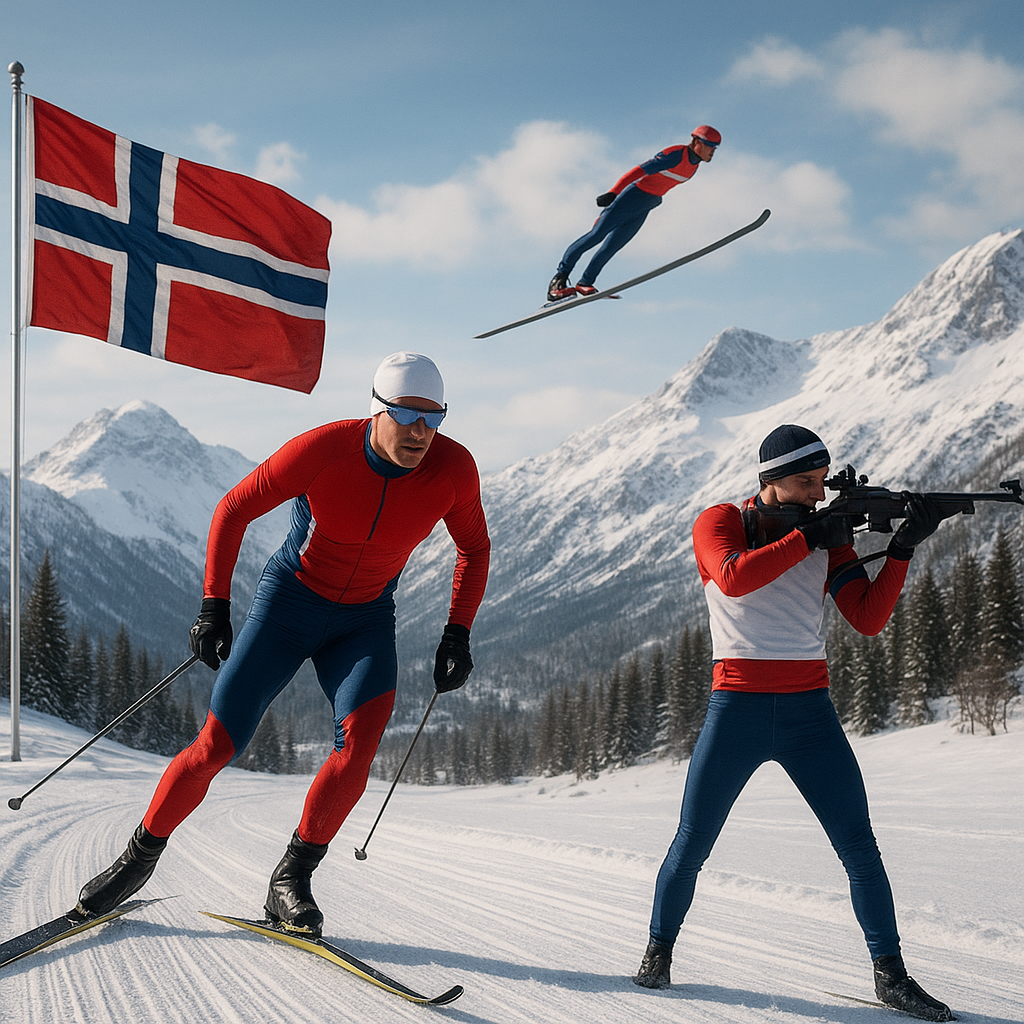
Norway’s strength is not confined to one discipline. It consistently produces world-class performers in cross-country skiing, biathlon, ski jumping, Nordic combined, and speed skating. This diversity stems from a shared base of aerobic fitness and outdoor skills that children develop in their early years.
Some athletes switch between sports as they grow, discovering that their talents fit better in one discipline than another. The system is flexible enough to support such transitions. Multi-sport participation in childhood is encouraged, helping prevent overuse injuries and keeping motivation high.
The result is a robust ecosystem where knowledge flows across disciplines. Coaches in different sports exchange information about **training**, technique, and psychology, raising the overall level of expertise.
Adapting to Climate and Social Change
Norway’s winter sports model faces new challenges, including climate change and urbanization. Shorter, warmer winters threaten natural snow reliability, especially at lower elevations. In response, communities and federations invest in artificial snow systems and higher-altitude venues while promoting sustainable travel and environmental awareness among athletes.
Meanwhile, larger urban populations mean that some children grow up farther from traditional mountain landscapes. To adapt, Norway expands urban ski trails, creates roller-ski circuits, and integrates more structured programs in cities. These adjustments aim to preserve the core values of friluftsliv and outdoor play in a changing world.
The willingness to innovate without abandoning fundamental principles is one reason Norway is likely to remain a winter powerhouse for years to come.
What Other Countries Can Learn
While not every nation has Norway’s geography, many elements of its approach are transferable. Emphasizing enjoyment, broad participation, and outdoor play in childhood can lay a powerful foundation for future success. Investing in local clubs, coaching education, and community-based programs helps create a wide base that supports elite performance at the top.
Another lesson is the importance of aligning culture, policy, and infrastructure. Norway’s schools, media, families, and governments all send similar messages: being active outdoors is healthy, meaningful, and socially valued. When that alignment exists, individual motivation multiplies, and talent has room to grow.
Finally, Norway shows that sustainable excellence rests on simple but demanding habits: consistent practice in real conditions, ethical standards, long-term planning, and respect for both body and environment. These principles can inspire any country looking to strengthen its relationship with winter and with sport itself.
Conclusion
Norway dominates winter sports because the entire society, from small villages to national institutions, works in harmony with its climate and traditions. Geography provides snow and mountains, but it is culture—shaped by friluftsliv, community clubs, strong education, and ethical values—that turns those raw materials into champions.
In the end, Norway’s story is less about chasing medals and more about living well in a cold land. When children grow up seeing winter as a friend, when families choose skis over sofas, and when public investment supports both participation and excellence, sporting success becomes a natural by-product. That is the quiet, powerful secret behind the country’s enduring lead in winter sports.