Embarking on a winter sports adventure in Norway offers a unique blend of adrenaline and breathtaking landscapes. Whether carving down alpine slopes, touring across frozen valleys, or ascending icy walls, the possibilities are endless. To make the most of your journey, it is crucial to combine skill development with thorough preparation and awareness of environmental conditions. The following sections explore popular disciplines, essential avalanche techniques, and logistical considerations for a safe and memorable trip.
Popular Winter Sports in Norway
Alpine Skiing
Alpine skiing remains one of Norway’s most cherished activities, offering everything from steep black runs to gentle beginner slopes. Resorts such as Hemsedal and Trysil feature world-class lifts, snowmaking systems, and terrain parks. Mastering proper technique involves a focus on body position, weight distribution, and edge control. First-timers should enroll in lessons to develop solid basics before tackling advanced runs.
Snowboarding
Snowboarding has surged in popularity among younger winter sports enthusiasts. With a single board underfoot, riders learn carving, jumping, and freestyle tricks in halfpipes and parks. Key factors for progression include developing balance, board control, and reading slope gradients. Protective gear—helmet, wrist guards, and impact shorts—enhances safety when learning aerial maneuvers.
Cross-Country Skiing
Cross-country skiing epitomizes Norway’s cultural connection to winter. Traversing scenic forests and frozen lakes, skiers build exceptional endurance and cardiovascular fitness. Trails are classified by difficulty, ranging from flat beginner loops to challenging uphill routes. Waxing techniques and proper pole placement help maintain glide efficiency, while clothing layers regulate body temperature during long treks.
Ice Climbing
For those seeking a vertical challenge, ice climbing in the Norwegian fjords and mountain valleys presents an unparalleled test of skill. Climbers use crampons, ice axes, and specialized ropes to ascend frozen waterfalls and ice formations. Critical training in anchor placement, rope management, and crevasse rescue is essential. A strong foundation in basic mountaineering techniques ensures safe progression to more technical ice routes.
Avalanche Safety Essentials
Understanding Avalanche Terrain
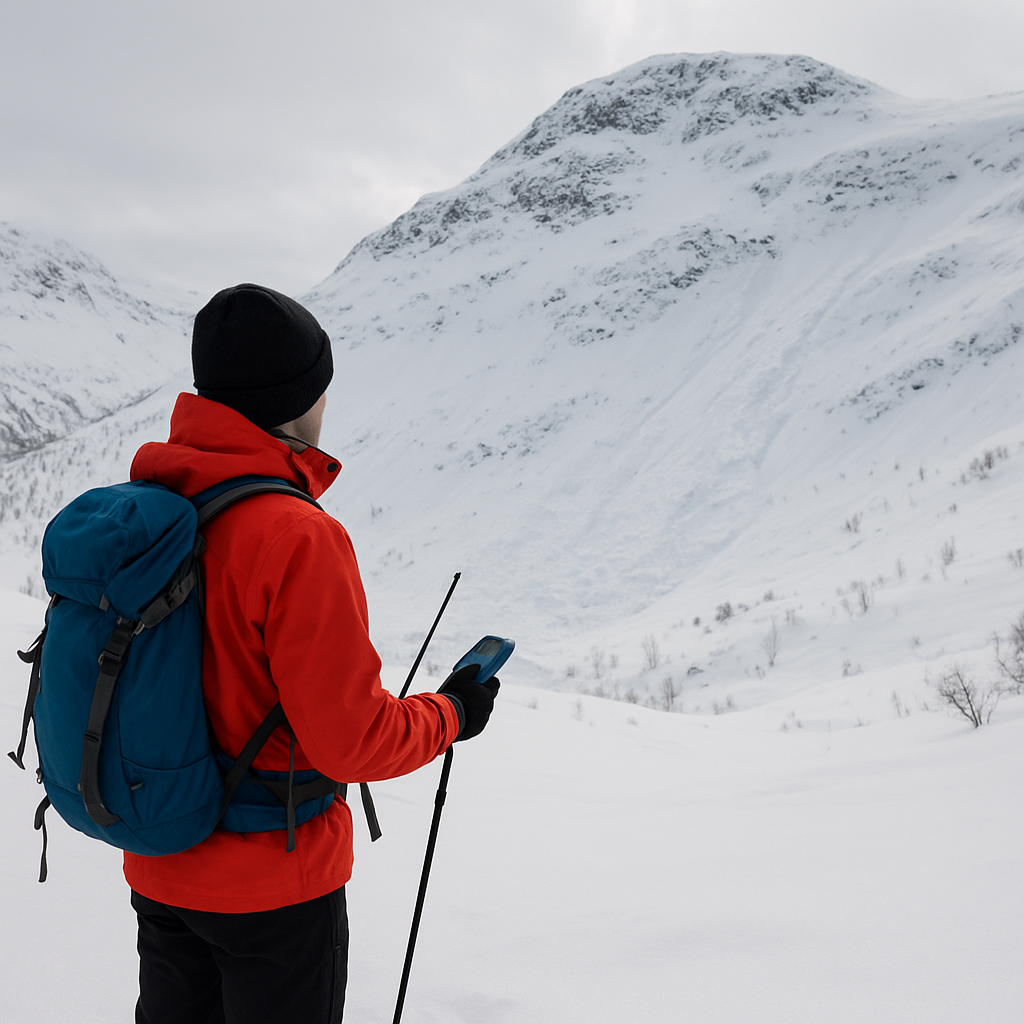
Recognizing potential avalanche zones is the first step in mitigating risk. Slopes between 30 and 45 degrees pose the greatest threat, especially after heavy snowfall or rapid temperature changes. Assessing snowpack stability involves digging snow pits and performing compression tests to detect weak layers. Maintaining safe travel patterns—such as one person on a slope at a time—minimizes exposure to avalanche danger.
Essential Safety Equipment
- Avalanche beacon: enables rapid navigation to buried victims
- Probe: pinpoints burial depth for quick excavation
- Shovel: metal design recommended for efficient snow removal
- Airbag backpack: increases chances of staying on the surface
- Two-way radio: maintains group communication in low visibility
Proper maintenance and regular battery checks ensure each piece of equipment functions when needed. Familiarity with beacon modes and search patterns can save precious minutes during a rescue.
Rescue Techniques
Swift, organized response dramatically improves outcomes after an avalanche. Teams should rehearse shoveling drills and beacon search patterns before venturing into the backcountry. Establishing a clear chain of command prevents confusion: a designated leader coordinates search, dig, and first aid. Basic wilderness medicine skills help treat hypothermia, fractures, and trauma until professional rescuers arrive.
Planning Your Winter Adventure
Weather and Conditions
Norway’s coastal and inland climates can vary significantly. Fjord regions often experience milder winters with frequent precipitation, while interior valleys see colder, drier conditions and stable powder. Monitoring forecasts for wind direction, temperature trends, and snowfall rates is critical. Local meteorological services and avalanche bulletins provide detailed reports on current terrain hazards.
Guided Tours and Training Courses
Joining a certified guide or enrolling in a mountain safety course offers invaluable hands-on experience. Professional instructors cover topics such as route planning, snow science, and emergency protocols. Many programs include practical sessions on beacon use, companion rescue, and weather interpretation. Investing in formal training builds confidence and reduces risk when venturing into unfamiliar areas.
Equipment and Maintenance
Selecting reliable gear and maintaining it properly ensures top performance throughout your expedition. Skis and boards require regular tuning—edge sharpening and base waxing—while bindings must be adjusted to your weight and ability level. Clothing layers should be moisture-wicking, insulating, and windproof. Always pack repair kits for on-the-go fixes and spare parts for critical items like buckles and straps.
Physical Conditioning and Nutrition
A rigorous fitness routine enhances your resilience against the demands of winter sports. Incorporate strength training for core stability and lower-body power, alongside aerobic workouts to boost stamina. Nutrition plays a pivotal role: high-quality carbohydrates replenish energy stores, while proteins support muscle recovery. Hydration remains essential even in cold climates, as dehydration can impair decision-making and physical performance.
Environmental Stewardship
Respect for the fragile alpine ecosystem is paramount. Following Leave No Trace principles—such as packing out all waste and staying on marked trails—minimizes ecological impact. Wildlife encounters require cautious distance to prevent disturbance. Sustainable travel practices ensure that future generations can continue to experience Norway’s pristine winter wonderland.