Norway’s vast winter landscapes invite enthusiasts to embrace the crisp air and glistening ice. From serene fjords to remote mountain plateaus, icy surfaces transform into natural arenas where locals and visitors pursue exhilarating pursuits. This article delves into the wonders of winter sports in Norway, offering insights into pristine frozen lakes, essential gear, cultural traditions, and tips for a safe, unforgettable adventure.
Nature’s Icy Arenas: Exploring Norway’s Frozen Surfaces
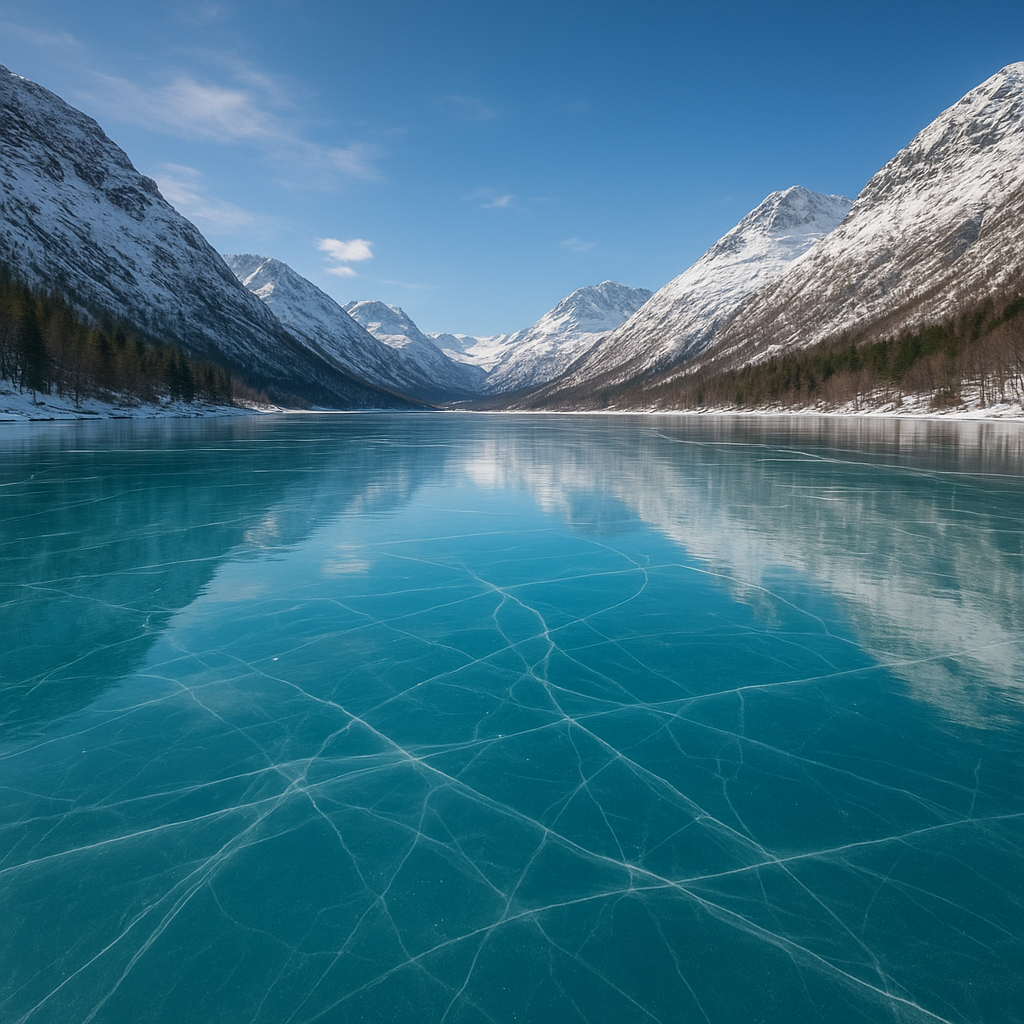
As winter tightens its grip, countless lakes and inlets across Norway freeze over, creating stunning playgrounds for skaters, hockey players, and adventurers. Here are some of the most renowned locations:
- Strandavatnet: Nestled in the Jotunheimen mountains, this high-altitude lake boasts crystal-clear ice and panoramic views of snow-clad peaks.
- Tyin: Close to the famous Filefjell road, Tyin’s broad surface offers long, uninterrupted tracks ideal for cross-country skating.
- Femunden: Norway’s third-largest lake, located in the southeast, often becomes a vast white expanse where ice fishing and skating coexist harmoniously.
- Randsfjorden: Easily accessible from Oslo, it features both safe skating zones and marked trails for recreational speed skating.
Each site presents unique challenges. Factors such as current flow, depth, and shoreline conditions influence ice thickness. Local authorities and outdoor clubs usually monitor ice safety, posting regular updates for visitors.
Essential Gear and Safety Measures for Lake Skating Adventures
Before stepping onto a frozen lake, proper preparation is vital. Quality equipment and awareness of potential hazards ensure a safe and enjoyable outing.
Skating and Protective Gear
- Skates: Look for blades designed for outdoor ice—wider profiles offer stability on uneven surfaces.
- Helmet: A well-fitted helmet reduces the risk of head injuries, especially when reaching higher speeds or exploring remote areas.
- Protective padding such as knee and elbow guards can guard against falls on hard ice.
- Layered clothing with moisture-wicking base layers and insulated outerwear keeps you warm and dry.
Safety Equipment and Precautions
- Ice picks or screwdrivers carried in a shoulder strap help you pull yourself out if you fall through thin ice.
- A whistle or a brightly colored bag can attract attention in case of emergency.
- Check ice thickness: aim for at least 10 cm of clear ice for solo skating; 15 cm for groups.
- Never skate alone; travel with a partner and stay within marked trails whenever possible.
Understanding signs of weak ice—such as cracking sounds, slushy patches, or spongy areas—can prevent accidents. Local sports clubs often offer guided trips for beginners, combining instruction in ice safety with scenic routes.
Cultural Traditions and Community Spirit
Winter sports in Norway extend beyond recreation—they’re woven into national identity. Events and gatherings celebrate both heritage and camaraderie.
- Opening Festivals: Many communities host annual “Ice Days” to inaugurate the skating season, featuring fun races and traditional folk dances on frozen lakes.
- Ice polo and pond hockey tournaments draw local teams, fostering friendly rivalries across villages.
- Family outings for winter picnics on the ice combine skating with local delicacies like smoked salmon, brown cheese, and hot blueberry juice.
- Younger generations learn ice safety and skating skills through school programs that start as early as preschool.
These activities strengthen the social fabric, promoting a shared respect for nature’s power and beauty. Witnessing grandparents skate alongside grandchildren on the same sheet of ice offers a glimpse into the cycle of tradition and endurance.
Health, Wellness, and the Thrill of Winter Sports
Engaging with winter’s chill provides both physical and mental benefits. Whether speeding across a lake or gliding through a forest trail, participants experience a unique blend of exertion and serenity.
- Cardiovascular Fitness: Skating and cross-country skiing boost heart health and improve stamina.
- Balance and coordination develop as skaters adapt to changing ice textures.
- Mental Well-being: Exposure to natural light during winter months combats seasonal affective disorder (SAD), while endorphin release from exercise lifts the mood.
- Group activities on frozen lakes enhance social interaction and build a sense of belonging.
Well-liked winter triathlons combine ice skating, skiing, and snowshoe running. These events attract athletes seeking a full-body challenge and the chance to explore multiple frozen landscapes in a single outing.
Capturing the Northern Lights and Scenic Wonders
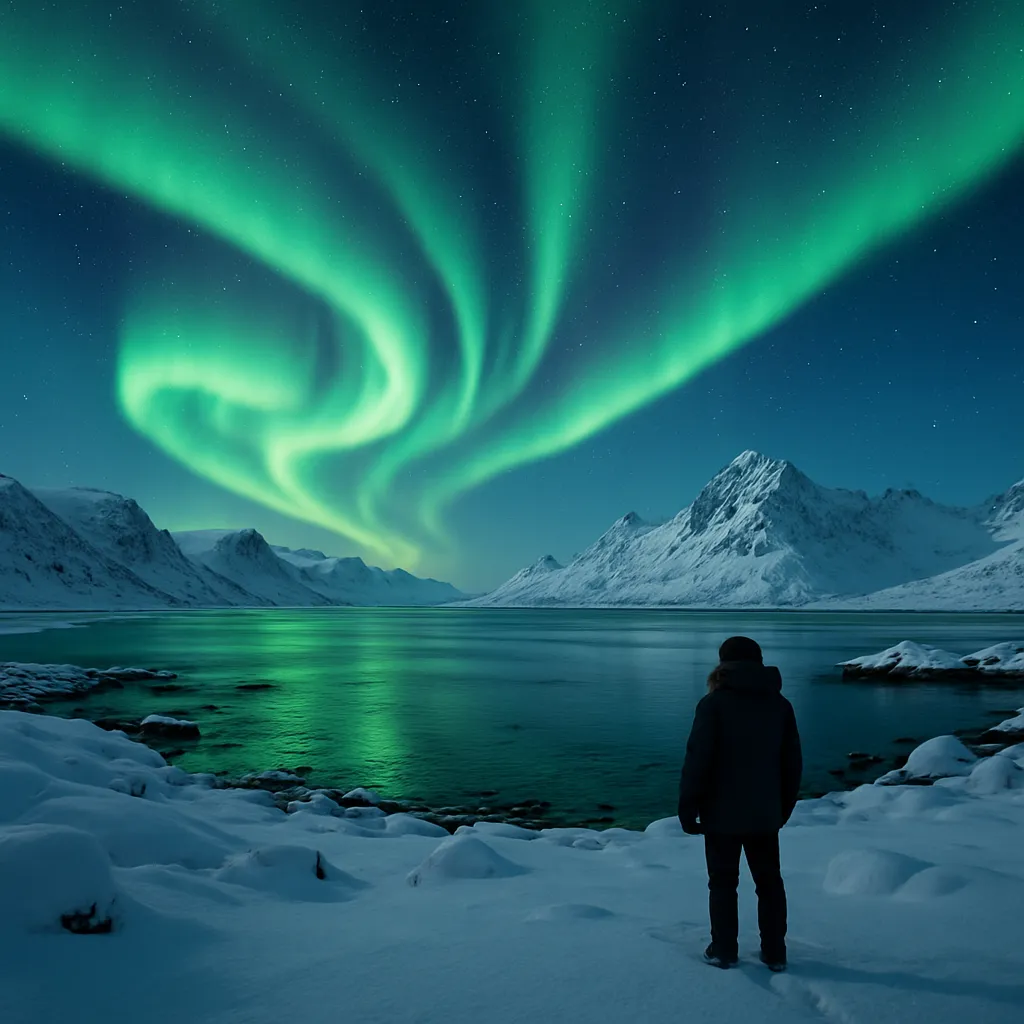
Beyond sports, Norway’s frozen lakes transform into photographic canvases under the aurora borealis. Late autumn and early spring offer prime conditions for witnessing this mesmerizing natural phenomenon.
Photography Tips
- Use a sturdy tripod to keep your camera still during long exposures.
- Select a wide-angle lens and an aperture around f/2.8 to f/4 for crisp images of the sky and reflective ice.
- Experiment with exposure times between 5 and 20 seconds, adjusting ISO as needed.
- Scout a composition before dark, incorporating shoreline features like trees, rocks, or ice formations.
Timing Your Trip
- Visit between November and March for extended dark hours and a higher likelihood of clear skies.
- Check aurora forecasts and local weather reports to plan optimal viewing windows.
- Combine your stay with guided night tours that include storytelling about Norse mythology and the science behind the lights.
Photographing ice crystals and rippling auroras in one frame captures the magical interplay of earth and sky, leaving visitors with indelible memories.
Sustainable Practices and Respect for Nature
Preserving Norway’s pristine environment is a shared responsibility. Sustainable winter sports practices help protect delicate ecosystems and ensure future generations can enjoy the same frozen paradises.
- Pack out all waste—food scraps, packaging, and used tissues—to keep frozen surfaces clean.
- Stick to designated trails to minimize impact on shoreline vegetation and wildlife habitats.
- Use eco-friendly wax and gear cleaning products to avoid contaminating water sources.
- Support local businesses that prioritize environmental stewardship, such as eco-lodges and community-run excursions.
Embracing the concept of “leave no trace” reflects a broader commitment to safeguarding the fragile balance between recreational enjoyment and conservation.
Planning Your Winter Sports Journey
Whether you seek leisurely scenic glides or heart-pounding speed laps, Norway’s frozen lakes promise diverse experiences. Advance planning ensures the best possible adventure:
- Book accommodations early in popular regions like Jotunheimen and Røros during peak season.
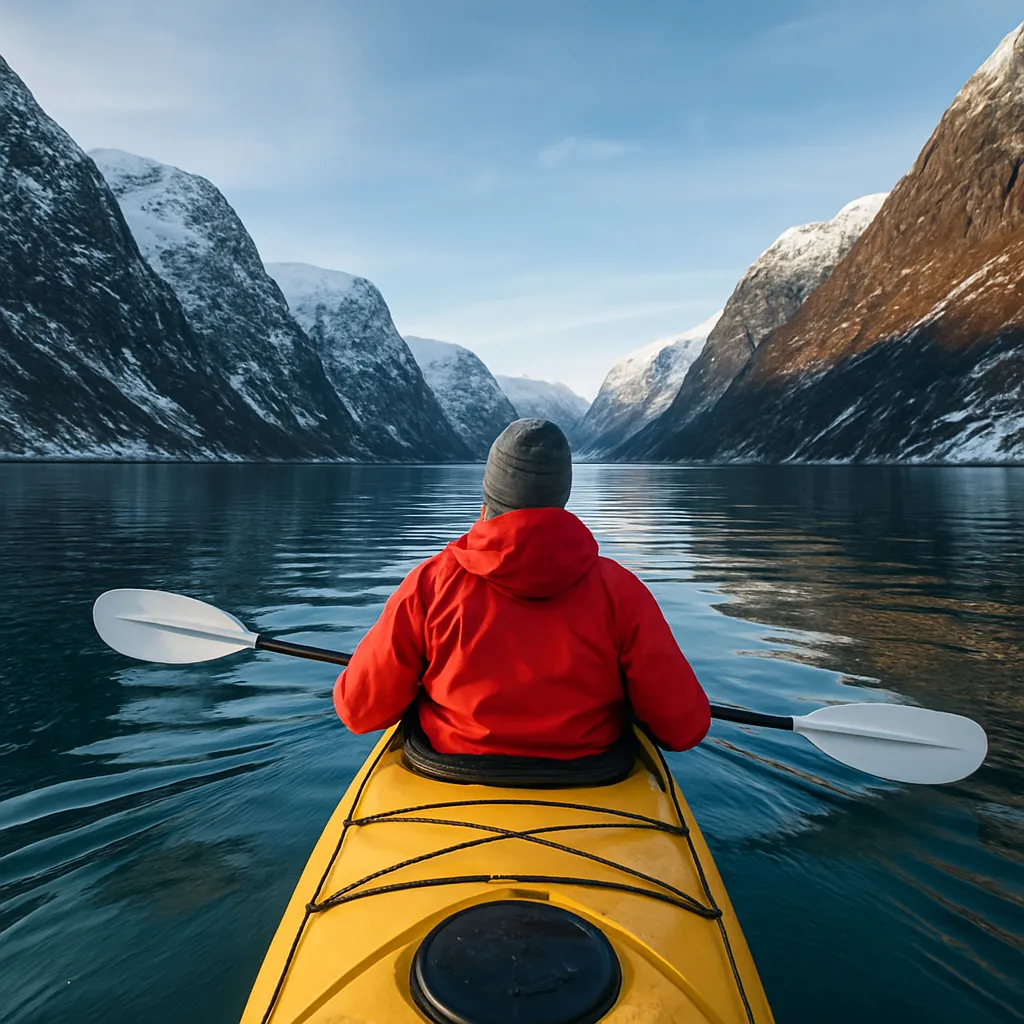
- Coordinate with local guides for multi-day excursions, combining ice skating with winter hiking and fjord cruising.
- Invest in travel insurance that covers winter activities and emergency evacuation.
- Learn basic Norwegian phrases to connect with hosts and fellow adventurers.
By preparing thoroughly and respecting local customs and nature, you’ll unlock the full spectrum of winter wonders—transforming frozen lakes into arenas of unforgettable adventure and discovery.