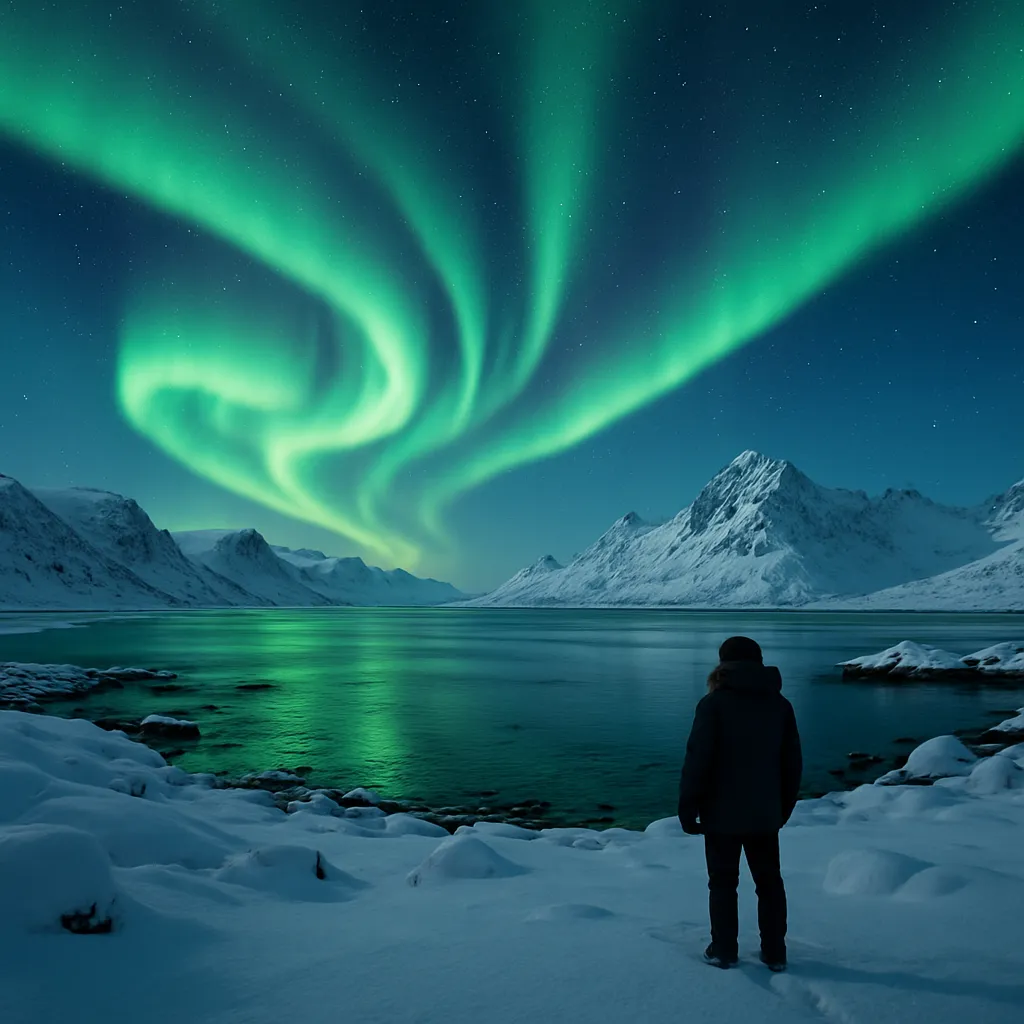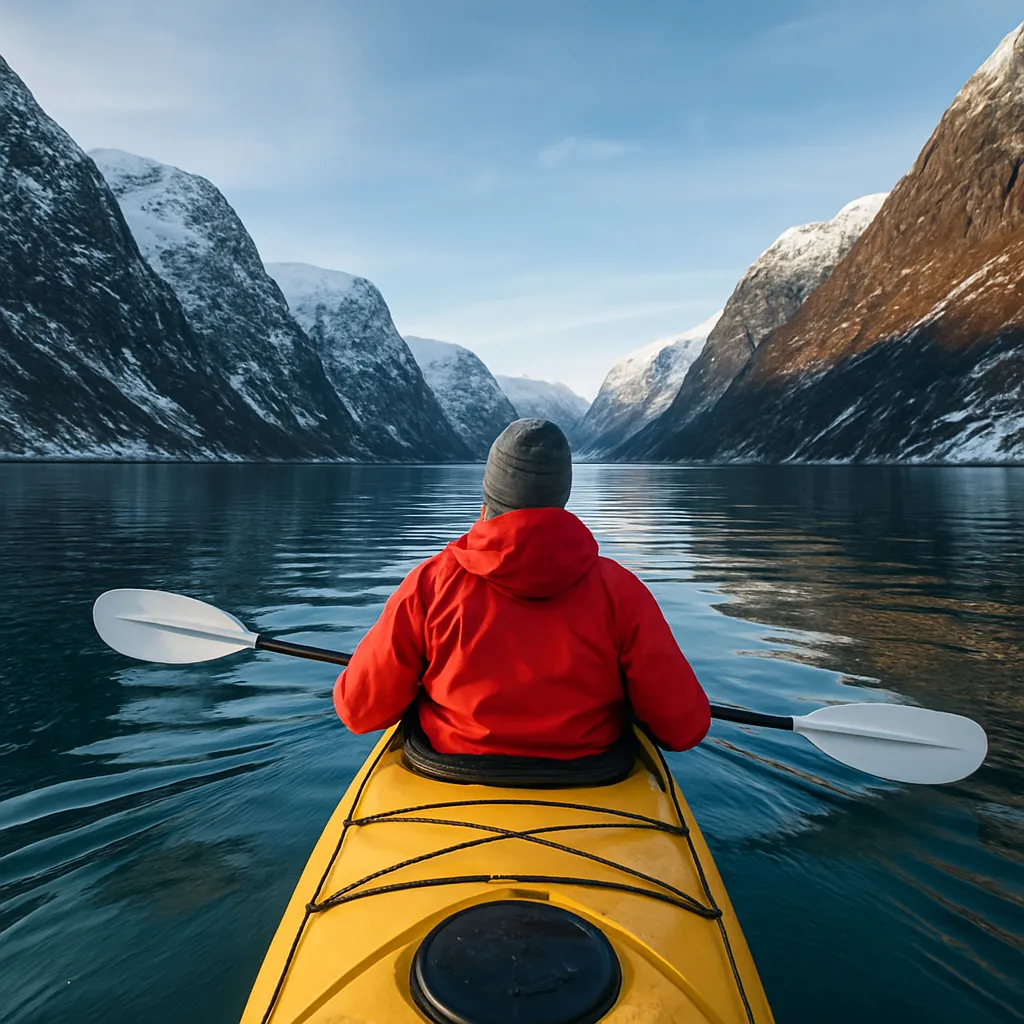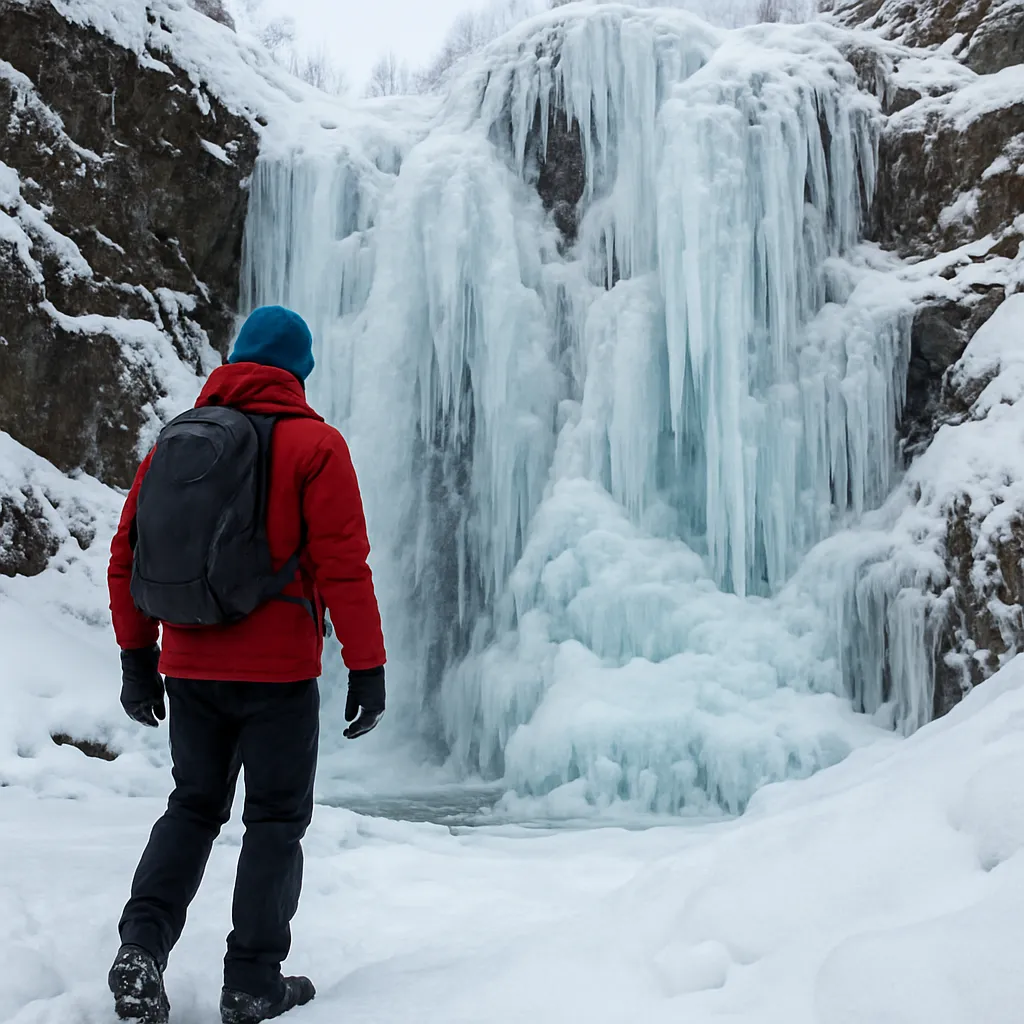
Embarking on a journey through the pristine landscapes of winter unveils a realm of excitement, challenge, and unparalleled beauty. From the adrenaline rush of speeding down snow-covered slopes to the serene exploration of frozen waterfalls, winter sports offer something for every thrill-seeker and nature lover. This article delves into various aspects of winter sports, shedding light on their diversity, the preparation required, essential safety guidelines, and the specialized adventure of exploring Norway’s frozen waterfalls.
Types of Winter Sports and Their Unique Appeals
The world of winter sports encompasses a wide spectrum of activities, each demanding distinct skills and offering unique experiences. Understanding the variety helps enthusiasts choose pursuits that align with their interests and physical capabilities.
Skiing Disciplines
- Alpine skiing: The classic downhill descent is renowned for its speed and technique. Skiers navigate groomed runs and challenging slopes, honing their agility and balance.
- Freestyle skiing: Emphasizing aerial tricks and park features, this discipline demands creativity and spatial awareness. Athletes perform jumps, rails, and halfpipe routines.
- Cross-country skiing: Known for building endurance, it involves traversing long distances across varied terrain. This low-impact sport is perfect for those who enjoy a steady pace and scenic routes.
Snowboarding Variations
- Freeride snowboarding: Riders explore off-piste areas filled with untouched powder, testing their ability to navigate unpredictable terrain.
- Halfpipe and slopestyle: Much like freestyle skiing, these events center around performing tricks on ramps and obstacles, requiring precision and courage.
Alternative Winter Pursuits
- Ice skating: From leisurely glides on frozen lakes to competitive figure skating, this sport enhances grace and coordination.
- Snowshoeing: A low-barrier activity that enables adventurers to trek through deep snow, discovering hidden valleys and forests.
- Ice climbing: Scaling frozen waterfalls marries the thrill of mountaineering with technical prowess. This specialized pursuit will be explored further in a dedicated section.
Preparing and Training for Winter Adventures
To fully embrace the challenge of winter sports, proper preparation is indispensable. A structured training regimen and strategic planning significantly reduce injury risks and enhance performance.
Physical Conditioning
- Strength training: Focus on core muscles, quads, and hamstrings to maintain stability during high-impact activities.
- Cardiovascular workouts: Running, cycling, or swimming build the endurance necessary for extended sessions in cold environments.
- Flexibility and balance: Incorporating yoga or Pilates helps prevent strains and improves agility on slick surfaces.
Mental Readiness
Winter sports often involve unpredictable conditions. Cultivating a resilient mindset ensures participants remain calm under pressure. Visualization techniques and goal-setting foster confidence when confronting challenging runs or steep ice faces.
Technical Skill Development
- Lessons and clinics: Enrolling in professional courses accelerates mastery of techniques like carving turns, edging on ice, and efficient movement.
- Progressive practice: Gradually increasing difficulty levels—whether steeper slopes, tighter moguls, or intricate ice routes—builds competence safely.
Essential Safety Equipment and Guidelines
Adherence to safety protocols and the use of high-quality equipment are crucial in reducing the hazards inherent to winter sports. The following items form the backbone of any winter adventurer’s kit.
Protective Gear
- Helmet: Designed for both skiing and snowboarding, a helmet safeguards against head injuries during falls or collisions.
- Goggles: UV protection and anti-fog lenses ensure clear vision, vital for navigating ever-changing light and weather conditions.
- Padded clothing: Jackets, pants, and gloves with built-in padding or reinforced panels minimize the impact of falls.
Specialized Equipment
- Avalanche safety kit: In backcountry environments, carrying a beacon, probe, and shovel can mean the difference between life and death.
- Climbing harness and ice tools: For ice climbing, a secure harness, crampons, and dual ice axes allow for controlled ascents on frozen walls.
- Proper boots: Insulated, stiff-soled boots provide support and warmth, essential for both downhill and cross-country activities.
Environmental Awareness
Understanding mountain weather and avalanche forecasts empowers participants to make informed decisions. Working with certified guides or local authorities ensures access to up-to-date information on snowpack stability and trail conditions.
Exploring Norway’s Frozen Waterfalls Safely
Norway’s dramatic landscapes are home to some of the most breathtaking frozen waterfalls in the world. Ice climbing these majestic formations blends physical exertion with a sense of adventure unmatched by other winter sports.
Choosing the Right Route
- Gradation of difficulty: Routes are rated from easy to expert. Beginners should start on lower-grade climbs with solid ice and gentle angles.
- Local knowledge: Hiring a professional guide with expertise in Norwegian ice routes ensures access to the most suitable and safe climbs.
Technique and Best Practices
- Tool placement: Driving ice axes securely into stable ice reduces the risk of slippage. Focus on placing tools precisely and cleaning ice before each placement.
- Footwork: Proper use of crampons—kick-stepping and maintaining three points of contact—increases stability.
- Resting positions: Learning efficient stances to conserve energy and maintain balance on vertical walls is essential for longer climbs.
Risk Management and Emergency Response
Despite meticulous planning, unforeseen events can occur. Establishing clear communication signals with your climbing partner allows for rapid assistance. Carrying a compact first-aid kit and knowing how to treat common injuries—frostbite, sprains, and lacerations—ensures you are equipped to respond effectively.
Key Safety Tips:
- Always test ice thickness and stability before committing to a climb.
- Avoid climbing during rapid temperature fluctuations that can destabilize ice.
- Maintain clear visibility of your partner and route at all times.
Conclusion
Winter sports open a gateway to some of the planet’s most iconic landscapes and offer challenges that stretch both body and mind. Whether sliding down a groomed piste, navigating backcountry powder, or ascending a frozen waterfall, careful preparation, the right gear, and respect for nature’s forces ensure that every adventure remains thrilling and safe. Embrace the spirit of the season, hone your skills, and set out on a winter journey you’ll never forget.