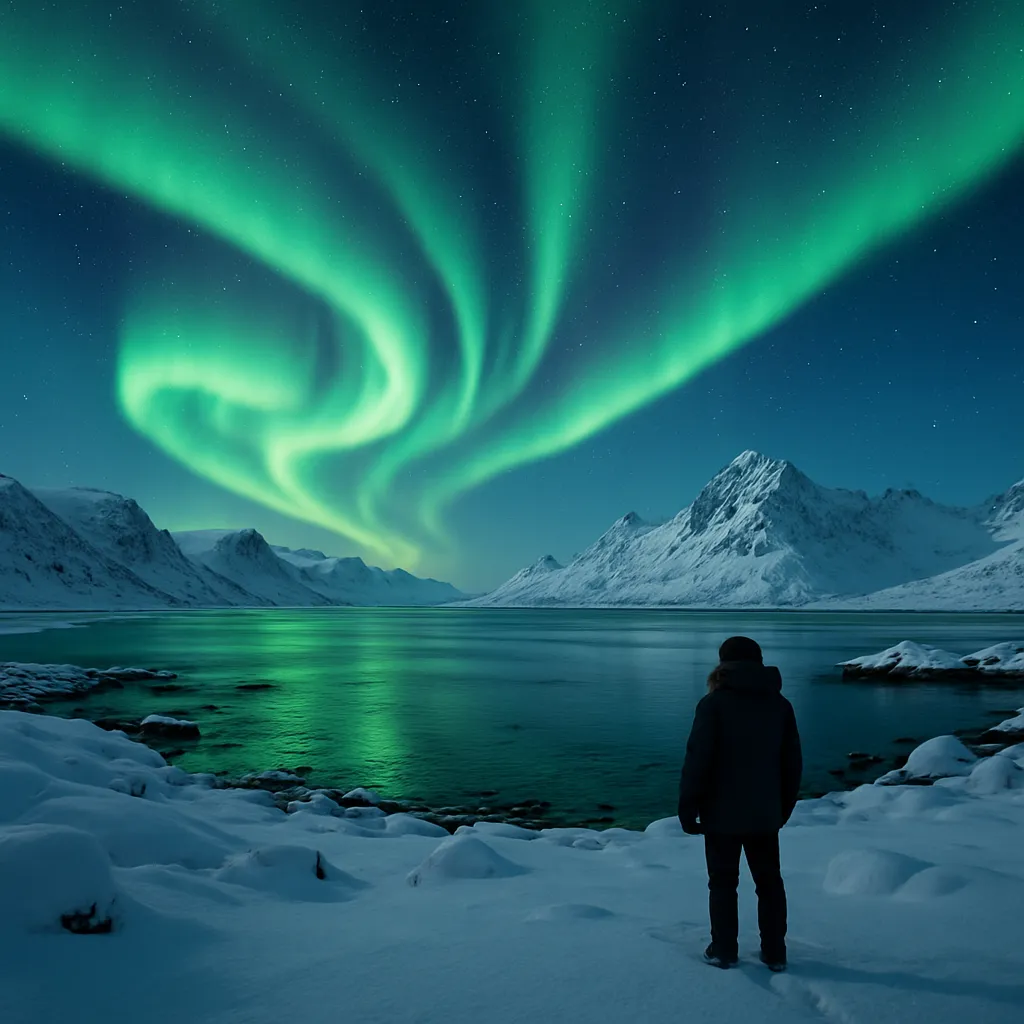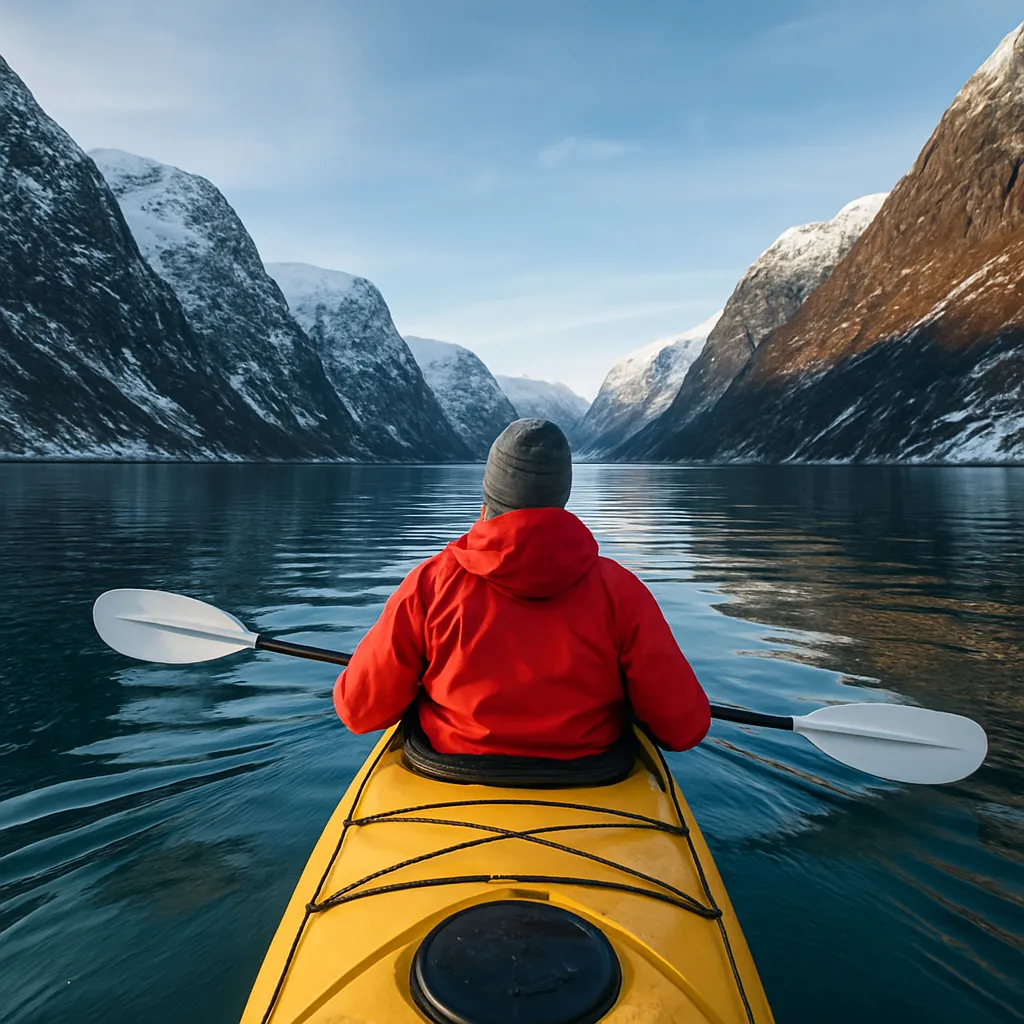
As winter’s frost transforms mountains and valleys into crystalline wonderlands, the realm of snow and ice becomes an open invitation to those who seek both serenity and exhilaration. From the graceful glide of skates on frozen lakes to the heart-pounding rush of hurtling down a slope at breakneck speed, winter sports offer a diverse tapestry of experiences. Whether you’re a seasoned athlete chasing the next rush or a newcomer eager to explore, the snowy season has something to ignite your passion.
Winter Sports: A Thrilling Adventure
Alpine Skiing and Snowboarding
Few activities deliver the signature combination of speed and precision quite like alpine skiing and snowboarding. These downhill disciplines demand not only physical strength and balance but also mental acuity to navigate variable terrain. Enthusiasts often describe the sensation as adrenaline-fuelled freedom, carving perfect arcs through powdery slopes. Proper stance, edge control, and weight distribution form the foundation of effective turns, while dynamic body movements help maintain stability at high velocities.
- Technique: Mastering parallel and carving turns for smoother runs.
- Safety: Wearing helmets, goggles, and protective gear to reduce injury risk.
- Equipment: Choosing skis or boards suited to skill level and snow conditions.
- Terrain parks: Jumps, rails, and half-pipes offer opportunities for aerial tricks.
- Backcountry expeditions: Exploring unmarked zones requires avalanche training.
Cross-Country Skiing and Nordic Pursuits
While downhill sports focus on gravity’s pull, cross-country skiing channels human power across frozen landscapes. This endurance discipline engages both upper and lower body in a rhythmic motion, simulating a combative dance with the snow. Trails wind through forested glades and wide-open plains, inviting skiers to appreciate the silence of winter. Mastery of classic and skate-ski techniques enhances speed, while choosing the right wax under the skis ensures optimal glide.
- Classic style: Glide-and-kick motion on prepared tracks.
- Skate skiing: V-shaped strides on groomed surfaces for higher speeds.
- Biathlon: Combining cross-country skiing with marksmanship.
- Fat biking: Mountain biking on snow with oversized tires.
Ice Skating and Hockey
On frozen ponds or indoor rinks, skaters trace graceful patterns, propelled by the frictionless interaction between steel blades and smooth ice. Figure skaters execute jumps, spins, and intricate footwork, all while maintaining artistic expression. In contrast, ice hockey demands split-second passes, powerful strides, and physical collisions. Both variations challenge balance, coordination, and agility, making every glide a testament to human resilience on slippery surfaces.
- Figure skating: Balancing performance with technical precision.
- Speed skating: Pushing for fraction-of-a-second improvements in time trials.
- Recreational skating: Local rinks and frozen lakes welcome all skill levels.
Gear and Preparation for the Slopes
Layering Systems and Apparel
Proper clothing is the first line of defense against biting winds and subzero temperatures. Adopting a multi-layer approach helps regulate body heat during high-intensity activity. A moisture-wicking base layer keeps skin dry, while insulation layers trap warmth. The outer shell should be waterproof and breathable to shield against snow, sleet, and gusty winds. Accessories such as neck gaiters, insulated gloves, and thermal socks complete the ensemble, ensuring that athletes remain comfortable during extended outdoor sessions.
Essential Equipment
Choosing the right gear starts with understanding individual needs and local conditions. For downhill adventures, ski boots that fit snugly around the foot and ankle provide precise control. Bindings must release reliably during falls to prevent injuries. Snowboards come in various widths and flex patterns; beginners often favor medium-flex boards for their forgiving nature and ease of turn initiation. Cross-country participants require lightweight poles and skis, with angled tips to facilitate grip on snow.
- Rescue tools: Avalanche transceivers, probes, and shovels for backcountry travel.
- Maintenance: Regular edge sharpening and wax application extend equipment lifespan.
- Fitness training: Core strength and cardiovascular conditioning reduce fatigue.
- Nutrition: Balanced meals rich in carbohydrates and proteins support endurance.
Safety and Risk Management
An informed athlete approaches every outing with respect for the elements. Monitoring weather forecasts, avalanche bulletins, and terrain warnings can mean the difference between a memorable day and a dangerous predicament. Ski resorts enforce slope classifications—green, blue, red, black—to communicate difficulty levels. On ungroomed terrain, carrying a personal locator beacon and traveling with a partner enhances community support and facilitates swift rescues. Lessons from qualified instructors build confidence and reduce accident rates, especially for beginners tackling their first runs.
Embracing Winter Culture Beyond the Ski Resort
Festivals and Celebrations
Across the globe, communities celebrate winter’s arrival with vibrant festivals. Ice sculpture contests transform city squares into temporary galleries, showcasing artists’ skill at carving blocks of translucent ice. Lantern-lit processions meander through snow-laden streets, while open-air markets offer warm beverages and handcrafted goods. Ski resorts often host night races under floodlights, combining competitive spirit with festive flair. These events foster a sense of belonging and pay homage to centuries-old traditions.
- Winter carnivals: Parades, outdoor concerts, and local cuisine.
- Polar plunges: Tormented warmth for a charitable cause.
- Ice climbing festivals: Demonstrations and guided ascents on frozen waterfalls.
Unique Accommodations and Après-Ski
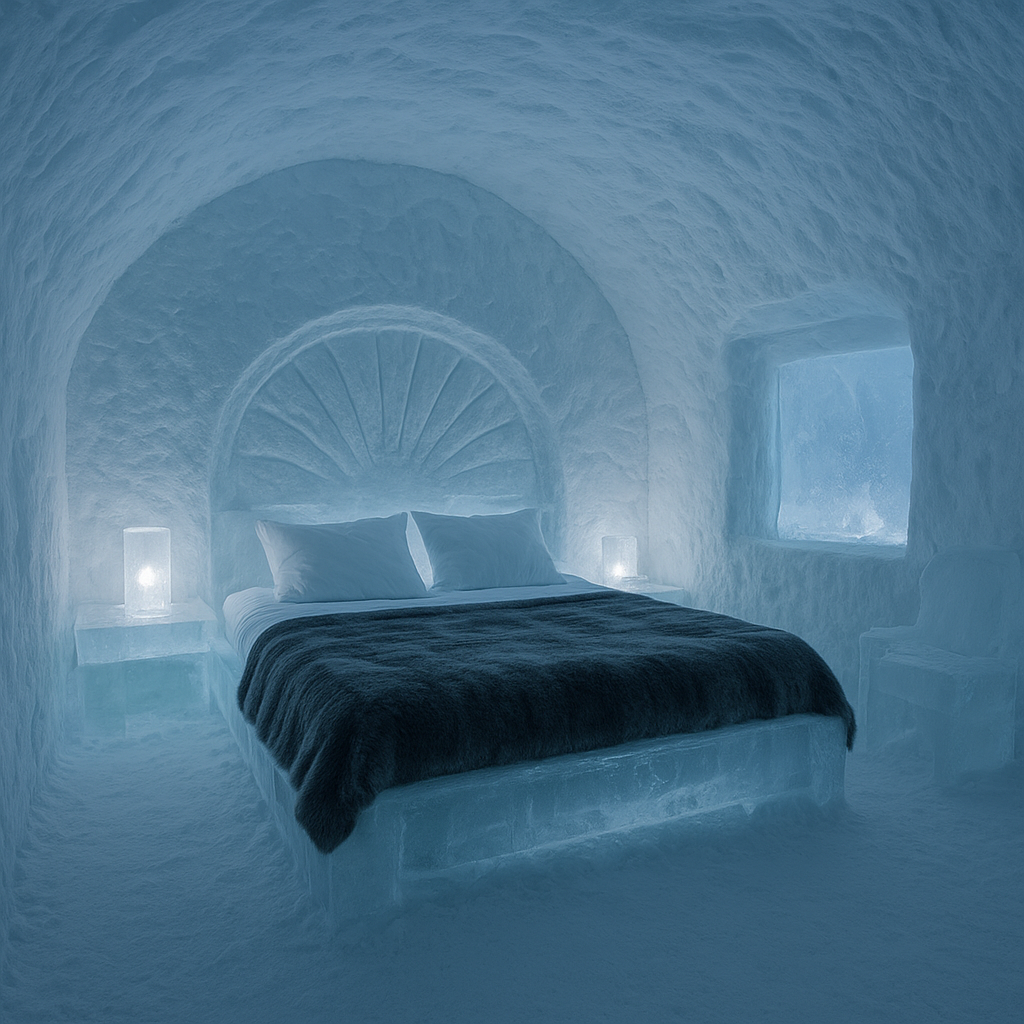
For travelers seeking immersive experiences, ice hotels crafted entirely from compacted snow and sculpted blocks offer an unforgettable night’s stay. Furnishings made of ice, cozy reindeer pelts, and thermally regulated sleeping bags ensure both novelty and comfort. Après-ski culture, by contrast, thrives in cozy lodges and mountain cabins. Patrons swap stories over mulled wine, hearty stews, and live folk music, forging new friendships from shared excitement on the slopes.
The Science Behind Ice and Snow
Formation of Snow Crystals
Snowflakes originate from microscopic water droplets freezing around dust particles high in the atmosphere. Temperature and humidity fluctuations yield a dazzling variety of crystal shapes—plates, needles, dendrites—each reflecting ambient conditions at formation. These intricate patterns influence how snow accumulates and compacts, affecting everything from skiing conditions to avalanche potential. Understanding the science behind snow morphology aids in predicting slope stability and optimizing ski wax selection.
Physics of Friction and Glide
The seemingly frictionless journey across snow relies on a thin film of water that forms under the pressure of skis or blades. This melting layer reduces resistance, enabling smooth gliding. Material scientists continually develop base compounds and edge designs to balance speed with control. In ice skating, blade geometry—hollow depth and rocker radius—determines how the skate grips or releases the ice surface. Athletes fine-tune equipment settings, achieving the delicate equilibrium between traction and low friction that supports peak performance.
Physiology in Cold Environments
Cold exposure triggers physiological adaptations aimed at preserving core temperature. Peripheral blood vessels constrict, reducing heat loss in extremities while shivering generates additional warmth through involuntary muscle contractions. Proper acclimatization, nutrition, and hydration are crucial to maintaining physical output during prolonged winter activities. Mental resilience also plays a role: overcoming discomfort fosters confidence for tackling challenging conditions, whether carving down steep pitches or enduring a multi-hour cross-country trek.
In every frost-covered peak, frozen trail, and rink of gleaming ice lies the promise of discovery. Engaging with winter sports invites us to test personal limits, embrace nature’s quiet grandeur, and become part of a global community united by passion. The lessons learned on snow—about balance, preparation, and mutual support—extend well beyond the season, enriching lives year-round.