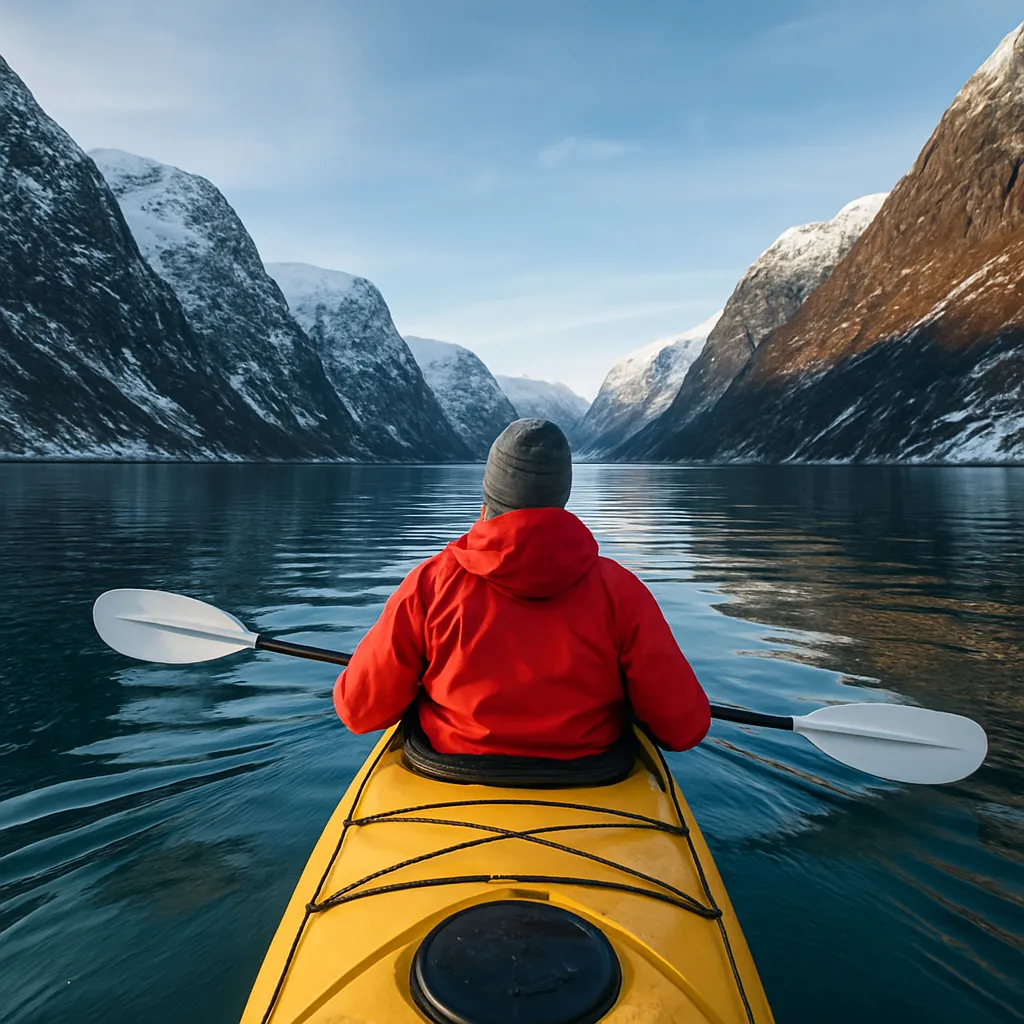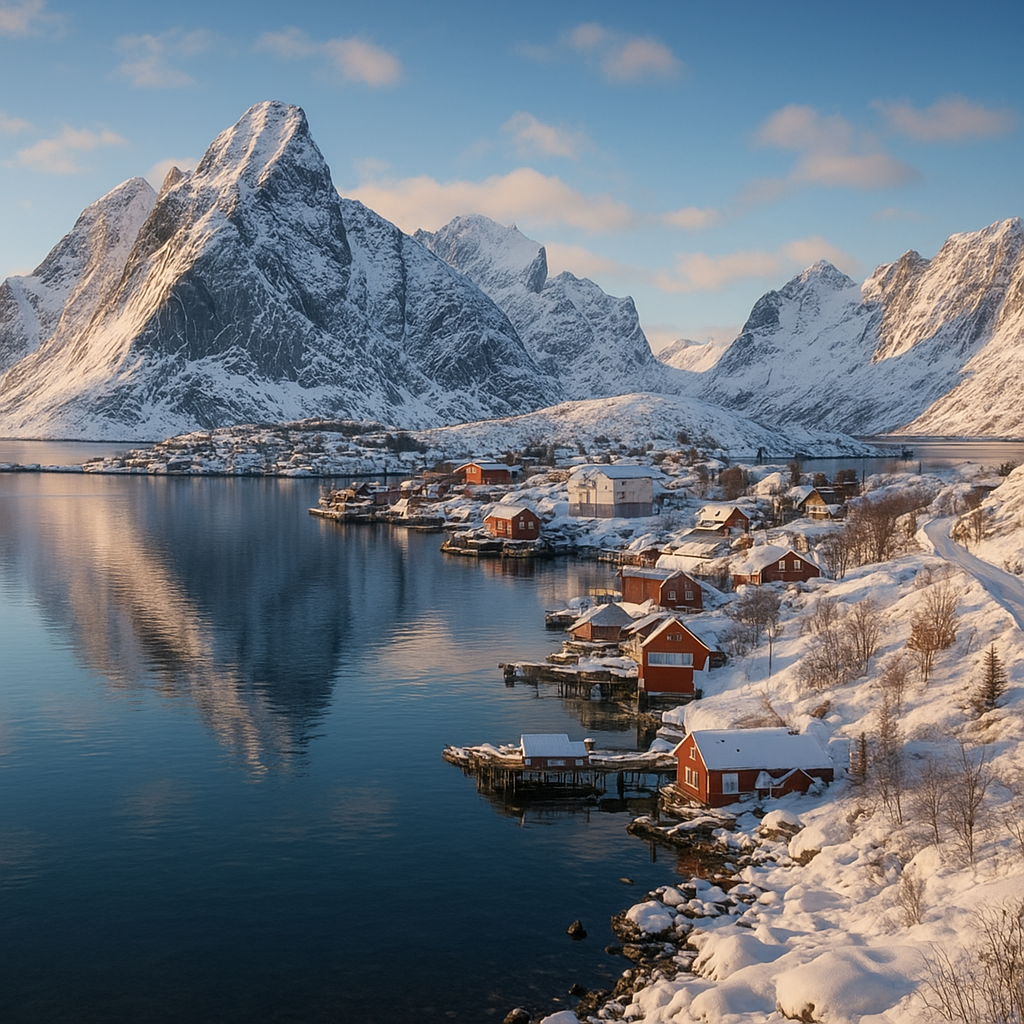
Winter sports awaken a sense of adventure and challenge within athletes and enthusiasts alike. From the crisp rush of downhill skiing to the graceful glide of ice skating, these activities blend physical prowess with the serene beauty of frozen landscapes. This article explores various aspects of winter sports, offering insights into essential gear, safety considerations, top destinations, and the science that fuels each exhilarating experience.
Exploring Popular Winter Sports Disciplines
The world of winter sports encompasses a diverse range of disciplines, each offering its own unique blend of excitement and technical demand. Whether you crave the needle-sharp turns of alpine skiing or the high-flying acrobatics of snowboarding, there is a discipline to suit every taste.
- Skiing: One of the most traditional winter sports, skiing branches into downhill, cross-country, and freestyle variants. Downhill skiing thrives on speed and precision, while cross-country emphasizes endurance and technique over rolling terrain.
- Snowboarding: Originating in the 1960s, snowboarding has grown into a mainstream discipline. From carving wide turns on groomed slopes to tackling halfpipe and big air competitions, riders employ both balance and courage.
- Ice Skating and Figure Skating: Beyond the recreational ice rink, figure skaters combine athleticism with artistry, weaving intricate choreography to music as they perform jumps and spins on ice.
- Ice Hockey: A fast-paced, team-oriented sport played on an ice rink, ice hockey demands lightning-fast reflexes and strategic teamwork.
- Bobsleigh and Luge: These gravity-powered sports test competitors at extreme speeds as they maneuver streamlined sleds through twisting ice tracks.
- Snowshoeing and Winter Hiking: Perfect for those seeking a quieter communion with nature, snowshoeing allows adventurers to traverse deep snow and remote trails with ease.
Essential Gear and Equipment for Winter Sports
Proper equipment is the backbone of a successful winter sports outing. Investing in high-quality gear not only enhances performance but also drastically improves safety. Below is an overview of crucial items and their roles:
- Skis, Snowboards, or Skating Blades – Tailored to skill level and discipline. Beginners benefit from softer flex patterns, while pros often prefer stiffer options for greater control.
- Boots and Bindings – The interface between athlete and equipment. A snug, comfortable fit ensures efficient power transfer and reduces the risk of injury.
- Protective Apparel – Helmets, padded jackets, and protective shorts guard against falls and collisions. Choosing gear with proper insulation and ventilation balances warmth with mobility.
- Layering Systems – A moisture-wicking base layer, insulating mid-layer, and waterproof outer shell create a versatile system that adapts to shifting weather conditions.
- Safety Tools – Avalanche transceivers, probes, and shovels are essential for backcountry skiers and snowboarders. Mastering these devices can be a matter of life and death in remote mountain terrain.
- Goggles and Sunglasses – Eye protection guards against UV rays, wind, and snow glare. Lenses designed for low-light or bright conditions optimize visibility.
Safety and Risk Management in Snow and Ice
While winter sports bring exhilaration, they also carry inherent risks. A strong commitment to safety and informed decision-making transforms potential hazards into manageable challenges.
Avalanche Awareness
Avalanche incidents account for a significant proportion of backcountry emergencies. Understanding snowpack stability and terrain traps is critical. Key safety practices include:
- Checking avalanche bulletins and local forecasts before venturing out.
- Taking certified avalanche courses to learn hazard assessment and companion rescue techniques.
- Traveling with a group and maintaining visual or voice contact in challenging conditions.
On-Slope Etiquette and Emergency Preparedness
All slope users share responsibility for maintaining a safe environment. Simple guidelines elevate safety for everyone:
- Maintain control and adjust speed according to traffic, terrain, and weather.
- Yield to downhill riders, who have the right of way.
- Carry a compact first-aid kit and know basic lifesaving maneuvers for frostbite or hypothermia.
Top Winter Sports Destinations Around the Globe
For athletes seeking world-class terrain, these destinations have earned reputations as winter sports meccas:
The European Alpine Circuit
The Alps stretch across eight countries, offering a vast network of ski resorts. From the steep chutes of Chamonix in France to the groomed pistes of St. Anton in Austria, this region blends cultural richness with thrilling slopes.
North American Mountains
The Rocky Mountains and Pacific Coast Ranges host renowned resorts such as Whistler Blackcomb (Canada) and Aspen Snowmass (USA). Powder-hungry skiers dream of deep snowfall and varied terrain, from tree runs to backcountry bowls.
Scandinavian Wilderness
For those craving solitude and pristine landscapes, Norway, Sweden, and Finland deliver cross-country trails and ski touring routes beneath the aurora borealis. Combine skiing with dog sledding or ice fishing for a truly immersive experience.
Asian High-Altitude Gems
Emerging winter sports hubs in Japan and South Korea offer consistent powder and modern facilities. Hakuba Valley and Niseko in Japan attract international visitors with abundant snowfall and vibrant cultural experiences.
The Science and Physiology Behind Winter Sports
Winter sports demand a fusion of strength, agility, and energy management. Understanding the underlying principles can optimize training and performance.
Energy Systems and Endurance
Activities like cross-country skiing and snowshoeing rely heavily on aerobic endurance. Athletes train through interval workouts, long-distance sessions, and altitude acclimation to boost stamina.
Balance, Coordination, and Proprioception
Sports such as snowboarding and figure skating test the body’s ability to maintain equilibrium on dynamic surfaces. Exercises on balance boards, stability balls, and agility ladders sharpen neuromuscular connections.
Strength and Plyometrics
Downhill skiing and ice hockey require explosive power for rapid direction changes and jumps. Weightlifting, plyometric drills, and resistance training focus on the quadriceps, glutes, and hip stabilizers.
Training Tips and Conditioning for Winter Athletes
Off-season preparation lays the groundwork for success on snow and ice. A balanced training regimen addresses strength, flexibility, and injury prevention.
- Core Stability: A robust core supports posture and control. Planks, medicine ball twists, and Pilates exercises build a stable midsection.
- Flexibility and Mobility: Yoga and dynamic stretching reduce muscle tension and improve joint range of motion, enhancing recovery between sessions.
- Cardiovascular Conditioning: Incorporating cycling, swimming, and running builds heart and lung capacity to sustain high-altitude efforts.
- Sport-Specific Drills: Skate skiing, dryland rollerboarding, and inline skating mimic on-snow movements while refining technique.
Cultural and Social Aspects of Winter Sports
Beyond physical challenges, winter sports foster community and tradition. Annual events like the Winter Olympics and the X Games captivate global audiences, while local ski clubs and mountain lodges cultivate camaraderie among participants.
- Festivals and Races: From the Holmenkollen Ski Festival in Norway to the World Cup circuit for alpine events, these gatherings celebrate athletic achievement.
- Lodge Culture: After a day on the slopes, skiers and snowboarders converge in cozy chalets for hot beverages, live music, and storytelling.
- Environmental Stewardship: Many resorts promote sustainable practices, engaging guests in snowpack conservation and wildlife protection.