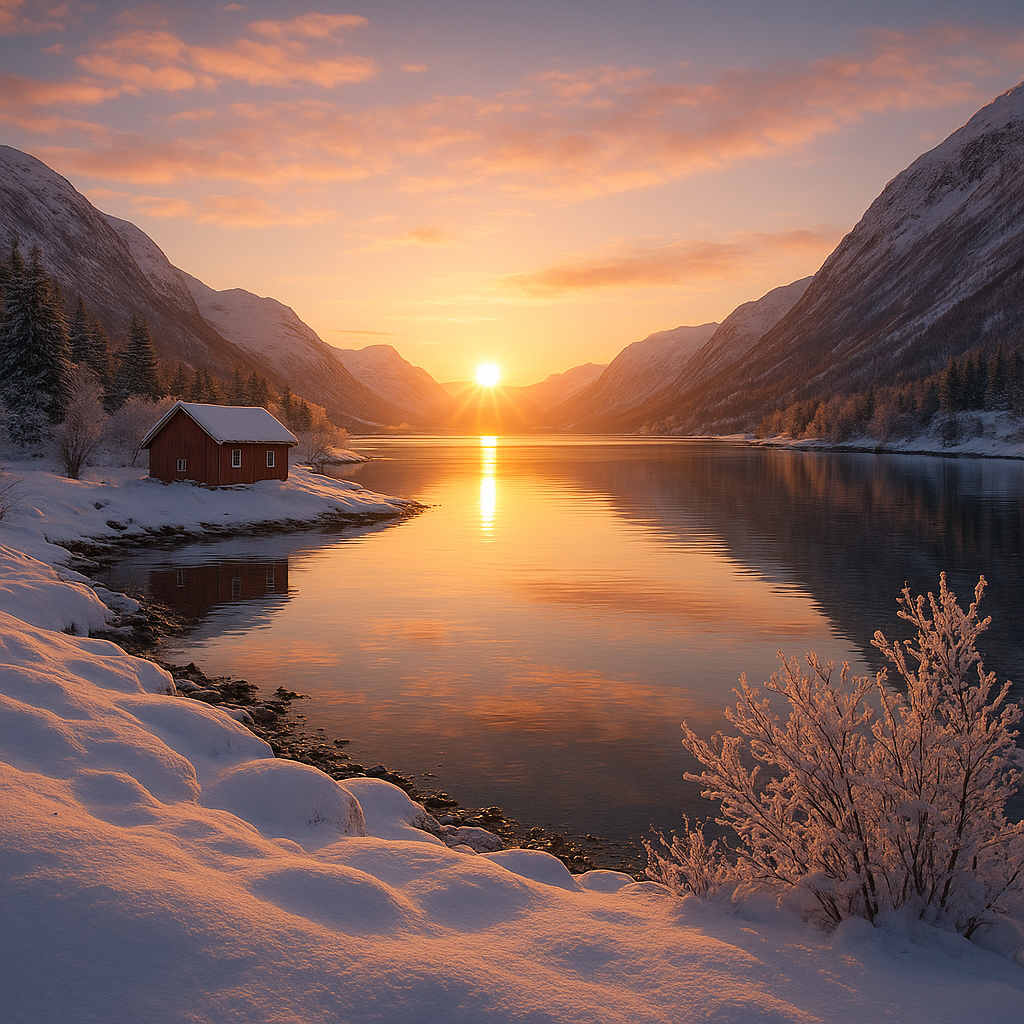
Witnessing a Norwegian winter sunrise is more than a visual spectacle; it ignites a spirit of adventure and sets the tone for exhilarating frozen pursuits. As the first rays tint the sky in soft pink and gold, athletes and casual enthusiasts alike prepare to explore icy tracks, snow-covered valleys, and rugged peaks. This article delves into various disciplines, essential gear, training methods, cultural traditions, and environmental principles that define winter sports in Norway.
Winter Sports in Norway: An Overview
Norway’s diverse terrain, ranging from coastal archipelagos to alpine plateaus, creates an ideal canvas for an astonishing array of winter sports. Families, competitive athletes, and solo travelers converge on well-maintained trails, modern resorts, and untouched backcountry, seeking thrills or quiet exploration. The hallmark of the Norwegian winter experience is the concept of friluftsliv, open-air living, which encourages everyone to embrace nature’s challenges with respect and enthusiasm.
Major categories of winter activities include:
- Cross-Country Skiing – Extensive trail networks for varied skill levels
- Alpine Skiing and Snowboarding – Developed resorts and off-piste terrain
- Ice Skating and Curling – Outdoor rinks and traditional club culture
- Snowshoeing and Fat Biking – Quiet wilderness treks and groomed tracks
- Ice Climbing and Mountaineering – Frozen waterfalls and glacial routes
- Dog Sledding and Reindeer Safaris – Sami-led excursions into the Arctic
Whether you crave high-speed adrenaline or serene communion with snow-laden forests, Norway’s winter landscape offers a perfect match.
Iconic Norwegian Winter Disciplines
Cross-Country Skiing
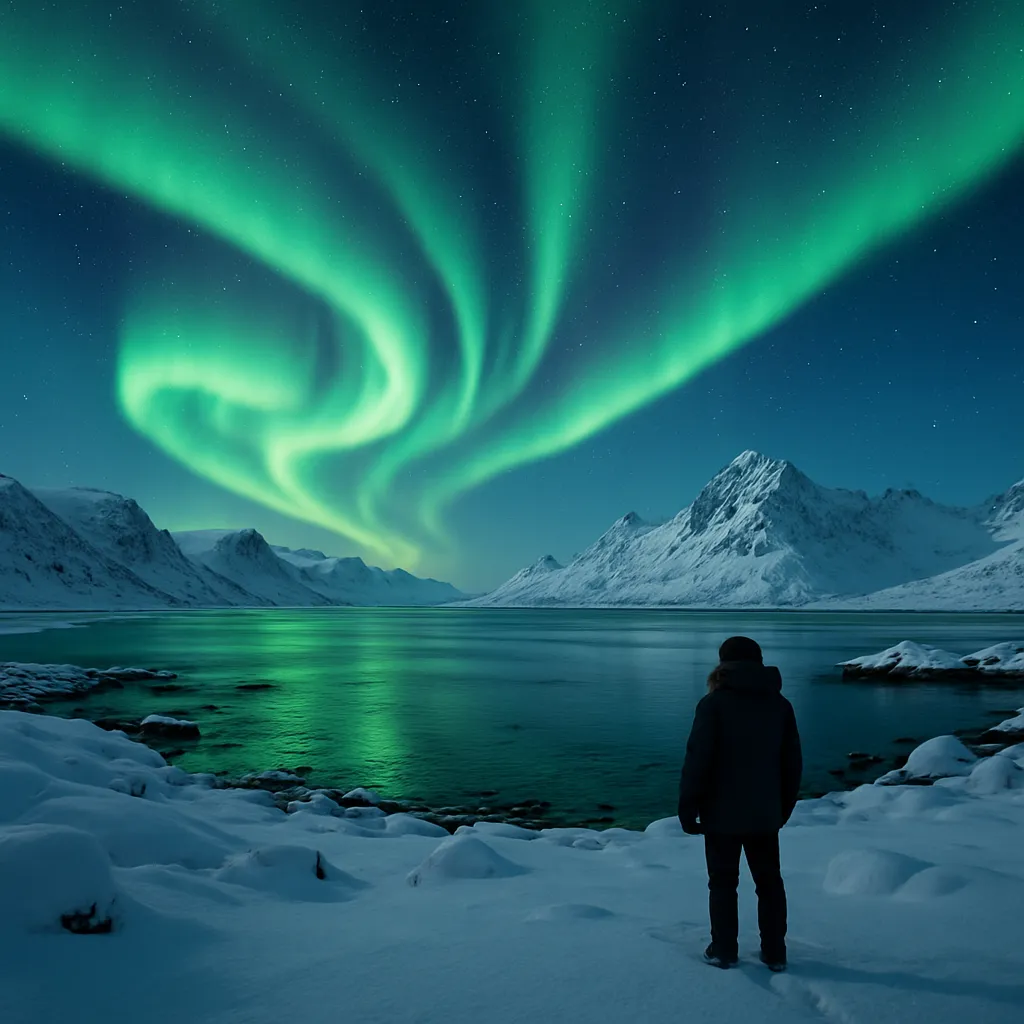
Known as the country’s “national sport,” cross-country skiing demands refined technique and remarkable endurance. Legendary events such as the Birkebeinerrennet challenge skiers to complete a 54-kilometer course, retracing historic supply routes. Trails like those at Holmenkollen provide floodlit night skiing under the aurora borealis, enhancing both training and recreation.
Modern training methods include interval workouts on uphills, ski-walk drills to engage core muscles, and roller-ski sessions during summer months. Club networks foster a strong sense of community, where novices learn steady pacing, efficient poling, and proper waxing techniques.
Alpine Skiing and Snowboarding
Resorts such as Trysil, Hemsedal, and Geilo boast state-of-the-art lift systems, terrain parks, and prepared runs for all levels. Freestyle enthusiasts can hit kickers, rails, and pipe structures, while freeriders explore natural corridors and deep powder. Safety courses on avalanche transceivers and rescue protocols are mandatory for off-piste excursions, underlining Norway’s commitment to responsible safety practices.
Adaptive programs welcome participants with diverse needs, ensuring that skiing remains an inclusive recreation option. Season-long passes encourage families to return repeatedly, refining skills and enjoying community events such as night slaloms beneath floodlights.
Ice Skating and Curling
Frozen canals in historic towns and outdoor rinks in urban parks host casual skates by sunrise, creating a magical atmosphere as city lights fade. Curling, a technical precision sport, has deep competitive roots; many Norwegians join clubs that emphasize sportsmanship and strategic collaboration. Ice hockey leagues also flourish at regional centers, promoting teamwork and local pride.
Fat Biking and Snowshoeing
Fat biking—mountain biking on oversized tires—has surged in popularity on groomed snow trails. Resorts like Hafjell create dedicated circuits for a smooth, stable ride, while backcountry guides map routes through silent pine forests. Fat biking combines the familiar skill set of cycling with a novel challenge, fostering innovative gear designs and tire compounds.
Snowshoeing offers an alternative for those seeking minimalist exploration. With simple frames and adjustable bindings, participants tread lightly over deep drifts, discovering hidden glacial lakes and wildlife tracks. Guided night tours provide opportunities to spot elk footprints or glimpse the faint shimmer of the aurora dancing overhead.
Ice Climbing and Mountaineering
Frozen waterfalls in Rjukan and the steep fjord walls near Narvik attract climbers year-round. Technical routes require crampons, ice axes, and rope systems, combined with specialized instruction on ice screw placements and belay anchors. The thrill of ascending a glassy pillar of ice at dawn exemplifies the synergy of resilience and focus.
Mountaineering expeditions often begin with a ski approach, transporting gear into remote valleys before ascending snow-covered summits. Guides emphasize environmental stewardship, teaching clients to minimize impact on fragile glacial formations and high-altitude ecosystems.
Equipment Essentials for Cold-Weather Activities
Proper gear selection is vital to comfort, performance, and safety. Key items include:
- Layered clothing systems: moisture-wicking base layers, insulating mid-layers, and waterproof shells
- High-performance winter boots: ergonomic fit with layer-locking insulation
- Gloves and mittens with touchscreen compatibility and reinforced palms
- UV-resistant goggles and sunglasses for glare reduction at low solar angles
- Adjustable trekking poles and shock-absorbing ski poles
- Avalanche transceiver, probe, and shovel for backcountry excursions
- Portable stove and insulating food containers for hot meals in remote settings
Advances in materials science have led to lighter, more durable fabrics that regulate temperature and repel moisture. Renting from certified outlets assures that equipment adheres to strict standards and receives regular maintenance.
Training, Nutrition, and Safety Practices
Excelling in winter sports requires a holistic approach combining physical training, balanced nutrition, and safety protocols. Recommended practices include:
- Structured cardiovascular sessions to improve VO₂ max in cold environments
- Strength routines focusing on glutes, quadriceps, and core stability
- Yoga and stretching to enhance flexibility and reduce muscle fatigue
- High-protein, low-sugar diets with warming spices like ginger and cinnamon
- Hydration strategies that account for sweating under multiple layers
- Regular avalanche-awareness courses and first-aid certification
- Mental resilience training: visualization and cold-exposure therapy
Group workshops on hypothermia recognition, frostbite management, and emergency signaling equip participants with critical life-saving skills. Engaging local instructors facilitates culturally attuned guidance and fosters deeper respect for Norway’s innovation in safety education.
Festivals, Community, and Traditions
Winter sports are woven into Norway’s cultural fabric through iconic events and community gatherings. Highlights include:
- The Holmenkollen Ski Festival: ski jumping, biathlon, and Nordic races at a historic venue
- Birkebeinerrennet: a grueling ski marathon commemorating royal refugees transported over mountains
- Northern Lights runs: nighttime races where participants wear glowing costumes
- Sami reindeer races and cultural expos, sharing indigenous heritage and herding traditions
- Cabin weekends in alpine lodges, where families swap stories over mulled wine by a roaring fire
These gatherings reinforce a shared passion for winter sports and nurture lifelong friendships. Amateur and elite athletes mingle, exchanging advice on wax mixtures, route selection, and race tactics.
Health, Environment, and Responsible Exploration
Sustainable recreation is an imperative in Norway’s pristine ecosystems. Enthusiasts should adhere to Leave No Trace principles:
- Pack out all waste and avoid single-use plastics
- Follow designated trails to protect delicate tundra vegetation
- Respect wildlife by observing from a distance and minimizing noise
- Use eco-friendly waxes and lubricants to prevent water pollution
- Support local businesses that champion conservation initiatives
Embracing environmental stewardship ensures that future generations will continue to marvel at glistening peaks and serene fjords. By promoting sustainability and honoring Norway’s natural heritage, winter adventurers become guardians of this extraordinary landscape.