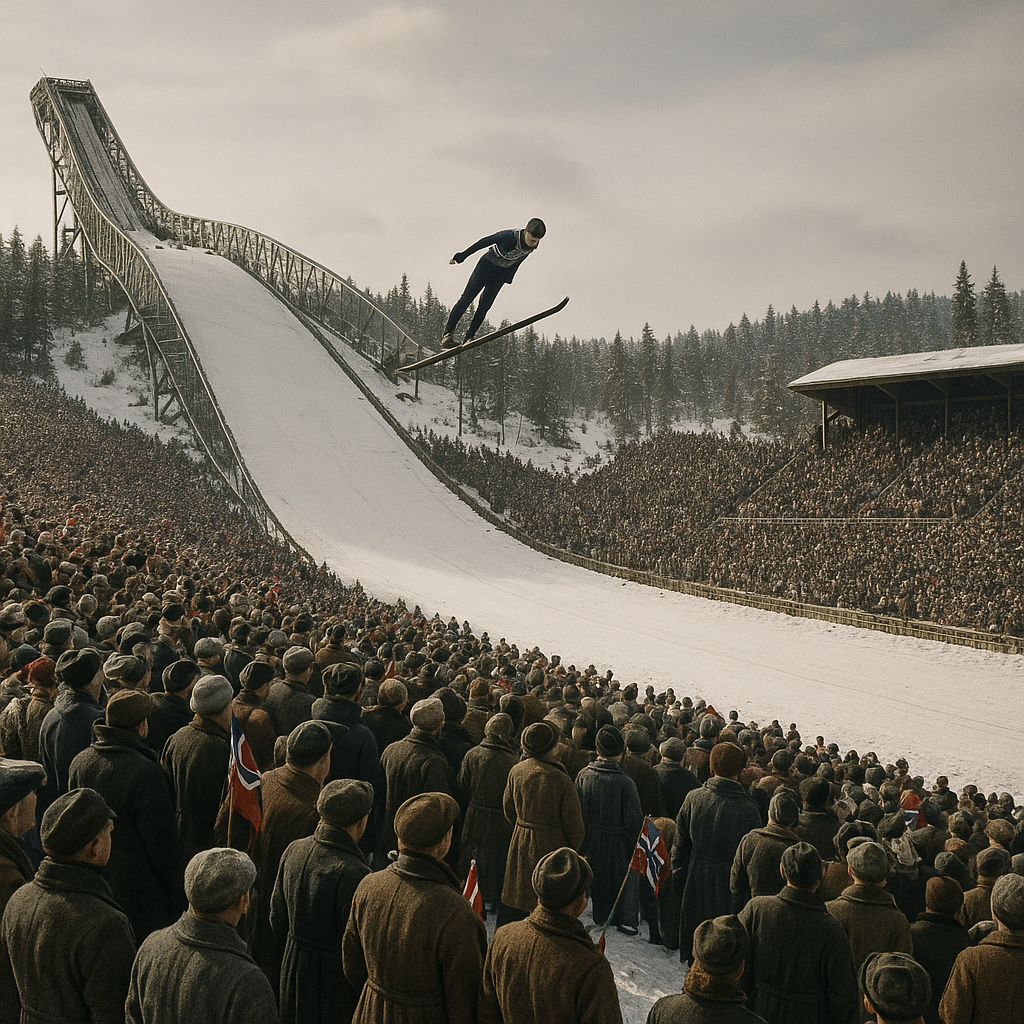
Winter sports have long captivated enthusiasts with their blend of breathtaking landscapes, athletic prowess, and communal unity. The Holmenkollen Ski Festival stands as a radiant symbol of this enduring fascination, where generations of skiers and spectators gather to celebrate the synergy between human ambition and the frozen elements. From the snow-covered hills of Norway to the icy arenas across the globe, winter disciplines continue to evolve, driven by passion, innovation, and an unwavering love for the cold season’s challenges.
Origins and Heritage of Winter Sports
The story of skiing and related winter activities traces back thousands of years, with early inhabitants of Arctic regions crafting wooden planks to navigate deep snow. Over time, these rudimentary tools transformed into specialized equipment designed for speed, agility, and safety. The tradition of skiing became especially prominent in Scandinavia, where communities relied on skis not only for travel but also as a form of recreation.
By the late 19th century, the concept of organized competition had taken hold. Norway emerged as a pioneer, hosting informal races that spotlighted remarkable displays of balance and endurance. These gatherings eventually crystallized into formal events, laying groundwork for festivals like Holmenkollen. Key milestones include:
- 1843 – First recorded ski competition in Tromsø, Norway.
- 1892 – The inaugural Holmenkollen Ski Jump event in Oslo, marking a leap toward international acclaim.
- 1924 – Skiing debuts at the inaugural Winter Olympics in Chamonix, France.
These developments reinforced skiing’s heritage as both a practical mode of travel and a platform for athletic excellence. The Holmenkollen Festival, with its snow-laden slopes and roaring crowds, became the epitome of this dual legacy.
Spirit of Competition and Community
Integral to any winter gathering is the palpable sense of camaraderie that permeates the air. Athletes train for months—sometimes years—to shave fractions of a second off their runs, honing their precision and physical conditioning. Spectators, meanwhile, bundle in layers of wool and down, collectively bracing the chill to cheer on their favorites. This reciprocal relationship fuels an atmosphere where every downhill sprint or ski jump feels like a grand spectacle.
The Holmenkollen Festival showcases multiple disciplines under one banner, including:
- Cross-country skiing – A test of endurance and pacing over varied terrain.
- Ski jumping – A breathtaking display of balance, courage, and flight.
- Biathlon – Combining cross-country routes with marksmanship challenges.
- Snowboarding – Modern artistry on snow, blending tricks and speed.
Beyond competition, the festival fosters a sense of community that bridges generations. Families pass down tales of legendary performances, while newcomers eagerly absorb the lore and techniques shared by seasoned professionals. This intergenerational dialogue ensures that the festival’s spirit remains vibrant and inclusive, inviting all to participate—whether on the slopes or in the grandstands.
Innovations in Equipment and Technique
As winter sports gained popularity, manufacturers and athletes collaborated to push the boundaries of what was possible. From wooden skis and hemp bindings to cutting-edge carbon-fiber designs, each technological leap has aimed to enhance speed, control, and safety. Key innovations include:
- Laminate ski construction – Combining wood cores with fiberglass layers for optimal flex and durability.
- High-precision waxes – Tailored to specific snow temperatures, maximizing glide efficiency.
- Advanced helmet and binding systems – Reducing injury risk through resilience-focused materials.
Technique evolution went hand in hand with gear improvements. Coaches introduced refined training regimens that emphasize balance drills, core strength, and aerodynamic body positions. In ski jumping, for instance, athletes adopted the V-style stance, which revolutionized lift and distance potential. Equipment and training advances continue to converge, forging ever faster times and higher jumps.
Innovations extend beyond performance too. Environmental concerns have inspired sustainable practices—such as eco-friendly waxes and energy-efficient snowmaking—to preserve pristine mountain ecosystems for future generations. This commitment to innovation underscores the festival’s broader responsibility to nature and community.
Cultural Impact and Global Reach
While rooted in Norwegian tradition, the Holmenkollen Ski Festival has sparked winter sports fervor around the world. International broadcasters transmit live coverage to millions, inspiring regions from the Alps to the Rockies to host their own marquee events. This global diffusion highlights winter sports as a universal language of **adrenaline**, joy, and human connection.
Tourism flourishes in tandem with competitive schedules. Cities and towns adjacent to ski resorts experience surges in visitors eager to immerse themselves in snow-packed festivities. Local economies thrive, offering everything from cozy mountain lodges to vibrant après-ski scenes.
Winter festivals also serve as cultural gatherings, featuring:
- Traditional music and dance performances celebrating regional customs.
- Artisan markets showcasing handwoven textiles and woodcrafts.
- Culinary events spotlighting hearty fare—stews, game dishes, and warming spirits.
Through these elements, festivals highlight the deep connection between people and their snowy environments, celebrating both competitive spectacle and everyday traditions. As climate patterns shift, the winter sports community increasingly adopts adaptive measures—relocating events, optimizing snow storage, and investing in research—to ensure that the magic of snow-covered slopes endures.
From its storied beginnings to its modern-day status as a cultural phenomenon, the Holmenkollen Ski Festival encapsulates the excellence of winter sports. It reminds us that the thrill of the cold not only tests our physical limits but also unites us in a shared pursuit of beauty, challenge, and lasting memories.